- Getting to know Coorg
- When to visit Coorg
- How to reach Coorg
- The drive from Bangalore: stops worth making
- Where to stay: estates, homestays and resorts
- Coffee estate homestays
- Plantation resorts
- Hotels in Madikeri
- A brief introduction to Coorg coffee
- What to see and do in Coorg
- Abbey Falls
- Raja's Seat
- Madikeri Fort and Omkareshwara Temple
- Talakaveri and Bhagamandala
- Dubare
- Namdroling Monastery (the Golden Temple), Bylakuppe
- Iruppu Falls and Nagarhole
- Mandalpatti
- Plantation walks and treks
- Adventure in Coorg
- Birdwatching and nature
- Coorg in the monsoon
- Coorg for honeymooners
- Coorg with family and parents
- Kodava culture and food
- What to eat
- A three-day Coorg itinerary from Bangalore
- Day 1: Bangalore to Coorg, Bylakuppe and Dubare
- Day 2: Madikeri, Abbey Falls, Raja's Seat and Talakaveri
- Day 3: Mandalpatti sunrise and return
- Adding a Kabini safari
- How much does a Coorg weekend cost?
- Practical tips for Coorg
- Responsible travel in Coorg
- What to pack
- Mistakes to avoid in Coorg
- Plan your Coorg getaway with The Vacation Code
- Frequently asked questions about Coorg
- How many days are enough for Coorg?
- What is the best time to visit Coorg?
- How far is Coorg from Bangalore?
- Is Coorg good for vegetarians?
- What is special about staying at a Coorg homestay?
- Can we combine Coorg with Kabini?
The first thing you notice about Coorg is the smell. Somewhere around Kushalnagar, as the road starts to climb out of the plains, the air changes. It becomes cooler and damp, and it carries a scent that is hard to describe until you have smelled it: wet earth, wood smoke, black pepper and, when the coffee plants are in bloom, a sweet, jasmine-like perfume drifting from the estates on either side of the road. By the time you reach your homestay, tucked into the hills under a canopy of silver oak and jackfruit trees, the city you left that morning feels very far away.
Coorg, officially known as Kodagu, is Bangalore's favourite weekend escape and one of the most charming hill regions in South India. It is a land of coffee and spice plantations, misty hills, waterfalls, rivers and forests, with a proud and distinctive local culture. It is also refreshingly relaxed. You do not come to Coorg to tick off sights; you come to slow down, sleep well, walk through plantations, eat extraordinary food and drink the best coffee of your life.
This guide covers everything you need to plan a Coorg trip: the best season, where to stay, what to see, the region's food and culture, a relaxed three-day itinerary from Bangalore, costs and practical tips, plus how to add a wildlife safari at Kabini.
Getting to know Coorg
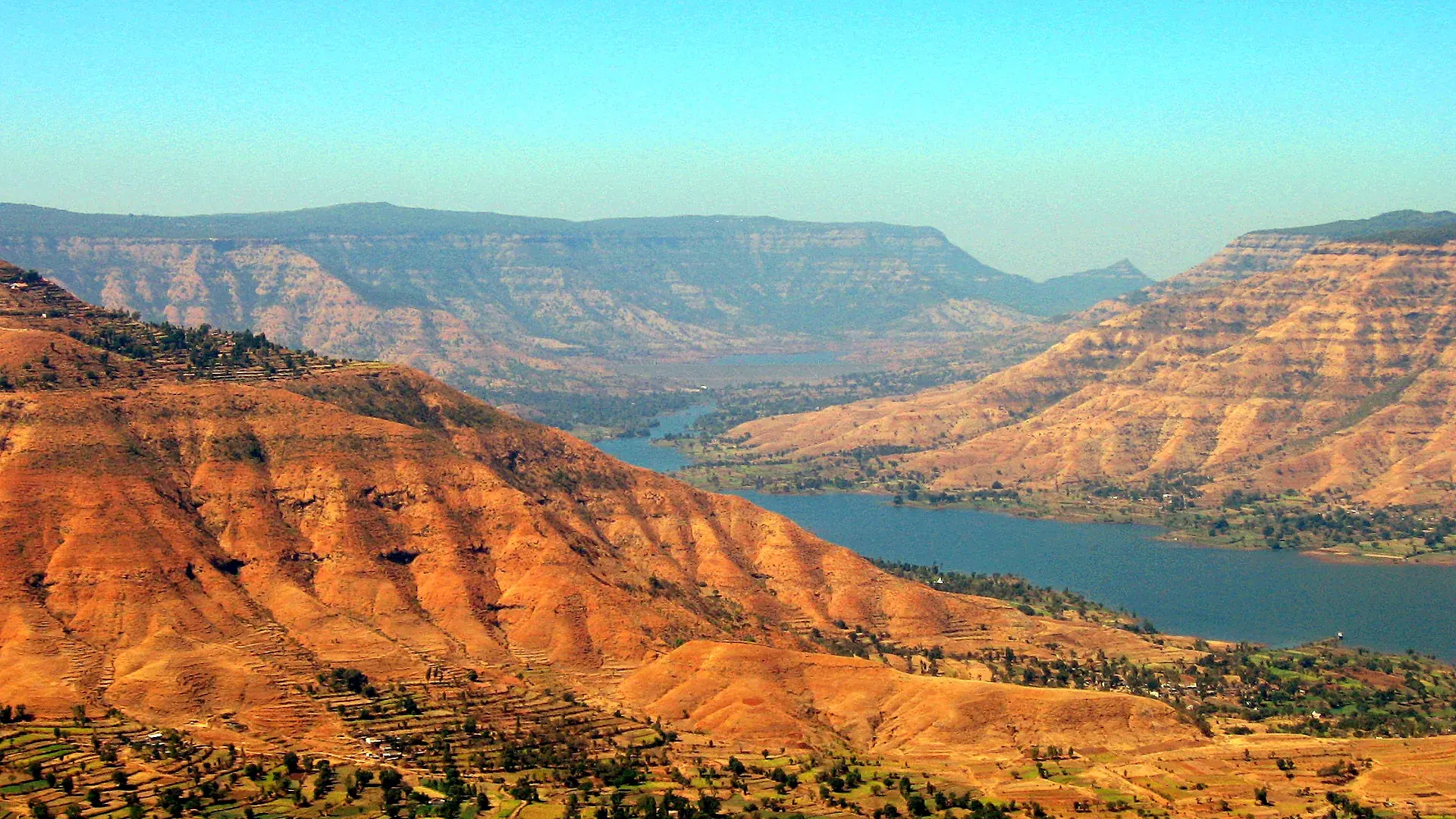
Coorg lies in the southwest of Karnataka, on the eastern slopes of the Western Ghats, bordering Kerala. Its main town, Madikeri, sits at around 1,150 metres, which gives the region a pleasantly cool climate for most of the year. About a third of Coorg is covered by forest, and much of the rest is planted with coffee, pepper, cardamom and oranges.
The region is the birthplace of the Kaveri (Cauvery) river, one of the great rivers of South India, which rises at Talakaveri in the Brahmagiri hills. It is also home to the Kodavas, a community with a unique language, cuisine, dress and martial tradition, who have given India some of its most celebrated soldiers, including Field Marshal K. M. Cariappa and General K. S. Thimayya.
Coorg is often called the "Scotland of India", a nickname from the colonial era, when British planters were reminded of the Highlands by its misty hills. In truth, Coorg does not look like anywhere else. It looks entirely like itself.
When to visit Coorg
October to March is the most popular time. After the monsoon, the hills are green and fresh, the waterfalls are still flowing, and the weather is pleasant, with cool mornings and evenings. December and January can get quite chilly at night. This is also the coffee harvest season, roughly from November to February, when you can see pickers at work in the estates and coffee cherries drying in the sun.
March and April bring the coffee blossom. After the first spring showers, known locally as blossom showers, the coffee bushes burst into white flowers with a heady fragrance that fills the estates for a few days. It is a magical time, though the days grow warmer.
June to September is the monsoon, and Coorg receives very heavy rainfall. The landscape becomes dramatically green, mist rolls across the hills, and the waterfalls are at their most powerful. It is beautiful and romantic if you are happy to spend time indoors with a book and coffee, but expect leeches on walks, occasional landslides and some attractions closed for safety. Monsoon travel suits couples who want to cosy up in a homestay rather than sightsee.
April and May are the warmest months, but Coorg stays far more comfortable than Bangalore or Mysuru.
How to reach Coorg
By road from Bangalore. Madikeri is about 250 to 270 kilometres from Bangalore, a drive of five to six hours via Mysuru, Hunsur or Srirangapatna and Kushalnagar. The route is good, and there are plenty of places to stop for breakfast on the way. Leave early on Friday or Saturday morning to avoid the city traffic. KSRTC and private buses also run frequently from Bangalore and Mysuru.
By air. The nearest airports are Mangaluru, about 140 kilometres from Madikeri, and Mysuru, about 120 kilometres away. Kannur in Kerala is also within reach. Most visitors from outside Karnataka fly into Bangalore and drive.
By rail. The nearest major railway station is Mysuru, from where it is about three hours by road.
The drive from Bangalore: stops worth making
The road trip is part of the fun, and a few stops break up the five or six hours nicely. Leave the city by 6 a.m. to beat traffic, and stop for breakfast on the Mysuru highway, where several famous eateries serve thatte idli, masala dosa and strong filter coffee. The modern expressway has cut driving time significantly, but it is still worth stopping.
If you have time, Srirangapatna, just before Mysuru, has the ruins of Tipu Sultan's fort, his summer palace, the Daria Daulat Bagh, and the Ranganathaswamy Temple on an island in the Kaveri. Further along, the Kaveri appears again at Kushalnagar, the gateway to Coorg, where you can visit Bylakuppe and Dubare before the final climb to Madikeri. On the way back, the Mysuru Palace, beautifully lit on Sunday evenings, makes a grand finale if you are not in a hurry. Remember that the last stretch into Bangalore is slow on Sunday evenings, so plan your return accordingly.
Where to stay: estates, homestays and resorts
Where you stay shapes the Coorg experience more than anything else.
Coffee estate homestays
Coorg pioneered the homestay concept in India, and staying with a Kodava family on their own plantation is the most authentic way to experience the region. Homestays range from simple rooms in a family house to beautifully restored estate bungalows. The highlights are the home-cooked Kodava meals, often the best food of the trip; plantation walks with your hosts, who explain how coffee and pepper are grown; and quiet evenings on a verandah. Choose a registered homestay and read recent reviews.
Plantation resorts
Coorg also has several luxury resorts set on large estates, with pool villas, spas, fine dining and guided plantation experiences. They are ideal for honeymoons and special occasions, and some have spectacular views over the valleys.
Hotels in Madikeri
Staying in Madikeri town is convenient for sightseeing, but it lacks the charm of an estate. Most visitors prefer to stay on a plantation within a short drive of town.
Choosing an area: estates around Madikeri are central for sightseeing; Virajpet and Gonikoppal in the south are close to Iruppu Falls and Nagarhole; and Kushalnagar in the east is near Dubare and Bylakuppe.
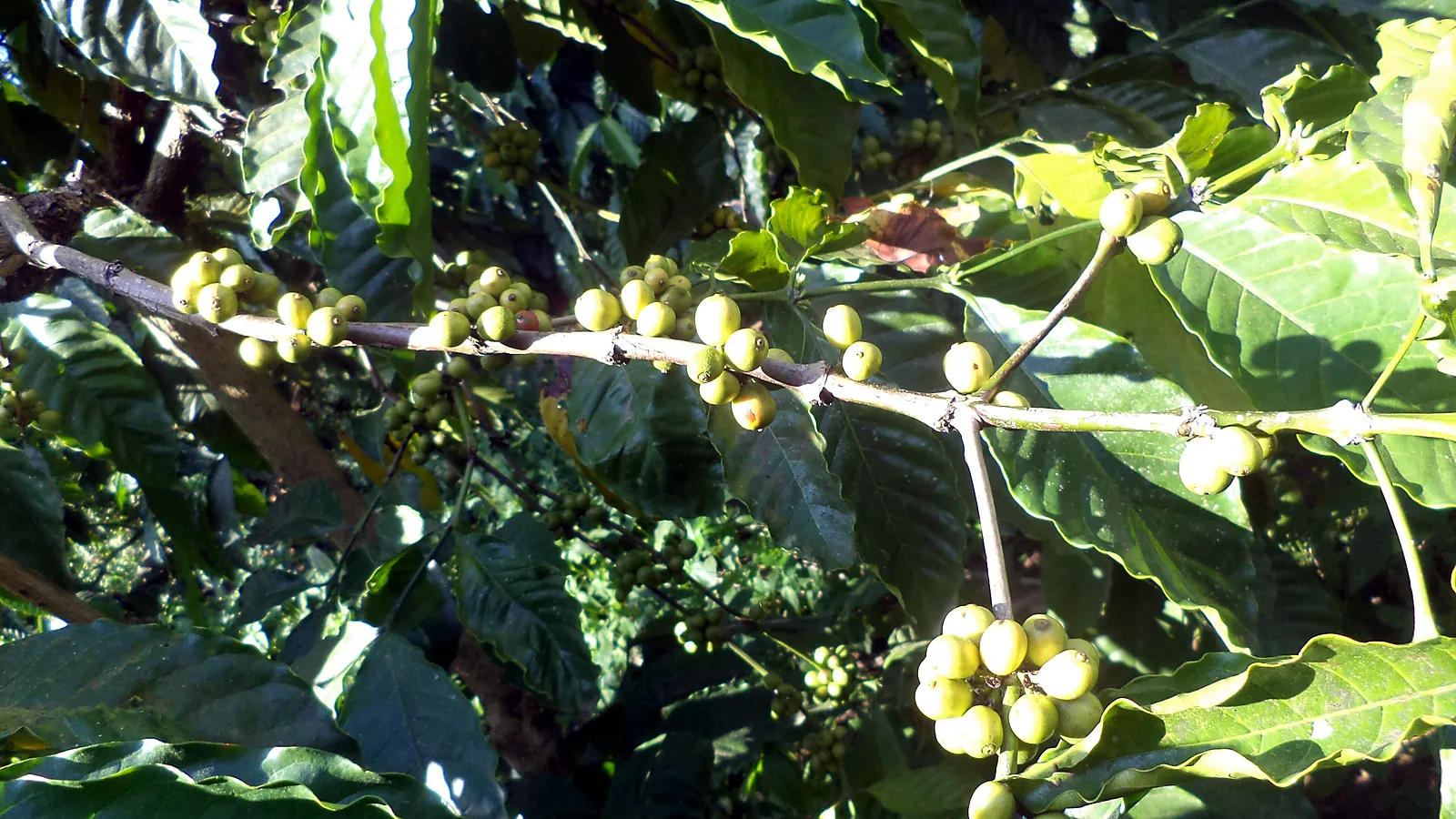
A brief introduction to Coorg coffee
Coffee is the heart of Coorg's economy and identity. The region produces a significant share of India's coffee, and India is one of the few countries that grows almost all of its coffee under a canopy of shade trees, alongside pepper vines and fruit trees. This shade-grown method protects the soil, supports birdlife and gives Coorg coffee its smooth, mild character.
Two varieties are grown here. Arabica is grown at higher altitudes and prized for its flavour and aroma. Robusta, which is hardier, higher in caffeine and more bitter, is grown at lower elevations and is widely used in the South Indian filter coffee blends that many of us grew up on.
On a plantation walk, you will see how coffee cherries grow in clusters along the branches, ripening from green to bright red. You will learn how they are picked by hand, sun-dried or washed, hulled and roasted. Many estates offer tastings, and buying fresh coffee directly from an estate or a local roaster in Madikeri is one of the best souvenirs you can take home.
What to see and do in Coorg
Abbey Falls
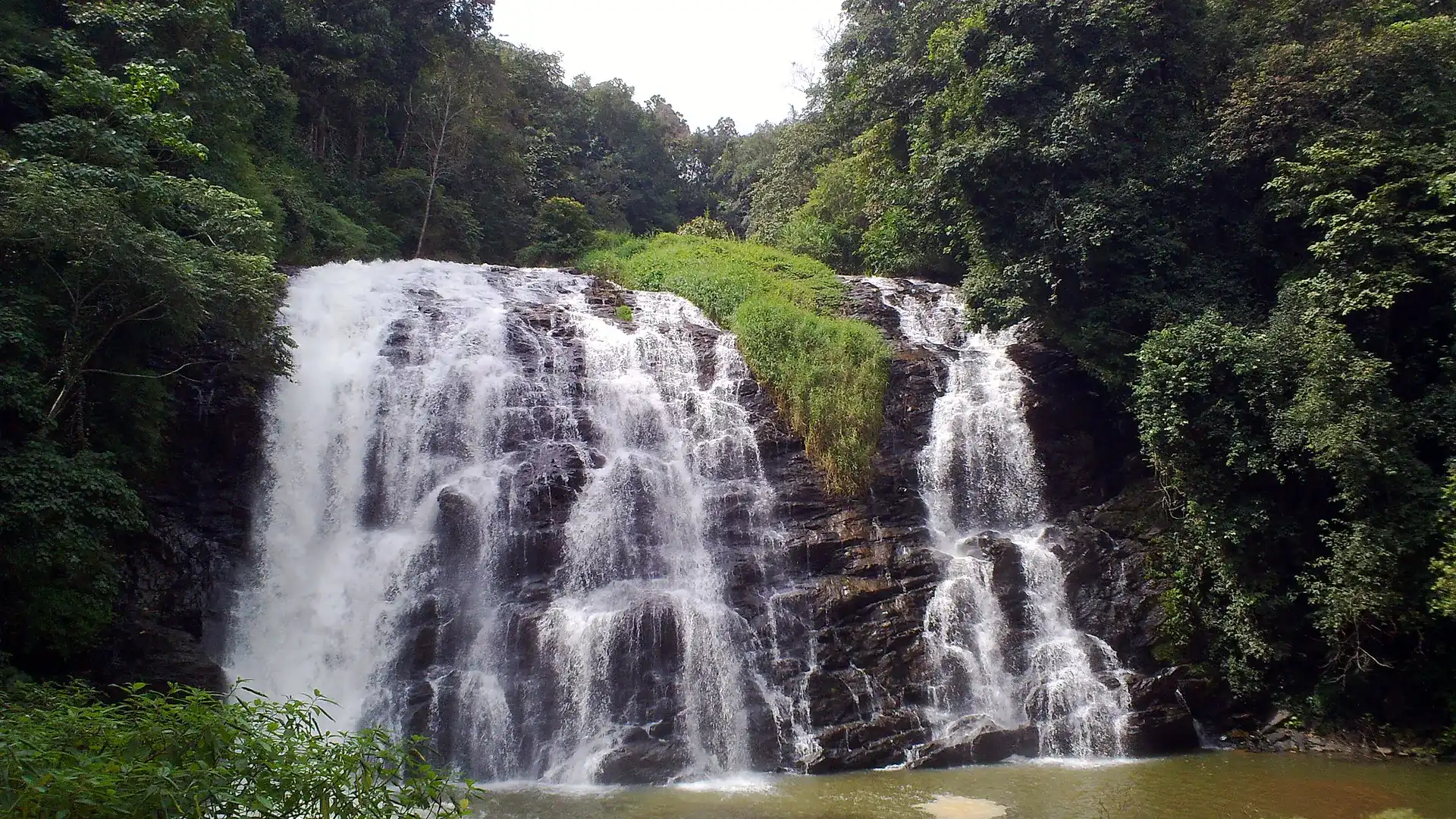
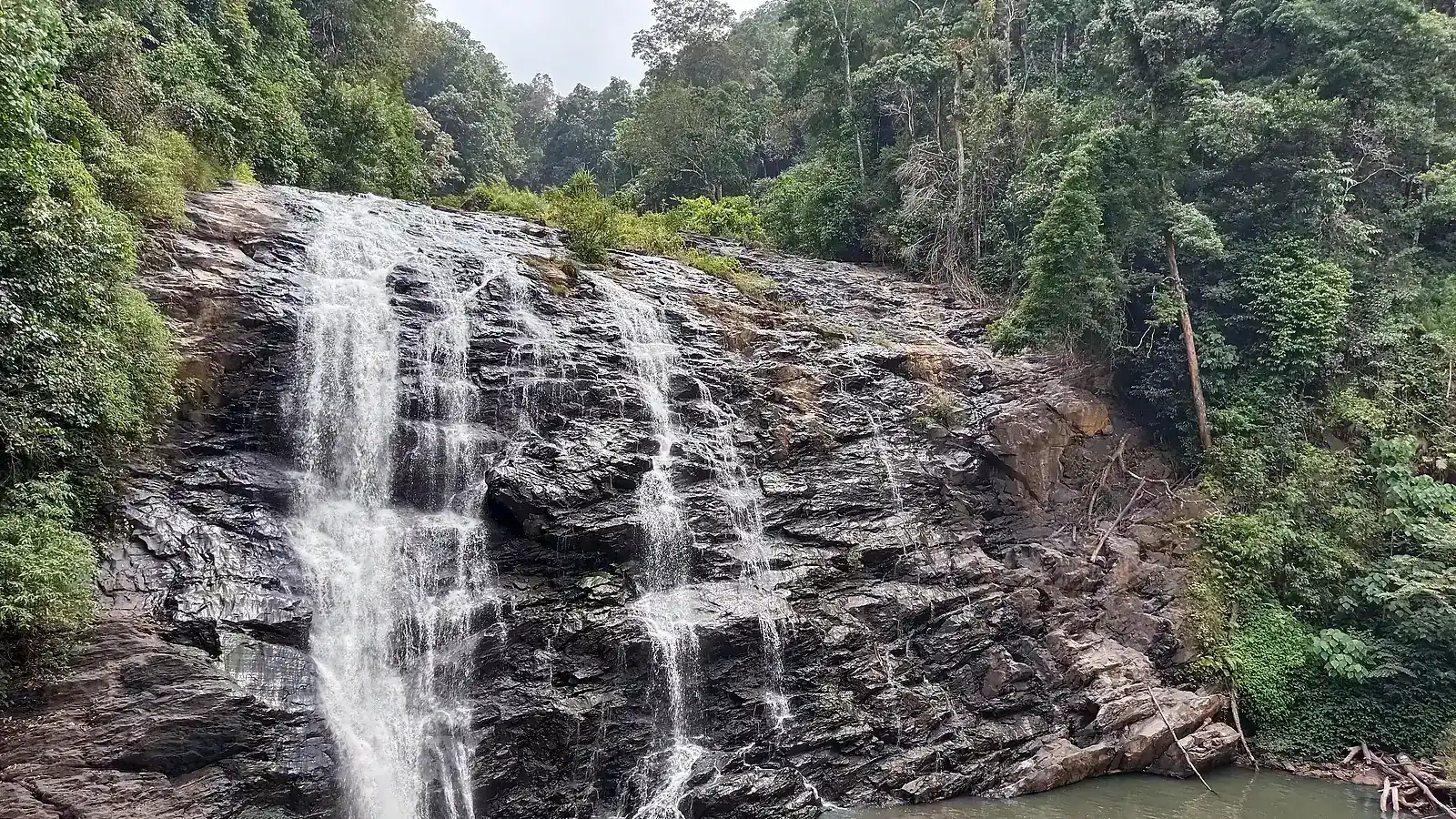
A short drive from Madikeri, Abbey Falls (also called Abbi Falls) tumbles down a rocky cliff surrounded by coffee and spice plantations. A short walk through the estate leads to a hanging bridge facing the falls. The falls are at their most dramatic just after the monsoon, from late July to October. Go early to avoid the crowds.
Raja's Seat
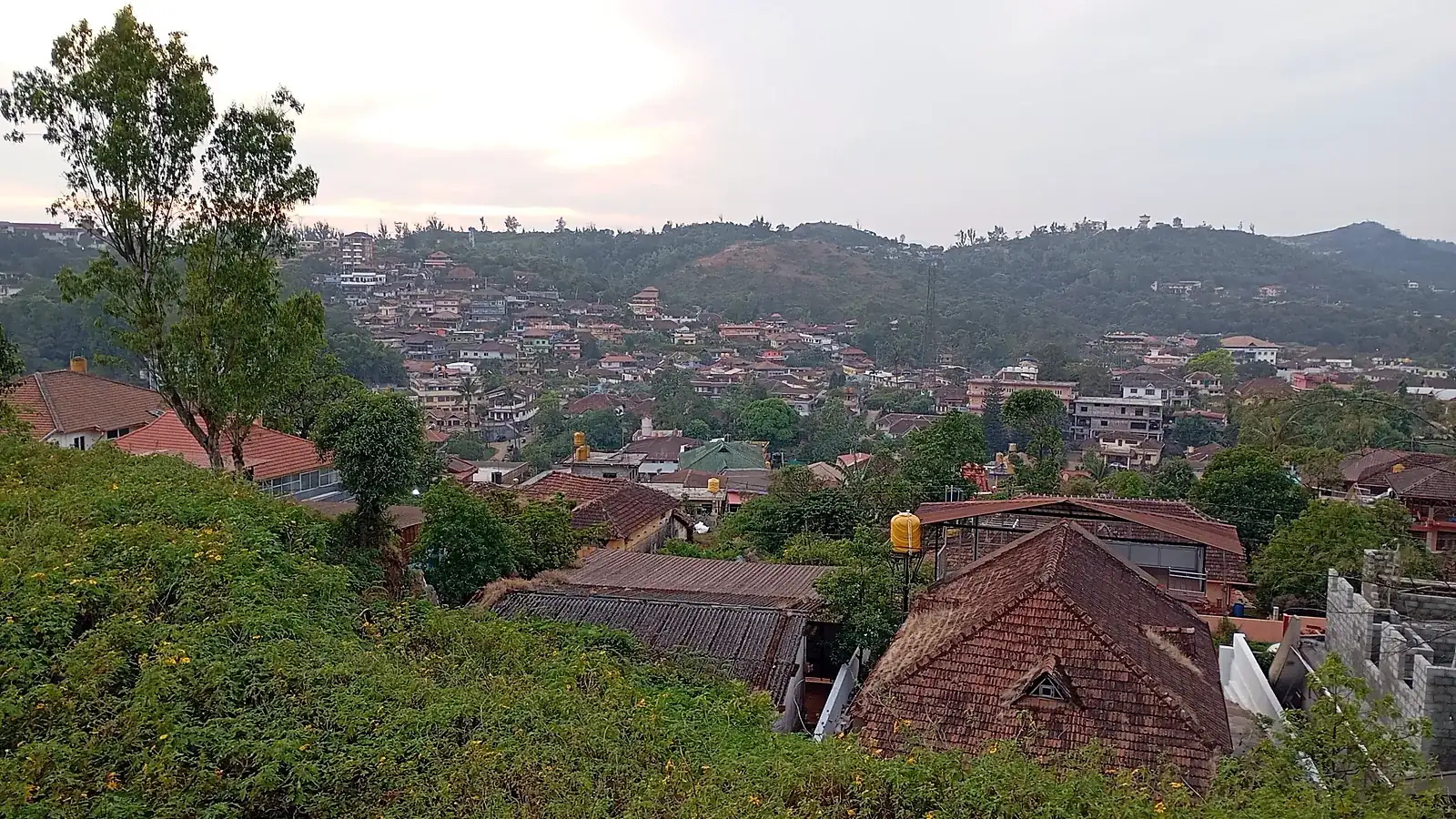
This garden on the edge of a cliff in Madikeri was, according to local tradition, where the kings of Kodagu came to watch the sunset over the hills. The view over the misty valleys and layered ranges of the Western Ghats is still breathtaking, especially at sunset. In the evening, a musical fountain show adds to the atmosphere. Early morning, when mist fills the valleys below, is magical too.
Madikeri Fort and Omkareshwara Temple
The Madikeri Fort, rebuilt in stone by Tipu Sultan and later modified by the Kodava kings and the British, houses a small museum and a church. The Omkareshwara Temple, built in 1820, blends Islamic and Gothic architectural styles with a central dome and minarets, and is dedicated to Lord Shiva.
Talakaveri and Bhagamandala
Talakaveri, about 45 kilometres from Madikeri in the Brahmagiri hills, is the source of the Kaveri river and one of the most sacred places in South India. A small spring feeds a tank where pilgrims take a holy dip, and a flight of steps leads to a hilltop with panoramic views over the Western Ghats, often above the clouds. The drive through forests and plantations is lovely. On the way, Bhagamandala has an ancient temple complex at the confluence of the Kaveri, Kannike and the mythical Sujyothi rivers, known as the Triveni Sangam.
Dubare
Dubare, on the banks of the Kaveri near Kushalnagar, is known for its forest camp, where you can watch elephants and learn about their care and history in the region's forests. Visitor activities here are regulated by the forest department and have changed over the years, so check current timings and what is permitted. The riverside setting is peaceful, and coracle rides and gentle river rafting are offered in suitable seasons.
Namdroling Monastery (the Golden Temple), Bylakuppe
Near Kushalnagar lies Bylakuppe, one of the largest Tibetan settlements outside Tibet, established in the early 1960s. Its centrepiece is the Namdroling Monastery, often called the Golden Temple, home to thousands of monks. The main temple holds three enormous gilded statues of the Buddha, Padmasambhava and Amitayus, surrounded by vivid murals. Visit in the late afternoon to hear the monks' prayers, and eat momos and thukpa at the Tibetan cafés outside. It is one of the most unexpected and memorable experiences in Coorg.
Iruppu Falls and Nagarhole
In south Coorg, Iruppu Falls cascades through the forest near the Brahmagiri Wildlife Sanctuary, a pleasant walk from the parking area. A temple to Lord Rama at the base makes it a pilgrimage site. It is close to Nagarhole National Park, one of India's best parks for seeing elephants, gaurs, deer and, with luck, tigers and leopards.
Mandalpatti
For the best panoramic views in Coorg, take a jeep up a rough track to Mandalpatti, a grassy hilltop viewpoint on the edge of the Pushpagiri Wildlife Sanctuary. On clear mornings, you look out across endless ranges of hills; in the monsoon, you are often above the clouds.
Plantation walks and treks
Walks through coffee and spice estates are one of the most enjoyable things to do in Coorg. For more challenging hikes, Tadiandamol, the highest peak in Coorg at about 1,750 metres, offers a rewarding trek through shola forests and grasslands with sweeping views. Kotebetta and Nishani Motte are other popular trails. Some treks require forest department permission, so check before you go.
Adventure in Coorg
Coorg is best known for its calm, but it has a lively adventurous side too. The Barapole river in south Coorg offers some of the best white-water rafting in South India, with grade III and IV rapids during and just after the monsoon, typically from around June to September, when water levels are high. It is run by licensed operators, and it is a thrilling, full-morning adventure. On the calmer Kaveri near Dubare, gentler rafting and coracle rides are offered in suitable seasons.
Several estates and adventure parks offer zip lines, rope courses, ATV rides through plantations and night walks to spot frogs, insects and owls. Trekking is excellent, with trails through shola forests and grasslands to peaks such as Tadiandamol and Kotebetta. Anglers can try mahseer fishing on the Kaveri on a catch-and-release basis, where it is permitted.
Birdwatching and nature
Coorg lies in the Western Ghats, one of the world's great biodiversity hotspots, and its shade-grown coffee estates are remarkably rich in birdlife. Keep binoculars handy on your plantation walks. Look for the Malabar grey hornbill, found only in the Western Ghats; the Malabar whistling thrush, whose melodious song at dawn has earned it the name "whistling schoolboy"; the brilliant Indian pitta in the monsoon; paradise flycatchers with their long white tails; flamebacks, barbets, bulbuls and many more.
Many homestay hosts are keen birders and can point out resident species. Early mornings are best, when the estates are cool and full of song. You may also spot giant Malabar squirrels in the canopy, and, on forest roads, deer, gaurs and sometimes elephants.
Coorg in the monsoon
Most travellers avoid the monsoon, but many regulars consider it the most beautiful time in Coorg. From June to September, the hills turn an intense green, clouds drift through the estates, the waterfalls roar, and the rhythm of rain on a tiled roof becomes the soundtrack of your stay. It is an ideal season for couples and anyone who wants genuine rest.
To enjoy a monsoon trip, choose a homestay or resort with a good verandah and indoor spaces, and plan for slow days: plantation walks between showers, long meals, books, board games and endless cups of coffee. Carry a good raincoat, quick-dry clothes and leech socks. Drive only in daylight, avoid steep ghat roads after very heavy rain, and follow local advice on waterfalls and viewpoints, some of which close for safety. Prices are lower, and the region is far quieter than in the peak season.
Coorg for honeymooners
Coorg is a lovely honeymoon destination for couples who want quiet, nature and privacy rather than nightlife. Choose an estate resort with private pool villas or a secluded cottage with a view over the valley. Book a couple's Ayurvedic massage, a private plantation walk and a candlelit dinner on the lawn. Visit Raja's Seat at sunset and Mandalpatti at sunrise. In the monsoon, the mist and rain make it especially romantic. Coorg also combines well with Kabini for a few nights of jungle safaris, or with Wayanad and the Kerala backwaters for a longer South India honeymoon.
Coorg with family and parents
Coorg suits families of all ages. Children love the elephant camp at Dubare, the coracle rides, the Golden Temple at Bylakuppe, the zip lines and the jeep ride to Mandalpatti. Grandparents enjoy the temples at Talakaveri and Bhagamandala, the gentle pace of estate life and the cool climate. Choose a homestay with ground-floor rooms and easy access, as some estate bungalows have steps and uneven paths. Keep drives short by staying centrally near Madikeri, and plan one quiet day at the estate between sightseeing days. Many homestays can prepare simpler, less spicy meals for children and older guests on request.
Kodava culture and food
The Kodavas are a proud, warm and distinctive community. Traditionally landowners and warriors, they have a strong military tradition, and it is said that nearly every Kodava family has a member who served in the armed forces. The Kodavas worship their ancestors, nature and the Kaveri river, and their festivals are closely tied to the land and the agricultural year.
The most important festivals are Kailpodh in September, which marks the end of the paddy transplantation and celebrates weapons and martial arts; Kaveri Sankramana in October, when thousands of pilgrims gather at Talakaveri to witness the spring welling up; and Puttari, the harvest festival, usually in late November or December, when the first sheaves of rice are ceremonially cut.
Kodava attire is striking. Men wear the kupya, a long black coat with a sash, and carry a ceremonial dagger; women drape their sarees with pleats at the back and the pallu tucked over the right shoulder. You will see these at weddings and festivals.
What to eat
Kodava cuisine is one of the most distinctive in India. It is famous for pandi curry, a dark, tangy pork curry flavoured with a local vinegar called kachampuli, which is the signature dish of the region. It is served with kadambuttu, steamed rice balls, or akki roti, rice flour flatbread. Other specialities include noolputtu (rice noodles), koli curry (chicken curry) and bembla curry (bamboo shoot curry).
Vegetarians are well catered for too. Look out for bamboo shoot curry, mushroom curry made with wild mushrooms in season, jackfruit curry, kaad maange (wild mango curry) and kumbala curry (pumpkin curry), along with akki roti and kadambuttu. Homestays usually prepare separate vegetarian meals if you ask in advance.
Finish every meal with a cup of freshly brewed Coorg coffee, and take home local honey, cardamom, black pepper, homemade wine made from fruits such as gooseberry and ginger, and bottles of kachampuli.
A three-day Coorg itinerary from Bangalore
Day 1: Bangalore to Coorg, Bylakuppe and Dubare
Leave Bangalore early and drive towards Mysuru, stopping for a South Indian breakfast of idli, vada and filter coffee at one of the famous highway eateries. Turn off towards Kushalnagar and visit the Namdroling Monastery at Bylakuppe, followed by a Tibetan lunch. In the afternoon, visit Dubare by the Kaveri, then continue to your homestay or estate resort. Spend the evening on the verandah with coffee and a home-cooked Kodava dinner.
Day 2: Madikeri, Abbey Falls, Raja's Seat and Talakaveri
After breakfast, take a plantation walk with your host. Then drive to Abbey Falls and the Omkareshwara Temple and Madikeri Fort. After lunch in Madikeri, drive to Bhagamandala and Talakaveri for the views over the Western Ghats. Return to Madikeri in time for sunset at Raja's Seat. Dinner at your homestay.
Day 3: Mandalpatti sunrise and return
Early risers can take a jeep up to Mandalpatti for sunrise, then return for a late breakfast. Visit a spice shop or coffee roaster in Madikeri to buy souvenirs, and begin the drive back to Bangalore after lunch, arriving in the evening.
With an extra day, add Iruppu Falls and a safari in Nagarhole, or simply spend a lazy day at your estate.
Adding a Kabini safari
If you have two more days, combine Coorg with Kabini, one of the best wildlife destinations in India, about three to four hours from Madikeri. Kabini lies on the edge of Nagarhole National Park, on the banks of the Kabini river and its reservoir. It is famous for its elephants, which gather in large numbers along the backwaters in the dry months from March to June, for its tigers and leopards, and for sightings of a rare black leopard that has made it famous among wildlife photographers.
Safaris are run by jeep and, in some places, by boat on the backwaters, where you can see elephants, crocodiles, and a remarkable variety of birds. Lodges range from forest department properties to luxurious jungle resorts. Our Kabini Luxury Jungle Safari & River Lodge Weekend can be combined with Coorg for a five-day trip that covers coffee country and the jungle.
How much does a Coorg weekend cost?
- Homestay: ₹2,500 to ₹7,000 per night for a double room, usually including breakfast and sometimes dinner.
- Estate resort: ₹8,000 to ₹30,000 or more per night.
- Car and driver from Bangalore: ₹10,000 to ₹15,000 for a three-day trip, or fuel and tolls if you drive yourself.
- Entry fees and jeep rides: ₹1,000 to ₹3,000 for two.
- Food: ₹1,500 to ₹3,000 per day for two, outside what the homestay provides.
A comfortable three-day trip for a couple typically costs around ₹20,000 to ₹40,000 including transport from Bangalore. Our Bangalore to Coorg Coffee Estate & Waterfalls Retreat starts at ₹7,999 per person for three days and two nights, including an estate stay, meals, transport from Bangalore and guided sightseeing.
Practical tips for Coorg
- Book homestays in advance for long weekends, Christmas and New Year, when Coorg fills up with visitors from Bangalore.
- Carry cash. Smaller shops, jeep drivers and some homestays prefer cash, and ATMs can be limited outside Madikeri.
- Mobile networks can be patchy on remote estates. Some homestays have Wi-Fi.
- Drive carefully. Roads are narrow and winding, and mist and rain reduce visibility.
- Respect the plantations. Estates are private property. Do not pick coffee, pepper or fruit without permission.
- Leeches in the monsoon are harmless but unpleasant. Wear leech socks, or apply salt or tobacco powder to your shoes.
- Dress modestly at temples and the monastery.
Responsible travel in Coorg
Coorg's forests, rivers and estates are fragile, and the region has faced serious landslides and floods in recent years, made worse by deforestation and unplanned construction. As a visitor, you can help. Choose registered homestays run by local families rather than large illegal constructions on steep slopes. Avoid single-use plastic, especially at waterfalls and viewpoints. Do not feed wild animals, including the monkeys at viewpoints. Keep noise down in the evenings, and buy coffee, spices and honey directly from growers and local cooperatives, so that your money supports the people who look after these hills.
What to pack
- Light layers and a warm jacket or sweater for evenings, especially from November to February.
- Comfortable walking shoes with grip for plantation walks and falls.
- A raincoat or umbrella, essential in the monsoon and useful year-round.
- Insect repellent.
- Modest clothing for temples and the monastery.
- Binoculars if you are interested in birds; Coorg's forests and estates are full of them.
Mistakes to avoid in Coorg
Trying to see everything in two days. Coorg is spread out, and roads are slow. Pick a few highlights and leave time to relax.
Staying only in Madikeri town. The magic of Coorg is in its estates. Stay on a plantation.
Driving back on Sunday evening. The road into Bangalore is jammed on Sunday evenings. Leave after breakfast on Monday if you can, or start back after lunch on Sunday.
Skipping the local food. Kodava home cooking is a highlight of the trip. Eat at your homestay at least once.
Visiting waterfalls during heavy rain. Paths become slippery and some falls are closed. Follow local advice.
Plan your Coorg getaway with The Vacation Code
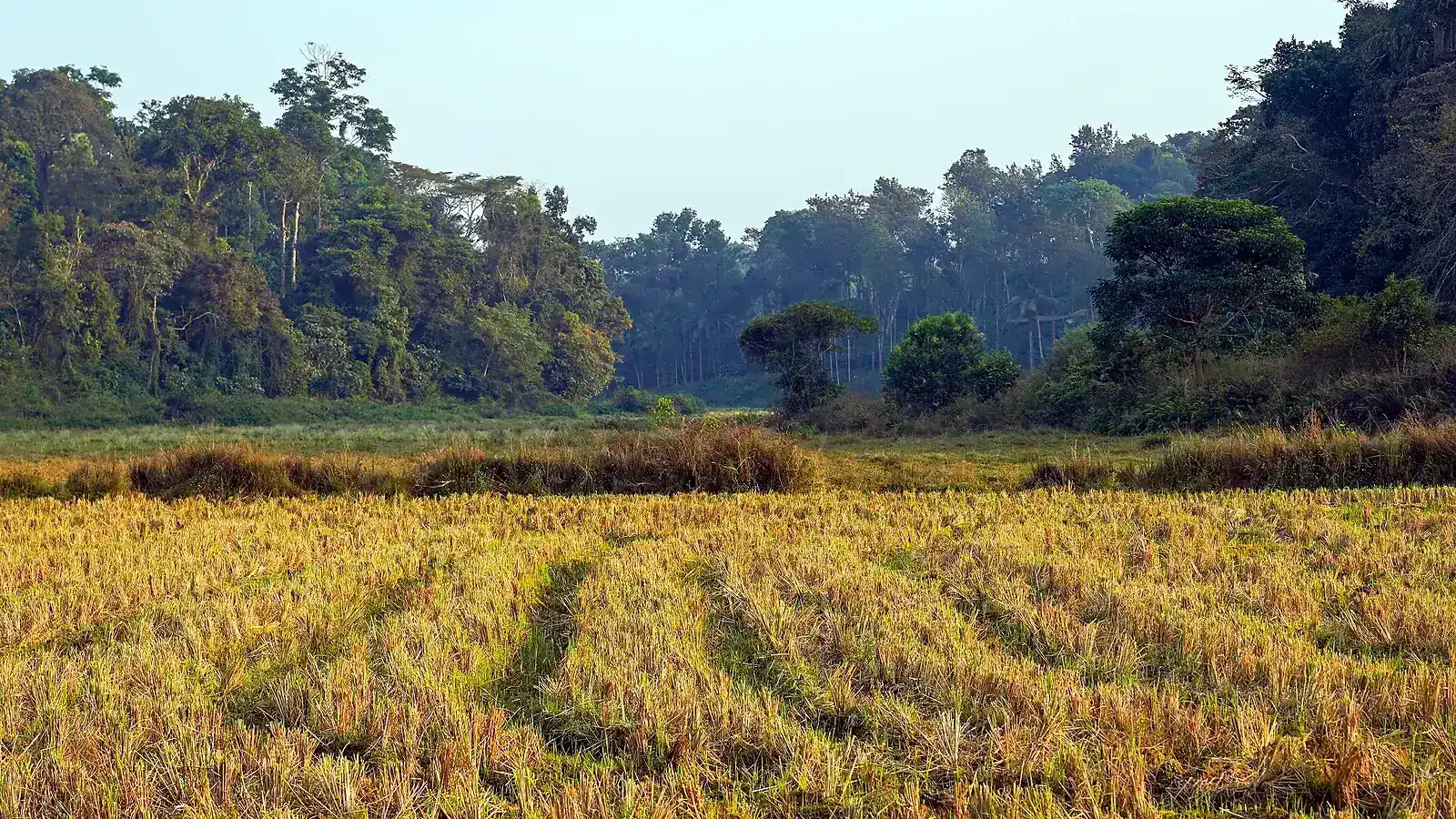
Coorg is at its best when you slow down, and a good plan makes that easy: a well-chosen estate stay, a driver who knows the roads, and an itinerary that leaves room for plantation walks and long coffee breaks. Our Coorg Coffee Estate & Waterfalls Retreat takes care of all of it, and we can add a Kabini jungle safari for a longer trip.
Looking for more weekend ideas? Read our Chikmagalur guide for another coffee-country escape, or browse all our weekend getaways.
Frequently asked questions about Coorg
How many days are enough for Coorg?
Two to three days are ideal for a relaxed trip covering Madikeri, Abbey Falls, Raja's Seat, Talakaveri, Bylakuppe and a plantation walk. Add a day or two for Nagarhole, Iruppu Falls or a Kabini safari.
What is the best time to visit Coorg?
October to March is the most pleasant time. March and April bring the fragrant coffee blossom. The monsoon, from June to September, is lush and romantic but very wet.
How far is Coorg from Bangalore?
Madikeri is about 250 to 270 kilometres from Bangalore, a drive of around five to six hours via Mysuru and Kushalnagar.
Is Coorg good for vegetarians?
Yes. While Kodava cuisine is famous for pork curry, there are many vegetarian dishes such as bamboo shoot curry, mushroom curry, jackfruit curry and akki roti. Homestays prepare vegetarian meals on request.
What is special about staying at a Coorg homestay?
Homestays let you live on a working coffee plantation with a local Kodava family, enjoy home-cooked regional food and take guided plantation walks. It is the most authentic way to experience Coorg.
Can we combine Coorg with Kabini?
Yes. Kabini is about three to four hours from Madikeri. A five-day trip can include three days in Coorg and two in Kabini for safaris in Nagarhole National Park.