📌 In this guide20 sections
- When is the Hornbill Festival?
- Inner Line Permit (ILP)
- How to reach Kohima
- What happens at the festival
- A 5-day Nagaland festival itinerary
- The Naga tribes
- The Konyaks and the Mon district
- Tips for photographers
- Beyond the festival: more of Nagaland
- Christmas in Nagaland
- Naga food
- Where to stay
- Getting around
- How much does the trip cost?
- Etiquette and respectful travel
- What to pack
- Who the festival suits
- Mistakes to avoid
- Plan your Hornbill Festival trip with The Vacation Code
- Frequently asked questions
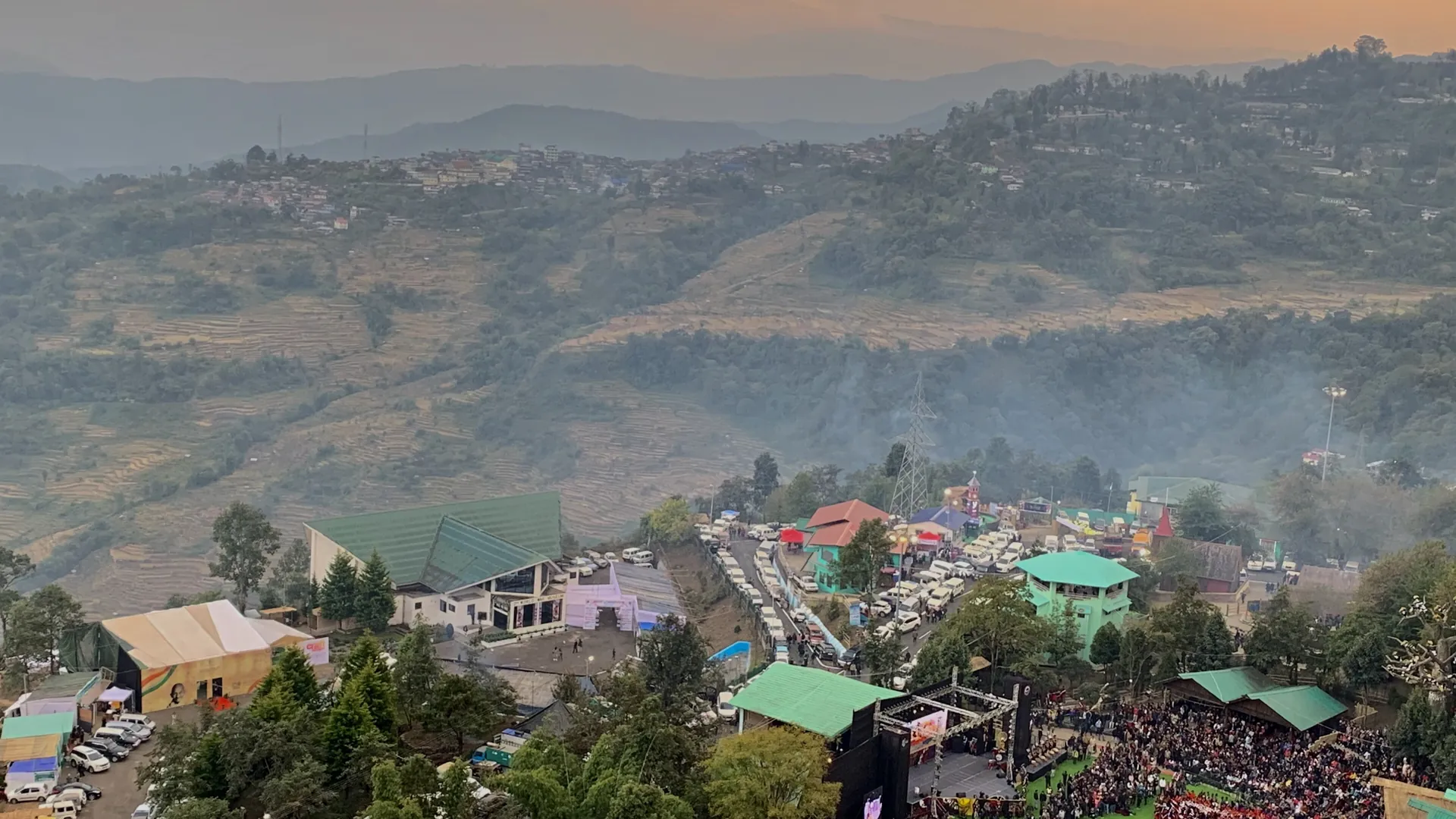
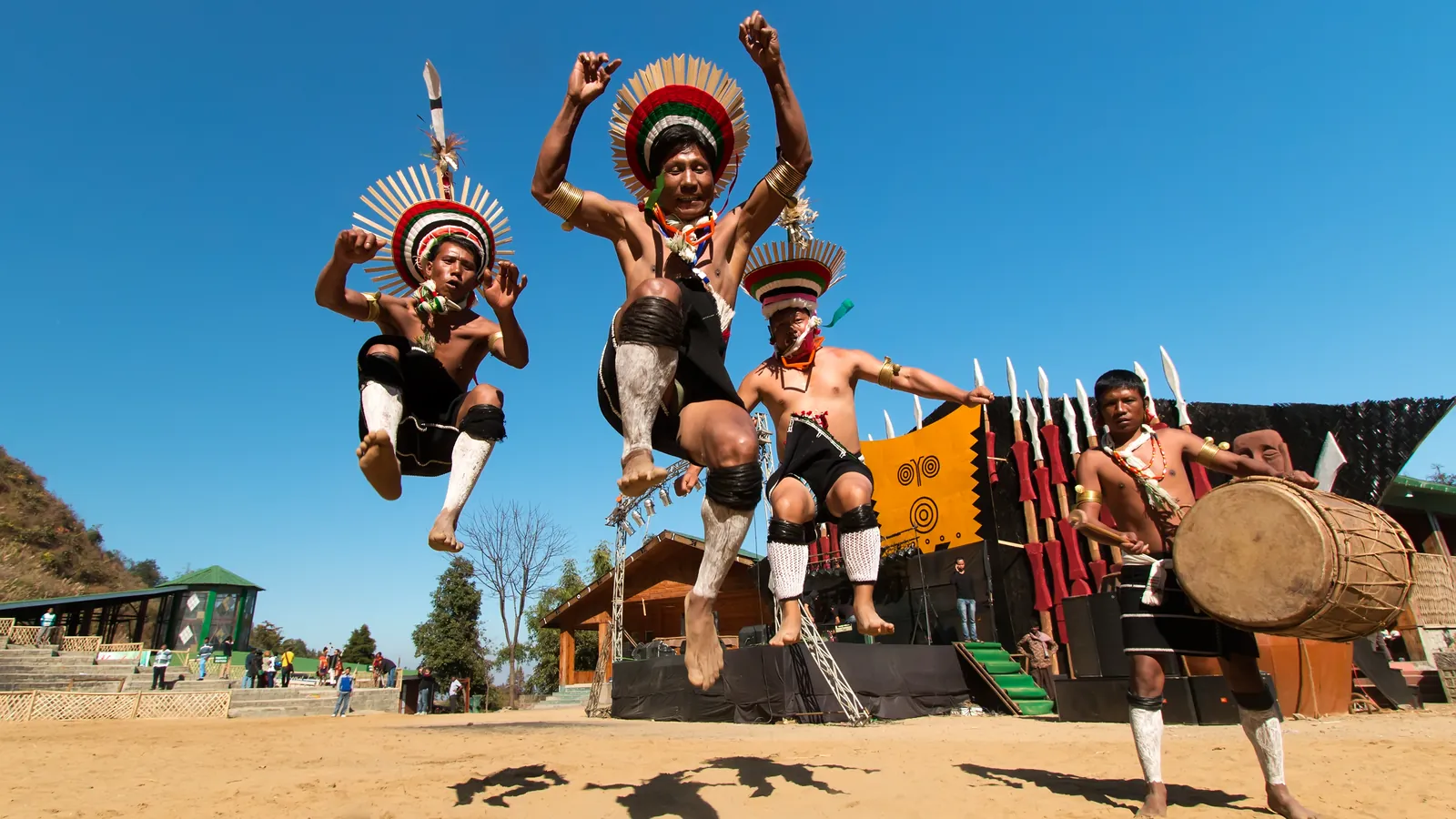
The Hornbill Festival hits you with sound before you see it. As you climb the path into the Naga Heritage Village at Kisama, the thunder of log drums rolls across the hills, followed by a rising war cry. Then you reach the arena, and a line of Naga warriors in feathered headdresses, beads and hornbill plumes bursts onto the ground, stamping, leaping and chanting in perfect rhythm, spears flashing in the sun. Around the arena, smoke drifts from bamboo huts where tribes cook their traditional food, and elders in shawls woven with ancient patterns watch proudly. For ten days every December, this is the beating heart of Nagaland.
Nagaland, in India's far northeast bordering Myanmar, is home to many distinct Naga tribes, each with its own language, dress, songs and festivals. The Hornbill Festival, named after the great hornbill, a bird revered in Naga folklore, was started by the state government in 2000 to bring all the tribes together in one celebration and to showcase their culture to the world. It has become one of India's most spectacular cultural festivals, known as the "Festival of Festivals".
This Hornbill Festival guide covers dates, the Inner Line Permit, how to get there, a 5-day itinerary including Kohima, Khonoma and Dzukou Valley, food, stays, costs and etiquette.
When is the Hornbill Festival?
The Hornbill Festival is held every year from 1 to 10 December at the Naga Heritage Village in Kisama, about 12 kilometres from Kohima, the state capital. 1 December is also Nagaland's Statehood Day. Programmes run through the day, with morning ceremonies, cultural performances in the main arena, and evening events in Kohima, including the Hornbill International Rock Contest and the night bazaar.
Inner Line Permit (ILP)
Indian citizens from outside Nagaland need an Inner Line Permit to enter the state. Apply online through the official Nagaland ILP portal before travel, with ID and a photograph. Foreign nationals need to register with the police on arrival. Carry printed copies of your permit and ID.
How to reach Kohima
- By air: the nearest airport is Dimapur, with flights from Kolkata, Guwahati, Delhi and other cities. Kohima is about 70 to 75 kilometres, roughly three hours, by road.
- By train: Dimapur railway station connects with Guwahati, Kolkata and Delhi.
- By road: shared taxis and buses run from Dimapur and Guwahati to Kohima.
- During the festival: shared taxis and buses run between Kohima and Kisama.
What happens at the festival
- Morungs: each tribe builds a traditional morung, or youth dormitory, at the heritage village, showcasing its architecture, crafts and food.
- Cultural performances: war dances, folk songs, harvest dances and traditional games by each tribe in the main arena.
- Traditional sports: wrestling, archery, pig chasing and greased bamboo pole climbing.
- Food stalls: traditional Naga cuisine from each tribe.
- Craft bazaar: handwoven shawls, bamboo and cane crafts, wood carvings and jewellery.
- Naga king chilli eating contest: contestants race to eat the fiery bhut jolokia, one of the hottest chillies in the world.
- Hornbill Music Festival and rock contest: Nagaland's thriving music scene on show in the evenings.
A 5-day Nagaland festival itinerary
Day 1: Dimapur to Kohima
Fly to Dimapur and drive up to Kohima through forested hills. In the evening, stroll through the town and the Hornbill night bazaar, with food stalls, music and shopping.
Day 2: A day at Kisama
Spend a full day at Kisama. Arrive in the morning for the opening ceremonies and performances, then explore each tribe's morung, taste traditional food, watch traditional games and browse the crafts. Return to Kohima for evening concerts.
Day 3: Kohima War Cemetery and Khonoma
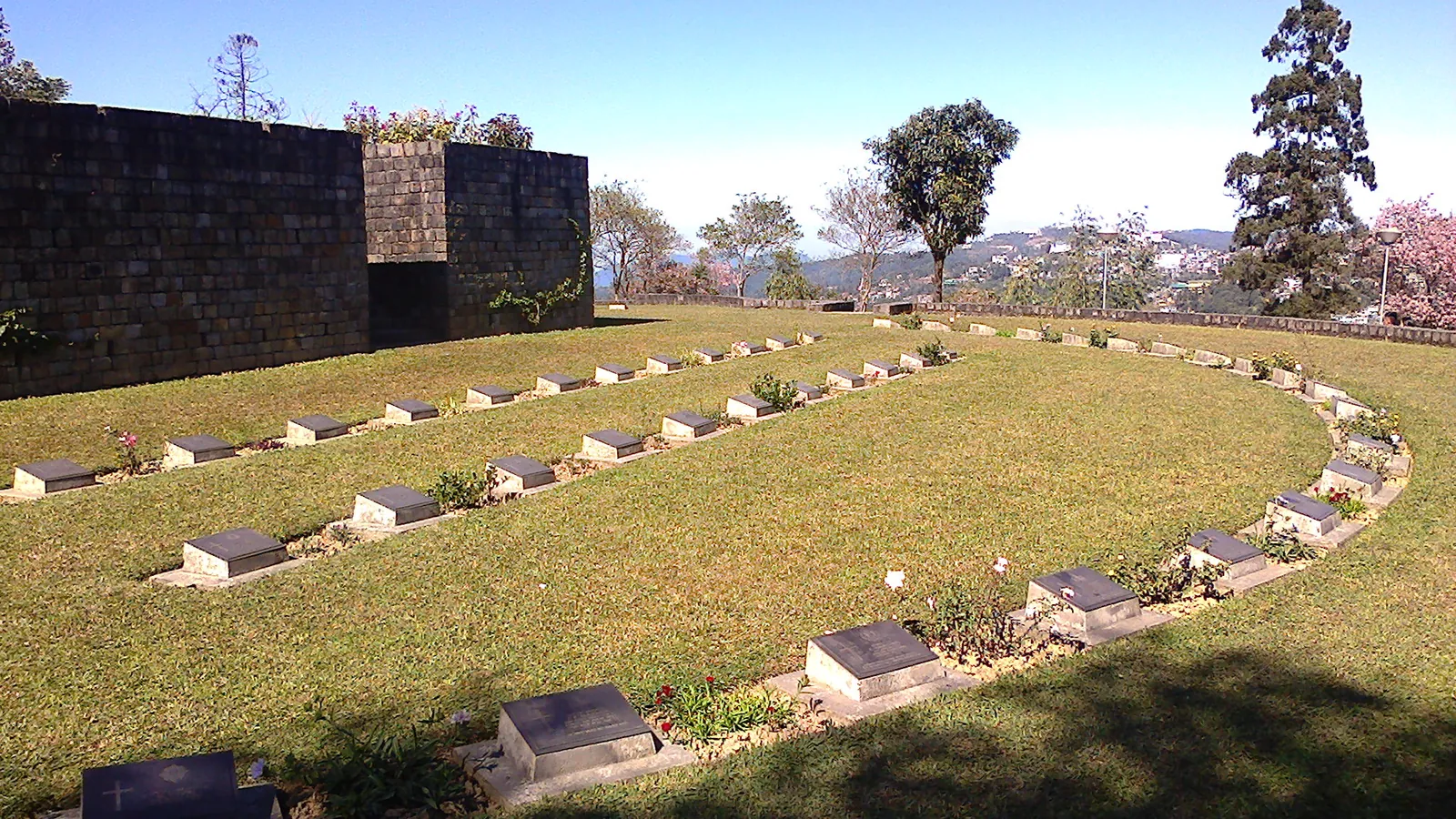
Visit the Kohima War Cemetery, a beautifully maintained memorial to soldiers who fell in the Battle of Kohima in 1944, when Allied forces halted the Japanese advance into India. The cemetery is built on the site of the famous tennis court battle, and its epitaph, "When you go home, tell them of us and say, for your tomorrow, we gave our today", is deeply moving.
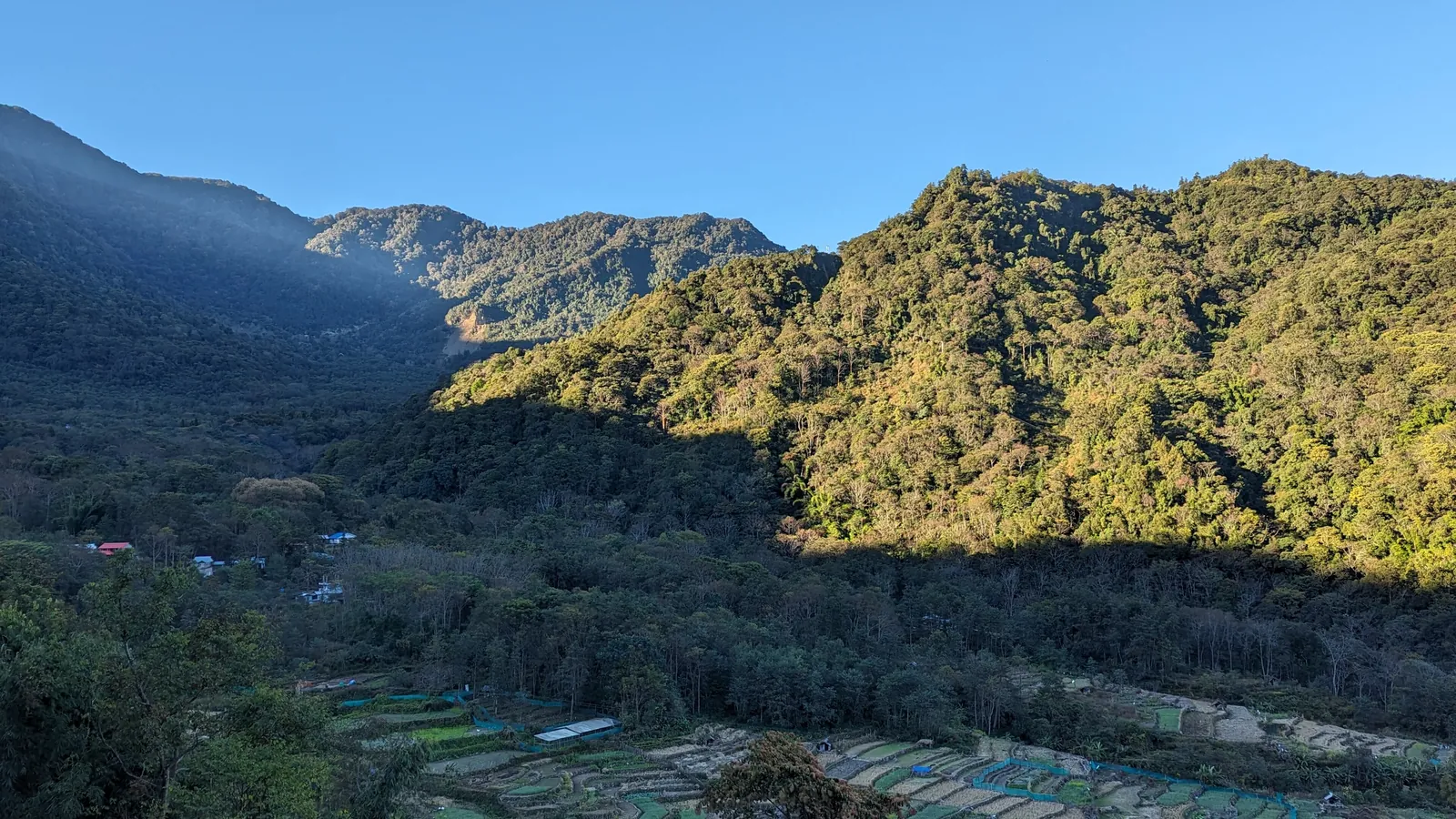
Then drive to Khonoma, a historic Angami village often called India's first green village, known for its conservation efforts, terraced fields and stone houses.
Day 4: Dzukou Valley
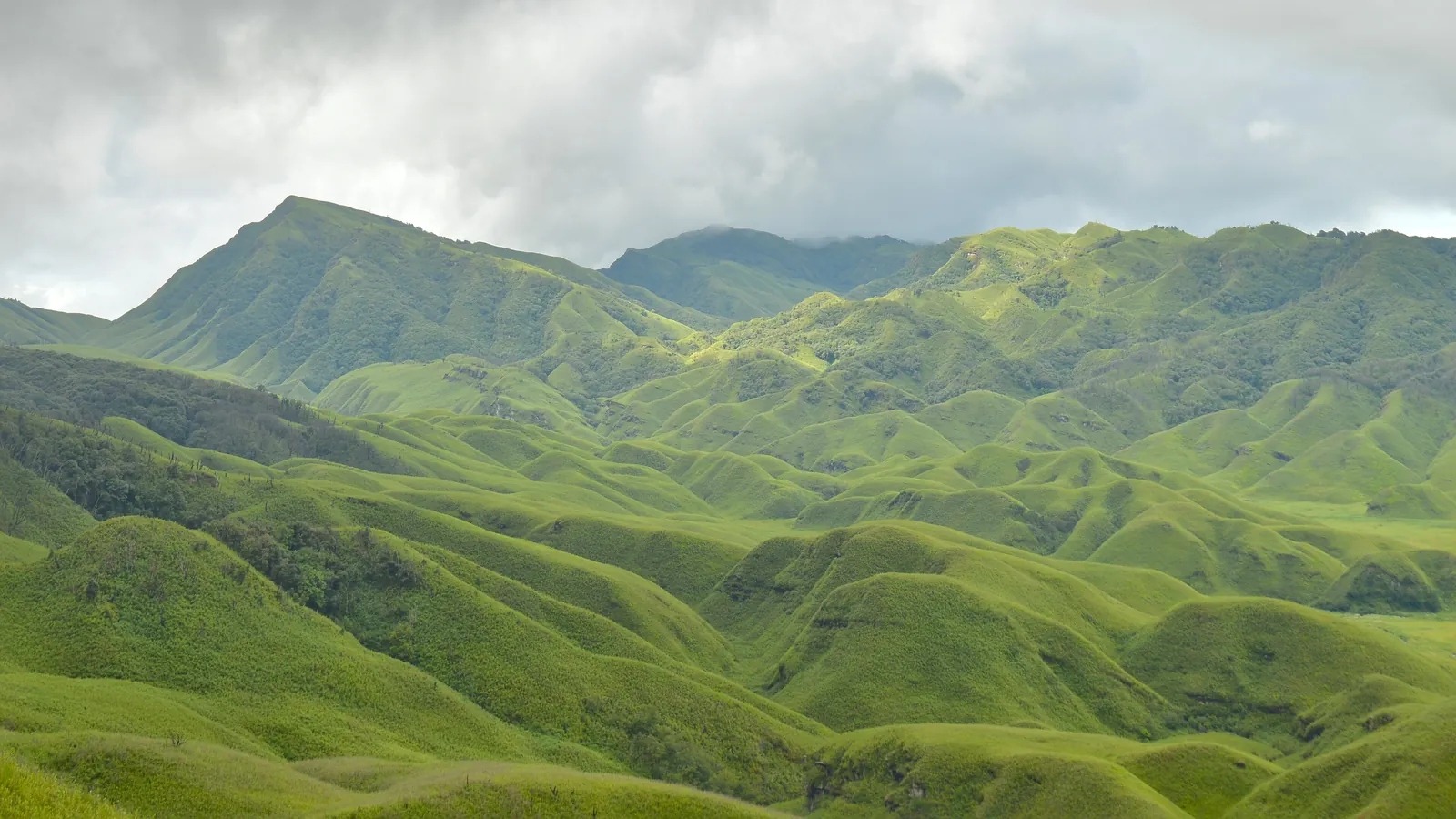
Trek to Dzukou Valley, on the border of Nagaland and Manipur, a stunning valley of rolling green hills, streams and bamboo-covered slopes at around 2,400 metres. The trek from Viswema or Zakhama takes about three to four hours up. In summer, the valley blooms with the rare Dzukou lily; in December, it is golden and misty. Stay overnight in the basic rest house or camp, or return to Kohima the same day.
Day 5: Festival and departure
Return to Kisama for another day of performances, or visit the Kohima Cathedral and local markets, before driving back to Dimapur for your flight.
The Naga tribes
Nagaland is home to more than a dozen major Naga tribes, including the Angami, Ao, Chakhesang, Chang, Khiamniungan, Konyak, Lotha, Phom, Pochury, Rengma, Sangtam, Sumi, Yimkhiung and Zeliang, as well as other communities. Each has its own language, customs, festivals, textiles and patterns of shawls, which traditionally signal status and achievements. At the festival, each tribe's morung reflects its distinctive architecture, from the carved house fronts of the Angami to the log drums of the Konyak.
The Konyaks and the Mon district
In Mon district in northern Nagaland, the Konyak tribe was once famous for headhunting, a practice abandoned decades ago. Some elderly Konyak men still bear facial tattoos that marked warriors, and villages such as Longwa straddle the international border, with the chief's house said to lie partly in India and partly in Myanmar. Visiting Mon requires more time and planning, but offers a fascinating glimpse into Naga history.
Tips for photographers
- Arrive early for the opening ceremony and good positions around the arena.
- Carry a telephoto lens for performances and a wide lens for the morungs.
- Always ask permission before close-up portraits, especially of elders.
- Respect roped-off areas and do not step into the performance space.
Beyond the festival: more of Nagaland
If you have extra days, head north to Mokokchung, the cultural heart of the Ao tribe, with villages such as Longkhum and Ungma, or further to Mon to meet the Konyaks. Closer to Kohima, Touphema tourist village offers traditional huts and cultural evenings, and Pfutsero, one of the highest towns in Nagaland, has sweeping views and a cold climate. Dimapur's Kachari ruins, a group of mysterious mushroom-shaped stone pillars, are worth a stop on the way to the airport.
Christmas in Nagaland
Nagaland is predominantly Christian, and Christmas is the biggest celebration of the year. Many visitors extend their Hornbill trip into late December to see villages and churches decorated with lights and stars, hear carol singing in the hills and join community feasts. It is a warm, joyful time to visit, though transport and accommodation are busy as families return home for the holidays.
Getting the most from the festival: pick up the daily programme at the entrance, as performances and competitions change each day. Mornings are usually quieter, while afternoons and the final weekend are the busiest. Wear layers, carry water, and set aside time to sit in a morung and chat with the tribe members, who are usually happy to explain their traditions to curious visitors.
Carry cash in small notes, as many food and craft stalls at the heritage village do not accept cards, and mobile networks can be congested on busy festival days, making digital payments unreliable.
Naga food
Naga cuisine is smoky, spicy and full of flavour, known for smoked meats, bamboo shoots, fermented soybean (axone) and the fiery king chilli. Much of it is meat-based, especially pork. Vegetarians can find rice, dal, boiled vegetables, stir-fried greens and bamboo shoot dishes, and Kohima has restaurants serving North Indian and Chinese food. Carry some snacks from home if you have dietary restrictions. Try the local black sticky rice, rice cakes and local tea.
Where to stay
- Kohima hotels: fill up quickly during the festival; book several months ahead.
- Homestays: Kohima, Kisama and nearby villages such as Kigwema and Khonoma offer homestays, a wonderful way to experience Naga hospitality.
- Camps: festival campsites with tents are set up near Kisama.
Getting around
- Taxis: hire a taxi for the duration of your stay, or use shared taxis between Kohima and Kisama.
- Traffic: expect traffic jams around Kisama during festival days; start early.
How much does the trip cost?
- Flights to Dimapur: ₹5,000 to ₹15,000 each way; book early for December.
- Hotels and homestays: ₹2,000 to ₹6,000 per night; prices rise during the festival.
- Taxi: ₹3,000 to ₹5,000 per day.
- Festival entry: modest entry fees for the heritage village.
- Food: ₹600 to ₹1,500 per person per day.
A 5-day festival trip typically costs ₹25,000 to ₹45,000 per person, including flights, stays, transport and food.
Etiquette and respectful travel
- Ask before photographing performers and villagers, especially elders.
- Respect cultural sites and follow instructions at the heritage village.
- Dress warmly and modestly.
- Nagaland has restrictions on the sale of alcohol; respect local laws.
- Support local artisans by buying directly from craftspeople.
What to pack
- Warm layers: December days are pleasant, but mornings and nights are cold.
- Comfortable walking shoes for the heritage village and treks.
- A light rain jacket.
- Printed ILP and ID copies.
- Cash; ATMs can run out during the festival.
Who the festival suits
Culture lovers and photographers find it unmissable. Music fans enjoy the rock contest and concerts. Adventurous travellers combine it with Dzukou Valley. Families with older children will be fascinated by the costumes, dances and games.
Mistakes to avoid
Forgetting the ILP. You will not be allowed to enter Nagaland without it.
Booking accommodation late. Kohima fills up months before the festival.
Visiting only for a day. Each day has different programmes; stay at least two days.
Underestimating the cold. Hilltop nights in December are chilly.
Plan your Hornbill Festival trip with The Vacation Code
The Hornbill Festival is a window into one of India's most fascinating cultures. Our team can arrange permits guidance, stays and transport. Combine it with our Meghalaya trip itinerary or our Tawang trip guide, read about places to visit in December in India, explore our Kabini wildlife weekend, or browse all our tours.
Frequently asked questions
When is the Hornbill Festival held?
The Hornbill Festival is held every year from 1 to 10 December at the Naga Heritage Village in Kisama, about 12 kilometres from Kohima.
Do I need a permit for the Hornbill Festival?
Yes. Indian citizens from outside Nagaland need an Inner Line Permit, which can be applied for online. Foreign nationals must register with the police.
How do I reach the Hornbill Festival?
Fly or take a train to Dimapur, then travel about three hours by road to Kohima. Shared taxis and buses run between Kohima and Kisama during the festival.
Why is it called the Hornbill Festival?
It is named after the great hornbill, a bird revered in Naga folklore and culture, whose feathers traditionally feature in ceremonial headdresses.
Is vegetarian food available at the Hornbill Festival?
Naga cuisine is largely meat-based, but vegetarians can find rice, vegetables and bamboo shoot dishes, and Kohima has restaurants serving North Indian and Chinese food.
How much does a Hornbill Festival trip cost?
A 5-day trip typically costs 25,000 to 45,000 rupees per person including flights, stays, transport and food.
What else can I see near Kohima?
Near Kohima you can visit the Kohima War Cemetery, the green village of Khonoma, and trek to Dzukou Valley on the Nagaland-Manipur border.