📌 In this guide18 sections
- When is Rann Utsav?
- Tent city and packages
- Permits for the White Rann
- How to reach Kutch
- A 4-day Kutch and Rann Utsav itinerary
- Wildlife of Kutch
- Kutch's resilience
- Stargazing in the Rann
- Rann Utsav with children
- Kutchi food
- Shopping for Kutch crafts
- How much does a Rann Utsav trip cost?
- Full moon planning tips
- What to pack
- Who Rann Utsav suits
- Mistakes to avoid
- Plan your Rann Utsav trip with The Vacation Code
- Frequently asked questions
Rann Utsav is the moment the desert turns into a dream. You walk out onto the White Rann at dusk, the salt crust crunching like frost under your feet, until the tents and lights fall away behind you and there is nothing but white in every direction. Then the full moon rises, huge and orange, over the horizon, and slowly the whole desert begins to glow silver-blue. Somewhere behind you, folk musicians start to play, a camel cart jingles past, and hundreds of people stand in silence, faces lit by moonlight. It is one of the most magical experiences India has to offer.
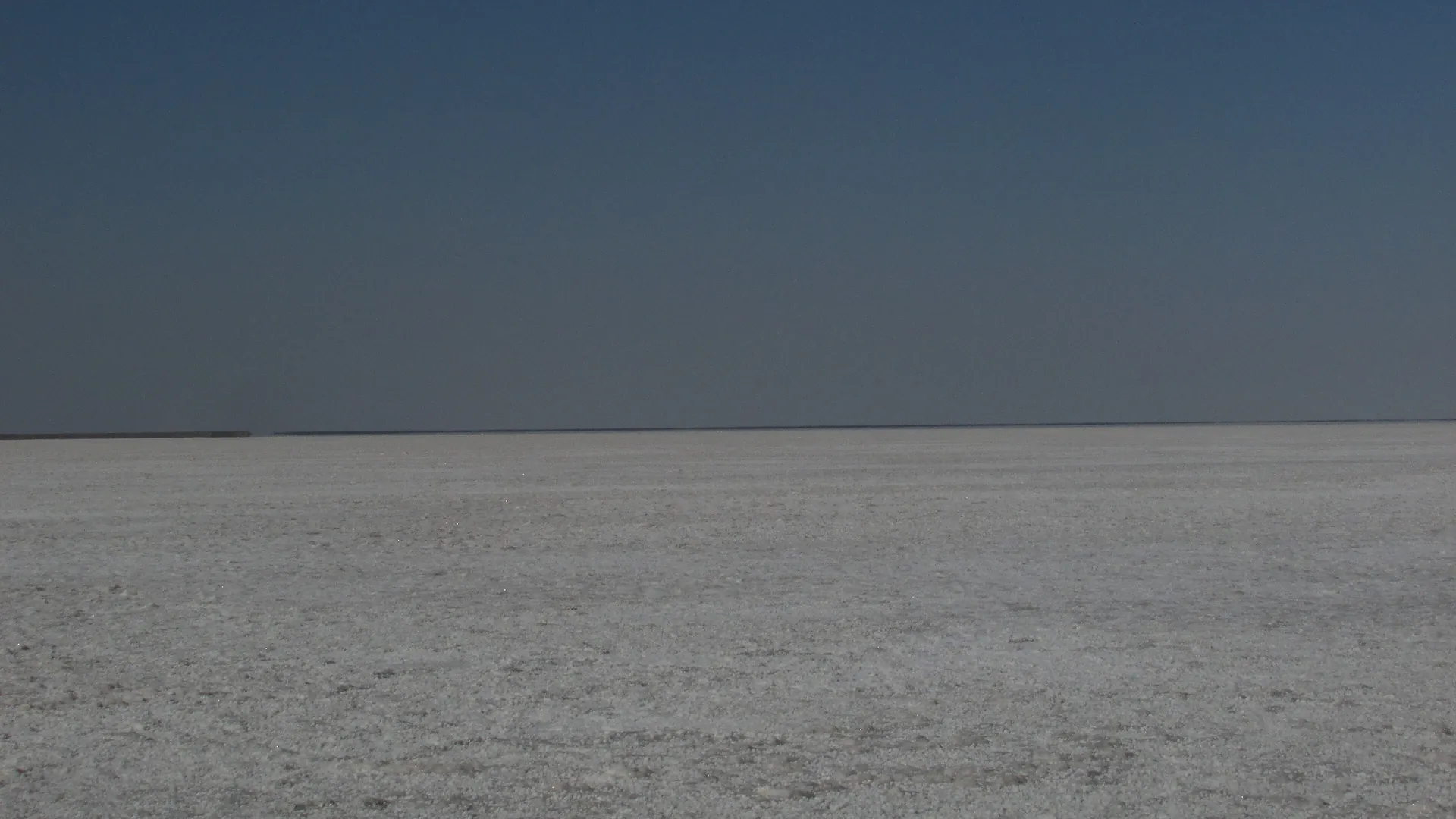
The Great Rann of Kutch in Gujarat is one of the largest salt deserts in the world, a vast seasonal marsh that floods during the monsoon and dries into a dazzling white salt plain in winter. Every year, the Gujarat government and private partners organise Rann Utsav, a festival centred on a tent city at the village of Dhordo, with cultural performances, craft markets, adventure activities and full moon celebrations. Combined with Kutch's remarkable craft villages, the Harappan city of Dholavira and the royal heritage of Bhuj, it makes an unforgettable winter holiday.
This Rann Utsav guide covers dates and tent city packages, permits, when to go, a 4-day Kutch itinerary, craft villages, food, costs and tips.
When is Rann Utsav?
Rann Utsav is usually held from around November to February, when the salt desert is dry and firm and the weather is pleasant. Exact dates are announced each year by Gujarat Tourism and the tent city operators, so check the official website before planning. The most popular dates are around full moon nights, when the White Rann glows under the moonlight, as well as Christmas, New Year and long weekends.
Tent city and packages
- Tent city at Dhordo: hundreds of tents in categories from non-AC and deluxe to premium and royal suites, with attached bathrooms, heating, meals and cultural programmes included in packages.
- Packages: usually one to three nights, including stay, all meals, local sightseeing tours to the White Rann, Kala Dungar and nearby villages, and evening performances.
- Booking: book through the official Rann Utsav website or authorised partners, well in advance for full moon and holiday dates.
- Alternatives: village resorts and bhunga (traditional round mud hut) stays at Hodka, Dhordo and nearby villages, and hotels in Bhuj.
Permits for the White Rann
Visitors need a permit to enter the White Rann area, as it lies near the international border. Permits are usually issued online or at the checkpoint near Bhirandiyara on the way to Dhordo, with ID proof. Tent city packages typically handle permits for guests. Carry original ID for every traveller.
How to reach Kutch
- By air: Bhuj airport has flights from Mumbai and other cities. Ahmedabad has many more connections and is about six to seven hours by road.
- By train: Bhuj is connected by train with Mumbai, Ahmedabad and other cities.
- By road: Dhordo is about 80 to 90 kilometres, or 1.5 to 2 hours, north of Bhuj.
A 4-day Kutch and Rann Utsav itinerary
Day 1: Bhuj
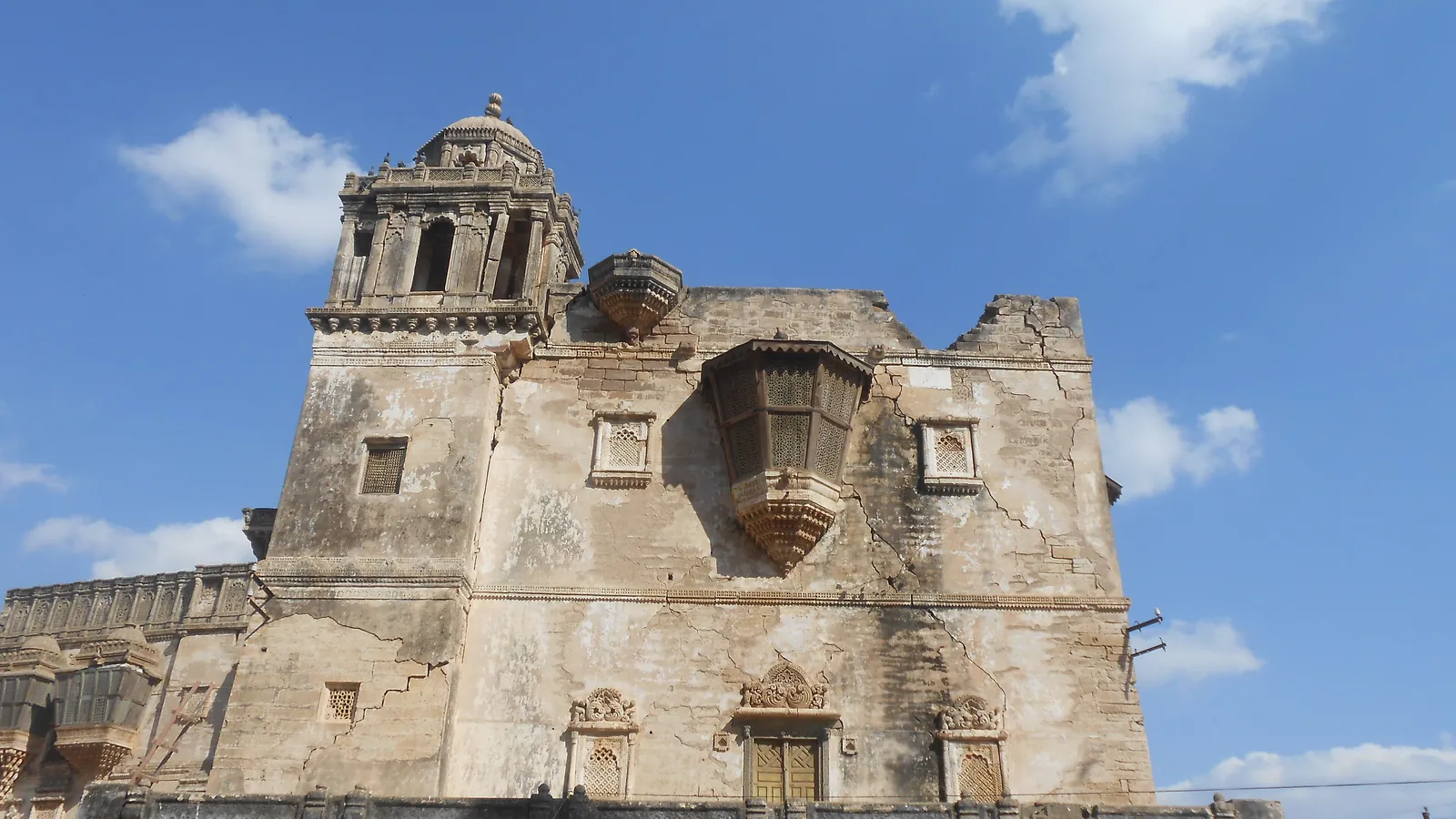
Arrive in Bhuj, the historic capital of Kutch. Visit the Aina Mahal, an 18th-century palace decorated with mirrors, Venetian glass and a hall of mirrors, and the Italian Gothic-style Prag Mahal with its clock tower. Visit Smritivan, a moving memorial and museum dedicated to those who lost their lives in the 2001 Gujarat earthquake, which devastated Bhuj, and the Kutch Museum, one of the oldest museums in Gujarat.
Day 2: Craft villages and the White Rann
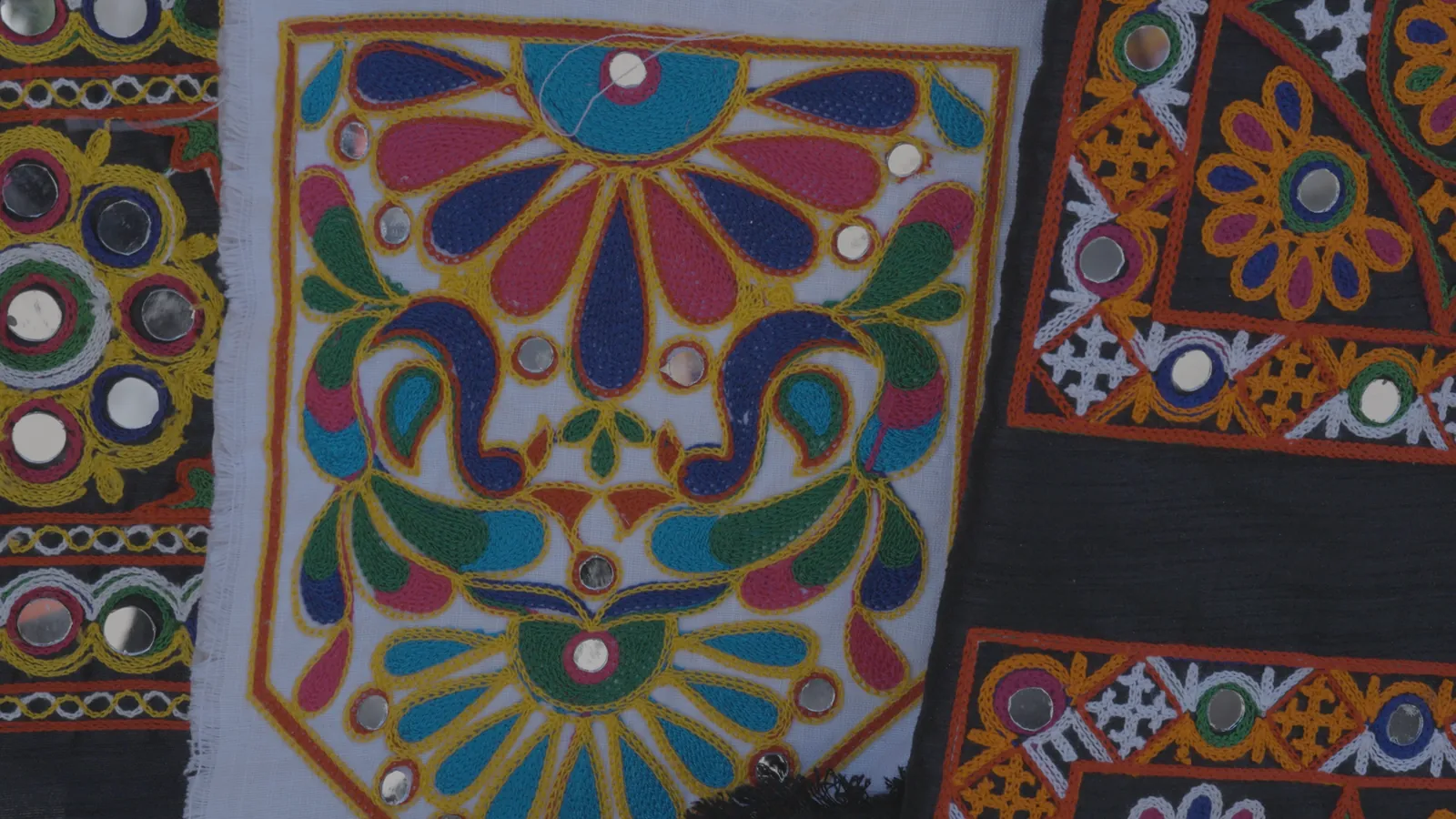
Drive north through the Banni grasslands, visiting craft villages along the way. In Bhujodi, weavers make shawls and rugs on handlooms. In Nirona, a single family keeps alive the rare art of Rogan painting, drawing intricate patterns on fabric with a thick castor-oil paste. In Hodka and Dhordo, women create vivid mirror embroidery and leather work.
Check into the tent city and, in the evening, head to the White Rann for sunset, when the salt turns pink and gold. Enjoy a cultural programme and dinner, and return to the Rann after moonrise if it is a full moon night.
Day 3: Kala Dungar and festival activities
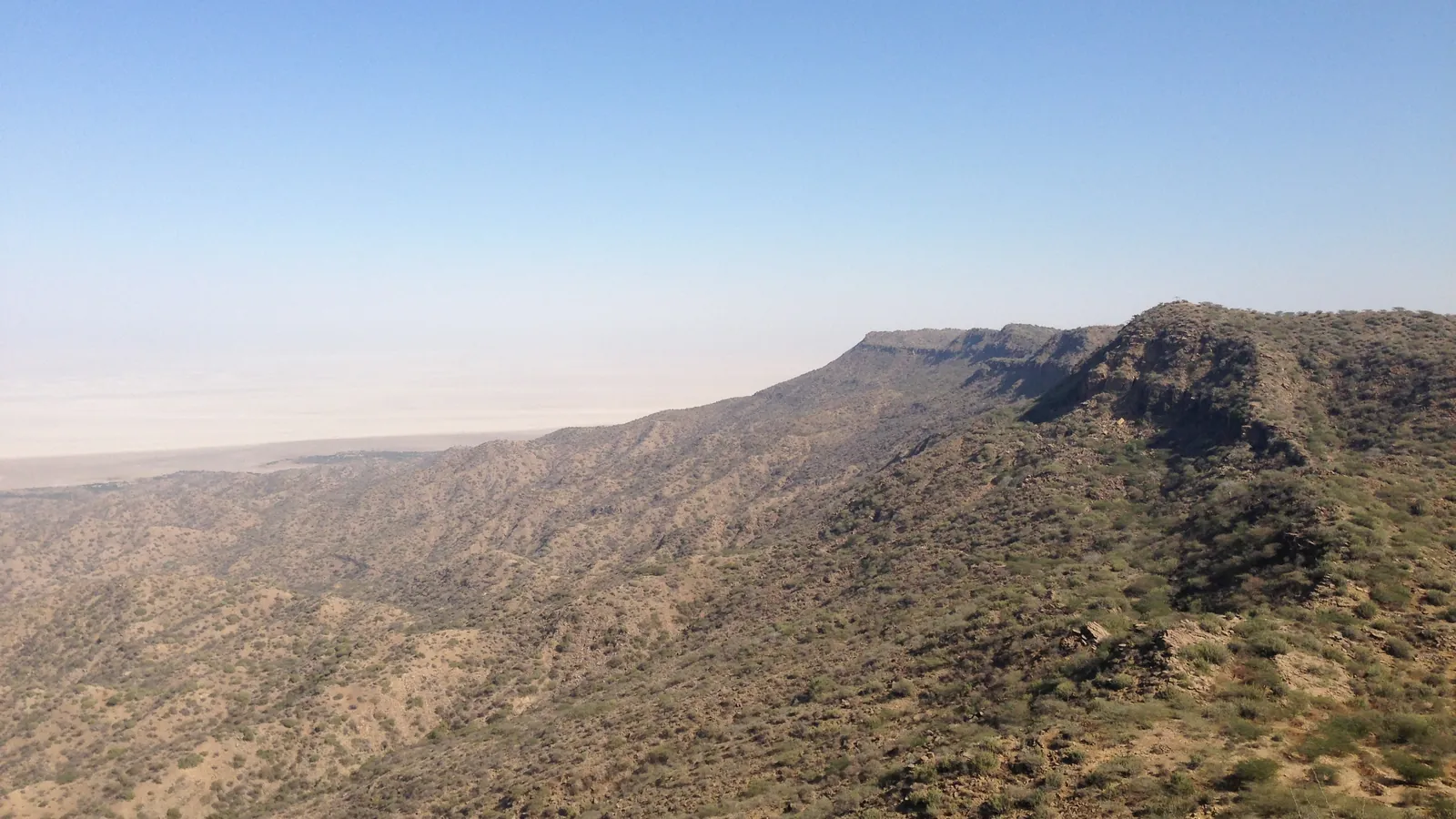
Drive to Kala Dungar, the Black Hill and the highest point in Kutch, for panoramic views over the white desert stretching towards the border. Legend says jackals gather at the temple of Dattatreya on the hill to be fed prasad. Back at the tent city, enjoy festival activities such as camel cart rides, ATV rides, paramotoring, archery, a spa and shopping at the craft market.
Day 4: Dholavira or Mandvi
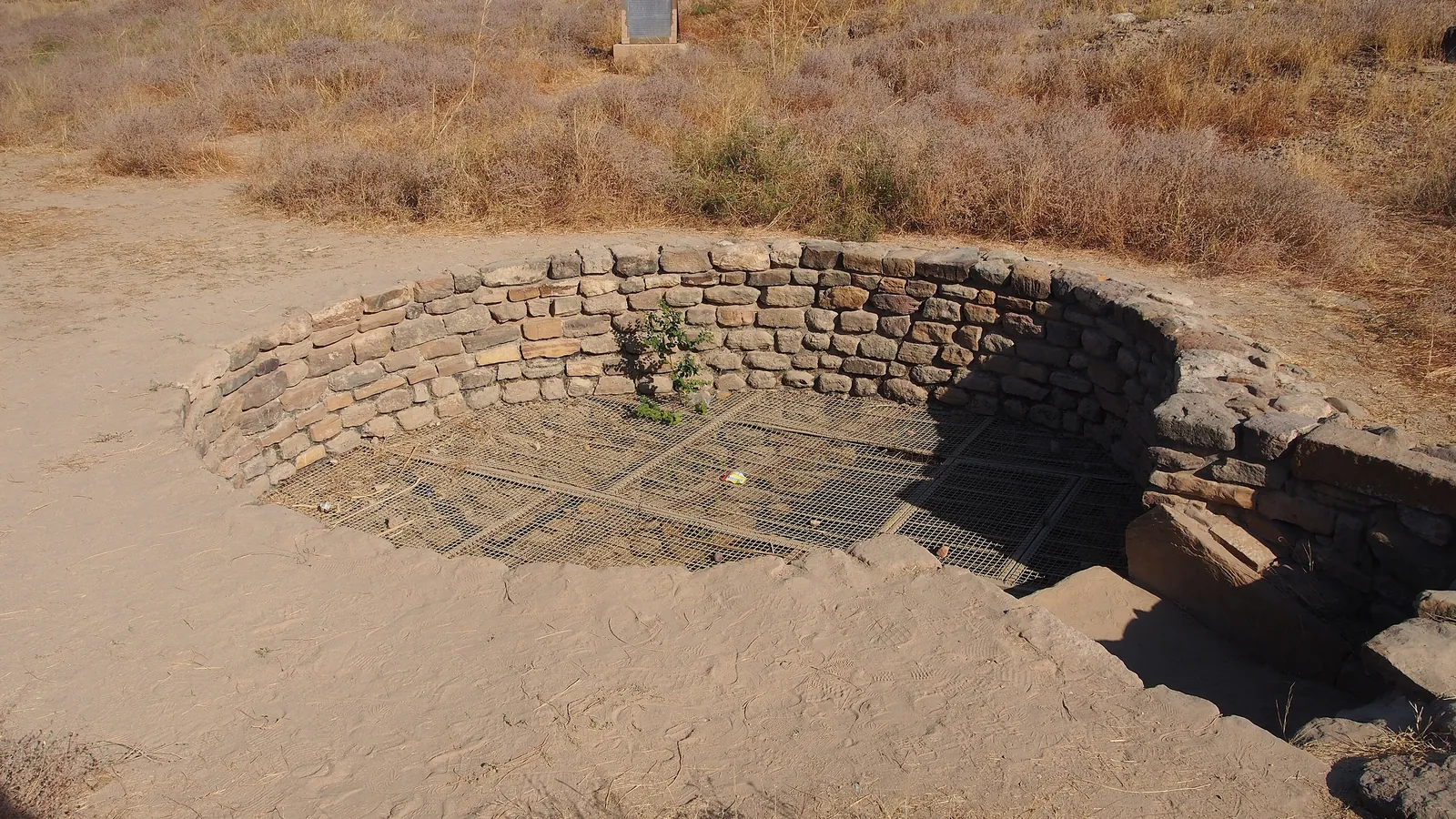
Travel to Dholavira, one of the largest and best-preserved cities of the Harappan civilisation, about 4,500 years old, and a UNESCO World Heritage Site since 2021. See its sophisticated water reservoirs, stepwells and city layout, and the museum. The drive along the "Road to Heaven", a straight road cutting across the salt flats, is spectacular. Alternatively, head south to Mandvi, a coastal town with a quiet beach, the Vijay Vilas Palace and centuries-old shipyards where wooden dhows are still built by hand.
Wildlife of Kutch
Kutch is surprisingly rich in wildlife. In winter, the salt flats of the Great Rann host huge breeding colonies of greater flamingos, and the area has been called "Flamingo City". The Little Rann of Kutch, a few hours east, is home to the Wild Ass Sanctuary, the last refuge of the Indian wild ass, or khur, which you can see on jeep safaris along with desert foxes, blackbucks and migratory birds. The Banni grasslands and Chhari Dhand wetland are paradise for birdwatchers.
Kutch's resilience
On 26 January 2001, a powerful earthquake devastated Kutch, killing thousands and destroying much of Bhuj and many villages. The region's recovery since then has been remarkable, with rebuilt towns, new infrastructure and a thriving craft and tourism economy. The Smritivan memorial in Bhuj tells this story movingly, and many of the villages you visit have rebuilt their traditional bhunga homes, whose round shape helped them survive the quake.
Stargazing in the Rann
On moonless nights, the Great Rann is one of the darkest places in western India. Far from city lights, the Milky Way stretches across the sky above the salt, and shooting stars are common. Some tent city packages and local operators offer stargazing sessions with telescopes.
Rann Utsav with children
The tent city is very family-friendly, with camel cart rides, adventure activities, cultural shows, a children's play area and craft workshops. Children love the vast white salt and full moon evenings. Pack warm clothes for the cold nights, sunglasses and sunscreen for the glare, and plan rest time in the afternoon between excursions.
Great Rann or Little Rann? The Great Rann is the famous white salt desert near Dhordo, best for the tent city and full moon nights. The Little Rann, closer to Ahmedabad, is a greyer salt marsh known for wildlife, especially the wild ass, and for the salt pans where agariya families harvest salt by hand. Many travellers visit both on a week-long Gujarat trip.
Carry binoculars if you enjoy birds, as the wetlands of Kutch attract cranes, pelicans and raptors in winter.
Kutchi food
Kutch's cuisine is simple, vegetarian and delicious. Try dabeli, the famous spicy potato burger that originated in Mandvi; bajra rotla with ghee and jaggery; Kutchi kadhi and khichdi; dhokla and thepla; and fresh chhaas (buttermilk). The tent city serves Gujarati and Kutchi thalis, and village stays offer home-cooked meals. For sweets, try Kutchi pak and Bhuj's mawa sweets from Bhirandiyara.
Shopping for Kutch crafts
- Embroidery and mirror work: from the Rabari, Ahir and Meghwal communities.
- Ajrakh block prints: from Ajrakhpur near Bhuj, using natural dyes.
- Bandhani tie-dye: vibrant fabrics made by tying tiny knots before dyeing.
- Rogan art: from Nirona; unique and precious.
- Leather work, pottery, bell metal and silver jewellery.
Buying directly from artisans or cooperatives ensures that more of your money goes to the craftspeople.
How much does a Rann Utsav trip cost?
- Flights or trains to Bhuj: ₹2,000 to ₹10,000 each way.
- Tent city packages: vary widely by tent category and date; premium tents on full moon nights cost the most. Expect roughly ₹8,000 to ₹25,000 or more per person per night including meals.
- Village resorts and bhungas: ₹3,000 to ₹8,000 per night.
- Car with driver: ₹3,000 to ₹4,500 per day.
- Activities: ATV rides, paramotoring and camel carts cost extra.
A 4-day Kutch trip with one or two nights at the tent city typically costs ₹25,000 to ₹60,000 per person, depending on tent category and dates.
Full moon planning tips
- Check the full moon calendar for November to February and book those dates early.
- Spend at least one evening and the moonrise out on the Rann, away from the tent lights.
- The days just before and after the full moon are also beautiful and less crowded.
- On new moon nights, the Rann is one of the best places in India for stargazing.
What to pack
- Light layers for warm days and a warm jacket for cold desert nights.
- Sunglasses and sunscreen; the white salt reflects sunlight intensely.
- Comfortable walking shoes that you do not mind getting salty.
- A scarf or cap for the wind and sun.
- Original ID for permits.
Who Rann Utsav suits
Families enjoy the tent city's activities, camel rides and cultural shows. Couples love full moon nights on the salt. Photographers come for the landscapes, stars and craft villages. Craft lovers find some of India's finest textiles.
Mistakes to avoid
Visiting before the salt has dried. Early in the season, parts of the Rann may still be wet.
Not booking full moon dates early. Tents sell out months ahead.
Skipping the craft villages. They are the heart of Kutch's culture.
Forgetting permits and ID. You cannot enter the White Rann without them.
Plan your Rann Utsav trip with The Vacation Code
Rann Utsav combines a surreal salt desert, moonlit nights and some of India's richest crafts. Our team can help with tent bookings, transport and a full Kutch itinerary. Read our list of unreal places in India and places to visit in December, explore our Jaipur heritage weekend, or browse all our tours.
Frequently asked questions
When is Rann Utsav held?
Rann Utsav is usually held from around November to February, when the salt desert is dry. Exact dates are announced each year by Gujarat Tourism.
Do I need a permit to visit the White Rann?
Yes. A permit is required to enter the White Rann area near the border, issued online or at the Bhirandiyara checkpoint with ID. Tent city packages usually arrange it.
What is the best time to see the White Rann?
The best time is between November and February, especially on full moon nights when the salt desert glows under the moonlight.
How far is the White Rann from Bhuj?
Dhordo and the White Rann are about 80 to 90 kilometres north of Bhuj, a drive of about 1.5 to 2 hours.
How much does the Rann Utsav tent city cost?
Costs vary by tent category and date, roughly 8,000 to 25,000 rupees or more per person per night including meals, with full moon dates and premium tents costing the most.
What is Dholavira?
Dholavira is one of the largest and best-preserved cities of the Harappan civilisation in Kutch, about 4,500 years old, and a UNESCO World Heritage Site since 2021.
What crafts is Kutch famous for?
Kutch is famous for mirror embroidery, Ajrakh block printing, bandhani tie-dye, Rogan painting from Nirona, weaving, leather work and pottery.