- Why Hampta Pass is special
- Best time for the Hampta Pass trek
- How difficult is Hampta Pass?
- Who is Hampta Pass right for?
- Getting to Manali
- The Hampta Pass route: day by day
- Day 1: Manali to Jobra, trek to Chika (about 2 km, 2 hours, 2,900 m to 3,100 m)
- Day 2: Chika to Balu ka Ghera (about 8 km, 5 to 6 hours, 3,100 m to 3,600 m)
- Day 3: Balu ka Ghera to Shea Goru via Hampta Pass (about 9 km, 8 to 9 hours, 3,600 m to 4,270 m to 3,900 m)
- Day 4: Shea Goru to Chatru, drive to Chandratal (about 7 km trek, 4 to 5 hours)
- Day 5: Chandratal to Manali
- Chandratal: the moon lake
- The landscapes, flowers and wildlife along the way
- A day on the trail
- Trekking Hampta Pass in the monsoon
- The Lahaul side: Chatru, Batal and beyond
- Photography tips for Hampta Pass
- River crossings: how to do them safely
- How to prepare physically
- What to pack for Hampta Pass
- Clothing
- Gear
- Safety on Hampta Pass
- Altitude
- Weather
- Choose a good operator
- What does the Hampta Pass trek cost?
- Food on the trek
- Manali before and after the trek
- Responsible trekking
- Mistakes to avoid
- Hampta Pass or another trek?
- Trek Hampta Pass with The Vacation Code
- Frequently asked questions about Hampta Pass
- Is Hampta Pass suitable for beginners?
- What is the best time for the Hampta Pass trek?
- How high is Hampta Pass?
- How long is the Hampta Pass trek?
- Is Chandratal included in the Hampta Pass trek?
- How do I reach the Hampta Pass trek starting point?
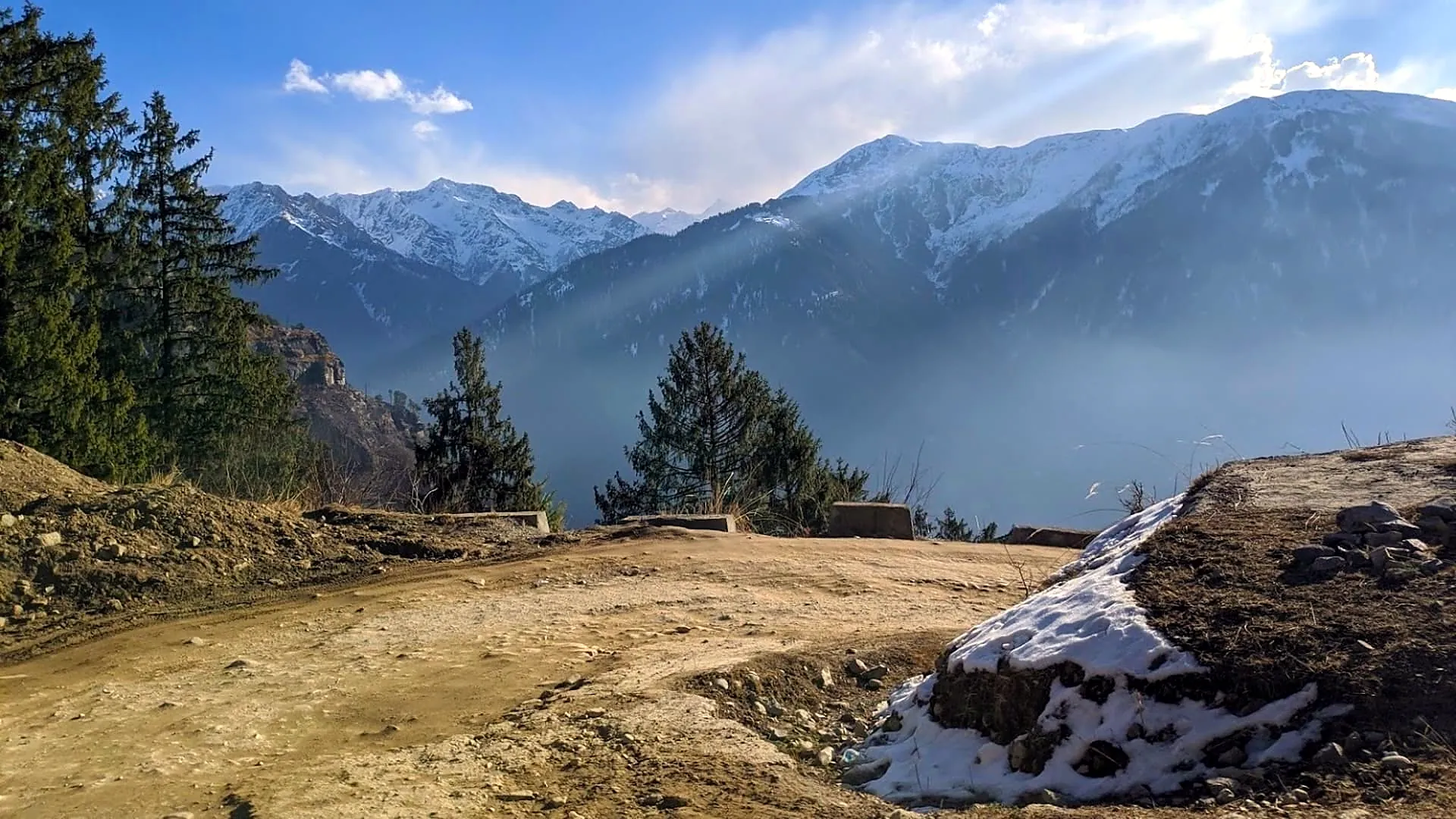
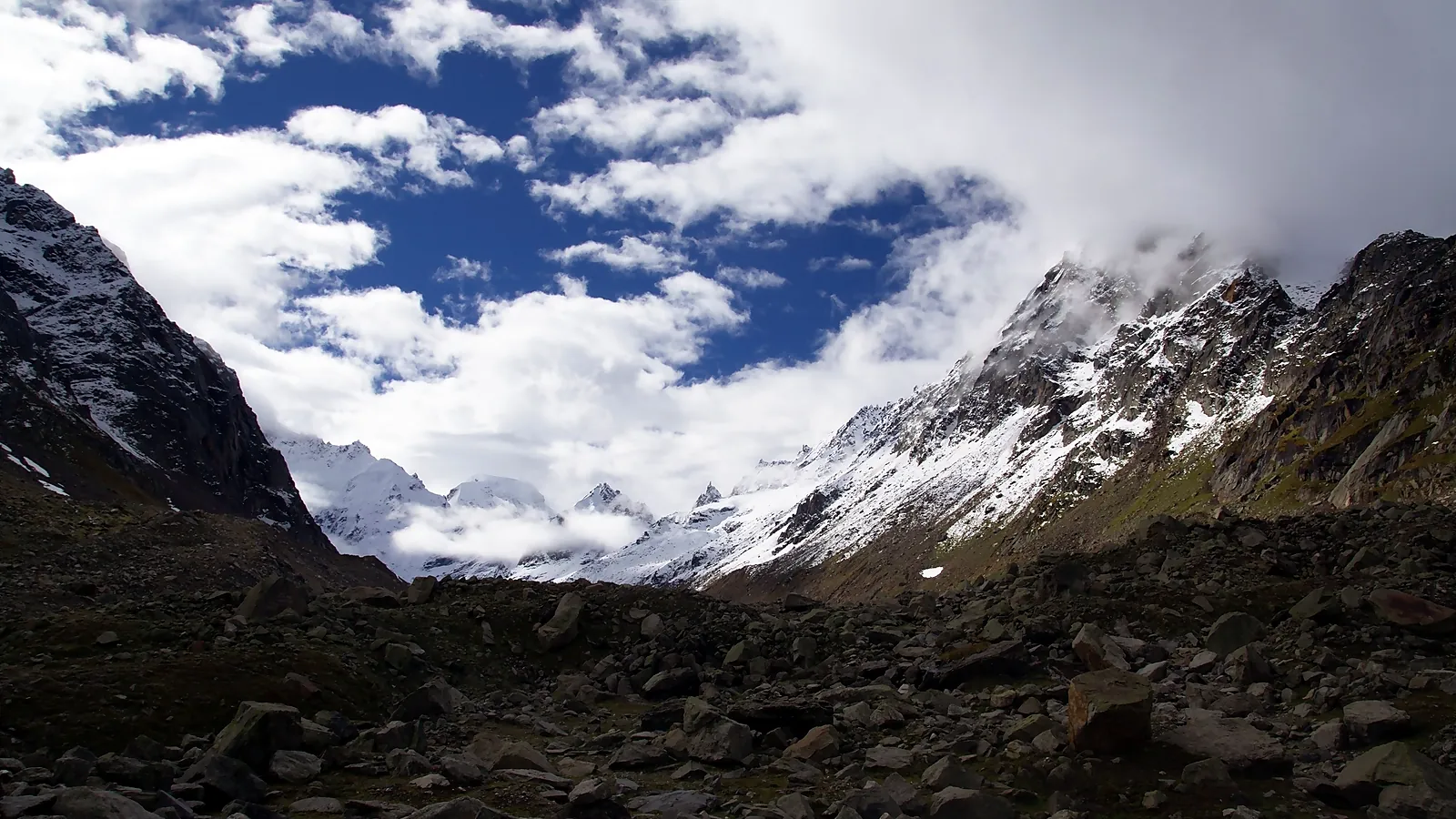
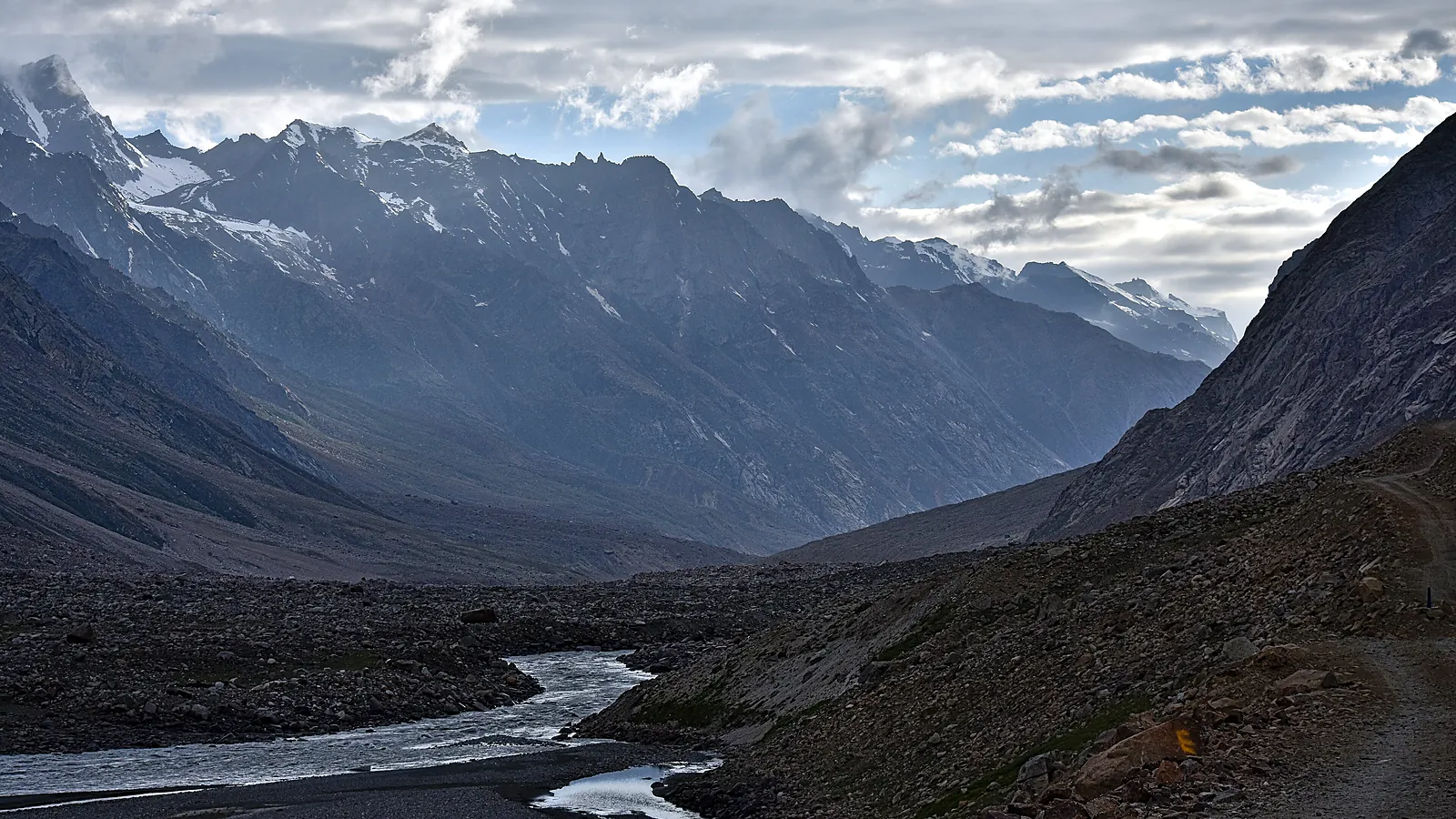
Most treks give you one kind of landscape. Hampta Pass gives you two, and the moment you move from one to the other is one of the most dramatic transitions in the Indian Himalaya. For three days you walk up through the Kullu side of the mountains: thick forests of pine and birch, meadows so green they look artificial, waterfalls tumbling off every cliff and wildflowers underfoot. Then you climb to the top of the pass at about 4,270 metres, look over the other side, and everything changes. Below you lies the Lahaul valley: bare, brown and grey mountains, glaciers, scree and a landscape that looks more like the moon than the green valley you have just left behind.
Hampta Pass is often called a "crossover trek", and it is one of the best in India. It is short enough to fit into a week's leave, accessible from Manali, and suitable for fit beginners, yet it feels like a genuine Himalayan expedition, with river crossings, a high pass and a finale that can include one of the most beautiful lakes in the country, Chandratal.
This guide covers everything you need to plan it: when to go, what makes it challenging, the route day by day, how to handle river crossings, the Chandratal extension, how to prepare physically, what to pack, what it costs and how to stay safe.
Why Hampta Pass is special
Two worlds in one trek. The contrast between the lush Kullu valley and the arid, high-altitude desert of Lahaul, on the edge of Spiti, is the defining feature of Hampta Pass. The Pir Panjal range acts as a wall, catching the monsoon clouds on the Kullu side and leaving Lahaul in a rain shadow. Walking across that wall in a few days lets you see the whole story of how mountains shape climate.
A true pass crossing. Rather than walking up and back down the same valley, you go from one valley into another over a high pass. It gives the trek a sense of journey and achievement.
Beautiful campsites. Chika, Balu ka Ghera and Shea Goru are each spectacular in their own way, from a riverside meadow to a sandy plain beneath glaciers.
A summer trek. Hampta Pass is at its best in the monsoon months, when many other Himalayan treks are wet and cloudy. The Lahaul side stays mostly dry, which makes it one of the best treks for July and August.
Chandratal. Many itineraries end with a drive to Chandratal, the "moon lake", a crescent of blue water at about 4,300 metres in the Spiti region. It is one of the most beautiful places in Himachal.
Best time for the Hampta Pass trek
The trek is open from roughly mid-June to late September, depending on snow conditions.
Mid-June to early July. There is still plenty of snow on the upper sections, particularly around Balu ka Ghera and the pass itself. The snow makes the crossing more challenging but beautiful, and river crossings can be strong with snowmelt.
July and August. The monsoon brings the Kullu side to its greenest, with flowers in the meadows and waterfalls everywhere. Expect some rain on the first days, but the Lahaul side is usually dry. The snow on the pass is mostly gone by August. Water levels in streams can be high after heavy rain. The drive from Manali and the road to Chandratal can be affected by landslides, so keep a buffer day.
September. Often the best month: the monsoon retreats, skies are clear, the air is crisp, and the views are sharpest. The meadows start turning golden, and nights are colder. The Chandratal road is usually open until it closes with the first heavy snowfall, often in October.
Outside this window, the pass is under deep snow and the trek is not advisable for regular trekkers.
How difficult is Hampta Pass?
Hampta Pass is rated moderate. It is suitable for fit beginners who have prepared well, and for anyone with some trekking experience. What makes it moderate rather than easy:
- Altitude. You go from about 2,900 metres at the start to about 4,270 metres at the pass. Altitude symptoms are common on the higher sections.
- The pass day. The day you cross is long, typically eight to nine hours, with a steep climb to the top and a very steep descent on the other side, sometimes over snow and loose scree.
- River crossings. Several streams must be crossed on foot, some in knee-deep, icy water with strong currents.
- Weather. Rain, wind and sudden cold can make the trail slippery and demanding.
With four to six weeks of training and a good trek operator, most healthy people aged around 12 to 55 complete it comfortably.
Who is Hampta Pass right for?
Hampta Pass is ideal if you have done one or two easy treks, such as Triund or Kedarkantha, and want your first high pass crossing. It also suits fit first-timers who train seriously and are comfortable with a few nights of basic camping. Friends' groups, college groups and adventurous couples love it, and it is popular with parents and teenagers who want a challenging family adventure together.
It is less suitable for anyone with heart or lung conditions, uncontrolled blood pressure or knee problems, because of the altitude and the steep descent after the pass. Very young children and people who dislike cold, wet weather may also find it hard going, especially in the monsoon. If you are unsure, start with a shorter trek closer to home, or speak to your doctor and trek operator before you book. Honest answers to a few questions about your fitness and health will help them advise you well.
Getting to Manali
The trek starts near Manali, which is well connected.
- By road from Delhi: overnight Volvo and semi-sleeper buses take around 12 to 14 hours. This is the most popular option for trekkers.
- By air: the nearest airport is at Bhuntar, near Kullu, about 50 kilometres from Manali. Flights are limited and can be cancelled due to weather.
- By train: the nearest major railheads are Chandigarh and Pathankot, followed by a long road journey.
Arrive in Manali a day before the trek begins. It helps you recover from the journey, start acclimatising at around 2,000 metres, and gives you a buffer if your bus is delayed.
The Hampta Pass route: day by day
The classic itinerary is five days from Manali and back, with the Chandratal visit as an add-on. Campsite names and exact routes vary slightly between operators.
Day 1: Manali to Jobra, trek to Chika (about 2 km, 2 hours, 2,900 m to 3,100 m)
Drive from Manali up a winding road through the villages of Prini and Sethan to Jobra. The views over the Kullu valley are gorgeous, with forests of pine, cedar and maple. From Jobra, the trek starts through a forest of maple and birch trees and emerges onto open meadows alongside the Rani Nallah stream. It is a short, easy walk to Chika, a lovely campsite in a meadow beside the river, surrounded by mountains and waterfalls. The short first day helps with acclimatisation.
Day 2: Chika to Balu ka Ghera (about 8 km, 5 to 6 hours, 3,100 m to 3,600 m)
Today the trail follows the Rani Nallah upstream, through meadows and boulder fields, with a couple of stream crossings. The landscape gradually becomes more rugged as you gain height. Balu ka Ghera, which means "a heap of sand", is a wide, sandy plain at the base of the mountains, with the Hampta Pass visible ahead. It is a stunning campsite, with glaciers and snowy peaks all around. The evening will be cold.
Day 3: Balu ka Ghera to Shea Goru via Hampta Pass (about 9 km, 8 to 9 hours, 3,600 m to 4,270 m to 3,900 m)
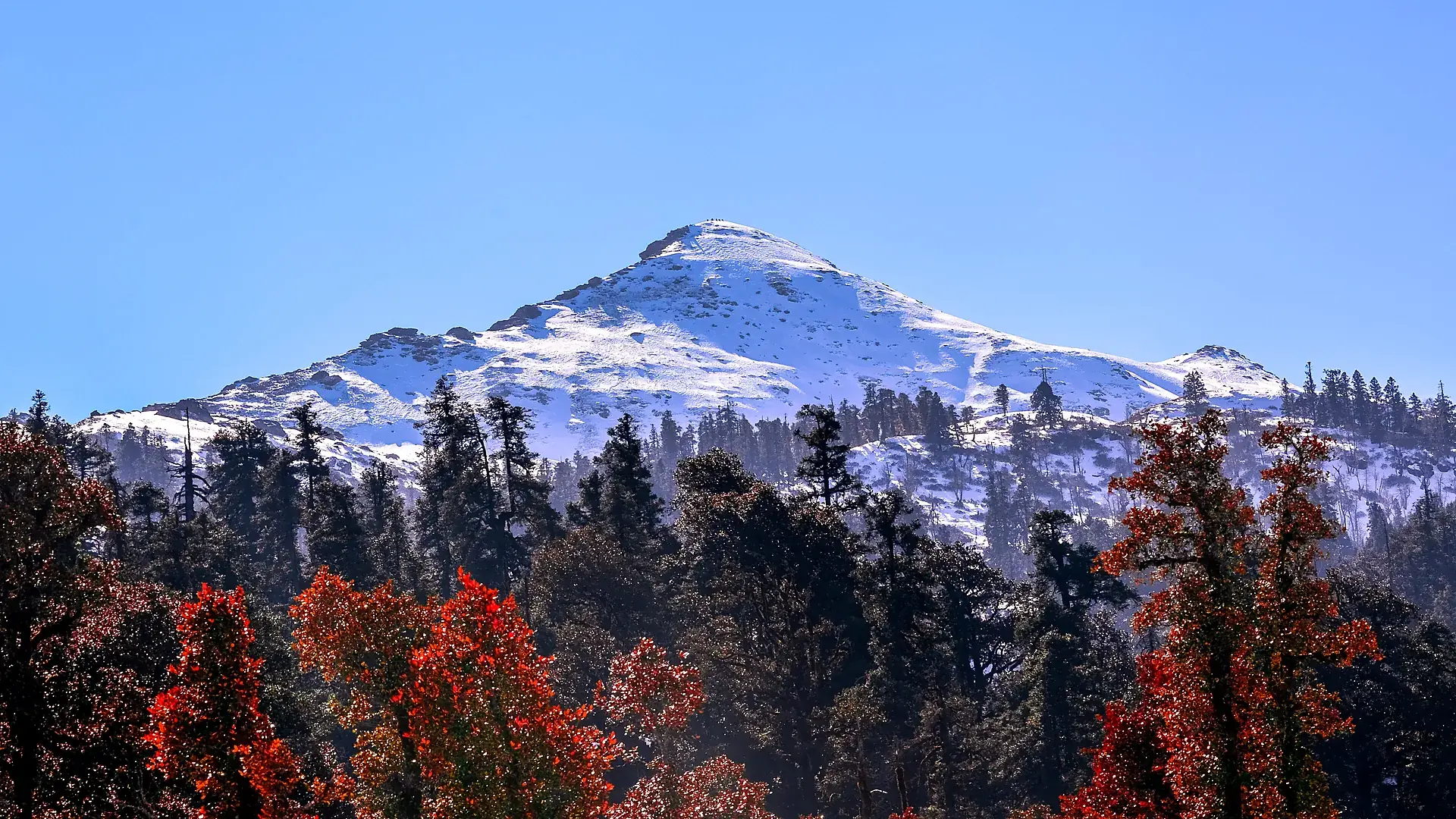
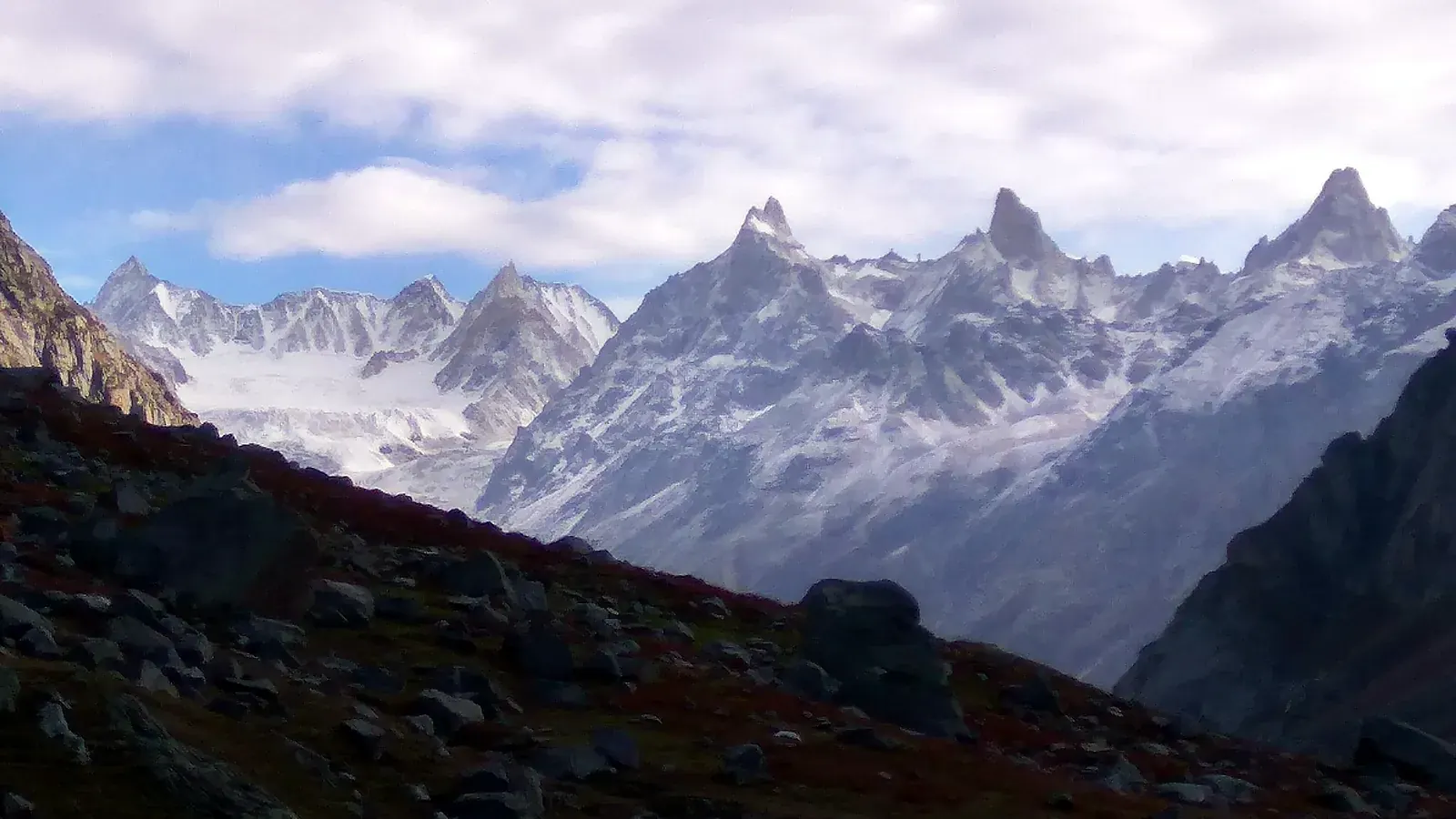
The big day. Start early, around 6 a.m. The climb to the pass is steady at first, over moraine and snowfields, becoming steeper towards the top. Walk slowly, breathe steadily, and take regular sips of water. At the top of Hampta Pass, you get your first view into Lahaul: a sweep of barren mountains and glaciers, in total contrast to the green valley behind you. On clear days, you can see the peaks of the Lahaul and Spiti region, including Indrasan and Deo Tibba on the Kullu side.
The descent from the pass is steep and often over snow or loose scree. Follow your trek leader closely and use your trekking poles. Once down, the trail follows a river to Shea Goru, a campsite on a flat stretch of land beside the stream, surrounded by barren mountains. After a long day, dinner has never tasted so good.
Day 4: Shea Goru to Chatru, drive to Chandratal (about 7 km trek, 4 to 5 hours)
The final trekking day descends gently along the river to Chatru, on the Manali–Kaza road in the Chandra valley. The landscape is stark and beautiful, with the Chandra river flowing through a wide, rocky valley. From Chatru, vehicles take you to Chandratal via Batal, a drive of a few hours on a rough road. Camp near the lake for the night, weather and road conditions permitting.
Day 5: Chandratal to Manali
Wake early to walk to the lake at sunrise, then drive back to Manali via the Kunzum and Atal Tunnel route or over the Rohtang side, depending on current road conditions. Arrive in Manali in the evening.
If the road to Chandratal is closed, itineraries usually return directly from Chatru to Manali on Day 4.
Chandratal: the moon lake
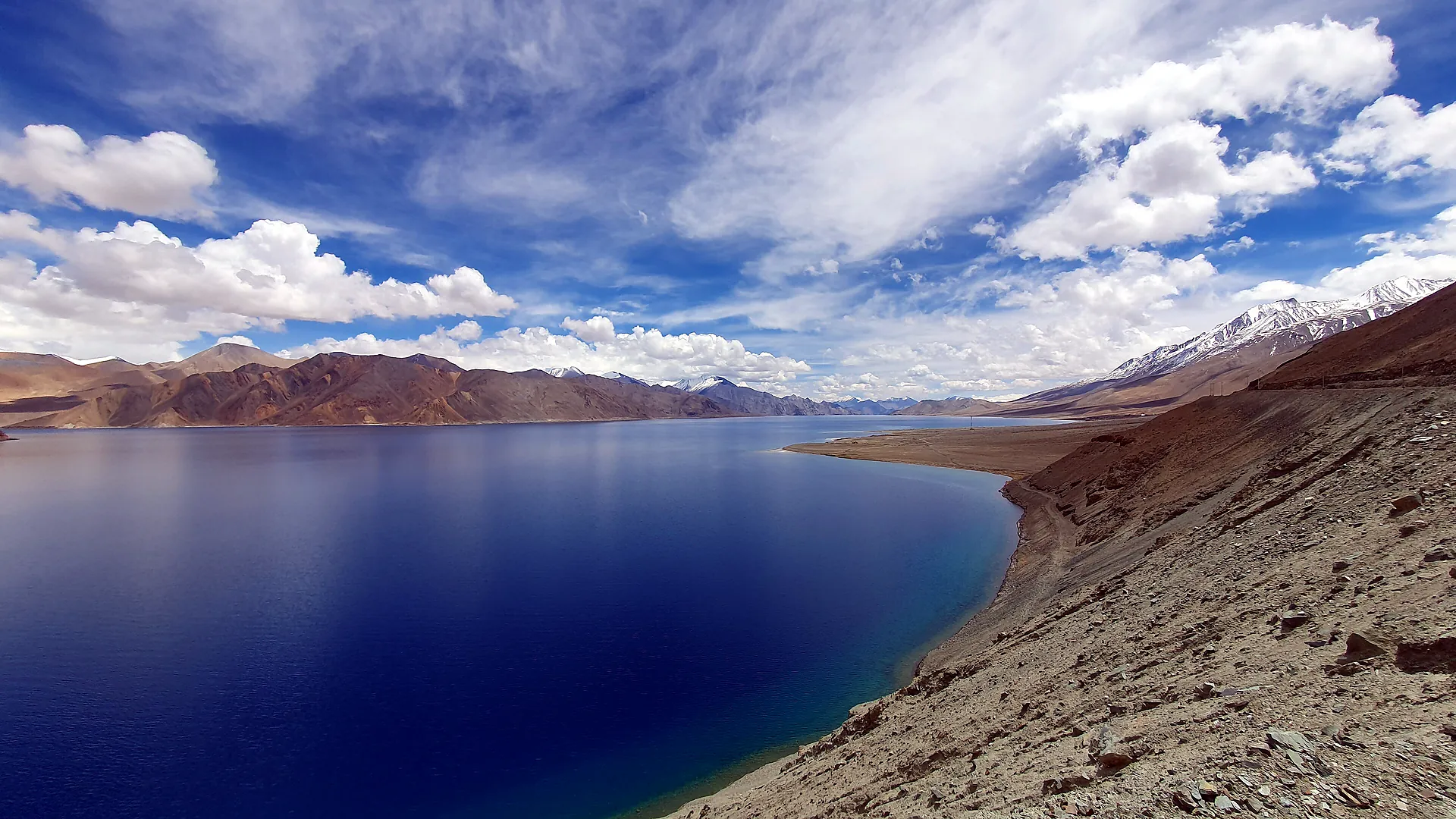
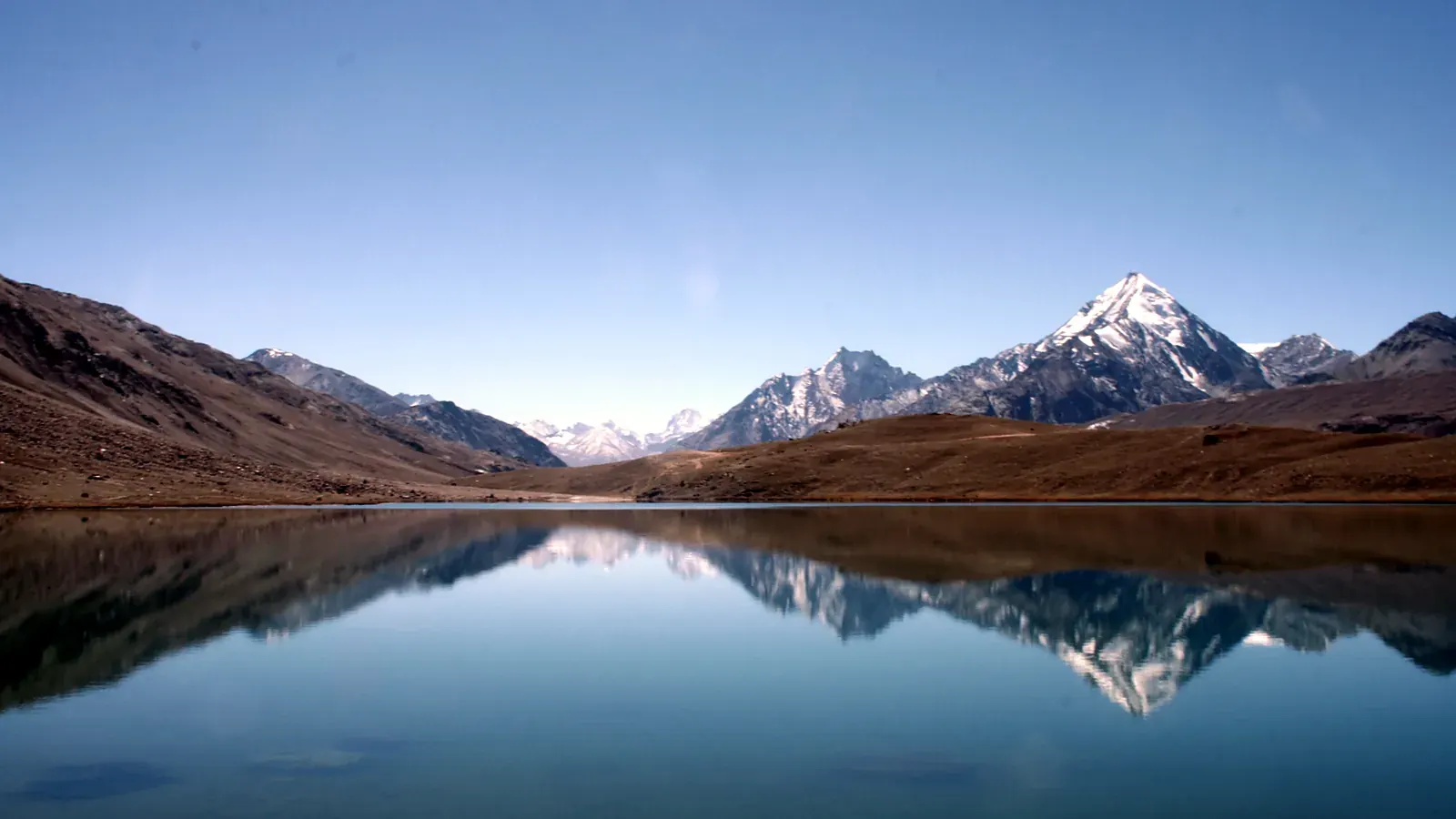
Chandratal, or "moon lake", is named for its crescent shape. It sits at about 4,300 metres in a wide basin surrounded by mountains, and its water changes colour through the day from turquoise to deep blue. There are no buildings on its shores; camps are set up at a distance to protect the fragile environment, and you walk the last stretch to the water.
A few things to know about visiting Chandratal:
- It is very high. Nights are extremely cold, even in summer, and altitude symptoms are common. Having crossed Hampta Pass, you will be better acclimatised than most visitors.
- Respect the lake. Do not camp, bathe, wash or leave rubbish near the shore.
- The road is rough. The drive from Batal is unpaved, with water crossings. It is usually open from around June to October.
- Stargazing is incredible. With no light pollution, the night sky at Chandratal is one of the best in India.
The landscapes, flowers and wildlife along the way
Part of the joy of Hampta Pass is watching the natural world change around you as you climb. On the first day near Jobra, you walk through forests of pine, deodar, maple and silver birch, whose papery white bark was once used as writing material in the Himalaya. Higher up, the trees give way to open meadows, and in July and August these are carpeted with wildflowers: yellow potentilla, blue and purple geraniums, primulas, wild strawberries and, in the rockier sections, tiny alpine flowers that cling to life between the stones.
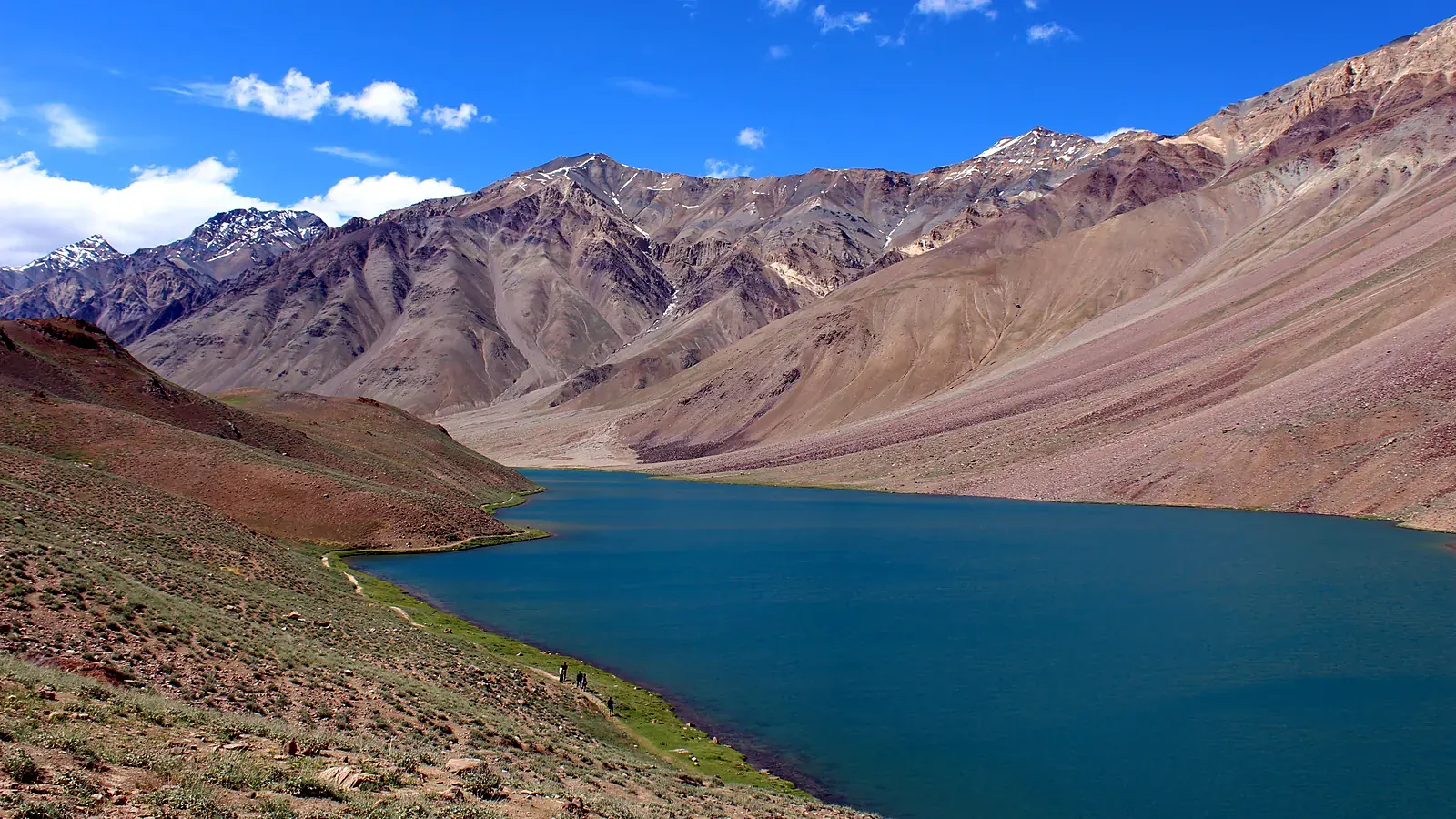
Above Balu ka Ghera the vegetation almost disappears, replaced by moraine, scree and snowfields. On the Lahaul side, the landscape becomes an austere palette of browns, greys and ochres, with only hardy shrubs and patches of grass near the streams.
Keep your eyes open for wildlife. Himalayan griffon vultures and the huge lammergeier, or bearded vulture, often ride the thermals above the valleys. Choughs with bright yellow beaks tumble around the high cliffs. On the Lahaul side, you may see marmots whistling from their burrows, and, with great luck, Himalayan ibex on distant slopes. You will certainly meet the Gaddi shepherds, who bring huge flocks of sheep and goats up to these high pastures every summer, as their families have done for generations. They are usually happy to chat, and their knowledge of weather and trails is remarkable.
A day on the trail
If this is your first multi-day trek, here is what daily life looks like. You wake at around 6 a.m. to a call of "chai!" outside your tent. After packing your sleeping bag and changing into the day's layers, you eat a hot breakfast in the dining tent, fill your water bottles and apply sunscreen. The trek leader briefs the group on the day's route, distance, water points and any stream crossings.
Walking starts by 7.30 or 8 a.m. The pace is slow and steady, with a short break every 45 minutes to an hour. Lunch is usually a packed meal eaten on the trail, or a hot meal at camp on shorter days. You typically arrive at the next campsite by early or mid-afternoon, where the support team has already pitched tents and has tea and snacks waiting. Afternoons are for resting, drying clothes, short walks to acclimatise and getting to know your fellow trekkers. Dinner is early, around 7 p.m., followed by a health check, when the trek leader measures everyone's oxygen levels and pulse, and then bed. There is no mobile network for most of the trek, and after a day or two, most people stop missing it.
Trekking Hampta Pass in the monsoon
July and August are the busiest months on Hampta Pass, and the monsoon shapes the experience in both good and challenging ways. On the Kullu side, expect rain for part of most days, sometimes just a passing shower, sometimes a steady downpour. The upside is spectacular: waterfalls pour off every cliff, the meadows are an almost electric green, and wildflowers are at their peak. Once you cross the pass into Lahaul, the rain usually stops as you enter the rain shadow.
To enjoy a monsoon trek, pack for wet conditions. Use a proper waterproof jacket and rain pants, not just a cheap poncho, and line your backpack with a large plastic bag or use dry bags for your clothes and sleeping gear. Carry an extra pair of socks in a sealed bag for the evenings. Trails can be muddy and slippery, so trekking poles and shoes with good grip are essential. Streams rise after heavy rain, so river crossings may take longer or require waiting. And the roads from Manali to Jobra and from Chatru to Chandratal can be affected by landslides, so build a buffer day into your travel plans.
The Lahaul side: Chatru, Batal and beyond
The trek ends in the Chandra valley of Lahaul, one of the most remote and dramatic parts of Himachal Pradesh. The Chandra river rises near the Baralacha La pass and flows through a wide, stony valley before joining the Bhaga to form the Chandrabhaga, which becomes the Chenab further downstream. The valley feels vast and empty, with glaciers hanging from the peaks on either side.
Chatru, where the trek ends, is little more than a few dhabas and tents on the road between Manali and Kaza. From here the road runs east to Batal, a tiny settlement famous among travellers for a roadside dhaba where generations of bikers, trekkers and truck drivers have warmed up with a plate of rajma chawal and a cup of tea. From Batal, a side road climbs to Chandratal, while the main road continues over the Kunzum Pass into the Spiti valley, with its monasteries, fossil villages and the town of Kaza.
If you have extra days, Hampta Pass can be combined with a Spiti road trip. From Chandratal, drive over Kunzum Pass to Kaza and visit Key Monastery, Kibber, Langza and Hikkim, home to one of the highest post offices in the world. It turns a one-week trek into a two-week Himalayan adventure that covers two completely different worlds.
Photography tips for Hampta Pass
- Capture the contrast. Take a photograph looking back towards Kullu and one looking into Lahaul from the top of the pass. Side by side, they tell the story of the trek.
- Use the golden hours. Early morning at Balu ka Ghera and sunset at Shea Goru have beautiful light on the peaks.
- Protect your gear from rain. Keep your phone or camera in a waterproof pouch on monsoon days.
- Shoot the stars at Chandratal. On a clear night, a long exposure of the Milky Way over the lake is unforgettable.
- Include people for scale. Trekkers crossing a snowfield or stream show just how big the landscape is.
River crossings: how to do them safely
River crossings are a feature of Hampta Pass, and for many first-timers they are the most intimidating part. With the right technique, they are safe and even fun.
- Cross early in the day. Streams fed by snowmelt are lowest in the morning and rise through the afternoon.
- Change into sandals or old shoes with good grip, or cross in your trekking shoes and change socks afterwards, following your trek leader's advice.
- Unbuckle your backpack's hip belt so you can slip it off if you fall.
- Face upstream and move sideways, one step at a time, testing each foothold.
- Use trekking poles or hold hands in a chain with your group.
- Follow your guide's route. They choose the safest crossing point, which is not always the narrowest.
- Never cross alone, and never cross a stream that looks too deep or fast. Waiting a few hours or taking a detour is always the right choice.
How to prepare physically
Start training at least six weeks before the trek.
- Cardio: work up to running 5 kilometres in under 40 minutes, or brisk walking for an hour without stopping. Aim for four or five sessions a week.
- Strength: squats, lunges, step-ups and calf raises three times a week, focusing on legs and core.
- Stairs: climb stairs carrying a backpack with 6 to 8 kilograms. This is excellent preparation for the pass.
- Weekend hikes: do long walks or hikes in your trekking shoes to break them in.
- Flexibility: stretch every day to reduce the risk of injury.
What to pack for Hampta Pass
Clothing
- Thermal innerwear, top and bottom.
- Two or three quick-dry t-shirts, preferably full-sleeve for sun protection.
- Two trekking pants.
- A fleece jacket and a warm padded or down jacket.
- A good waterproof jacket and rain pants, or a poncho. Rain is common on the Kullu side.
- A woollen cap, a sun cap, a buff, and waterproof gloves.
- Three or four pairs of socks, including woollen ones.
Gear
- Ankle-high trekking shoes with good grip, broken in.
- Sandals or floaters for river crossings and campsites.
- A 40 to 50 litre backpack with a rain cover, and dry bags or plastic bags to keep clothes dry.
- Trekking poles.
- A headlamp with spare batteries.
- Two one-litre water bottles.
- Sunglasses, sunscreen and lip balm.
- A personal medical kit.
- Snacks: energy bars, dry fruits, chocolate and electrolytes.
Safety on Hampta Pass
Altitude
The pass is above 4,000 metres, and Chandratal sits at a similar height. Headaches, nausea, poor sleep and breathlessness are signs of altitude sickness. Drink water, walk slowly and tell your trek leader. If symptoms worsen, especially breathlessness at rest, confusion or loss of balance, descend immediately. A good operator carries oxygen, a pulse oximeter and a first-aid kit, and checks trekkers' oxygen levels every evening.
Weather
Mountain weather is unpredictable, especially in the monsoon. Rain can make trails slippery and swell rivers; snow can fall on the pass even in summer. Trek leaders may delay the pass crossing or turn back if conditions are unsafe. Respect their decisions.
Choose a good operator
Look for experienced, certified trek leaders; a low trekker-to-staff ratio; quality tents, sleeping bags rated for sub-zero temperatures and safety equipment; clear evacuation plans; and good reviews. Cheap treks often cut corners on exactly the things that matter most.
What does the Hampta Pass trek cost?
- Organised trek from Manali (5 days): roughly ₹9,000 to ₹15,000 per person, including meals, camping, the guide, permits and transport from Manali to the trailhead and back.
- Chandratal extension: often included, or around ₹2,000 to ₹3,000 extra.
- Bus from Delhi to Manali and back: ₹2,000 to ₹4,000.
- A night in Manali before and after: ₹1,000 to ₹4,000 per night.
- Backpack offloading: ₹1,500 to ₹2,500.
Our Hampta Pass High Altitude Himalayan Trek starts at ₹9,499 per person for five days and four nights, including camping, meals, experienced leaders, safety equipment, transport from Manali and the Chandratal visit when the road is open.
Food on the trek
Meals on organised treks are vegetarian, freshly cooked and designed for energy. Breakfasts include poha, upma, parathas or porridge; lunches are packed or served hot; evenings bring soup and snacks; and dinners feature dal, rice, roti, vegetables and a sweet dish. Drink three to four litres of water a day. Stream water is boiled or filtered at camp. Carry your own snacks for the long pass day.
Manali before and after the trek
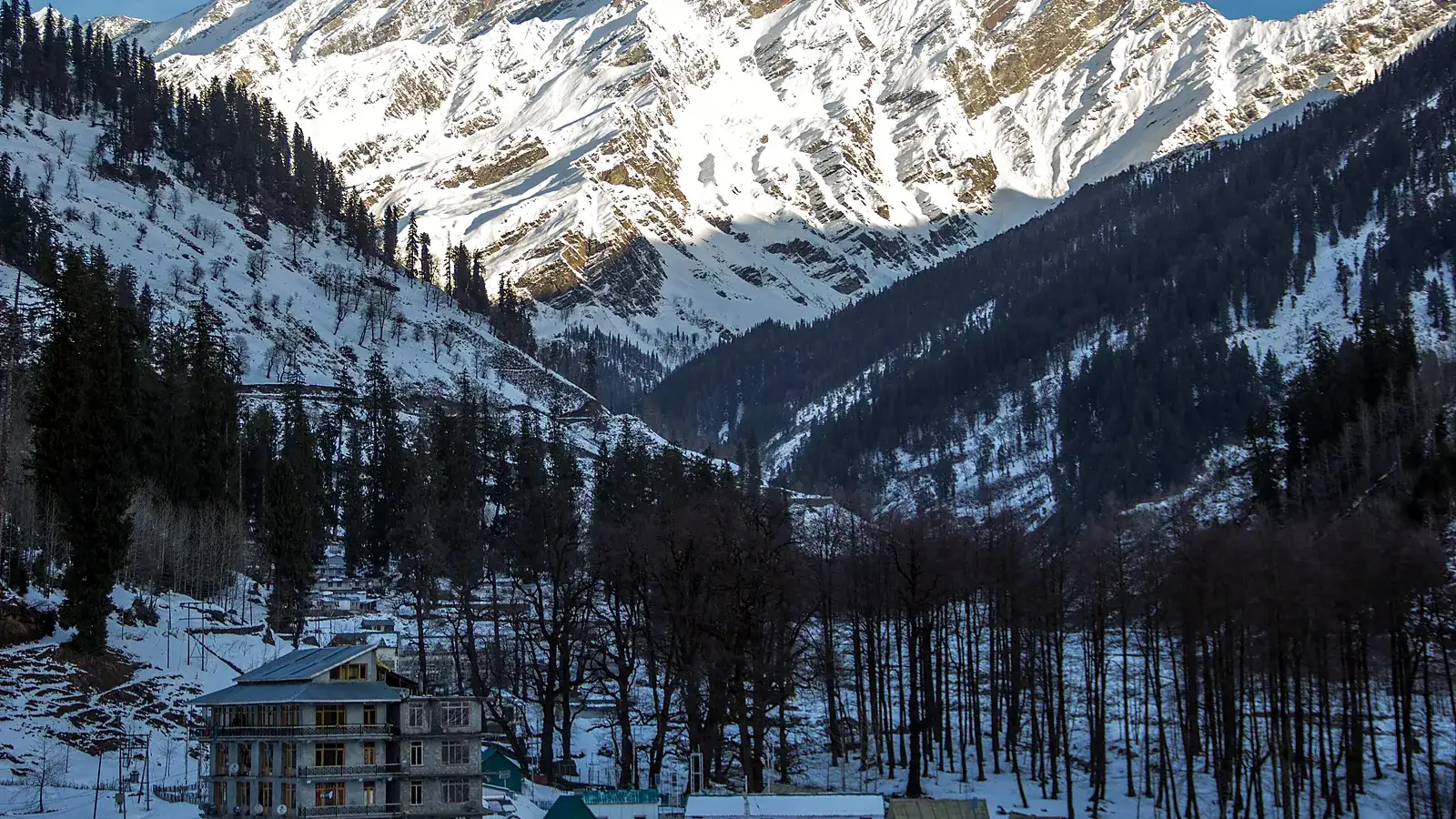
If you have an extra day or two, Manali is a pleasant place to relax. Visit the Hadimba Devi Temple, a 16th-century wooden temple in a cedar forest; wander through Old Manali, with its cafés and guesthouses; soak in the hot springs at Vashisht; and walk along the Beas river. Many trekkers also spend a day in Solang Valley for paragliding and cable car rides, or drive through the Atal Tunnel to Sissu for a taste of Lahaul without the trek.
Responsible trekking
- Carry out all your rubbish, including food wrappers and wet wipes.
- Avoid single-use plastic; use refillable bottles.
- Do not wash with soap or shampoo in streams or at Chandratal.
- Stay on the trail to protect the fragile meadows.
- Respect local shepherds, whose flocks graze these high pastures in summer.
Mistakes to avoid
Underestimating the pass day. It is long and demanding. Train properly and start early.
Not waterproofing your bag. Rain on the Kullu side can soak everything. Pack clothes in dry bags.
Crossing rivers carelessly. Always follow your guide, and never rush.
Ignoring altitude symptoms. Tell your trek leader immediately if you feel unwell.
Travelling to Manali on the same day as the trek start. Overnight buses are often delayed. Arrive a day early.
Hampta Pass or another trek?
If you want a winter snow summit, Kedarkantha in Uttarakhand is the best beginner option. If you are drawn to high-altitude deserts and want a bigger adventure, our Leh Ladakh bike trip guide will inspire you. For a summer crossover trek with meadows, glaciers, river crossings and a lake at the end, Hampta Pass is one of the best choices in India.
Trek Hampta Pass with The Vacation Code
Our Hampta Pass trek is designed for fit beginners and experienced trekkers alike, with certified trek leaders, quality camping gear, hot vegetarian meals, safety equipment including oxygen, and the Chandratal visit when conditions allow. We send a six-week fitness plan and detailed packing list when you book. You can also browse our other treks and adventure trips.
Frequently asked questions about Hampta Pass
Is Hampta Pass suitable for beginners?
Yes, for fit beginners who train for five to six weeks. It is rated moderate because of the altitude, the long pass-crossing day and river crossings, but it does not require technical skills.
What is the best time for the Hampta Pass trek?
The trek is open from mid-June to late September. July and August offer the greenest landscapes on the Kullu side, while September has the clearest skies. June still has plenty of snow near the pass.
How high is Hampta Pass?
Hampta Pass is at about 4,270 metres, or roughly 14,000 feet, on the Pir Panjal range between the Kullu and Lahaul valleys.
How long is the Hampta Pass trek?
The trek covers about 26 kilometres over four trekking days from Jobra to Chatru, typically done as a five-day trip from Manali including a drive to Chandratal.
Is Chandratal included in the Hampta Pass trek?
Most itineraries include a drive to Chandratal after the trek ends at Chatru, as long as the road is open. It is usually accessible from around June to October.
How do I reach the Hampta Pass trek starting point?
The trek starts from Jobra, about an hour's drive from Manali. Reach Manali by overnight bus from Delhi, or fly to Bhuntar near Kullu, and arrive a day early.