- Why Kedarkantha is the perfect first Himalayan trek
- Where is Kedarkantha?
- Best time to do the Kedarkantha trek
- How difficult is Kedarkantha?
- The Kedarkantha route: day by day
- Day 1: Dehradun to Sankri (about 200 km, 8 to 10 hours by road)
- Day 2: Sankri to Juda ka Talab (about 4 km, 4 to 5 hours, 1,950 m to 2,700 m)
- Day 3: Juda ka Talab to Kedarkantha Base (about 4 km, 3 to 4 hours, 2,700 m to 3,400 m)
- Day 4: Summit day (about 6 km up, then down to Hargaon, 8 to 10 hours, 3,400 m to 3,810 m and down to about 2,700 m)
- Day 5: Hargaon to Sankri and drive to Dehradun
- What a day on the trek actually feels like
- Sankri and the Tons valley
- Taking great photographs in the snow
- How to get fit for Kedarkantha
- Cardiovascular fitness
- Strength and endurance
- Flexibility and core
- Practice hikes
- What to wear: the layering system
- Complete packing list
- Footwear and trekking gear
- Personal essentials
- Staying safe on Kedarkantha
- Altitude
- Cold
- Snow and slippery trails
- Choose a responsible operator
- How to reach Sankri
- What does the Kedarkantha trek cost?
- Food and water on the trek
- Responsible trekking
- Mistakes first-timers make on Kedarkantha
- Kedarkantha or another beginner trek?
- Trek Kedarkantha with The Vacation Code
- Frequently asked questions about Kedarkantha
- Is the Kedarkantha trek good for beginners?
- What is the best time for the Kedarkantha trek?
- How cold does it get on the Kedarkantha trek?
- How many days does the Kedarkantha trek take?
- How high is the Kedarkantha summit?
- Can children and older people do Kedarkantha?
It is 3.30 in the morning, minus twelve degrees, and you are standing in the snow outside your tent wearing every piece of clothing you own. Your headlamp makes a small circle of light on the trail ahead, and above you the sky is so full of stars it looks crowded. Somebody in the group laughs nervously. The trek leader says, "Slowly, slowly, one step at a time," and you begin to climb. Three hours later, as the sun rises over a wall of Himalayan peaks and turns the snow beneath your feet pink and then gold, you are standing on the summit of Kedarkantha at 3,810 metres. Nearly everyone who does it says the same thing: I did not know I could do this.
Kedarkantha is the most popular winter trek in India, and for good reason. It is one of the very few treks where a complete beginner can reach a genuine Himalayan summit in deep snow in just four or five days, without technical climbing and without months of preparation. It has everything that makes Himalayan trekking magical: pine and oak forests heavy with snow, a frozen lake, campsites with 180-degree mountain views, a small mountain village with wooden houses and a summit that feels like a real achievement.
This guide is for first-time trekkers and anyone planning Kedarkantha. It covers why it suits beginners, when to go, the route day by day, how to get fit, what to wear to stay warm, how to stay safe, what it costs and how to get to the base village of Sankri. By the end, you will know whether Kedarkantha is right for you and exactly how to prepare.
Why Kedarkantha is the perfect first Himalayan trek
A real summit. Most beginner treks take you to a meadow, a lake or a viewpoint. Kedarkantha takes you to the top of a mountain. Standing on a summit, with the ground falling away on every side, is a completely different feeling, and it is the reason many people come back to the mountains again and again.
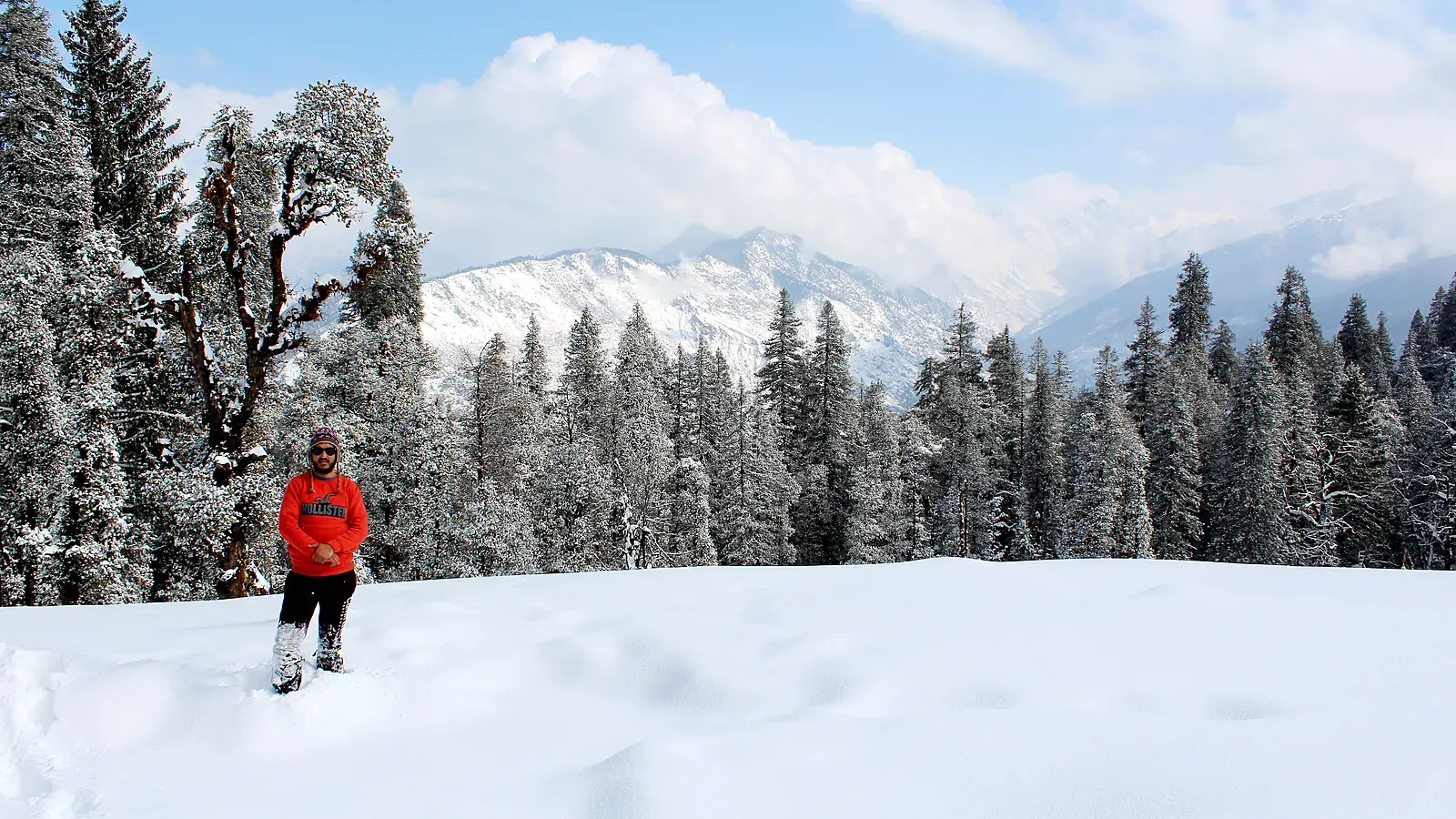
Snow in winter. Kedarkantha is one of the few treks that is safely accessible in the heart of winter, from December to March, when most high-altitude trails are closed. For people from the plains who have never walked in snow, the experience of trekking through a snow-covered forest is unforgettable.
Gentle gradients and short days. The daily walking distance is modest, typically four to six kilometres on most days, with a gradual gain in altitude. Only the summit day is long and steep.
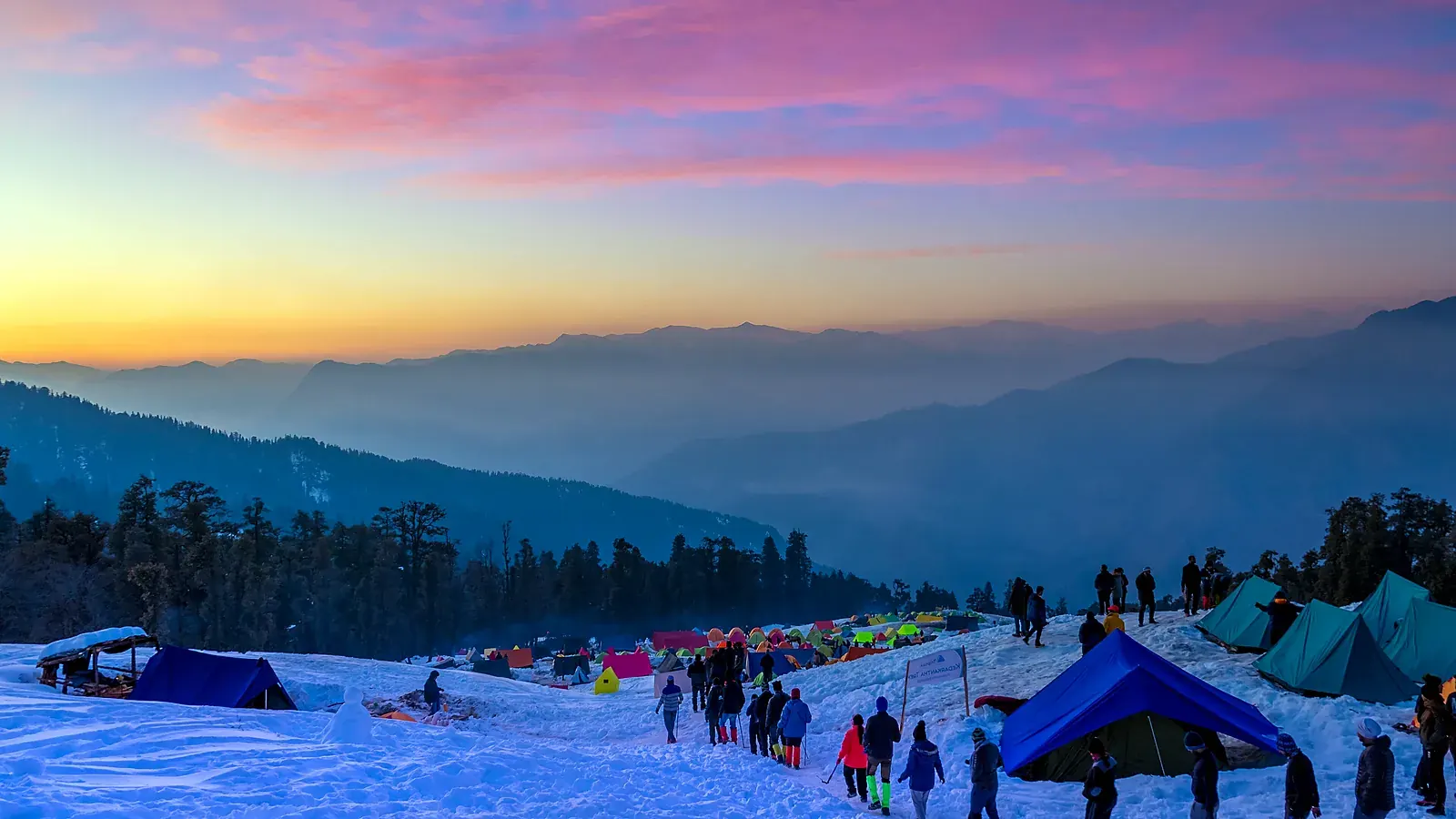
Beautiful campsites. Each campsite on Kedarkantha is in a clearing surrounded by forest with views of the high peaks of the Garhwal Himalaya. You will spend evenings watching the sun set on Swargarohini, Bandarpoonch and Black Peak.
An easy base to reach. Sankri, the base village, is reachable by road from Dehradun in a single day, so there is no need for complicated logistics.
Where is Kedarkantha?
Kedarkantha lies in the Govind Pashu Vihar National Park and Wildlife Sanctuary, in the Uttarkashi district of Uttarakhand, in the Tons river valley. The peak rises to about 3,810 metres (around 12,500 feet). The trek begins from Sankri, a small village at about 1,950 metres, which is the gateway to several of the region's best treks, including Har Ki Dun and Bali Pass.
Local legend has it that Lord Shiva meditated on the summit of Kedarkantha before moving to Kedarnath. A small shrine and a trident (trishul) mark the top, and many trekkers pause there for a moment of quiet.
Best time to do the Kedarkantha trek
December to March is the winter season and the most popular time. The trail is covered in snow from Juda ka Talab upwards, and the summit is fully white. December often has clear skies and fresh snow. January and February bring the deepest snow and the coldest temperatures, with nights at the higher camps dropping to minus 10 to minus 15 degrees Celsius. By March, the snow begins to soften and the days become warmer.
April is a lovely transition month. There is still snow on the upper sections and the summit, but the lower forests start to bloom with rhododendrons.
October and November offer a completely different experience. There is little or no snow, but the skies are the clearest of the year, the views are spectacular, and the autumn forests are beautiful. It is a good option if you want a summit without the cold.
From May to September, the trek is possible but less rewarding, and the monsoon, from July to mid-September, brings rain, leeches in the lower forests and cloudy views.
Our recommendation: for the classic snow experience, go between mid-December and February. Avoid the Christmas and New Year week if you prefer smaller crowds on the trail.
How difficult is Kedarkantha?
Kedarkantha is rated easy to moderate. The first three days involve steady but gentle climbs through forest, and most reasonably fit people manage them comfortably. The summit day is the challenge: you start in the dark, climb about 400 to 500 metres of altitude in three to four hours over steep snow, and then descend all the way to a lower campsite, which can make it an eight- to ten-hour day.
What makes it harder in winter is the combination of cold, altitude and snow. Walking in snow is more tiring than on a dry trail, the cold saps energy, and at altitude you will breathe harder. None of this requires special skills, but it does require reasonable fitness and the right clothing.
Kedarkantha is suitable for most healthy people aged around 10 to 60, including first-timers, provided they prepare. People with heart conditions, uncontrolled blood pressure, asthma or other medical conditions should consult a doctor before signing up.
The Kedarkantha route: day by day
The route described here is the classic five-day itinerary starting and ending in Sankri. Campsite names and exact routes vary slightly between operators, but the structure is the same.
Day 1: Dehradun to Sankri (about 200 km, 8 to 10 hours by road)
The journey begins early in the morning from Dehradun. The drive passes through Mussoorie, Kempty Falls, Nainbagh, Purola and Mori, following the Tons river valley through pine forests, apple orchards and terraced fields. It is long but scenic. Arrive in Sankri in the evening, check into a guesthouse or homestay, and meet your trek leader for a briefing. Get a good night's sleep; it will be your last in a proper bed for a few days.
Day 2: Sankri to Juda ka Talab (about 4 km, 4 to 5 hours, 1,950 m to 2,700 m)
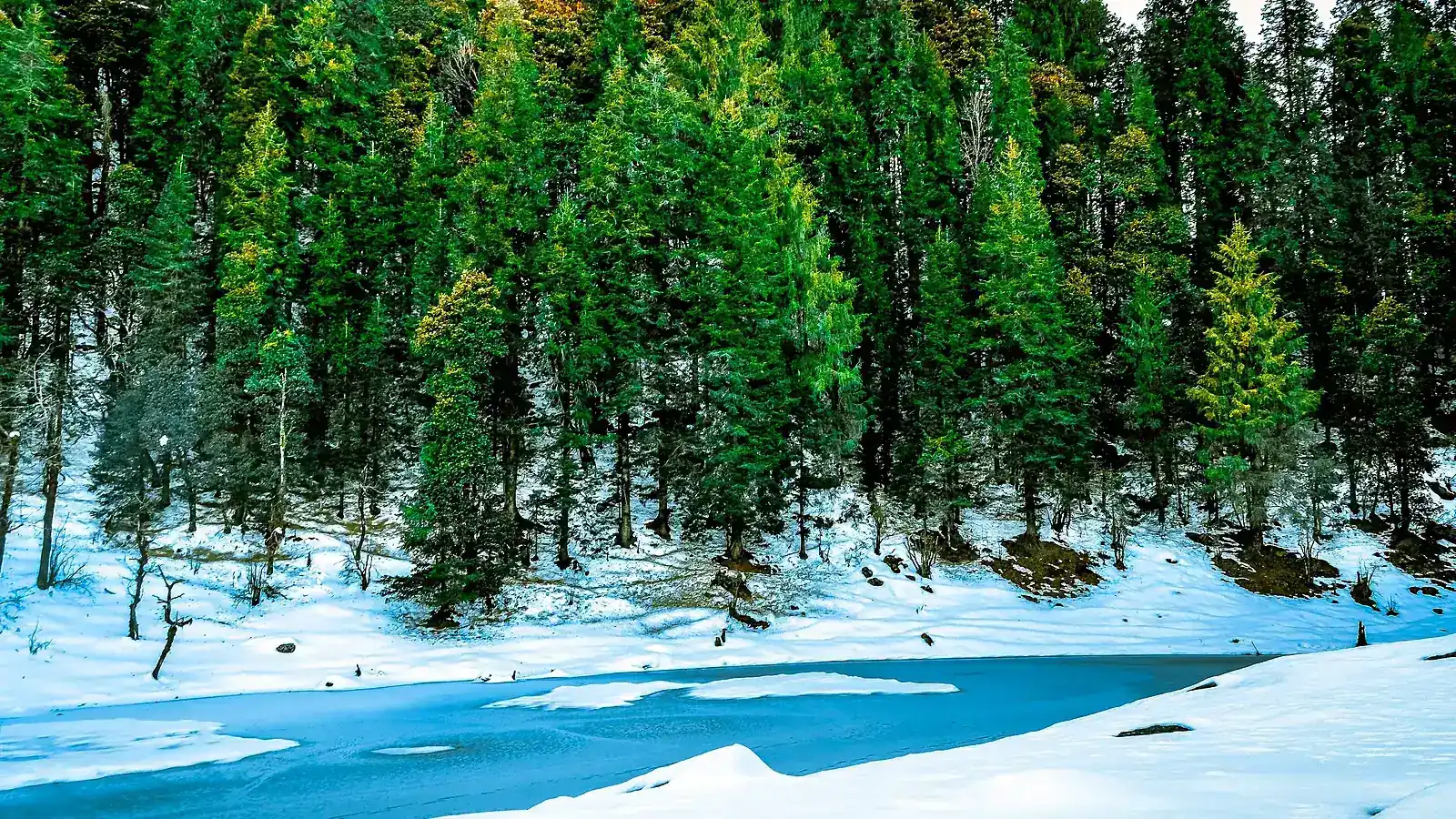
The trek begins right from the village. The trail climbs steadily through a forest of pine, oak and maple, crossing small streams on wooden bridges. After a couple of hours, the forest opens into clearings with glimpses of snow peaks. You will reach Juda ka Talab, a small lake surrounded by forest, by early afternoon. In winter, the lake freezes solid and the surrounding forest is blanketed in snow. According to local legend, the lake was formed when Lord Shiva let drops of water fall from his matted hair (jata), which gives the lake its name.
Spend the afternoon resting, walking around the lake and acclimatising. The first night in a tent in the snow is often the most memorable of the trek.
Day 3: Juda ka Talab to Kedarkantha Base (about 4 km, 3 to 4 hours, 2,700 m to 3,400 m)
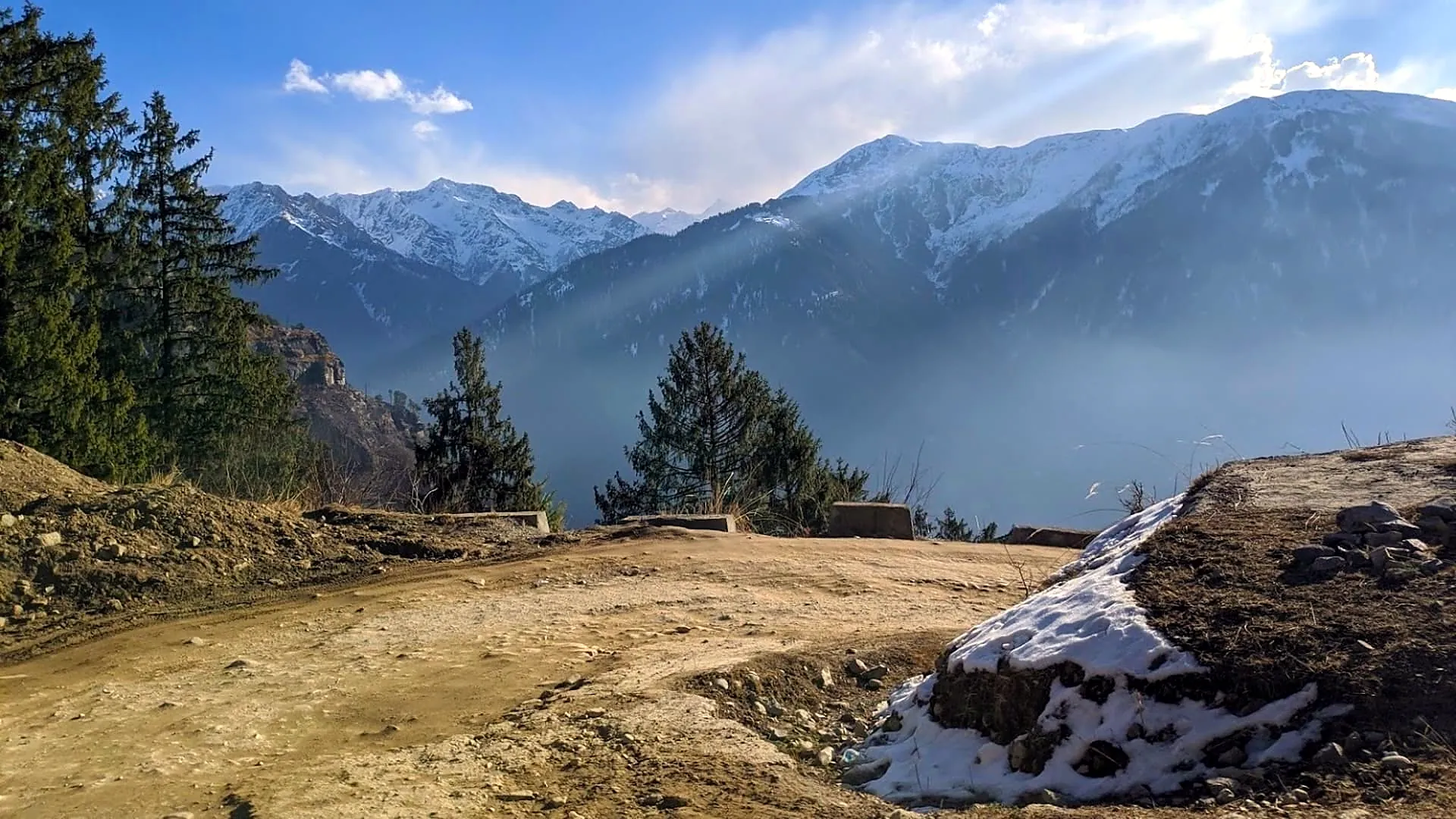
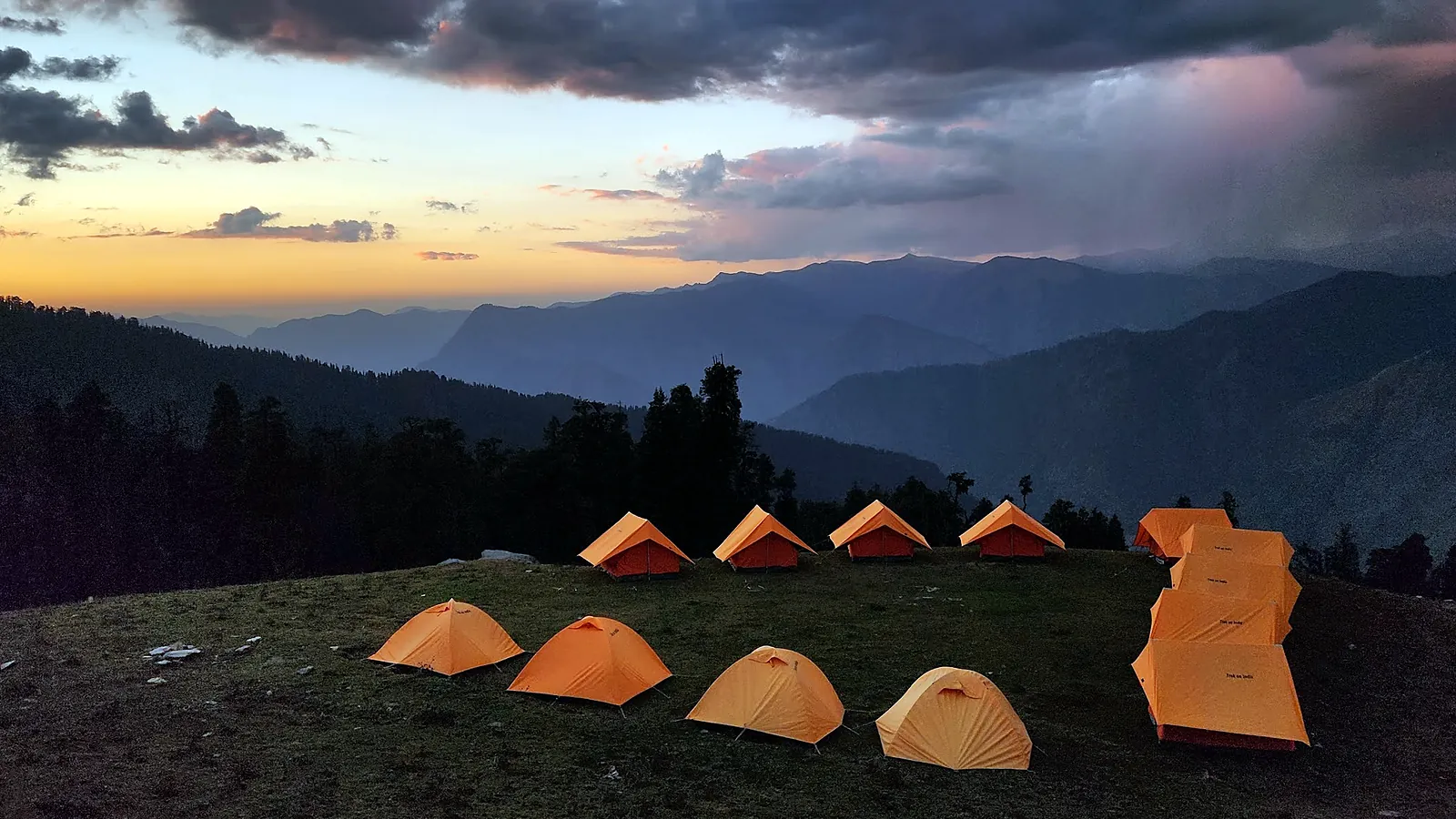
The trail continues up through forest, which gradually thins out as you gain height. Walking through snow-laden pine and oak trees on this section is pure winter magic. As you approach the base camp, the forest gives way to open meadows, and the view suddenly opens up: the summit of Kedarkantha rising in front of you and, to the north, the peaks of Swargarohini, Bandarpoonch, Kalanag (Black Peak) and many others.
The Kedarkantha base camp is one of the most beautiful campsites in the Indian Himalaya. Arrive by lunchtime, rest, and watch the sunset paint the mountains. Go to bed very early; you will wake up at around 2.30 a.m.
Day 4: Summit day (about 6 km up, then down to Hargaon, 8 to 10 hours, 3,400 m to 3,810 m and down to about 2,700 m)
You will start around 3 a.m., walking by headlamp in a single line behind your trek leader. The climb is steep and relentless, and in deep snow you may need microspikes (small chains that attach to your shoes for grip) and gaiters. Take small steps, breathe steadily, and keep drinking warm water. The last section before the summit is the steepest, over a snow-covered ridge.
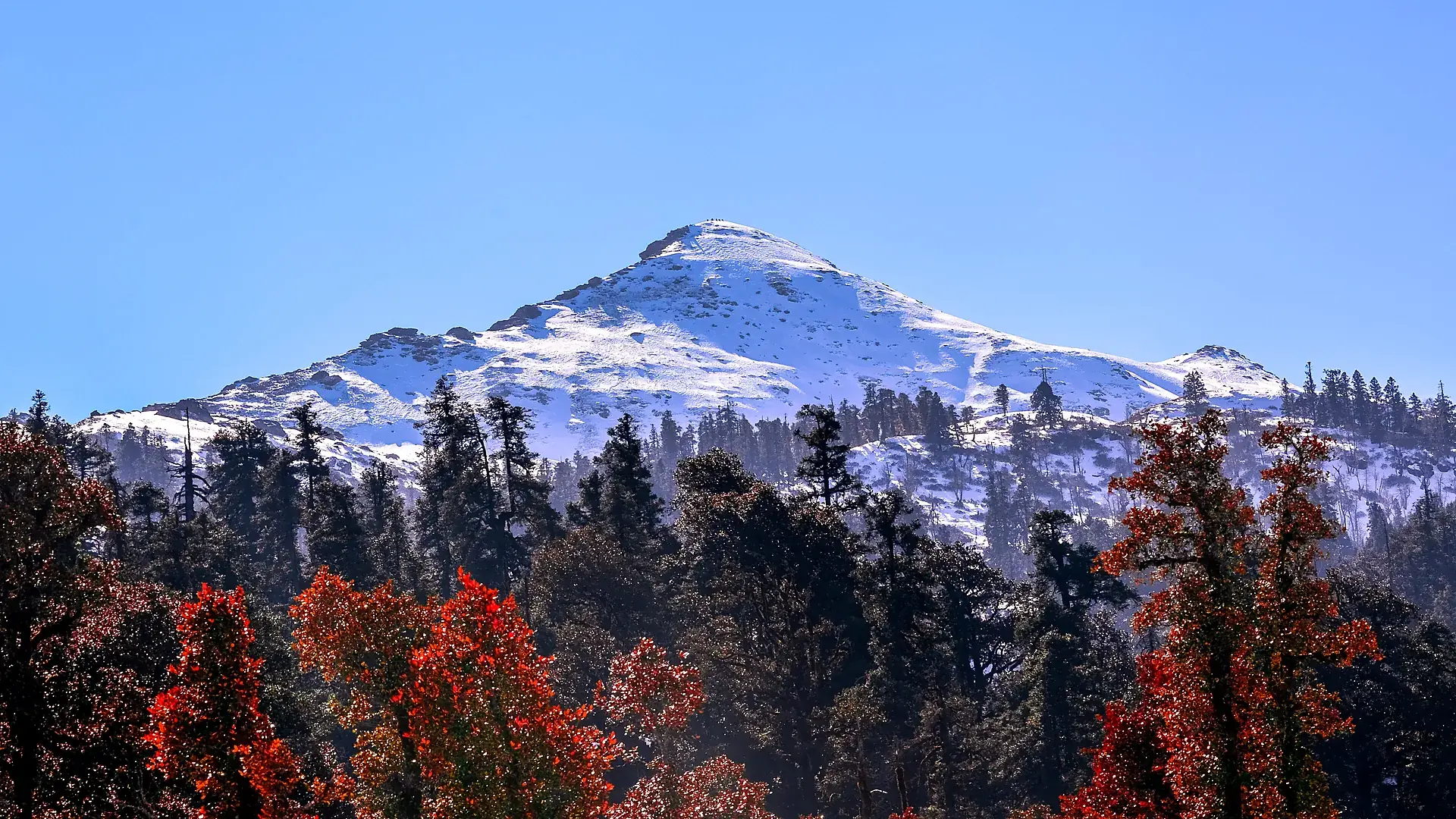
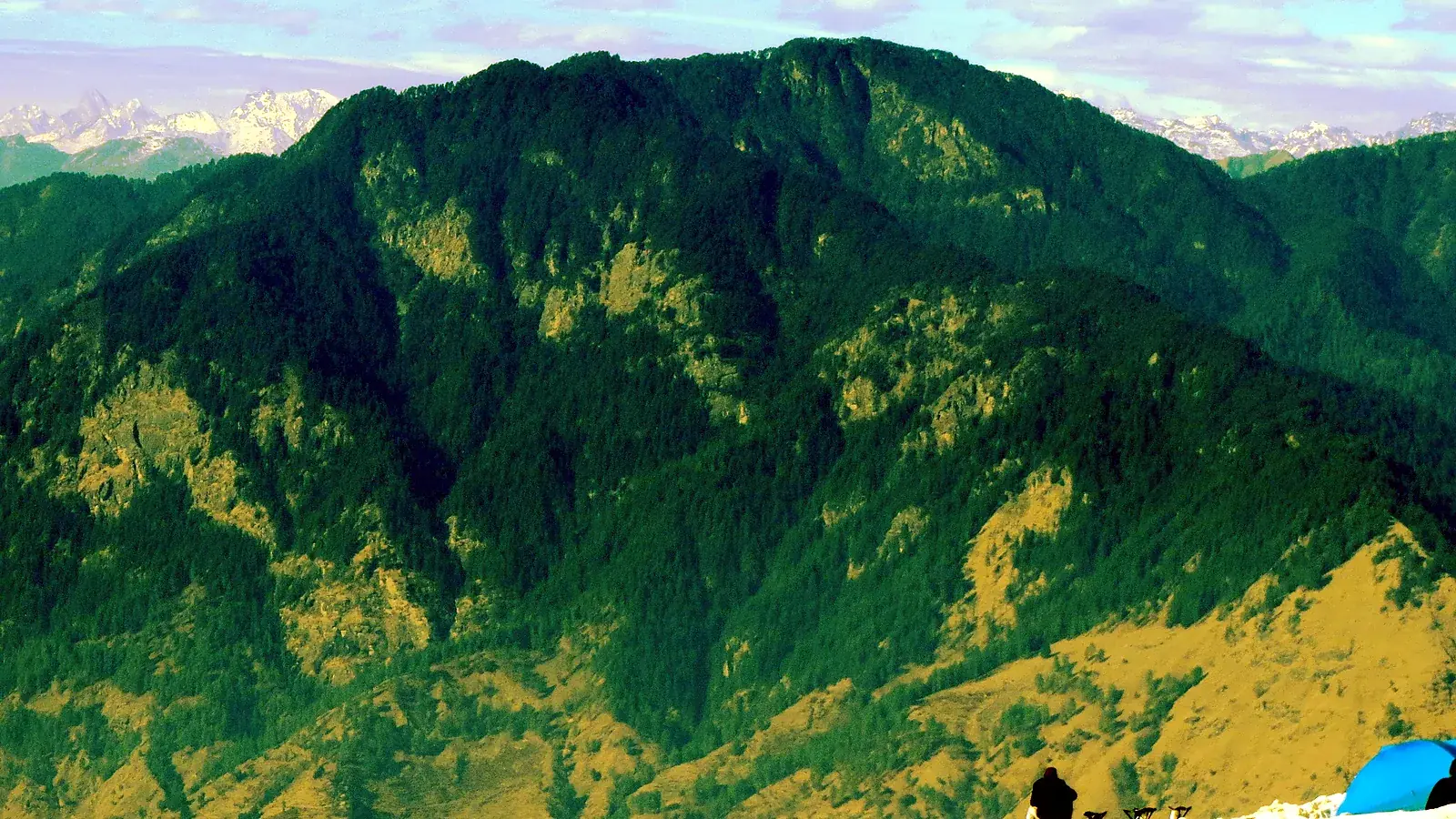
Reach the summit around sunrise. The view is one of the finest in the Garhwal Himalaya: a 360-degree panorama of snow peaks stretching in every direction, with the Har Ki Dun valley below. Take your photographs, offer a prayer at the small shrine if you wish, and then begin the descent, as the weather can change quickly and the snow softens as the sun rises.
The descent back to base camp is fast and fun, often involving sliding down snow slopes on your backside. After a hot breakfast at base camp, continue down to Hargaon or another lower campsite for the night. It is a long day, but the sense of achievement is extraordinary.
Day 5: Hargaon to Sankri and drive to Dehradun
Descend through the forest back to Sankri in about three hours, passing small hamlets and apple orchards. Celebrate with your group, then take the long drive back to Dehradun, arriving in the evening. Some itineraries include an extra night in Sankri and a morning departure, which makes for a more relaxed end.
What a day on the trek actually feels like
If you have never been on a multi-day trek, it helps to know what daily life in the mountains looks like, because it is very different from a normal holiday.
Your day begins around 6.30 a.m. with a cheerful "bed tea" call outside your tent. The inside of the tent will be cold, and your water bottle may have frozen, so the first few minutes involve a lot of wriggling out of your sleeping bag and into layers. Breakfast is served in the dining tent or around a campfire: hot porridge, parathas or poha, and endless cups of tea. The trek leader gives a short briefing on the day's route, and by 8.30 you are walking.
The walking itself is slow and steady. Groups move at the pace of the slowest member, with frequent short breaks for water, photographs and snacks. You will talk a lot on the first day and less as the altitude increases. Lunch is usually a packed meal eaten on a sunny rock with a view. By early afternoon you reach camp, where tents are already pitched and hot soup is waiting.
Afternoons are for resting, drying socks in the sun, short acclimatisation walks and games. As the sun sets, the temperature plunges within minutes, and everyone gathers in the dining tent for dinner at around 7 p.m. Most people are in their sleeping bags by 8.30, and you will sleep more deeply than you have in months. There is no phone signal for most of the trek, which many trekkers say is the best part.
Toilets are the question everyone is too shy to ask. Campsites have toilet tents with a pit dug in the ground, and some operators use dry composting toilets. It takes a day to get used to, but everyone manages.
Sankri and the Tons valley
Many trekkers rush through Sankri, but the village and its surroundings are worth a little time. Sankri sits on a ridge above the Supin river, surrounded by apple orchards, walnut trees and terraced fields. Its houses are built in the traditional Garhwali style, with thick stone walls, carved wooden balconies and slate roofs designed to withstand heavy snow.
The Tons valley has a distinctive culture. Villages here have their own deities and festivals, and some are associated with the Mahabharata, with local temples dedicated to figures from the epic. The nearby village of Saur, a short walk from Sankri, offers a glimpse of traditional village life, and further up the valley, Osla and the famous Har Ki Dun valley draw trekkers in summer. If you arrive a day early or stay a day after the trek, take a walk through the orchards and villages, try local rajma and red rice, and buy a jar of local honey or apple jam to take home.
Please remember that Sankri is a working village, not a tourist attraction. Be respectful, keep the noise down in the evenings, and support local homestays and shops.
Taking great photographs in the snow
Kedarkantha is incredibly photogenic, but snow and cold are tricky for cameras and phones. Keep these tips in mind.
- Protect your batteries. Cold can drain a phone from 80 percent to zero in minutes. Keep it in an inside pocket and take it out only to shoot.
- Expose for the snow. Bright snow fools cameras into underexposing. Tap on the snow on your phone screen and slightly increase brightness, or use a +1 exposure setting on a camera.
- Shoot at golden hour. Sunrise on the summit and sunset at base camp give warm, dramatic light on the peaks.
- Look for people in the landscape. A line of trekkers against a snowy ridge gives a sense of scale that empty landscapes cannot.
- Try night photography. With a small tripod and a long exposure, the stars over the base camp tents make an unforgettable image.
How to get fit for Kedarkantha
You do not need to be an athlete to trek Kedarkantha, but you do need a base level of fitness. The better prepared you are, the more you will enjoy it. Start training four to six weeks before the trek.
Cardiovascular fitness
The most important goal is to build stamina. Aim to be able to jog or run 5 kilometres in about 35 to 40 minutes by the time you leave. If you are starting from zero, begin with brisk walking for 30 minutes a day and gradually add jogging intervals. Cycling and swimming are good alternatives.
Strength and endurance
Summit day involves long, steep climbs and descents that put heavy demands on your legs and knees. Include squats, lunges, step-ups and calf raises three times a week. Climbing stairs is excellent practice: try climbing ten to fifteen floors, ideally carrying a backpack with 5 to 7 kilograms.
Flexibility and core
Stretching and core exercises such as planks help prevent injuries and improve balance on uneven, snowy ground.
Practice hikes
If you can, do a few long day hikes on weekends, wearing the shoes you will use on the trek. This also breaks in new boots, which is essential. Blisters can ruin a trek.
What to wear: the layering system
Staying warm on Kedarkantha in winter is about layering, not about one huge jacket. Several thin layers trap warm air and let you add or remove clothing as your activity level changes. When you are walking uphill, you will warm up quickly; when you stop, you will cool down fast.
- Base layer: thermal innerwear (top and bottom) made of synthetic material or merino wool, which wicks sweat away. Avoid cotton, which stays wet and cold.
- Insulating layer: one or two fleece jackets or a light sweater.
- Outer layer: a warm padded or down jacket for the campsites and summit, plus a windproof, waterproof jacket.
- Trekking pants: two pairs of quick-dry trekking trousers, plus waterproof over-pants if possible.
- Head and hands: a woollen cap, a balaclava or neck warmer, and two pairs of gloves: a thin inner pair and a waterproof, insulated outer pair.
- Feet: three or four pairs of woollen socks, and a pair of thick socks for sleeping.
Complete packing list
Footwear and trekking gear
- Trekking shoes with good ankle support, ankle-high and waterproof, with deep grip.
- Microspikes and gaiters, often provided by trek operators in winter.
- Trekking poles, which take pressure off your knees on descents.
- A 40 to 50 litre backpack with a rain cover, plus a small daypack if you offload your main bag.
Personal essentials
- A headlamp with spare batteries, essential for summit day.
- UV-protection sunglasses to prevent snow blindness.
- Sunscreen with high SPF and lip balm.
- Two water bottles (1 litre each) or a hydration pack, plus an insulated flask for hot water.
- A personal medical kit, including any prescription medicines and basic first aid.
- Toilet paper, wet wipes, hand sanitiser and a small towel.
- A few energy bars, dry fruits and chocolates.
- A power bank. Phone batteries drain very quickly in the cold; keep your phone in an inside pocket.
- Your ID and any medical certificate required by your trek operator.
Staying safe on Kedarkantha
Altitude
Kedarkantha's summit is at 3,810 metres, and the base camp is at around 3,400 metres. Mild altitude symptoms such as headache, breathlessness and poor sleep are common and usually harmless. Drink plenty of water, walk slowly, and tell your trek leader if symptoms persist. Serious altitude sickness is rare on Kedarkantha because of the gradual ascent, but it is possible, and the treatment is always to descend.
Cold
Frostbite and hypothermia are real risks in winter if you are not properly dressed or if your clothes get wet. Keep your layers dry, change out of sweaty clothes as soon as you reach camp, wear gloves and a cap at all times, and never ignore numbness in your fingers or toes.
Snow and slippery trails
Snow can be icy early in the morning. Wear microspikes when advised, use trekking poles, and follow your trek leader's instructions about pace and route.
Choose a responsible operator
A good trek operator is the single most important safety factor. Look for one with experienced, certified trek leaders, a high staff-to-trekker ratio, proper safety equipment (oxygen cylinders, pulse oximeters, first aid kits and stretchers), good-quality tents and sleeping bags suitable for sub-zero temperatures, and a clear policy on turning back in bad weather. Ask about all of these before booking.
How to reach Sankri
By air. The nearest airport is Jolly Grant Airport in Dehradun, about 220 kilometres from Sankri.
By train. Dehradun railway station is well connected to Delhi and other cities. Overnight trains such as those from Delhi arrive early in the morning, in time for the drive to Sankri.
By road. Shared and private vehicles leave Dehradun early in the morning for Sankri, a drive of 8 to 10 hours. Trek operators usually arrange pick-ups from Dehradun railway station. There are also buses from Dehradun, but they are slow and crowded. From Delhi, overnight buses or trains to Dehradun are the most convenient way to connect.
Tip: the road beyond Purola can be affected by snow in peak winter. Keep a buffer day in your travel plans in January and February.
What does the Kedarkantha trek cost?
- Organised trek from Sankri (usually 5 to 6 days): roughly ₹8,000 to ₹15,000 per person, including meals, tents, sleeping bags, the guide and permits.
- Transport between Dehradun and Sankri: ₹1,500 to ₹2,000 per person each way in a shared vehicle.
- Travel to Dehradun: varies by city.
- Backpack offloading (a porter or mule carrying your main bag): about ₹1,500 to ₹2,500 for the trek.
- Gear rental: if you do not own winter gear, jackets, shoes and poles can be rented for a few hundred rupees per day.
Our Kedarkantha Winter Snow Summit Trek starts at ₹8,999 per person for five days and four nights from Sankri, including all meals, tents, sleeping bags, microspikes, an experienced trek leader, forest permits and safety equipment.
Food and water on the trek
On an organised trek, all meals are prepared by a camp kitchen team. Expect simple, hot, nourishing vegetarian food: poha, upma or parathas for breakfast; a packed lunch or hot lunch of rice, dal and vegetables; soup and snacks in the afternoon; and a hearty dinner of rice, dal, roti and sabzi, often with a dessert. Most operators serve only vegetarian food on the mountain, and eggs are sometimes available at breakfast.
Drink at least three to four litres of water a day, even if you do not feel thirsty, as dehydration makes altitude symptoms worse. Water from mountain streams is boiled or purified at camp. Carry an insulated flask; warm water in the morning cold is a small luxury you will be grateful for.
Responsible trekking
Kedarkantha's popularity has put pressure on its forests and campsites. Please follow these principles so the trail stays beautiful:
- Carry back every piece of your rubbish, including wrappers and wet wipes.
- Avoid single-use plastic. Use refillable bottles.
- Stay on the trail and do not cut switchbacks, which causes erosion.
- Do not play loud music. The silence of the mountains is part of the experience.
- Respect local villagers and customs, and ask before photographing people.
Mistakes first-timers make on Kedarkantha
Not training. The trek is easy only if you are reasonably fit. People who arrive unprepared often struggle on summit day.
Wearing new shoes. Break in your trekking shoes for at least a few weeks before the trek.
Wearing cotton. Cotton traps sweat and makes you cold. Use synthetic or wool layers.
Rushing the first two days. A steady, slow pace helps you acclimatise and saves energy for the summit.
Skipping breakfast on summit day. You will be woken at 2.30 a.m. and may not feel hungry, but eat something and carry snacks. You need the energy.
Keeping electronics in outer pockets. Cold drains batteries. Keep phones and power banks close to your body, and sleep with them inside your sleeping bag.
Kedarkantha or another beginner trek?
Kedarkantha is often compared with other beginner treks. Brahmatal, also in Uttarakhand, is another excellent winter trek with frozen lakes and views of Trishul. Dayara Bugyal offers vast snow meadows and is slightly easier. Hampta Pass in Himachal Pradesh is a summer trek that crosses from green valleys into the Spiti desert; you can read about it in our Hampta Pass trek guide. If you want a winter summit with deep snow and forest, Kedarkantha is hard to beat.
Trek Kedarkantha with The Vacation Code
Our Kedarkantha Winter Snow Summit Trek is designed for first-timers who want to do it safely and comfortably, with experienced leaders, sub-zero sleeping bags, hot vegetarian meals, microspikes and gaiters, oxygen and first-aid kits, and a small group size. We also send a fitness plan and packing checklist when you book.
Looking for something else in the mountains? Try our Rishikesh rafting and camping guide for a weekend adventure, or our Leh Ladakh bike trip guide for a bigger expedition. You can explore all our treks and adventure trips here.
Frequently asked questions about Kedarkantha
Is the Kedarkantha trek good for beginners?
Yes. Kedarkantha is one of the best treks in India for beginners. The first days are gentle, the daily distances are modest, and only the summit day is demanding. Beginners should train for four to six weeks and trek with an experienced operator.
What is the best time for the Kedarkantha trek?
December to March is the best time for snow, with mid-December to February offering the classic winter experience. October and November offer clear skies with little snow, and April has spring rhododendrons with snow on the summit.
How cold does it get on the Kedarkantha trek?
In winter, daytime temperatures range from about 5 to 12 degrees Celsius, while nights at the higher campsites can drop to minus 10 to minus 15 degrees. Proper layering is essential.
How many days does the Kedarkantha trek take?
The trek typically takes five to six days from Dehradun and back, including four days of trekking from Sankri. The total trekking distance is about 20 kilometres.
How high is the Kedarkantha summit?
The Kedarkantha summit stands at about 3,810 metres, or roughly 12,500 feet, above sea level.
Can children and older people do Kedarkantha?
Healthy children from about 10 years old and fit adults up to around 60 can usually complete the trek with preparation. Anyone with heart, lung or blood pressure conditions should consult a doctor first.