📌 In this guide19 sections
- Best time to visit offbeat Goa
- South Goa: quiet beaches and coves
- North Goa beyond Baga
- Central Goa: heritage and islands
- Goa's jungles and waterfalls
- Offbeat experiences
- A 5-day offbeat Goa itinerary
- Goa for families
- Monsoon Goa
- Nightlife beyond Baga
- Beach safety and etiquette
- Goan food
- Where to stay
- Getting around
- How much does an offbeat Goa trip cost?
- Responsible travel in Goa
- Mistakes to avoid
- Plan your offbeat Goa trip with The Vacation Code
- Frequently asked questions
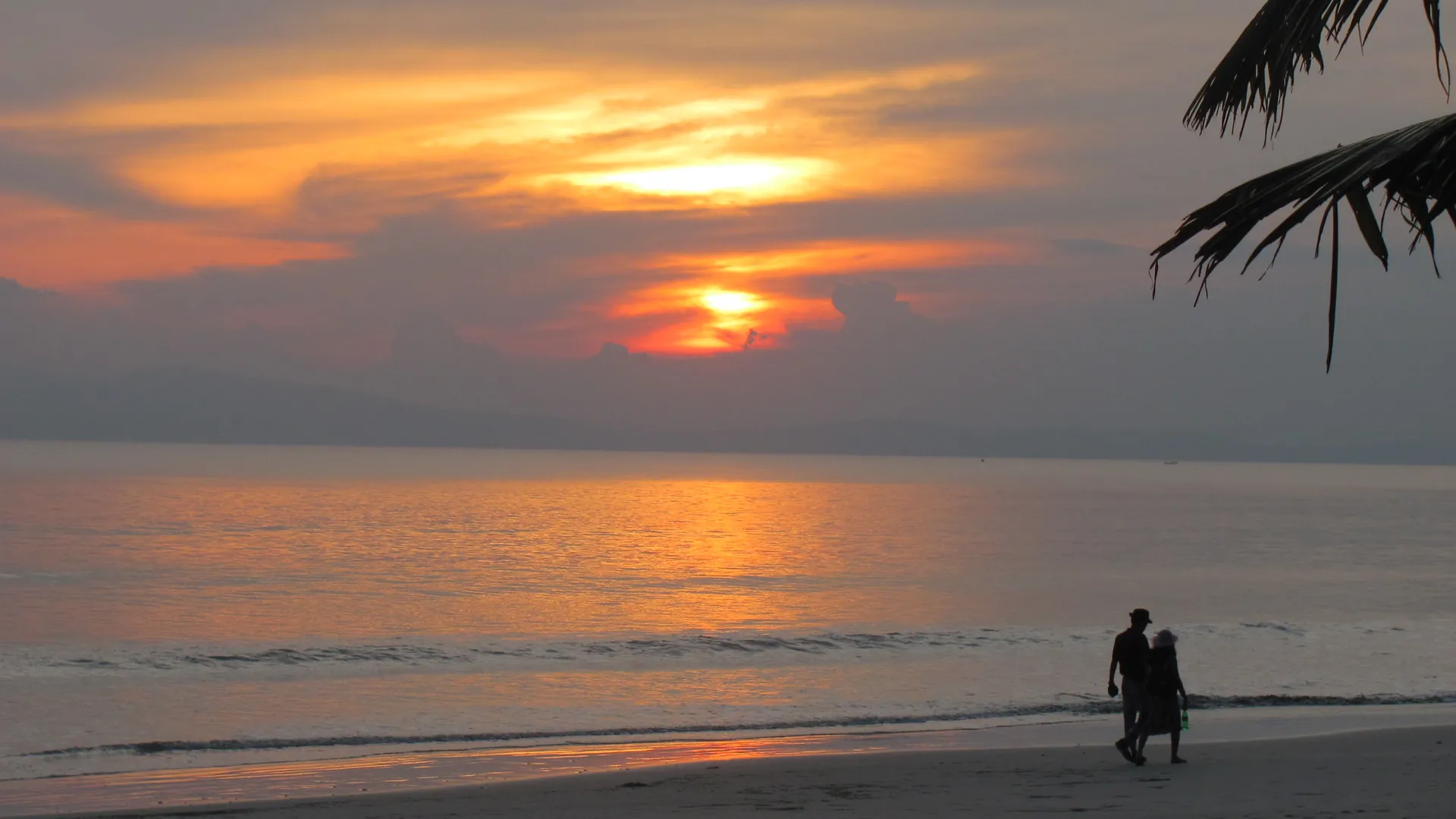
Offbeat Goa begins where the traffic jams end. Drive south past Margao, down roads lined with coconut palms and whitewashed churches, until the lane narrows and you reach a crescent of golden sand with just a handful of wooden shacks, fishing boats pulled up under the trees, and water so calm children are floating in it. A dog naps in the shade. Someone is cooking a fish curry. The only sound is the sea. This is the Goa people fell in love with decades ago, and it still exists, if you know where to look.
For many Indians, Goa means Baga, Calangute and nightlife, and those beaches are fun, but they can also be crowded and noisy. Goa, however, is much more than one strip of the northern coast. It has quiet coves, turtle-nesting beaches, islands in the Mandovi River reached by ferry, Portuguese-era Latin quarters, jungle waterfalls, spice plantations, wildlife sanctuaries and villages where the slow susegad lifestyle is still the rule.
This offbeat Goa guide covers 20 hidden places across north, central and south Goa, the best time to visit, a 5-day itinerary, where to stay, what to eat, costs and tips.
Best time to visit offbeat Goa
- November to February: the best weather, calm seas and all shacks open. December is peak season and busy, even on quieter beaches.
- March to May: hot and humid, but quieter, with lower prices and warm seas.
- June to September (monsoon): Goa turns intensely green, waterfalls come alive and prices drop, but many beach shacks close and swimming is unsafe. Perfect for monsoon drives and the São João festival in June.
- October: the season is just starting, with green landscapes and fewer tourists.
South Goa: quiet beaches and coves
1. Palolem and Patnem
Palolem is a perfect crescent of sand backed by palms, with calm water ideal for swimming and kayaking to Butterfly Island. It is popular but far more relaxed than the north. Next door, Patnem is quieter still, with a laid-back yoga-and-cafe vibe.
2. Agonda
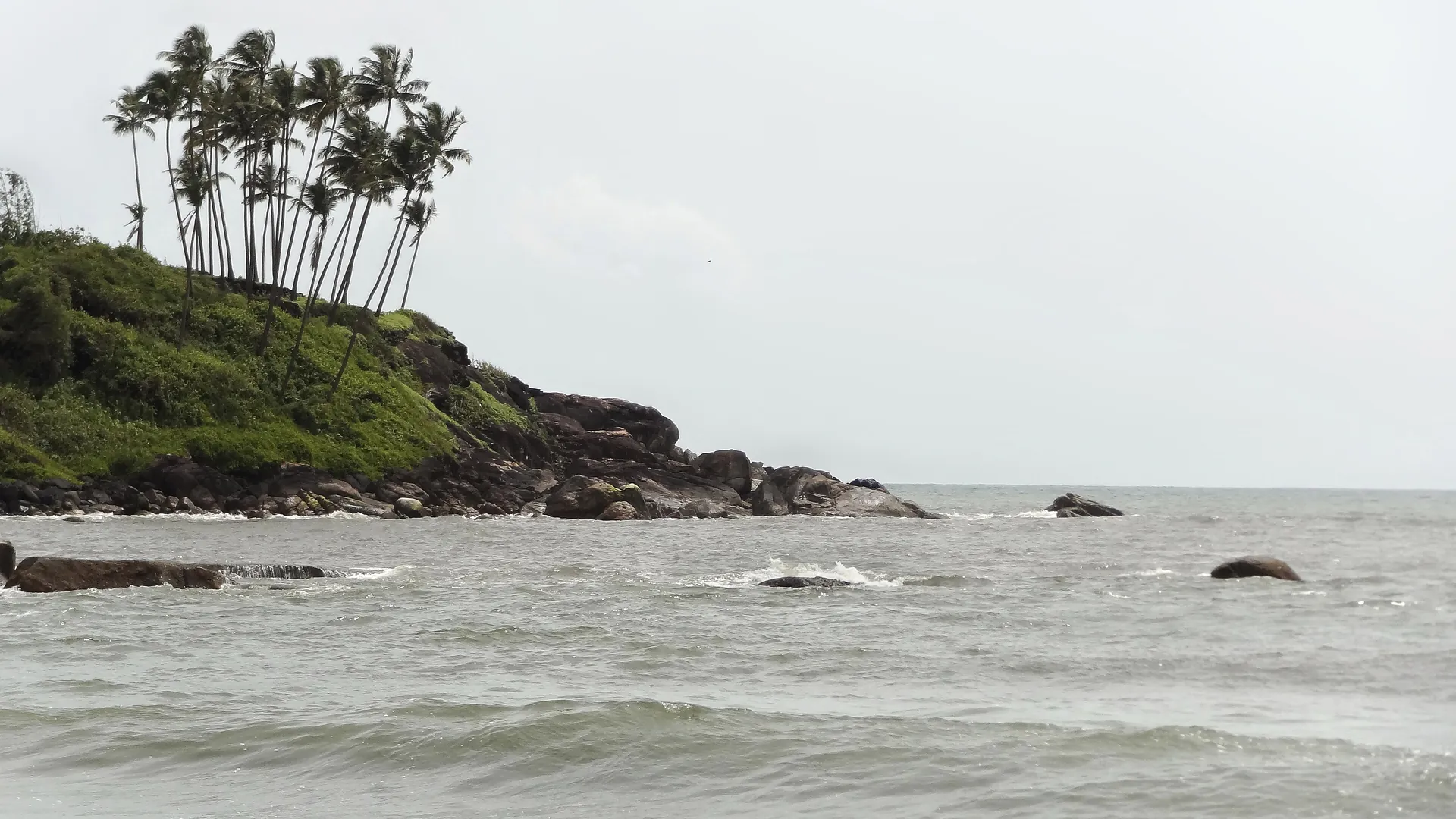
A long, peaceful beach with a few boutique huts and a turtle-nesting area protected by the forest department. Agonda is ideal for couples who want calm.
3. Butterfly Beach and Honeymoon Beach
Tiny coves reached by boat from Palolem or by a forest trek, often with dolphins seen on the boat ride. Visit early before day-trippers arrive.
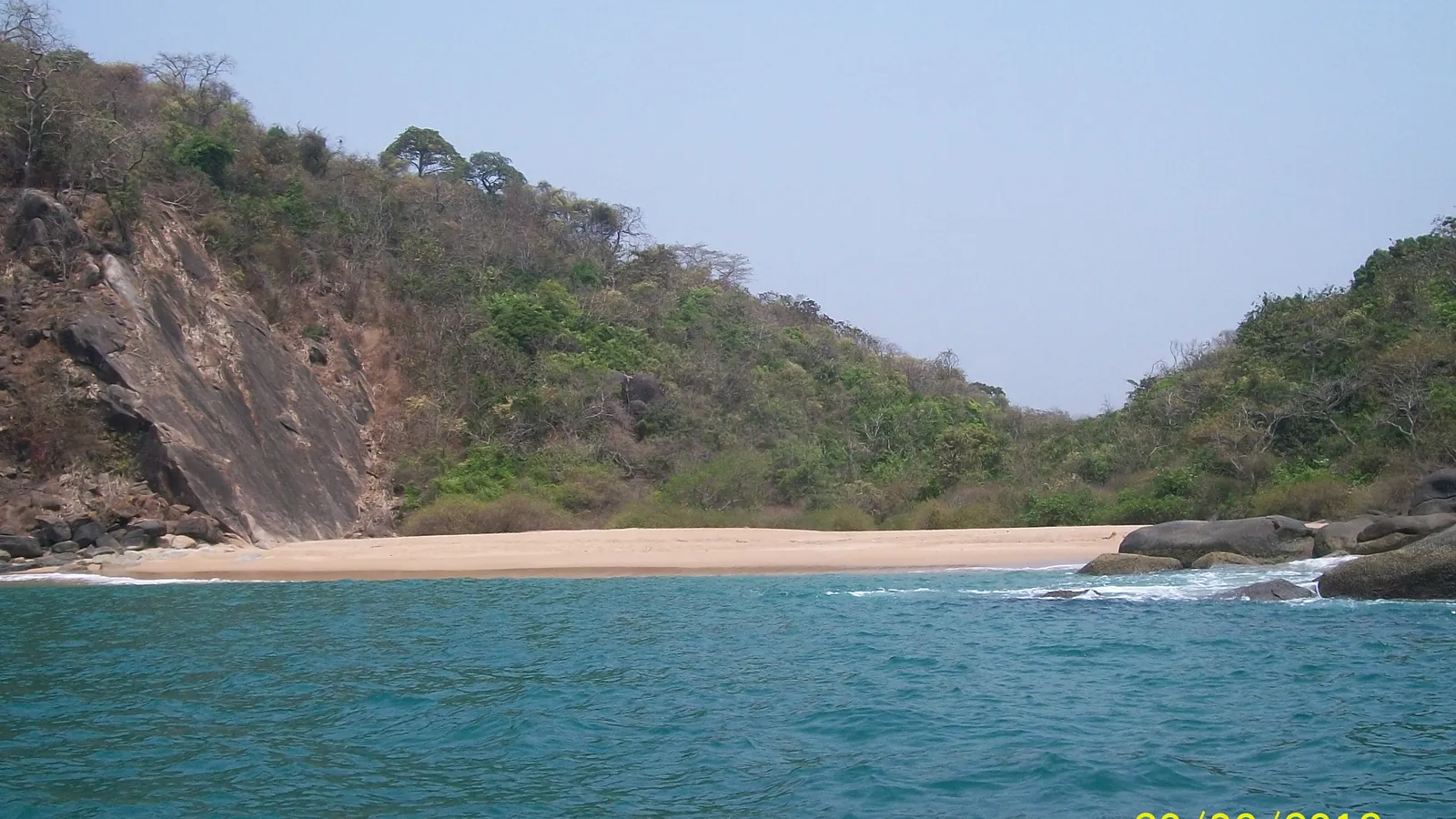
4. Cola Beach
A secret-feeling beach where a freshwater lagoon meets the sea, reached by a rough road. A few eco-huts overlook the water.
5. Cabo de Rama Fort
A crumbling hilltop fort with a small church and sweeping sea views, associated by legend with Lord Rama's exile. Sunset here is magical and almost crowd-free.
6. Betul and Mobor
Where the Sal River meets the sea, with fishing villages, mangroves and calm beaches, and boat trips to spot dolphins.
North Goa beyond Baga
7. Ashwem and Mandrem
Wide, clean beaches with boutique huts, yoga retreats and far fewer crowds than Baga, perfect for sunsets and long walks.
8. Morjim
Known for Olive Ridley turtles, which nest here between roughly November and March. Protected nesting areas are cordoned off; visit respectfully and never disturb nests or hatchlings.
9. Arambol and Sweet Water Lake
A bohemian beach with a famous sunset drum circle, and a freshwater lake just behind the sand, surrounded by jungle.
10. Querim (Keri) Beach and Tiracol Fort
Goa's northernmost beach, lined with casuarina trees, and just across the river, the 17th-century Tiracol Fort, now a heritage hotel, with views over the Arabian Sea.
Central Goa: heritage and islands
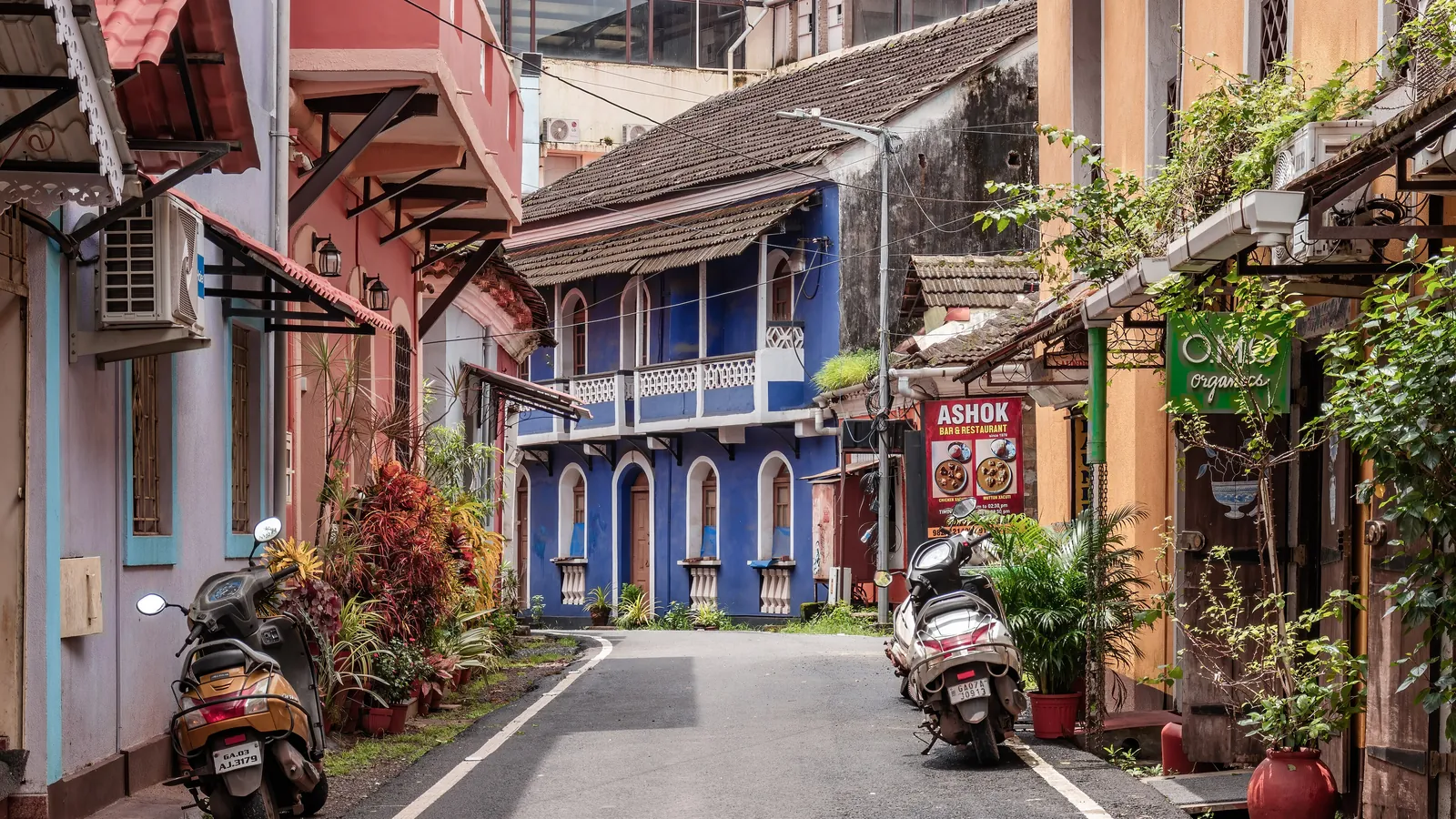
11. Fontainhas, Panaji
Goa's Latin Quarter, with narrow lanes of colourful Portuguese-style houses with tiled roofs and balconies, bakeries, art galleries and small restaurants. Walk here early in the morning or in the golden hour for photographs.
12. Old Goa
Once the capital of Portuguese India, Old Goa's grand churches and convents are a UNESCO World Heritage Site. The Basilica of Bom Jesus holds the relics of St. Francis Xavier, and the Se Cathedral is one of the largest churches in Asia.

13. Divar and Chorão islands
Take a free ferry across the Mandovi River to these sleepy islands, with old Portuguese mansions, paddy fields and village churches. Chorão is home to the Salim Ali Bird Sanctuary, a mangrove reserve best explored by canoe.
14. Ponda spice plantations and temples
Tour an organic spice farm with a traditional Goan lunch on banana leaves, and visit the beautiful Mangueshi and Shantadurga temples, with their distinctive Goan architecture and lamp towers.
Goa's jungles and waterfalls
15. Dudhsagar Falls
One of India's tallest waterfalls, about 310 metres high, where the Mandovi River pours down a cliff in four tiers on the Goa-Karnataka border, like a sea of milk. Jeep safaris through Bhagwan Mahavir Wildlife Sanctuary usually operate from October to May; access is restricted in the monsoon, when the falls are most dramatic.
16. Netravali
A forest region in south Goa with the mysterious "bubbling lake", where bubbles rise from the water, and waterfalls such as Mainapi, reached by jungle trails in and after the monsoon.
17. Cotigao Wildlife Sanctuary
Dense forest near Palolem with treetop watchtowers, streams and a chance to spot deer, giant squirrels and birds.
18. Chorla Ghat
A misty mountain road on the Goa-Karnataka-Maharashtra border, with waterfalls and viewpoints, spectacular in the monsoon.
Offbeat experiences
19. Heritage homes and villages
Visit restored Portuguese mansions such as the Braganza House in Chandor and the Figueiredo Mansion in Loutolim, and cycle through villages such as Aldona and Saligão.
20. Festivals
Time your trip with the Goa Carnival (February), Shigmo (March), a colourful Hindu spring festival with floats and folk dances, or São João (June), when young men leap into flooded wells and ponds wearing crowns of leaves and flowers.
A 5-day offbeat Goa itinerary
- Day 1: Arrive; afternoon in Fontainhas and sunset at Miramar or Dona Paula.
- Day 2: Old Goa churches, ferry to Divar island, spice plantation lunch in Ponda.
- Day 3: Drive south to Palolem via Cabo de Rama; sunset kayak.
- Day 4: Boat to Butterfly Beach, afternoon at Agonda or Cola.
- Day 5: Dudhsagar jeep safari (in season) or Netravali, then fly home.
Goa for families
Offbeat Goa is wonderful for children. Choose calm, shallow beaches such as Palolem, Patnem and Bharatpur-style coves in the south, take a dolphin-watching boat trip, visit a spice plantation with an elephant-free farm tour, explore the forts of Aguada and Chapora, and cycle through villages on quiet mornings. Many boutique resorts have family cottages and pools.
Monsoon Goa
From June to September, Goa transforms into a lush green landscape of paddy fields, flowing rivers and waterfalls. Beaches are too rough for swimming and many shacks close, but it is the perfect time for scenic drives through the Western Ghats, waterfall treks in Netravali and Chorla, cosy stays in heritage homes and the joyful São João festival in late June. Prices drop sharply, and the state feels peaceful and local.
Nightlife beyond Baga
Offbeat Goa has its own relaxed evening scene: live music in the cafes of Assagao and Anjuna, sunset sessions at Ashwem and Morjim, Saturday night markets in Arpora, and quiet beachfront dinners with candles and waves in the south. It is a far cry from the crowded clubs of Baga.
Beach safety and etiquette
Swim only at beaches with lifeguards and follow the flags, as currents can be strong even in calm-looking water. Avoid swimming after dark or after drinking. Respect local customs by covering up when you leave the beach, keep noise down in villages at night, and never leave rubbish on the sand. Many villages in the south are fishing communities; boats and nets on the beach are people's livelihoods, so do not climb on them.
Early mornings are the best time to enjoy Goa's beaches almost to yourself.
Goan food
Goan food is a delicious fusion of Konkani and Portuguese flavours. Vegetarians should try vegetable xacuti, a rich coconut and roasted spice curry; khatkhate, a mixed vegetable stew; mushroom or chickpea cafreal; Goan thalis with sol kadi, a pink kokum and coconut drink; and patoleo, sweet rice rolls steamed in turmeric leaves. Everyone should try bebinca, a layered coconut and egg dessert, and poi, Goan bread. Seafood lovers have fish curry rice, prawn balchão and recheado.
Where to stay
- South Goa: eco-huts and boutique resorts in Palolem, Agonda and Patnem.
- North Goa: boutique stays in Ashwem, Mandrem and Assagao.
- Panaji and Fontainhas: heritage guesthouses.
- Villages: restored Portuguese homes and homestays in Aldona, Loutolim and Siolim.
Getting around
- Scooter rental: the classic way to explore; carry a valid licence and wear a helmet.
- Self-drive cars: widely available and comfortable for families.
- Taxis and app cabs: Goa has its own taxi system and apps such as GoaMiles.
- Ferries: free government ferries connect the river islands.
How much does an offbeat Goa trip cost?
- Flights to Goa (Dabolim or Mopa): ₹4,000 to ₹10,000 each way.
- Beach huts and boutique stays: ₹2,500 to ₹8,000 per night; luxury villas more.
- Scooter rental: ₹400 to ₹700 per day; self-drive cars ₹1,500 to ₹3,000.
- Dudhsagar jeep safari: shared jeeps cost a few hundred rupees per person plus entry fees.
- Food: ₹1,000 to ₹2,000 per person per day.
A 5-day offbeat Goa trip typically costs ₹20,000 to ₹40,000 per person, including flights, stays, transport and food.
Responsible travel in Goa
- Respect turtle-nesting areas and never use lights on nesting beaches at night.
- Avoid single-use plastic and carry your rubbish back.
- Dress modestly in villages, churches and temples.
- Never drink and drive; Goa's roads are busy and police checks are common.
- Swim only where lifeguards are present, and never during the monsoon.
Mistakes to avoid
Staying only in Baga and Calangute. You will miss the Goa most visitors fall in love with.
Visiting Dudhsagar in the monsoon expecting jeep safaris. Access is usually closed.
Assuming all beaches are open year-round. Most shacks close from June to September.
Underestimating distances. North to south Goa can take two hours.
Plan your offbeat Goa trip with The Vacation Code
Offbeat Goa is slower, greener and more beautiful than the crowded strip most people see. Our team can plan stays, transport and experiences. For more coastal escapes, explore our Alibaug beach glamping package, read our Gokarna trip guide and our scenic train journeys list, which includes the Konkan Railway, or browse all our tours.
Frequently asked questions
Which are the best offbeat beaches in Goa?
Some of the best offbeat beaches in Goa include Agonda, Patnem, Butterfly Beach, Cola, Betul, Ashwem, Mandrem, Morjim and Querim.
What is the best time to visit Goa?
November to February offers the best weather and calm seas. The monsoon from June to September is green and quiet but many beach shacks close and swimming is unsafe.
Is South Goa better than North Goa?
South Goa is better for quiet beaches and relaxation, while North Goa is better for nightlife, cafes and markets. Offbeat North Goa beaches such as Ashwem and Mandrem are also calm.
When can I visit Dudhsagar Falls?
Jeep safaris to Dudhsagar Falls usually operate from about October to May. Access is typically restricted during the monsoon, when the falls are most powerful.
What is Fontainhas in Goa?
Fontainhas is the Latin Quarter of Panaji, known for its narrow lanes of colourful Portuguese-style houses, bakeries and galleries.
How much does a 5-day Goa trip cost?
A 5-day offbeat Goa trip typically costs 20,000 to 40,000 rupees per person including flights, stays, transport and food.
Where can I see turtles in Goa?
Olive Ridley turtles nest at beaches such as Morjim, Agonda and Galgibaga between roughly November and March. Protected nesting areas should be visited respectfully.