📌 In this guide14 sections
- When can you see the northern lights?
- The 8 best places to see the northern lights
- The night the aurora glowed over Ladakh
- Aurora trips with children and parents
- Aurora myths and legends
- How to boost your chances of seeing the aurora
- Best time to go
- Visas for Indian travellers
- How much does a northern lights trip cost from India?
- What to pack for the Arctic
- Photographing the northern lights
- Mistakes to avoid
- Plan your northern lights trip with The Vacation Code
- Frequently asked questions
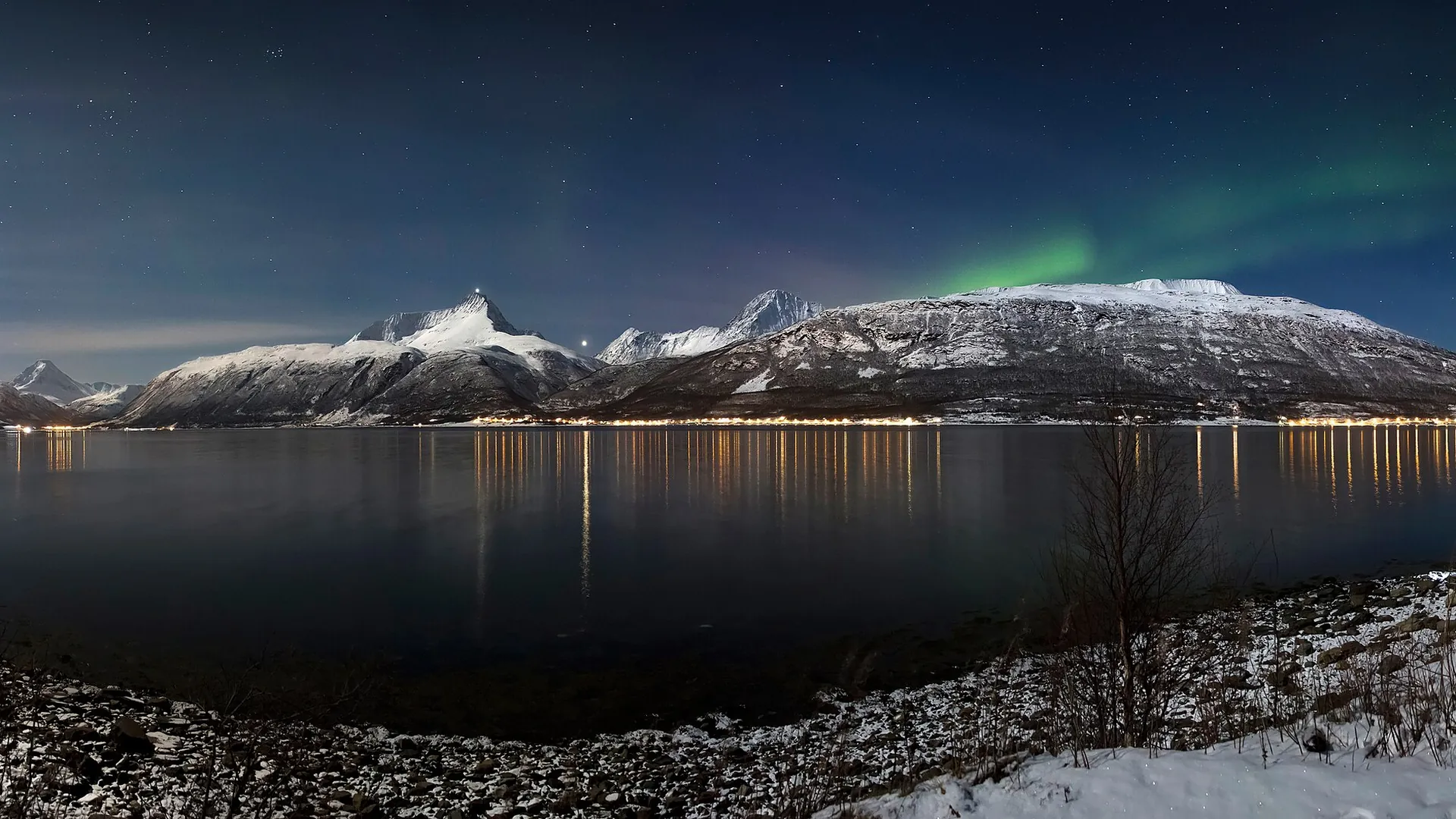
Knowing where to see the northern lights is the first step towards one of the most magical experiences on earth. Picture a frozen fjord in northern Norway at midnight, the snow crunching under your boots, the air so cold it stings. Then a pale arc appears across the sky, brightens into glowing green, and begins to ripple and swirl like a curtain in the wind, sometimes fringed with pink and violet. People around you gasp, laugh or simply stand speechless. It is nature's greatest light show, and it has been on Indian travellers' bucket lists ever since images of it started filling our phones.
The aurora borealis happens when charged particles from the sun collide with gases in the earth's upper atmosphere, guided by the planet's magnetic field towards the poles. The result is a glowing band of light around the Arctic, called the auroral oval. To see it, you need to be under that oval, on a dark, clear night, during the right season. Recent years have brought a period of high solar activity, known as the solar maximum, which has produced some of the strongest aurora displays in decades, including a rare night when the lights were photographed from Ladakh.
This guide explains where to see the northern lights, the eight best destinations for Indian travellers, when to go, how to boost your chances, visas, costs and what to pack.
When can you see the northern lights?
- Season: roughly late September to late March in the Arctic, when nights are long and dark. There is no aurora viewing in summer because the sky never gets dark enough.
- Time of night: most activity occurs between about 9 p.m. and 2 a.m., though displays can happen any time it is dark.
- Weather: clear skies are essential. Cloud cover is the most common reason people miss the lights.
- Solar activity: measured by the Kp index; higher numbers mean stronger displays visible further south.
The 8 best places to see the northern lights
1. Tromsø, Norway
Tromsø, a lively Arctic city at around 69°N, is one of the world's best bases for aurora hunting. It sits right under the auroral oval, has a relatively mild coastal climate for its latitude, and offers everything from bus tours chasing clear skies to reindeer sledding, husky rides, whale watching in winter and fjord cruises. Its range of hotels, restaurants and flights makes it an ideal first aurora trip. A Schengen visa covers Norway.
2. Finnish Lapland
Finnish Lapland combines the aurora with a winter wonderland experience. Rovaniemi, on the Arctic Circle, is home to Santa Claus Village, loved by families. Further north, Saariselkä, Levi and Inari offer darker skies, and some resorts offer glass igloos and aurora cabins, where you can watch the sky from your bed. Activities include husky and reindeer safaris, snowmobiling and ice fishing. Finland is covered by a Schengen visa.
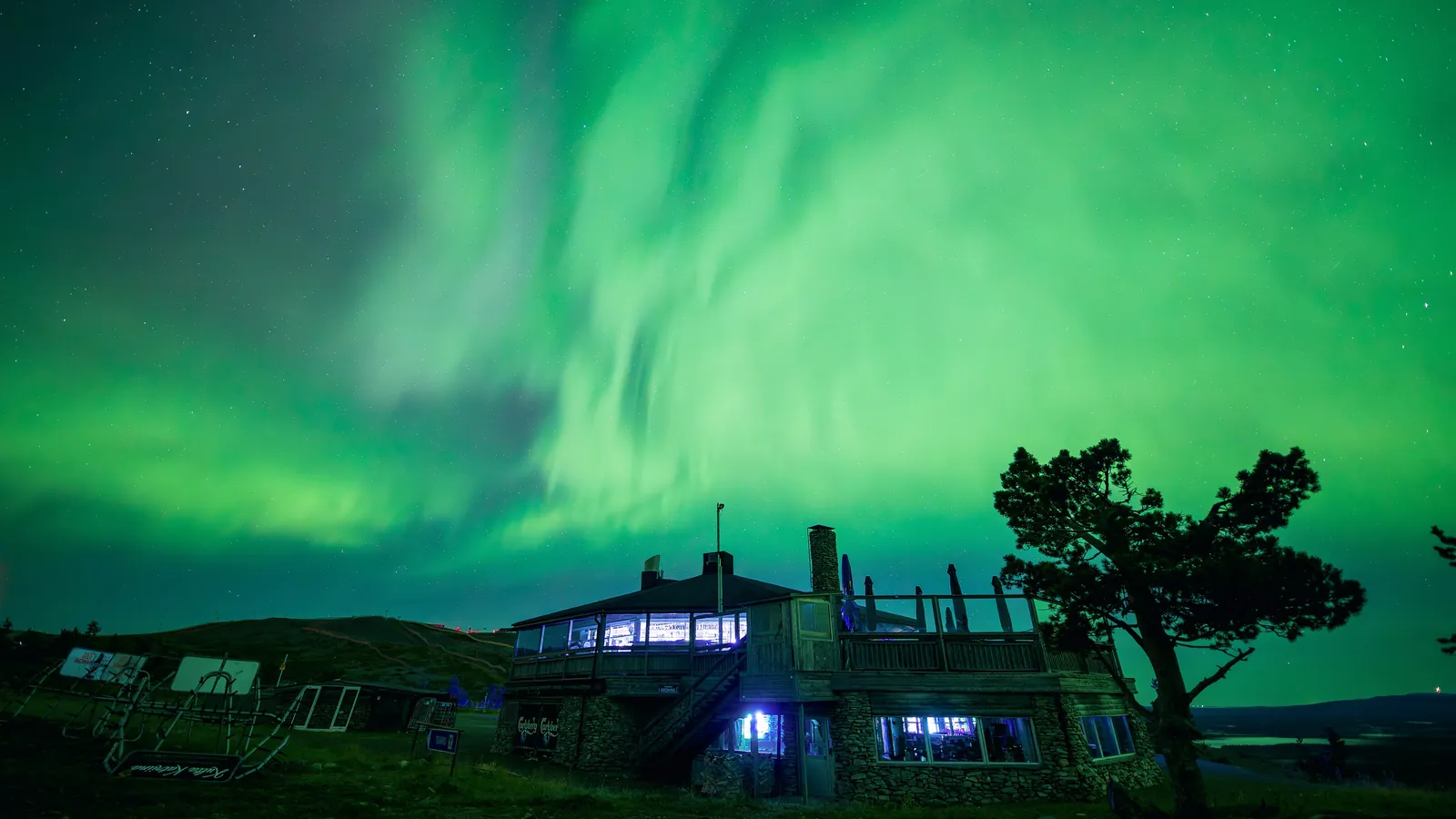
3. Abisko, Sweden
Abisko National Park in Swedish Lapland is famous among aurora enthusiasts for its "blue hole", a patch of sky over Lake Torneträsk that often stays clear when surrounding areas are cloudy, thanks to the surrounding mountains. The Aurora Sky Station, reached by chairlift, is a dedicated viewing platform. Nearby Kiruna has the famous Icehotel in Jukkasjärvi, rebuilt from ice every winter.
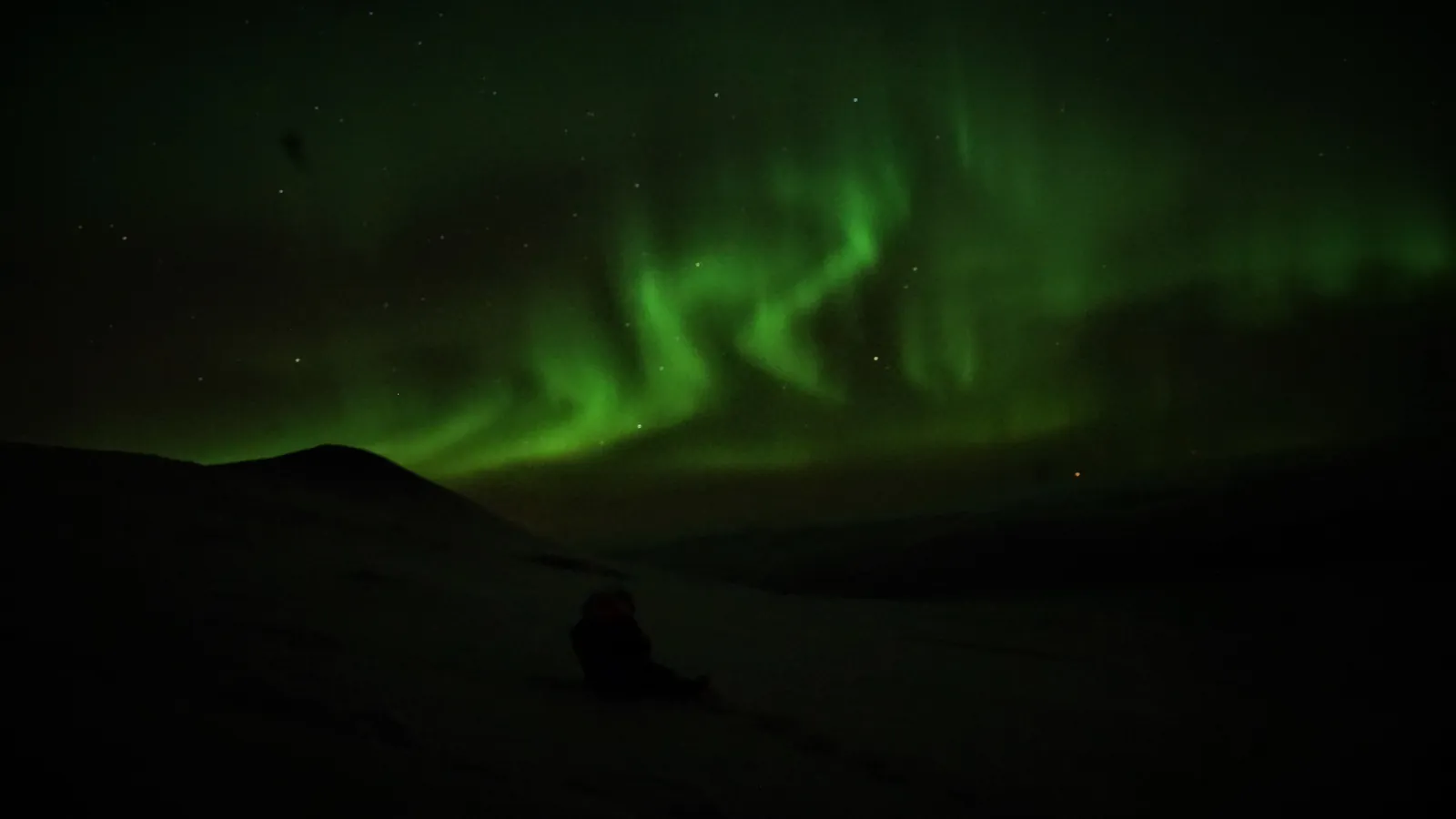
4. Iceland
Iceland offers the aurora plus waterfalls, glaciers, ice caves and geothermal lagoons, making it a superb all-round winter trip. The best viewing is away from Reykjavík's lights, along the South Coast, on the Snæfellsnes peninsula or in the north around Akureyri. Weather can change quickly, so staying several nights and being flexible is key. Read our full Iceland trip guide.
5. The Lofoten Islands, Norway
Lofoten's jagged peaks, fishing villages and red cabins make some of the most beautiful aurora photographs on earth. It is more remote than Tromsø, but the scenery is extraordinary. Combine with Tromsø on a longer trip.
6. Yellowknife and the Yukon, Canada
Yellowknife in Canada's Northwest Territories claims some of the highest numbers of aurora nights in the world, thanks to flat terrain, a dry climate and clear skies. Aurora lodges with heated viewing cabins make it comfortable even at extreme temperatures. Whitehorse in the Yukon offers aurora viewing with wilderness adventures. Indians need a Canadian visitor visa.
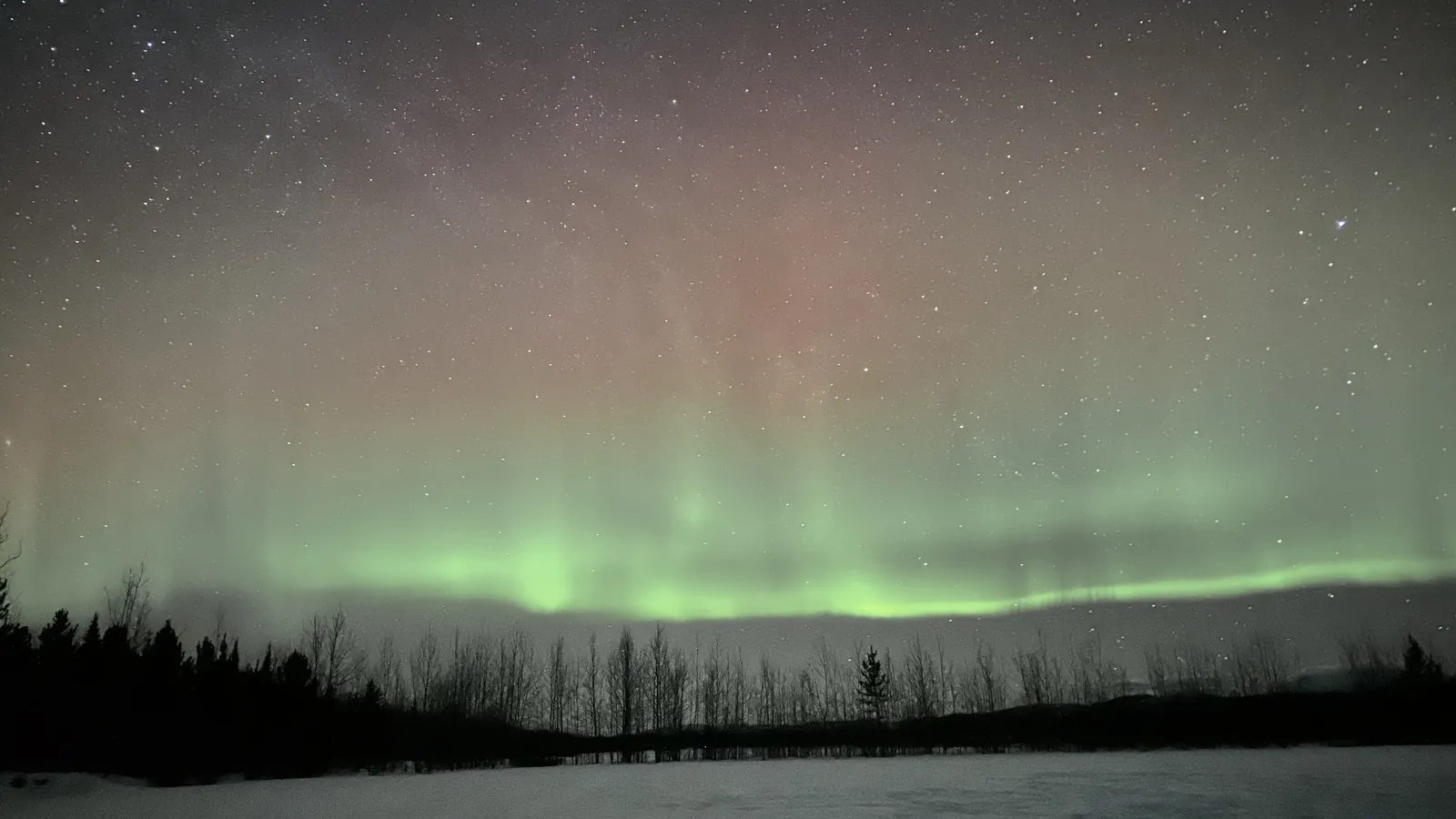
7. Fairbanks, Alaska
Fairbanks sits under the auroral oval and is known for frequent displays, hot springs such as Chena, and dog sledding. Indians need a US visa, and flights are long, but for those already travelling to the US, it is a wonderful addition.
8. Greenland and the Faroe Islands
For adventurous travellers, Greenland offers aurora over icebergs and fjords, and the Faroe Islands add dramatic cliffs. Both are remote and more expensive, with limited flights. Visa rules differ from the Schengen area, so check carefully.
The night the aurora glowed over Ladakh
The northern lights are normally an Arctic phenomenon, but during exceptionally strong geomagnetic storms, the auroral oval expands far towards the equator. In May 2024, one of the most powerful solar storms in two decades produced auroras seen across Europe, North America and parts of Asia, and astronomers at the Indian Astronomical Observatory in Hanle, Ladakh, captured a faint red aurora glowing above the Himalayan horizon. More faint auroral glows were recorded there during later storms. These events are rare and unpredictable, and the lights appear low and red rather than the dramatic green curtains of the Arctic, but they show just how powerful the sun can be. Hanle is also India's first dark sky reserve, wonderful for stargazing even without an aurora. Read our Leh Ladakh guide or ride there with our Leh Ladakh High-Pass Motorbike Expedition.
Aurora trips with children and parents
Arctic aurora holidays are wonderful for families. Children love Santa Claus Village in Rovaniemi, husky rides and building snowmen, and glass igloos let everyone watch the sky from a warm bed. Choose destinations with good infrastructure such as Tromsø, Rovaniemi or Levi, dress everyone in proper thermal layers, keep outdoor sessions short for young children, and pick tours that include heated shelters or warm cabins. Older travellers should consult a doctor about extreme cold if they have heart or circulation problems.
Aurora myths and legends
Arctic cultures have told stories about the lights for thousands of years. The Sámi people of northern Scandinavia traditionally treated the aurora with respect and quiet, and some believed it was unwise to wave or whistle at it. In Finnish folklore, the lights were called revontulet, "fox fires", said to be sparks thrown into the sky by a magical fox running across the snow. Knowing these stories makes a night under the aurora feel even more special.
How to boost your chances of seeing the aurora
- Stay at least four to five nights in aurora territory; one night is a gamble.
- Get away from city lights. Even a short drive into the countryside makes a huge difference.
- Watch the forecasts: use aurora apps and space weather forecasts for the Kp index, and local cloud forecasts.
- Join a guided chase: local guides drive to where the skies are clear, sometimes hundreds of kilometres in a night.
- Be patient: activity comes in bursts; wait outside and check the sky often.
- Avoid the full moon if possible; darker skies show fainter displays.
- Travel around the equinoxes (late September and March), which are often associated with higher geomagnetic activity.
Best time to go
- September to October: milder temperatures, lakes not yet frozen, reflections of the aurora in water.
- November to February: the darkest months and a full snowy winter wonderland, with Christmas magic in Lapland. Very cold.
- March: longer days for sightseeing, deep snow and still-dark nights; a favourite with many photographers.
Visas for Indian travellers
- Norway, Finland, Sweden and Iceland: a single Schengen visa.
- Canada: a Canadian visitor visa.
- Alaska: a US visa.
- Greenland and the Faroe Islands: separate rules from the Schengen area; check with the Danish embassy.
How much does a northern lights trip cost from India?
- Return flights to Tromsø, Rovaniemi or Reykjavík: typically ₹70,000 to ₹1,30,000 per person, usually with one or two stops.
- Visa and insurance: roughly ₹11,000 to ₹16,000 for Schengen countries.
- Hotels: ₹10,000 to ₹25,000 per night; glass igloos and aurora cabins cost much more, often ₹40,000 or more per night.
- Aurora chase tours: ₹10,000 to ₹20,000 per person per night.
- Activities: husky safaris, reindeer rides and snowmobiling each cost roughly ₹12,000 to ₹25,000 per person.
- Food: ₹3,000 to ₹5,000 per person per day; Nordic countries are expensive.
A 6 to 7-day aurora trip typically costs ₹2,50,000 to ₹4,50,000 per person, depending on destination, accommodation and activities.
What to pack for the Arctic
- Thermal base layers (top and bottom), a fleece or wool mid-layer and a down or insulated outer jacket.
- Insulated, waterproof trousers.
- Warm boots rated for snow and ice, plus wool socks.
- A warm hat, neck gaiter and insulated gloves, with thin liner gloves for using your phone or camera.
- Hand and foot warmers.
- A tripod and a camera or phone with a night mode.
Many tour operators and hotels lend thermal suits and boots, which saves packing heavy gear.
Photographing the northern lights
- Use a tripod and manual settings: a wide aperture, ISO 1600 to 3200 and exposures of 5 to 15 seconds.
- Focus manually on a bright star or distant light.
- Include foreground interest: mountains, trees, cabins or reflections.
- Keep spare batteries warm in an inside pocket.
- Modern phones in night mode, held steady on a tripod, can capture the aurora beautifully.
Mistakes to avoid
Travelling in summer. There is no aurora viewing between about mid-April and August in the Arctic.
Planning only one or two nights. Weather and solar activity are unpredictable.
Staying in brightly lit city centres without joining tours.
Underdressing. Temperatures can drop to -20°C or lower; frostbite is a real risk.
Plan your northern lights trip with The Vacation Code
Knowing where to see the northern lights is only the start; timing, location and flexibility make the difference. Our team can help with Schengen visa files, hotels, aurora tours and Arctic activities. Explore our Scandinavia tour for a summer taste of the Nordics, read our Scandinavia tour guide and Iceland guide, or browse all our international tours.
Frequently asked questions
Where is the best place to see the northern lights?
Some of the best places to see the northern lights are Tromsø and the Lofoten Islands in Norway, Finnish Lapland, Abisko in Sweden, Iceland, Yellowknife and the Yukon in Canada, and Fairbanks in Alaska.
What is the best month to see the northern lights?
The aurora season runs from roughly late September to late March. September and March combine dark nights with milder weather, while November to February offers the longest nights.
Can you see the northern lights from India?
Very rarely. During exceptionally strong solar storms, such as in May 2024, faint red auroras were photographed from Hanle in Ladakh, but these events are rare and unpredictable.
How much does a northern lights trip cost from India?
A 6 to 7-day aurora trip typically costs 2,50,000 to 4,50,000 rupees per person, depending on destination, accommodation and activities.
Do Indians need a visa to see the northern lights in Norway or Finland?
Yes. Norway, Finland, Sweden and Iceland are all covered by a single Schengen visa. Canada and Alaska require Canadian and US visas.
How many nights should I stay to see the aurora?
Plan at least four to five nights in aurora territory to improve your chances, as clear skies and solar activity vary from night to night.
Can I see the northern lights in summer?
No. In the Arctic summer the sky does not get dark enough, so the aurora is not visible from about mid-April to August.