📌 In this guide20 sections
- About the Ram Mandir
- Darshan timings and rules
- Best time for an Ayodhya trip
- How to reach Ayodhya
- A 2-day Ayodhya itinerary
- Deepotsav: Ayodhya's festival of lights
- Ayodhya's transformation
- Following the Ramayana trail
- Photography and security rules
- If you only have one day
- Where to stay
- Food in Ayodhya
- Getting around
- How much does an Ayodhya trip cost?
- Combining Ayodhya, Varanasi and Prayagraj
- Tips for elderly pilgrims
- What to pack
- Mistakes to avoid
- Plan your Ayodhya trip with The Vacation Code
- Frequently asked questions
An Ayodhya trip has become one of the most meaningful journeys for millions of Indian families. You join the flow of pilgrims walking towards the temple in the early morning, chanting softly, many of them grandparents who waited a lifetime for this moment. The carved pink sandstone of the Shri Ram Janmabhoomi Mandir glows in the sunlight, rising in tiers of intricate pillars and spires. Inside, after a slow and orderly queue, you finally stand before the idol of Ram Lalla, the child form of Lord Rama, adorned in gold and flowers, and for a few seconds the crowd falls silent. Many people cry. Almost everyone folds their hands a little tighter.
Ayodhya, on the banks of the Saryu River in Uttar Pradesh, is revered as the birthplace of Lord Rama and one of the seven holiest cities in Hinduism. Since the consecration of the new Ram Mandir in January 2024, it has transformed rapidly, with a new airport, a redeveloped railway station, wide roads, new ghats and hotels. For pilgrims and travellers alike, it is now easier than ever to visit.
This Ayodhya trip guide covers darshan timings and rules, how to reach, a 2-day itinerary, the best time to visit including Deepotsav, where to stay, food, costs and how to combine Ayodhya with Varanasi and Prayagraj.
About the Ram Mandir
The Shri Ram Janmabhoomi Temple is built in the traditional Nagara style of North Indian temple architecture, largely from pink sandstone from Rajasthan, without the use of steel. It has multiple floors, with the main sanctum on the ground floor housing the idol of Ram Lalla, and many pillars carved with deities, scenes from the Ramayana and floral motifs. The pran pratishtha, the consecration ceremony, took place on 22 January 2024. The wider temple complex continues to develop, with additional shrines and facilities.
Darshan timings and rules
- Timings: the temple is usually open for darshan from early morning to late evening, with a short break around midday, and aarti at set times. Timings can change for festivals and seasons, so check the official Shri Ram Janmabhoomi Teerth Kshetra website before visiting.
- Entry: general darshan is free. Aarti passes and special darshan arrangements may be available through the official website.
- Prohibited items: mobile phones, cameras, bags, electronic items and leather goods are generally not allowed inside. Free lockers are available near the entry.
- Dress: modest, traditional clothing is recommended.
- Elderly and differently abled visitors: wheelchairs and assistance are available; ask at the facilitation centres.
Best time for an Ayodhya trip
- October to March: the best weather for walking between temples and ghats. December and January mornings can be very foggy and cold.
- Deepotsav (Diwali eve): Ayodhya lights up with lakhs of diyas along the Saryu ghats, setting world records in recent years, with light shows, processions and celebrations. Book months in advance.
- Ram Navami (March or April): the birthday of Lord Rama, with huge crowds.
- Weekdays: quieter than weekends and holidays.
- April to June: very hot; visit early in the morning.
How to reach Ayodhya
- By air: Maharishi Valmiki International Airport, opened in December 2023, has flights from Delhi, Mumbai, Bengaluru, Kolkata, Ahmedabad and other cities. Lucknow airport, about two and a half hours away, has more options.
- By train: the redeveloped Ayodhya Dham Junction has trains from many cities, including Vande Bharat and Amrit Bharat services.
- By road: about 135 kilometres from Lucknow, 200 kilometres from Varanasi and 170 kilometres from Prayagraj.
A 2-day Ayodhya itinerary
Day 1: Ram Mandir and Hanuman Garhi
Start early at the Ram Mandir, when queues are shorter and the morning light is beautiful. Deposit phones and bags in the lockers first. Allow at least two to three hours for security, queueing and darshan on busy days.
Visit Hanuman Garhi, a hilltop temple dedicated to Lord Hanuman, believed to guard Ayodhya. Tradition holds that devotees should visit Hanuman Garhi before the Ram Mandir, so many pilgrims start here. Climb the steps to the shrine, where the atmosphere is lively and devotional.
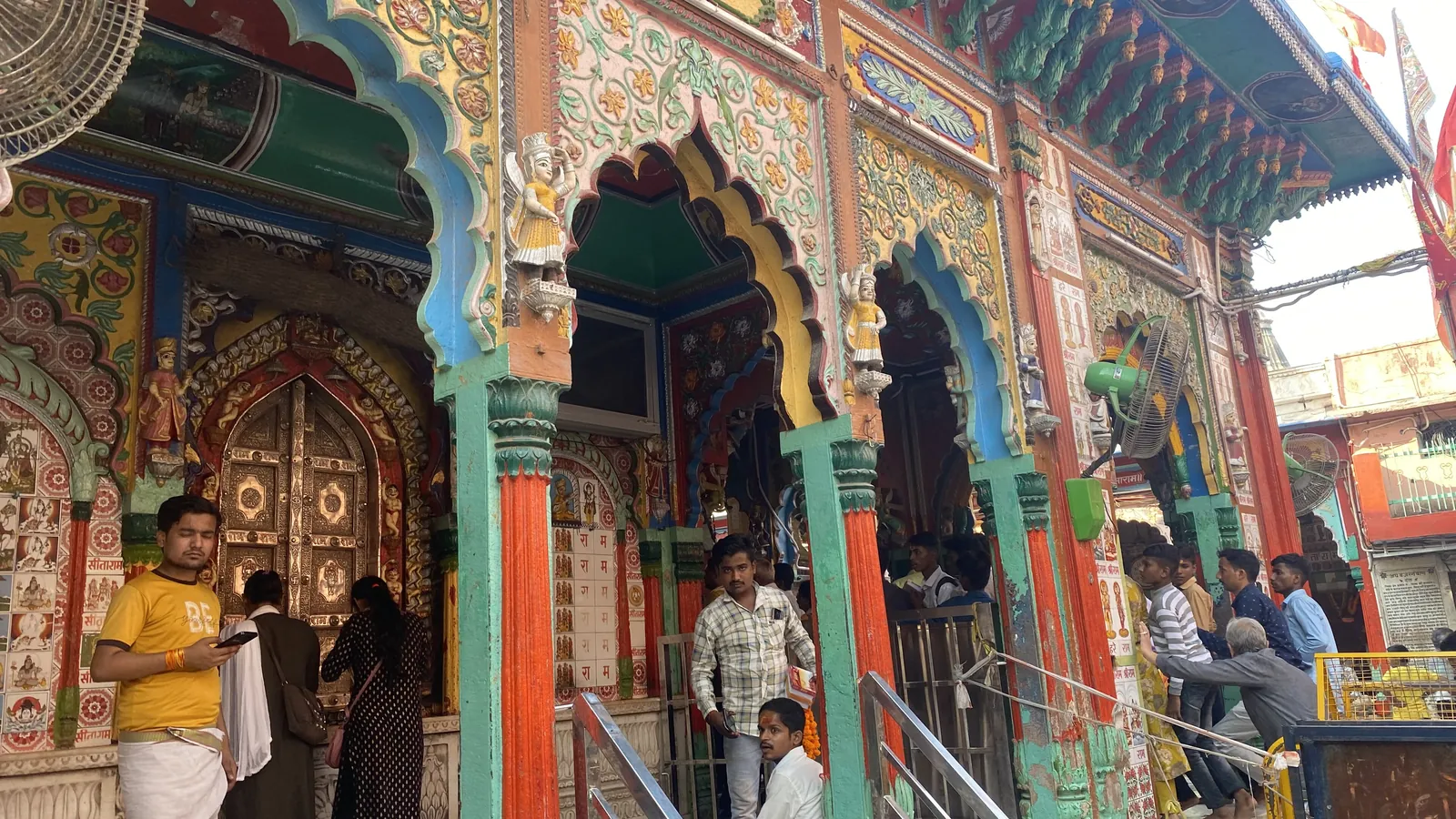
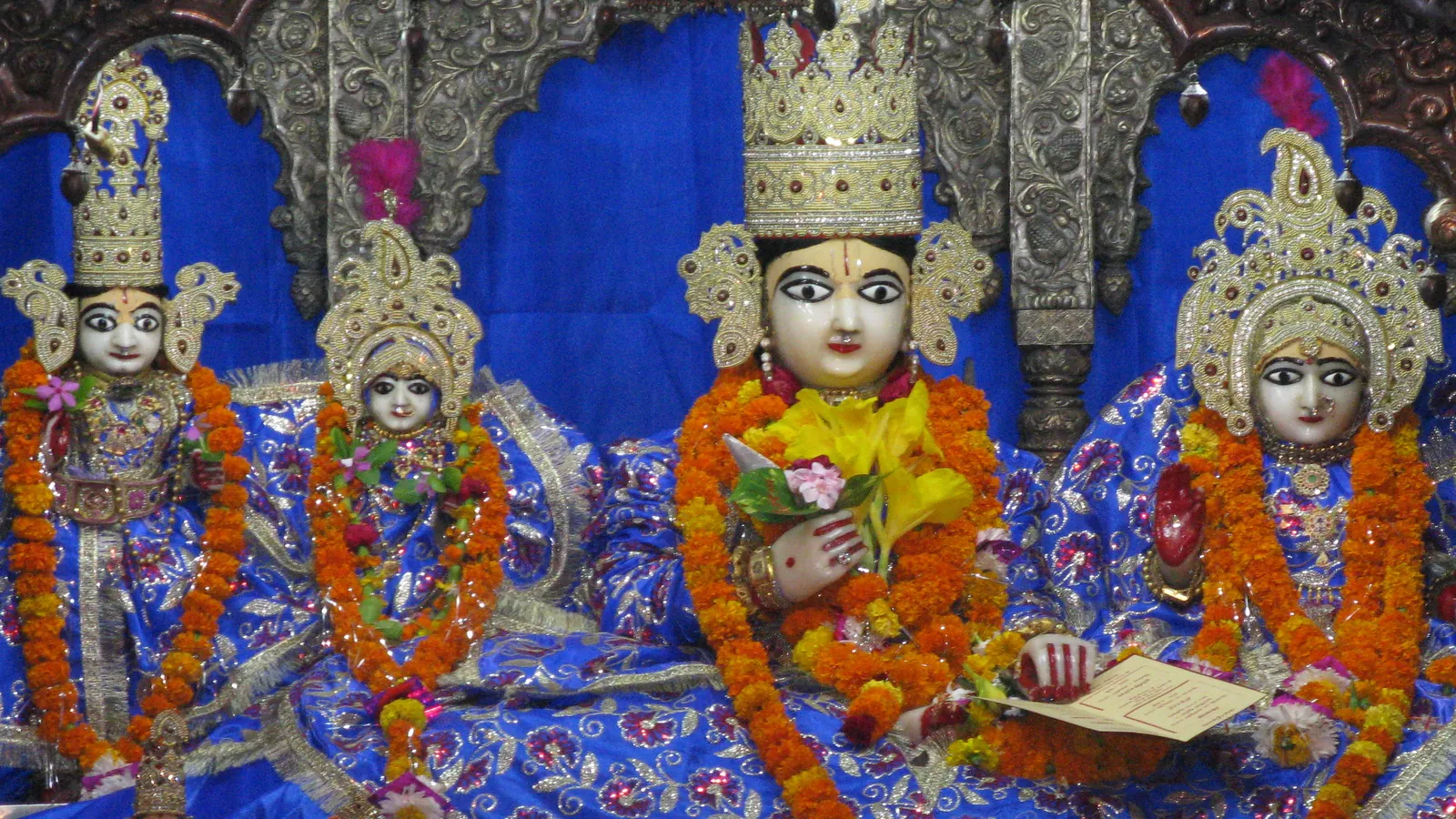
Continue to Kanak Bhawan, a beautiful temple believed to have been gifted to Sita by Kaikeyi, with golden-crowned idols of Rama and Sita, and Dashrath Mahal, associated with King Dasharatha's palace.
Day 1 evening: the Saryu aarti
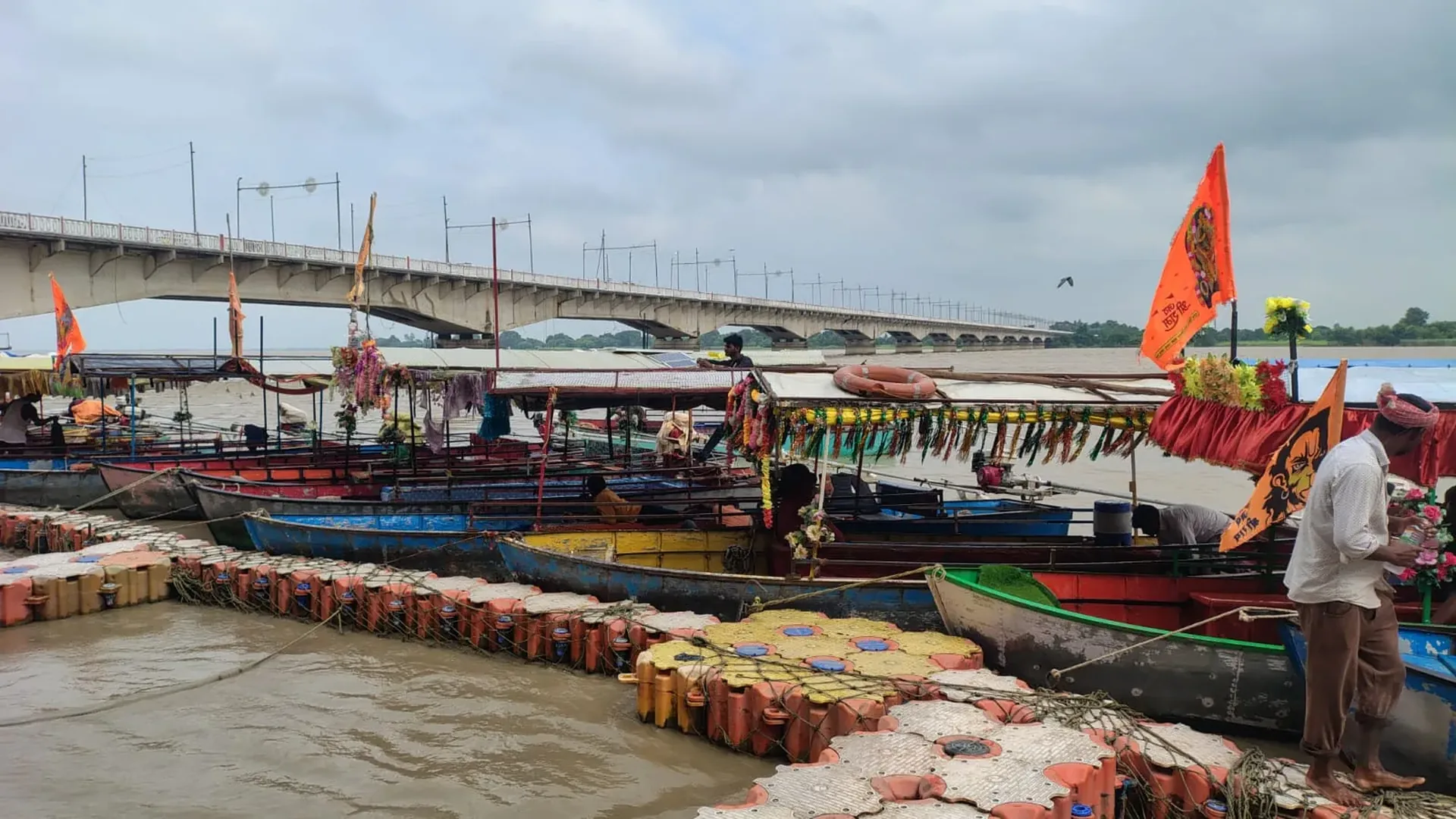
At sunset, head to Ram ki Paidi and the Saryu ghats for the evening aarti, when lamps are floated on the river and chants echo across the water. Take a boat ride on the Saryu, and enjoy the light and sound shows when they run.
Day 2: Temples and ghats
Visit the Nageshwarnath Temple, an ancient Shiva temple believed to have been built by Kush, son of Lord Rama. See Guptar Ghat, where Lord Rama is believed to have taken jal samadhi, and Sita ki Rasoi, a symbolic kitchen. Explore Treta ke Thakur and the Tulsi Smarak Bhawan museum, which celebrates the poet Tulsidas, author of the Ramcharitmanas. In the afternoon, visit Bharat Kund in Nandigram, about 15 kilometres away, where Bharat is believed to have ruled with Rama's sandals on the throne.
Deepotsav: Ayodhya's festival of lights
On the eve of Diwali, Ayodhya celebrates Deepotsav, commemorating Lord Rama's return after 14 years of exile. Lakhs of earthen lamps are lit along the Ram ki Paidi ghats in a single evening, and in recent years the event has set Guinness World Records for the largest display of oil lamps. The celebrations include laser shows, cultural performances and a grand procession. It is breathtaking, but also extremely crowded; book hotels well in advance, expect traffic restrictions, and arrive early.
Ayodhya's transformation
In just a few years, Ayodhya has changed dramatically. A new international airport, a redeveloped railway station designed to reflect temple architecture, the widened Ram Path and Bhakti Path, new ghats along the Saryu, parking facilities and a wave of new hotels have made it much easier for pilgrims to visit. At the same time, the old town's lanes, temples and akharas retain their traditional character, so give yourself time to wander beyond the main temple.
Following the Ramayana trail
For many devotees, Ayodhya is the start of a longer journey through places associated with the Ramayana. Shringverpur near Prayagraj is where Rama is believed to have crossed the Ganga with the help of the boatman Nishadraj. Chitrakoot, on the Uttar Pradesh-Madhya Pradesh border, is where Rama, Sita and Lakshman are believed to have spent much of their exile. Further afield, Nashik's Panchavati, Hampi's Kishkindha and Rameswaram are all linked to the epic, and pilgrims also visit Ramayana sites in Sri Lanka. Read our Sri Lanka trip guide for the Lanka chapter of the story.
Photography and security rules
Photography is not permitted inside the main temple, and phones must be deposited before entering. Security checks are thorough, so carry minimal belongings. Photography is generally allowed at the ghats and in the town, but always ask before photographing people and priests, and respect signs at other temples.
If you only have one day
- Early morning: Hanuman Garhi, then the Ram Mandir after depositing phones and bags.
- Late morning: Kanak Bhawan and Dashrath Mahal.
- Lunch: a sattvik thali near the temple area.
- Afternoon: Nageshwarnath Temple and a walk along the Saryu ghats.
- Evening: the Saryu aarti at Ram ki Paidi and a boat ride.
On festival days such as Ram Navami and Deepotsav, traffic restrictions are common and vehicles may be stopped far from the temple, so wear comfortable shoes, carry water, and allow extra time to walk. Keep a printed copy of your hotel address and a family meeting point in case anyone gets separated in the crowds.
Carry small change for prasad and rickshaws.
Where to stay
- Hotels near the temple: new hotels and dharamshalas within walking distance of the Ram Mandir and Hanuman Garhi.
- Tent cities: set up during major festivals and peak seasons.
- Faizabad (Ayodhya city): more hotel choices, a short drive from the temples.
- Homestays: registered homestays run by local families.
Book early for weekends, festivals and holidays, when demand is very high.
Food in Ayodhya
Ayodhya is a sattvik city, and non-vegetarian food and alcohol are not available near the temple areas. Enjoy pure vegetarian food: puri-sabzi, kachori, chaat, lassi, kulhad chai and the peda and laddoo prasad sold outside temples. Many restaurants and hotels serve North Indian, South Indian and Jain food.
Getting around
- E-rickshaws and autos: the easiest way between temples.
- Walking: Hanuman Garhi, Kanak Bhawan and the Ram Mandir are close together.
- Taxis: for Nandigram, Guptar Ghat and the airport.
- Golf carts: sometimes available for elderly visitors near the temple complex.
How much does an Ayodhya trip cost?
- Flights or trains: ₹2,500 to ₹10,000 each way depending on city and class.
- Hotels: ₹2,000 to ₹6,000 per night mid-range; more during festivals.
- Local transport: ₹500 to ₹1,500 per day.
- Food: ₹400 to ₹1,000 per person per day.
A 2-day Ayodhya trip typically costs ₹8,000 to ₹20,000 per person, including travel, hotel, local transport and food.
Combining Ayodhya, Varanasi and Prayagraj
Many families plan a sacred circuit of Uttar Pradesh over 6 to 7 days:
- Days 1 to 2: Ayodhya.
- Days 3 to 5: Varanasi, for the ghats, Ganga aarti and Kashi Vishwanath.
- Days 6 to 7: Prayagraj, for a holy dip at the Triveni Sangam and the Hanuman temple.
Read our Varanasi travel guide for the second half of the circuit.
Tips for elderly pilgrims
- Visit on weekdays and early in the morning.
- Request wheelchairs at the facilitation centre.
- Carry water, light snacks and any medicines.
- Choose a hotel close to the temple to minimise walking.
- Rest between temples; the heat and crowds can be tiring.
What to pack
- Comfortable, easy-to-remove footwear.
- Modest traditional clothing.
- A light shawl or jacket for winter mornings.
- A small bag for items allowed inside, and a separate bag for lockers.
- Cash for prasad, rickshaws and donations.
Mistakes to avoid
Carrying phones and bags to the temple queue. Deposit them in lockers first to avoid going back.
Visiting on major festivals without planning. Crowds can be enormous; book everything early.
Relying on outdated timings. Check the official temple website before your visit.
Rushing. Give Ayodhya at least a full day and an evening at the Saryu.
Plan your Ayodhya trip with The Vacation Code
An Ayodhya trip is a journey of faith, history and celebration. Our team can arrange travel, hotels and a combined Ayodhya, Varanasi and Prayagraj circuit. For more spiritual journeys, read our Char Dham Yatra guide, explore our Rishikesh Ganga camping weekend and Jaipur heritage weekend, or browse all our tours.
Frequently asked questions
What are the Ram Mandir darshan timings?
The Ram Mandir is usually open from early morning to late evening with a short midday break. Timings can change for festivals, so check the official Shri Ram Janmabhoomi Teerth Kshetra website before visiting.
Can I carry my mobile phone inside the Ram Mandir?
No. Mobile phones, cameras, bags and electronic items are generally not allowed inside. Free lockers are available near the entry.
How do I reach Ayodhya?
Fly to Maharishi Valmiki International Airport in Ayodhya or to Lucknow, or take a train to Ayodhya Dham Junction. Ayodhya is about 135 kilometres from Lucknow by road.
How many days are enough for an Ayodhya trip?
One to two days is enough to visit the Ram Mandir, Hanuman Garhi, Kanak Bhawan, the Saryu ghats and nearby temples.
When is Deepotsav in Ayodhya?
Deepotsav is celebrated on the eve of Diwali, when lakhs of diyas are lit along the Saryu ghats, often setting world records.
Is non-vegetarian food available in Ayodhya?
Non-vegetarian food and alcohol are not available near the temple areas. Ayodhya offers a wide range of pure vegetarian food.
Can I combine Ayodhya with Varanasi?
Yes. Varanasi is about 200 kilometres from Ayodhya, and many pilgrims combine Ayodhya, Varanasi and Prayagraj in a 6 to 7-day circuit.