📌 In this guide20 sections
- Understanding Varanasi
- Best time to visit Varanasi
- How to reach Varanasi
- A 3-day Varanasi itinerary
- A short history of Kashi
- Music, silk and culture
- Varanasi with elderly parents
- Boat ride tips
- Must-see ghats
- Varanasi street food
- Shopping in Varanasi
- Where to stay
- Getting around
- How much does a Varanasi trip cost?
- Etiquette and respectful travel
- Combining Varanasi with Ayodhya and Prayagraj
- Who this trip suits
- Mistakes to avoid
- Plan your Varanasi trip with The Vacation Code
- Frequently asked questions
Every Varanasi travel guide tells you to wake up early, and every traveller who does is glad. At 5.30 in the morning, your wooden rowing boat pushes off from Assi Ghat into mist hanging over the Ganga. Slowly the far bank turns pink, and then the sun rises, a huge red disc over the river, lighting up a curving wall of temples, palaces and steps that stretches for kilometres. On the ghats, pilgrims wade into the water to bathe and pray, priests chant, bells ring, and wrestlers exercise in open-air akharas. Smoke rises from a cremation pyre. Life and death, faith and daily routine, all play out in front of you, as they have for thousands of years.
Varanasi, also called Kashi and Banaras, is one of the oldest continuously inhabited cities in the world and the spiritual capital of Hinduism. It is believed that dying in Kashi brings liberation, and for centuries pilgrims have come here to bathe in the Ganga, worship Lord Shiva and perform last rites. It is also a city of music, silk weaving, scholarship and legendary street food. For many visitors, Indian and foreign, it is one of the most intense and moving places they have ever been.
This Varanasi travel guide covers when to go, how to get there, a 3-day itinerary, the ghats, food, shopping, where to stay, costs and how to visit respectfully.
Understanding Varanasi
The city stretches along the western bank of the Ganga, which here flows north, a direction considered especially auspicious. More than 80 ghats, stone steps leading down to the water, line the riverfront, each with its own temples, stories and rituals. Behind them lies a maze of narrow lanes, called galis, packed with shrines, shops, homes and cows. Varanasi is also closely linked with Buddhism: at nearby Sarnath, the Buddha gave his first sermon after enlightenment.
Best time to visit Varanasi
- October to March: the best season, with pleasant days and cool nights. December and January can be foggy in the mornings, which can delay trains and flights.
- Dev Deepawali (November): on the full moon of Kartik, about two weeks after Diwali, the ghats are lit with lakhs of oil lamps, one of the most spectacular sights in India.
- Maha Shivaratri (February or March): huge crowds of devotees celebrate Lord Shiva.
- April to June: very hot, often above 40°C.
- July to September: monsoon; the river rises and sometimes floods the lower ghats, suspending boat rides.
How to reach Varanasi
- By air: Lal Bahadur Shastri International Airport, about 25 kilometres from the city, has flights from major Indian cities.
- By train: Varanasi Junction and Banaras stations are well connected, including by Vande Bharat express from Delhi.
- By road: expressways and highways connect Varanasi with Prayagraj, Lucknow and Ayodhya.
A 3-day Varanasi itinerary
Day 1: The ghats and the evening aarti
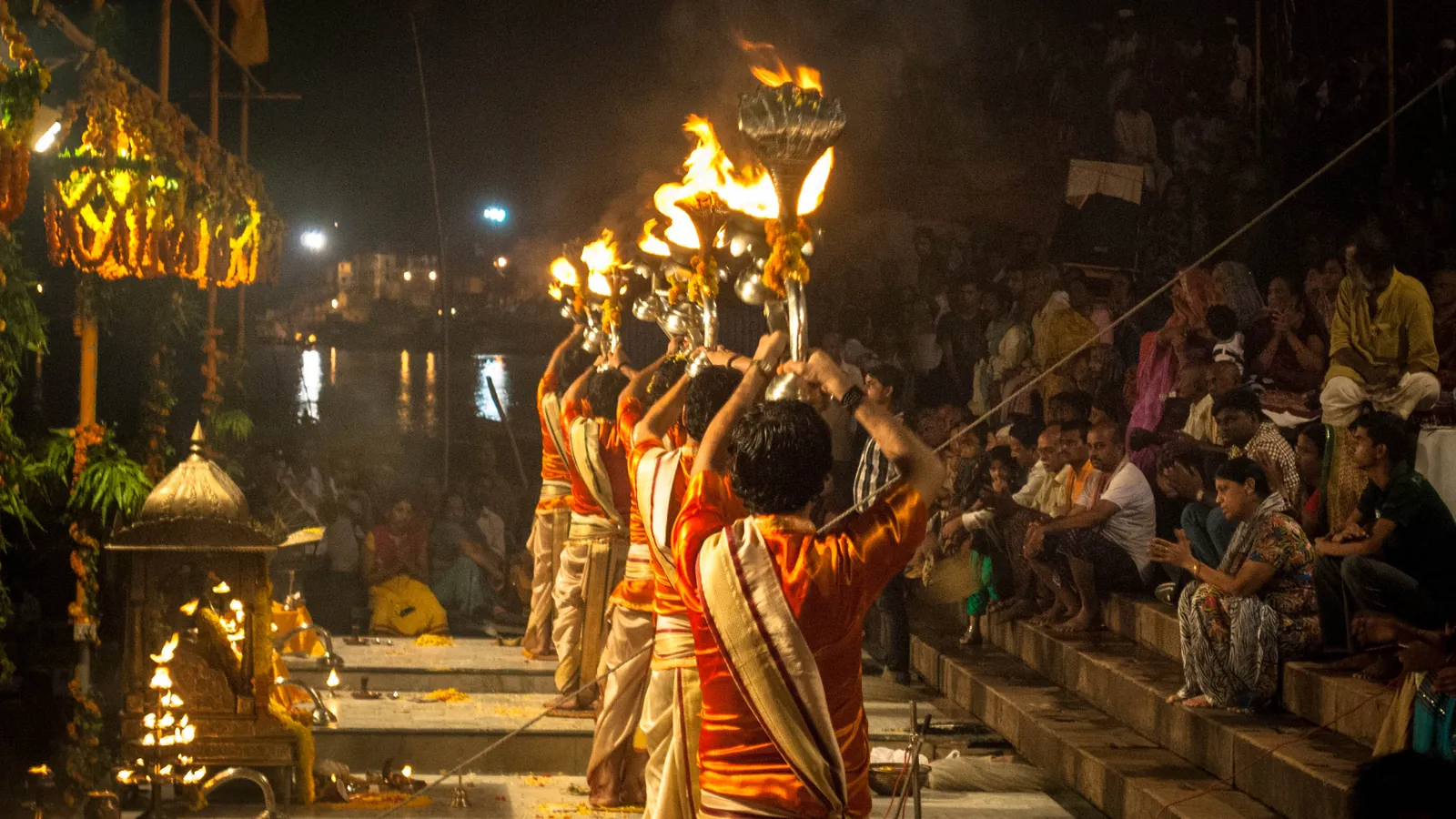
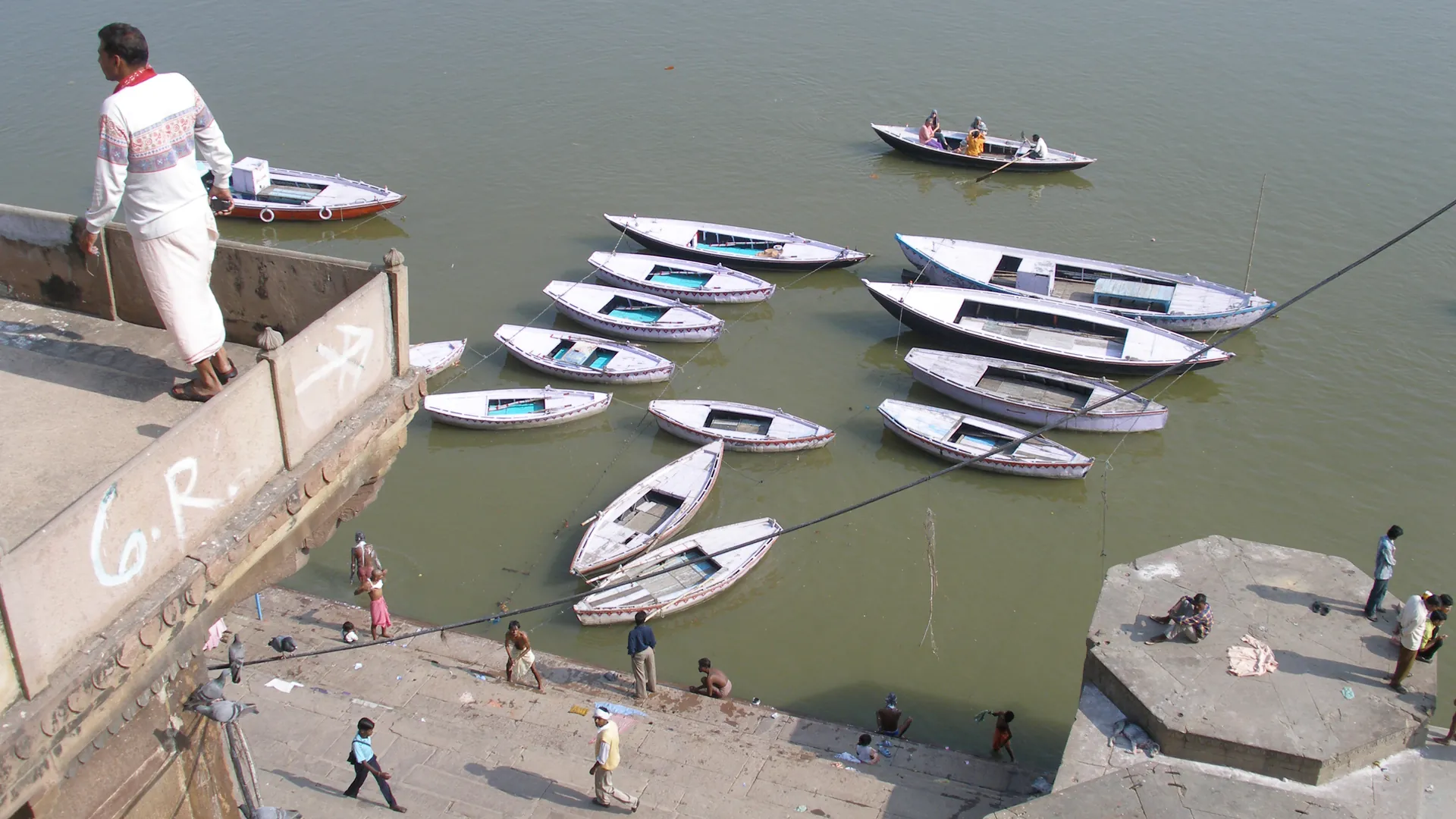
Arrive and check into a hotel near the ghats. In the afternoon, walk along the riverfront from Assi Ghat northwards, past Tulsi Ghat, Chet Singh Ghat, Harishchandra Ghat and Kedar Ghat, taking in the colours, temples and river life. At sunset, head to Dashashwamedh Ghat for the famous Ganga aarti, when young priests in saffron robes perform synchronised rituals with huge brass lamps, conch shells and incense to chanting and bells. Arrive at least an hour early for a good spot on the steps, or watch from a boat on the river.
Day 2: Sunrise boat ride and Kashi Vishwanath
Take a sunrise boat ride from Assi Ghat to Manikarnika and back, watching the city wake up. At Assi Ghat, the morning Subah-e-Banaras programme includes aarti, music and yoga at dawn.
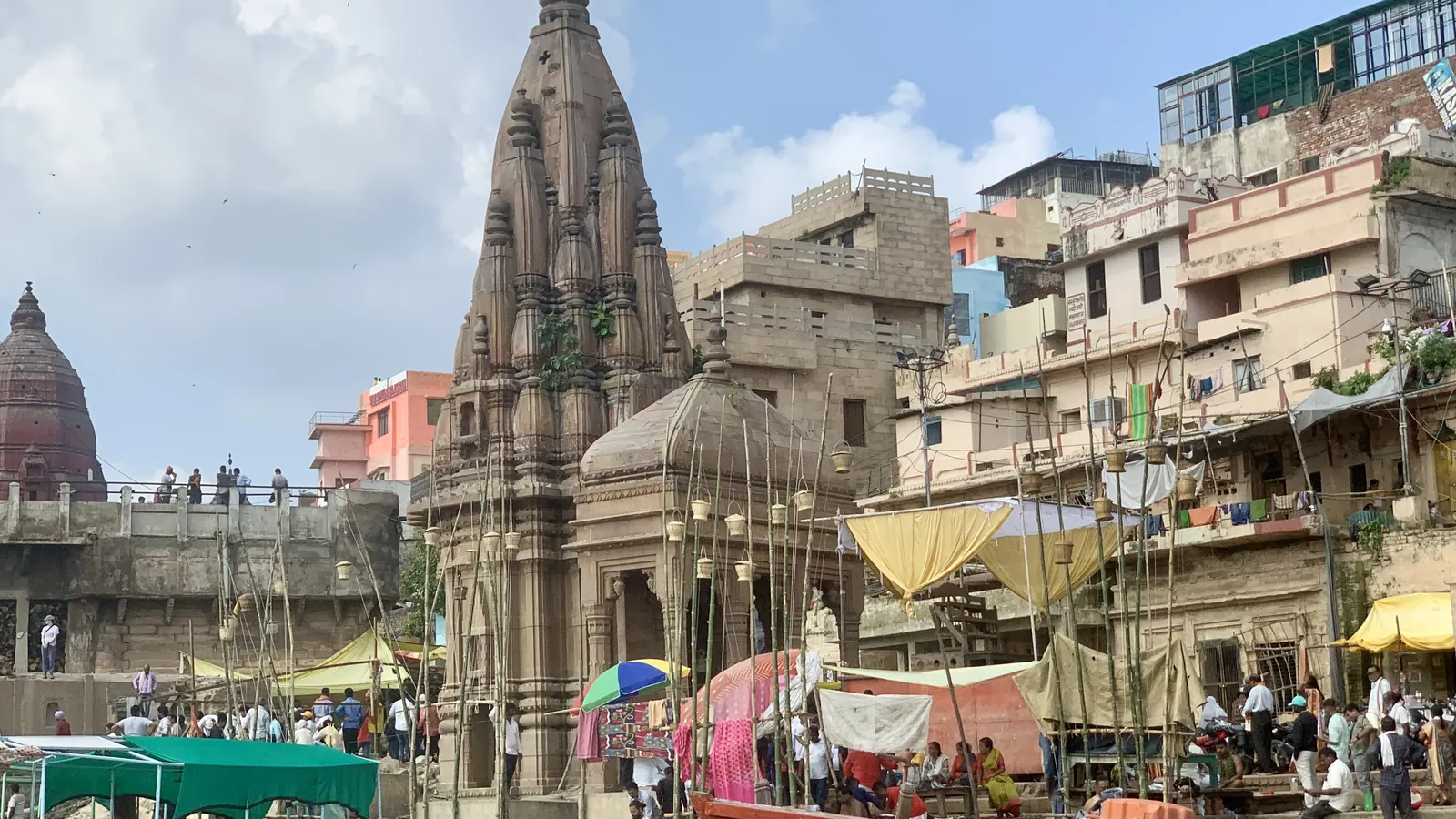
Visit the Kashi Vishwanath Temple, one of the twelve Jyotirlingas of Lord Shiva and among the holiest temples in India. The Kashi Vishwanath Corridor, opened in 2021, now connects the temple directly to the ghats with wide walkways, making access much easier. Phones, cameras and bags are not allowed inside; use the lockers. Nearby, visit the Annapurna Temple and the Kaal Bhairav Temple, the guardian of Kashi.
In the afternoon, explore the old galis, and pass by Manikarnika Ghat, the main cremation ghat, where fires burn day and night. Watch quietly from a respectful distance, and never photograph cremations.
Day 3: Sarnath and BHU
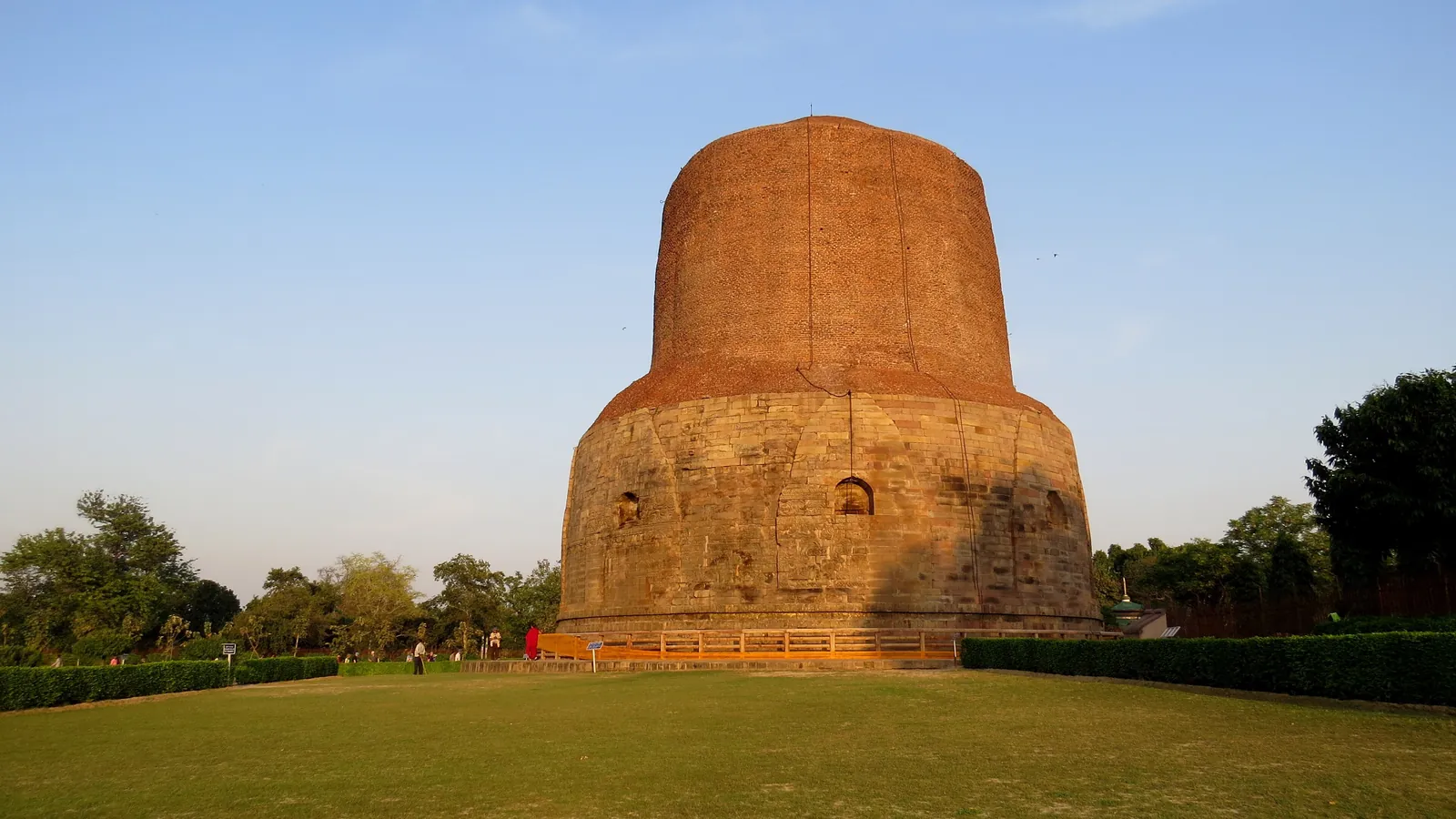
Drive about 10 kilometres to Sarnath, where the Buddha gave his first sermon around 2,500 years ago. See the Dhamek Stupa, the ruins of ancient monasteries, the Mulagandha Kuti Vihar with its murals, and the Sarnath Museum, home to the original Lion Capital of Ashoka, India's national emblem. Return to the city and visit Banaras Hindu University, with the new Kashi Vishwanath Temple on campus and the Bharat Kala Bhavan museum. End the day with a boat ride at sunset.
A short history of Kashi
Varanasi is mentioned in ancient texts including the Rigveda, the Puranas and the Mahabharata, and the American writer Mark Twain famously wrote that it was older than history, older than tradition, older even than legend. It has been a centre of learning, pilgrimage and trade for thousands of years, drawing scholars, saints and poets. The Buddha preached nearby at Sarnath, the saint-poet Kabir lived and taught here, and Tulsidas wrote parts of the Ramcharitmanas on its ghats. Many of the grand ghats and palaces seen today were built by Maratha and Rajput rulers in the 18th and 19th centuries.
Music, silk and culture
Varanasi is one of India's great cities of music. The Banaras gharana has produced legendary vocalists and tabla players, the shehnai maestro Ustad Bismillah Khan made the city his lifelong home, and sitar legend Pandit Ravi Shankar was born here. Look out for classical concerts, especially during festivals such as the Ganga Mahotsav and the Dhrupad Mela. The city is equally famous for its handloom silk weaving, practised in family workshops for generations.
Varanasi with elderly parents
The Kashi Vishwanath Corridor has made temple visits far easier, with wide pathways, ramps and facilities. Choose a hotel close to Dashashwamedh or Assi Ghat to limit walking, watch the aarti from a boat to avoid standing in crowds, and take e-rickshaws for longer distances. Visit early in the morning when it is cooler and quieter.
Boat ride tips
- Choose a rowing boat for a quiet, traditional experience, or a motor boat for longer stretches.
- Agree the price, route and duration before boarding; rates are higher at sunrise and during festivals.
- For sunrise, board at Assi Ghat and float north; for the aarti, book a boat that moors in front of Dashashwamedh.
- Wear a life jacket where provided, especially with children.
If you are sensitive to crowds, avoid weekends and major festivals, and explore the northern ghats beyond Manikarnika, which are much quieter and full of everyday life.
Carry small change for boat rides, offerings and snacks.
Must-see ghats
- Dashashwamedh Ghat: the main ghat and site of the grand evening aarti.
- Assi Ghat: the southern end, popular for the morning aarti, cafes and boat rides.
- Manikarnika Ghat: the most sacred cremation ghat.
- Harishchandra Ghat: another cremation ghat, linked to the legend of King Harishchandra.
- Darbhanga and Chet Singh Ghats: for their grand palaces.
- Panchganga Ghat: believed to be the meeting place of five rivers.
Varanasi street food
Varanasi is a paradise for vegetarian food lovers. Start the day with kachori sabzi and hot jalebis. Try tamatar chaat, a spicy, tangy tomato chaat unique to the city, baati chokha, and chena dahi vada. Drink thick lassi in clay cups, topped with malai, and in winter, taste malaiyo, a light, frothy milk dessert made with dew and saffron, found only in the cold months. End with a Banarasi paan. The lanes around Vishwanath Gali and Godowlia are full of famous old shops.
Shopping in Varanasi
- Banarasi silk sarees: world-famous for their gold and silver zari work. Visit weavers' workshops in Madanpura and Peeli Kothi, and buy from government emporiums or trusted shops with silk marks.
- Wooden toys and brassware.
- Rudraksha beads, puja items and musical instruments.
Where to stay
- Ghat-side heritage hotels: palaces and havelis on the riverfront with views of the Ganga; the most atmospheric choice.
- Near Assi Ghat: guesthouses and boutique hotels with cafes nearby.
- Cantonment area: modern hotels, quieter and convenient for the station and airport.
Getting around
- On foot: the best way to explore the ghats and galis.
- Boats: rowing and motor boats along the river; agree the price in advance.
- E-rickshaws and autos: for longer distances; many old-city lanes are closed to vehicles.
How much does a Varanasi trip cost?
- Flights or trains: ₹3,000 to ₹10,000 each way depending on city and class.
- Hotels: ₹2,000 to ₹6,000 per night mid-range; heritage ghat-side hotels ₹8,000 and up.
- Boat rides: ₹300 to ₹1,500 per boat depending on type and duration.
- Food: ₹500 to ₹1,200 per person per day.
A 3-day Varanasi trip typically costs ₹12,000 to ₹25,000 per person, including travel, hotel, boat rides, sightseeing and food.
Etiquette and respectful travel
- Never photograph cremations or mourners at Manikarnika and Harishchandra ghats.
- Dress modestly and remove shoes at temples.
- Beware of touts offering special darshan or "guides" at the cremation ghats who ask for donations for wood.
- Ask before photographing sadhus and pilgrims; some expect a small offering.
- Respect the river: do not litter, and use eco-friendly offerings.
Combining Varanasi with Ayodhya and Prayagraj
Many pilgrims combine Varanasi with Ayodhya, about four to five hours by road, and Prayagraj, home to the Triveni Sangam, where the Ganga, Yamuna and mythical Saraswati meet, about three hours away. A 6 to 7-day circuit covers all three sacred cities. Read our Ayodhya trip guide.
Who this trip suits
Pilgrims come for darshan and rituals. Families with older parents find the new corridor and boat rides make the city more accessible. Photographers and culture lovers find endless inspiration. Food lovers come for the chaat and lassi.
Mistakes to avoid
Skipping the sunrise boat ride. It is the essence of Varanasi.
Arriving late for the aarti. The best spots fill up an hour before.
Carrying phones into Kashi Vishwanath. Leave them in the lockers or at your hotel.
Visiting in peak summer. The heat makes walking the ghats exhausting.
Plan your Varanasi trip with The Vacation Code
This Varanasi travel guide is a starting point for a journey into India's spiritual heart. Our team can arrange hotels, boat rides and a combined Varanasi, Ayodhya and Prayagraj circuit. For more spiritual journeys, read our Char Dham Yatra guide, explore our Rishikesh camping weekend, or browse all our tours.
Frequently asked questions
What is the best time to visit Varanasi?
October to March is the best time, with pleasant weather. Dev Deepawali in November, when the ghats are lit with lakhs of lamps, is especially spectacular.
What time is the Ganga aarti in Varanasi?
The evening Ganga aarti at Dashashwamedh Ghat begins around sunset, roughly 6 to 7 p.m. depending on the season. Arrive at least an hour early for a good spot.
How many days are enough for Varanasi?
Two to three days is enough to see the ghats, the Ganga aarti, a sunrise boat ride, Kashi Vishwanath Temple and Sarnath.
Can I take my phone inside Kashi Vishwanath Temple?
No. Phones, cameras and bags are not allowed inside the temple. Use the lockers provided near the entrance.
Is it okay to photograph Manikarnika Ghat?
No. Photographing cremations and mourners is disrespectful and discouraged. Observe quietly from a distance.
What food is Varanasi famous for?
Varanasi is famous for kachori sabzi, tamatar chaat, lassi in clay cups, malaiyo in winter, jalebis and Banarasi paan.
How far is Sarnath from Varanasi?
Sarnath is about 10 kilometres from Varanasi, a short drive, and makes an easy half-day trip.