📌 In this guide16 sections
- Mandatory registration
- When is the Char Dham Yatra open?
- The traditional route
- A 12-day Char Dham Yatra itinerary by road
- Char Dham by helicopter
- The Do Dham option
- The significance of the four dhams
- Health and altitude tips
- Where to stay
- Food on the yatra
- How much does the Char Dham Yatra cost?
- Planning for elderly parents
- What to pack
- Mistakes to avoid
- Plan your Char Dham Yatra with The Vacation Code
- Frequently asked questions
The Char Dham Yatra is the journey of a lifetime for millions of Hindu families. Picture the final kilometre of the trek to Kedarnath: your legs ache, your breath comes short in the thin mountain air, and then the valley opens and you see it, the ancient grey stone temple standing alone in a bowl of snow-capped peaks, with the Mandakini River rushing past. Around you, pilgrims of every age, some on foot, some on ponies, some carried in palkis, break into cries of "Har Har Mahadev". It is a moment of pure devotion, and a sight that stays with you forever.
The Char Dham, or four abodes, of Uttarakhand are Yamunotri, the source of the Yamuna; Gangotri, the source of the Ganga; Kedarnath, one of the twelve Jyotirlingas of Lord Shiva; and Badrinath, the abode of Lord Vishnu. Set high in the Garhwal Himalaya, they are open for only about six months each year, from late April or May to October or November, before snow closes the high roads. The yatra is both a pilgrimage and a Himalayan adventure, and with good planning, it is accessible to pilgrims of all ages.
This Char Dham Yatra guide covers registration, dates, the route, trekking and helicopter options, health tips, where to stay, costs and planning for elderly family members.
Mandatory registration
All pilgrims must register for the Char Dham Yatra through the official Uttarakhand Tourism registration portal or app before travel. You will need ID details and your travel dates, and you will receive a registration letter or QR code that is checked at various points along the route. Registration is free. Some temples, particularly Kedarnath and Badrinath, may also use token or slot systems in peak season to manage crowds, so check the latest rules before departure.
When is the Char Dham Yatra open?
- Opening: Yamunotri and Gangotri usually open on Akshaya Tritiya in late April or May; Kedarnath and Badrinath open around the same time, on dates announced each year.
- Closing: the temples close for winter around Diwali and Bhai Dooj in October or November, when the deities are moved to their winter seats at lower altitudes.
- May to June: the busiest period, with pleasant weather but long queues.
- July to August: the monsoon brings heavy rain, landslides and road closures; best avoided, especially with elderly travellers.
- September to October: clear skies, stunning mountain views and fewer crowds. Many experienced pilgrims consider this the best time.
The traditional route
Tradition holds that the yatra should be done clockwise, from west to east: Yamunotri → Gangotri → Kedarnath → Badrinath. Most pilgrims start from Haridwar or Rishikesh, or from Dehradun, which has the nearest major airport at Jolly Grant. By road, the complete yatra usually takes 10 to 12 days.
A 12-day Char Dham Yatra itinerary by road
Day 1: Haridwar
Arrive in Haridwar and attend the evening Ganga aarti at Har Ki Pauri, a moving start to the yatra.
Day 2: Haridwar to Barkot
Drive via Mussoorie and Kempty Falls to Barkot or Janki Chatti, the base for Yamunotri.
Day 3: Yamunotri
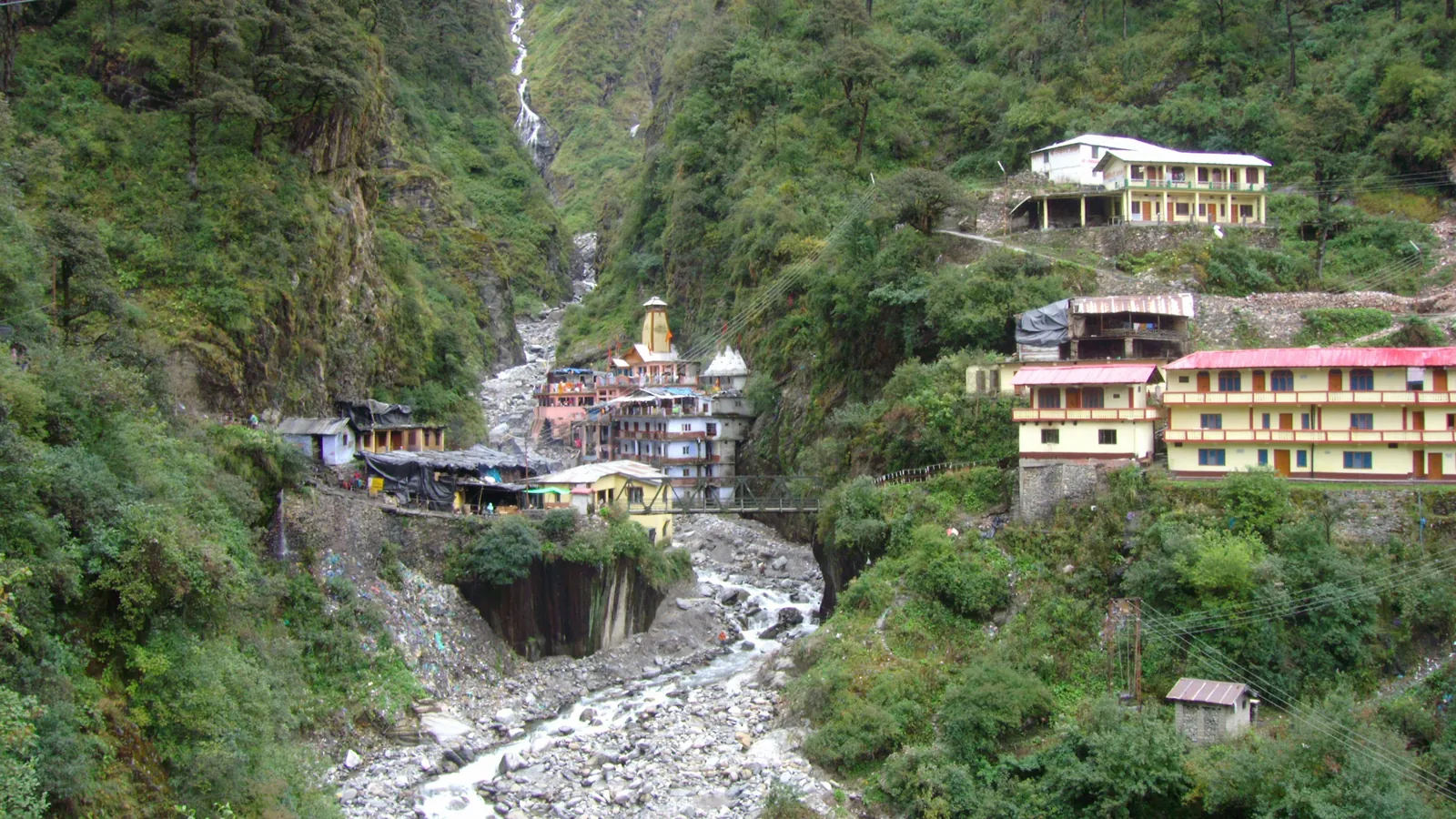
Drive to Janki Chatti and trek about six kilometres to Yamunotri Temple, at around 3,300 metres, dedicated to Goddess Yamuna. Ponies and palkis are available. Pilgrims cook rice and potatoes in the hot spring of Surya Kund as prasad and bathe in the warm waters of Yamunotri. Return to Barkot.
Day 4: Barkot to Uttarkashi
Drive to Uttarkashi and visit the Kashi Vishwanath Temple there.
Day 5: Gangotri
Drive along the Bhagirathi River to Gangotri, at about 3,100 metres. The white granite temple of Goddess Ganga stands near the rock where King Bhagirath is believed to have meditated to bring the Ganga to earth. The actual source, Gaumukh glacier, is an 18-kilometre trek further, requiring a permit. Return to Uttarkashi.
Day 6: Uttarkashi to Guptkashi
A long drive via Tehri Lake to Guptkashi or Sitapur, the base for Kedarnath.
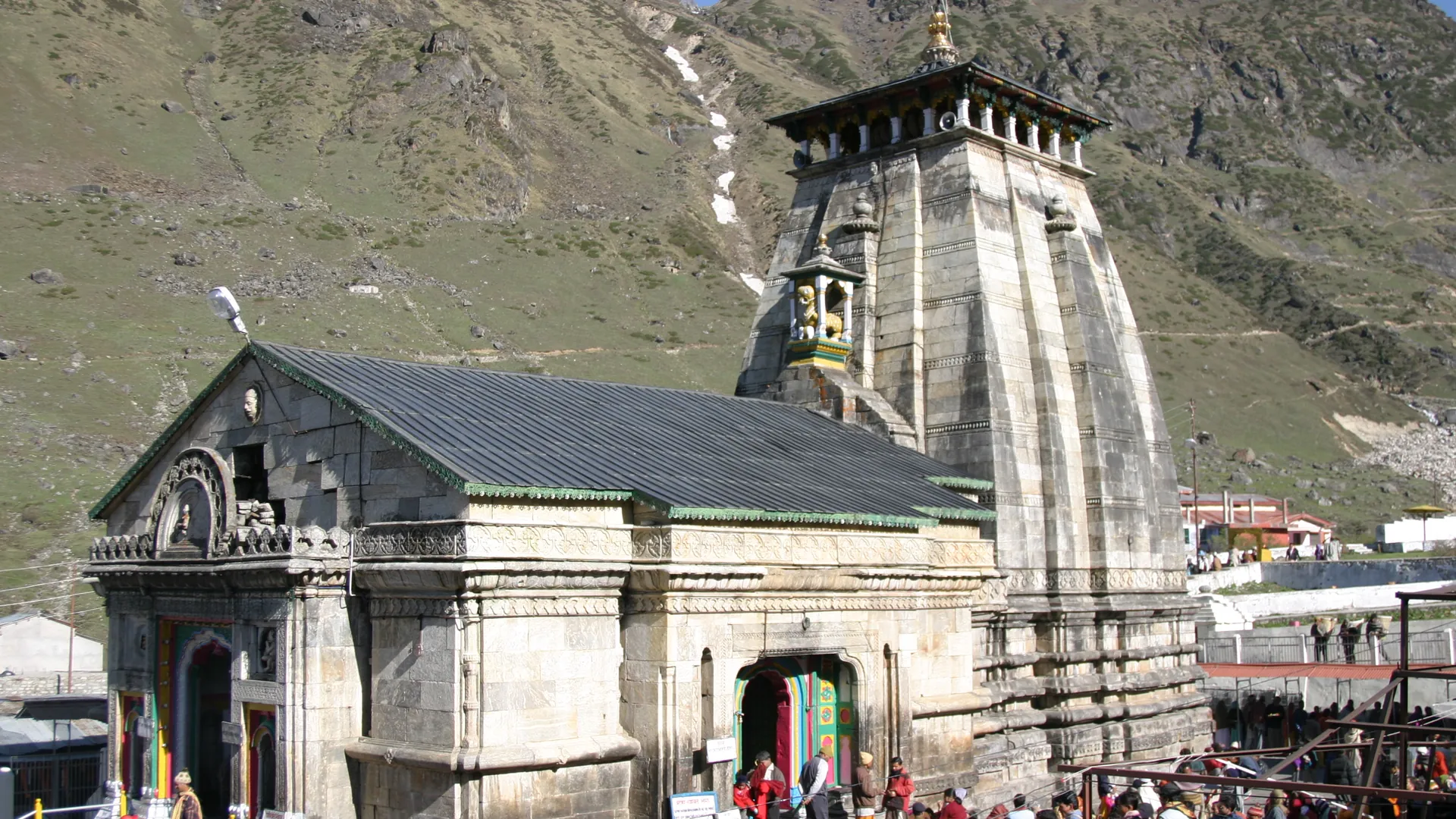
Day 7: Kedarnath
Drive to Gaurikund and trek about 16 to 18 kilometres to Kedarnath, at around 3,580 metres. The path is paved but steep, taking six to eight hours for most walkers. Ponies, palkis and pithus (porters carrying pilgrims in baskets) are available. Helicopter services also operate from Phata, Sersi and Guptkashi (see below). Attend the evening aarti and stay overnight near the temple.
Day 8: Kedarnath darshan and return
Have darshan early in the morning, visit the Bhairavnath Temple above the town and the Adi Shankaracharya samadhi, then trek back down to Gaurikund and drive to Guptkashi.
Day 9: Guptkashi to Badrinath
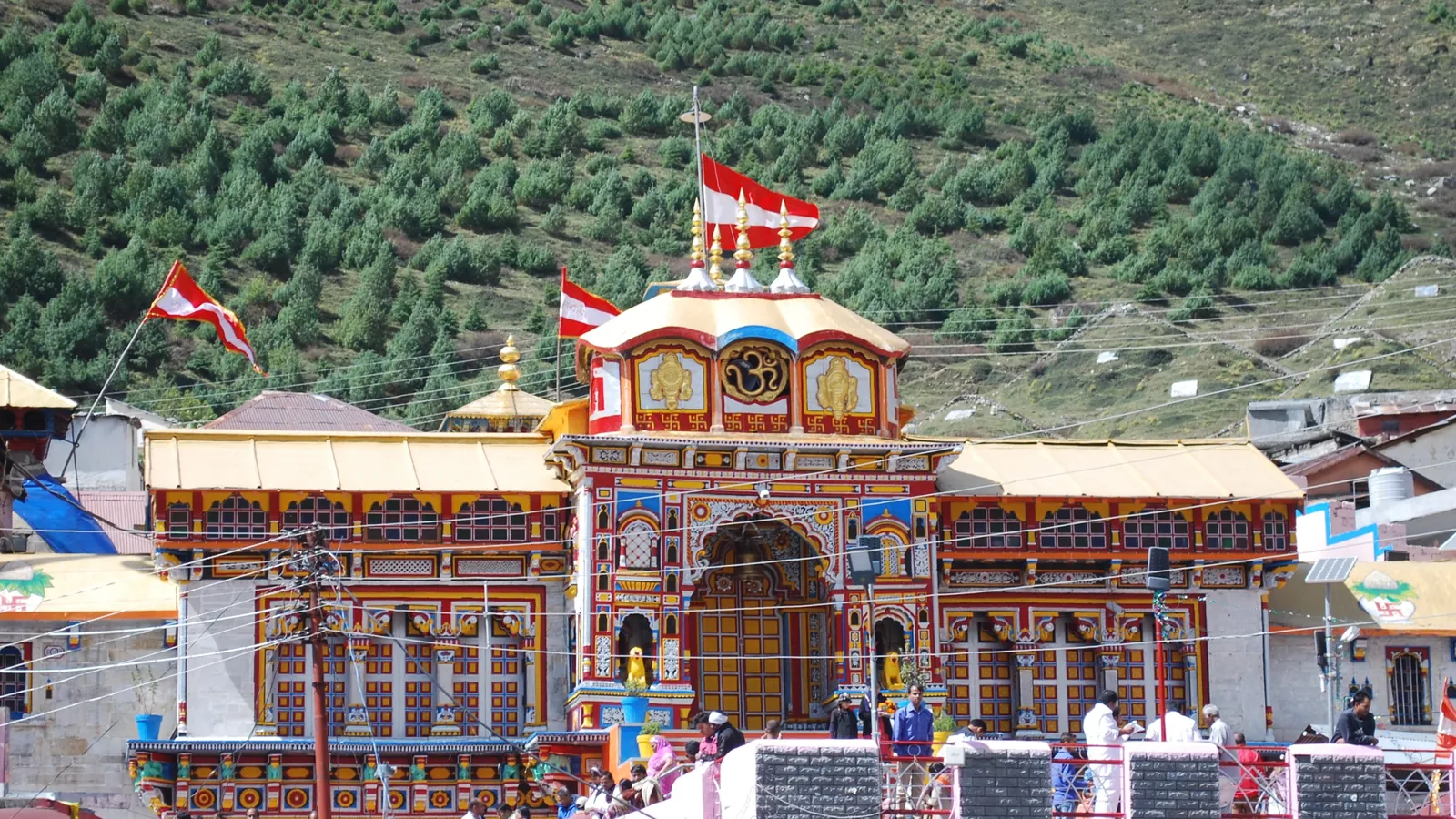
Drive via Chopta and Joshimath to Badrinath, at about 3,130 metres, set between the Nar and Narayan mountain ranges.
Day 10: Badrinath and Mana
Bathe in the Tapt Kund hot spring before darshan at the colourful Badrinath Temple, dedicated to Lord Vishnu. Visit Mana village, earlier called the last village of India and now officially the first village of India, with Vyas Gufa, where Ved Vyas is believed to have composed the Mahabharata, and the roaring Bhim Pul.
Day 11: Badrinath to Rudraprayag or Rishikesh
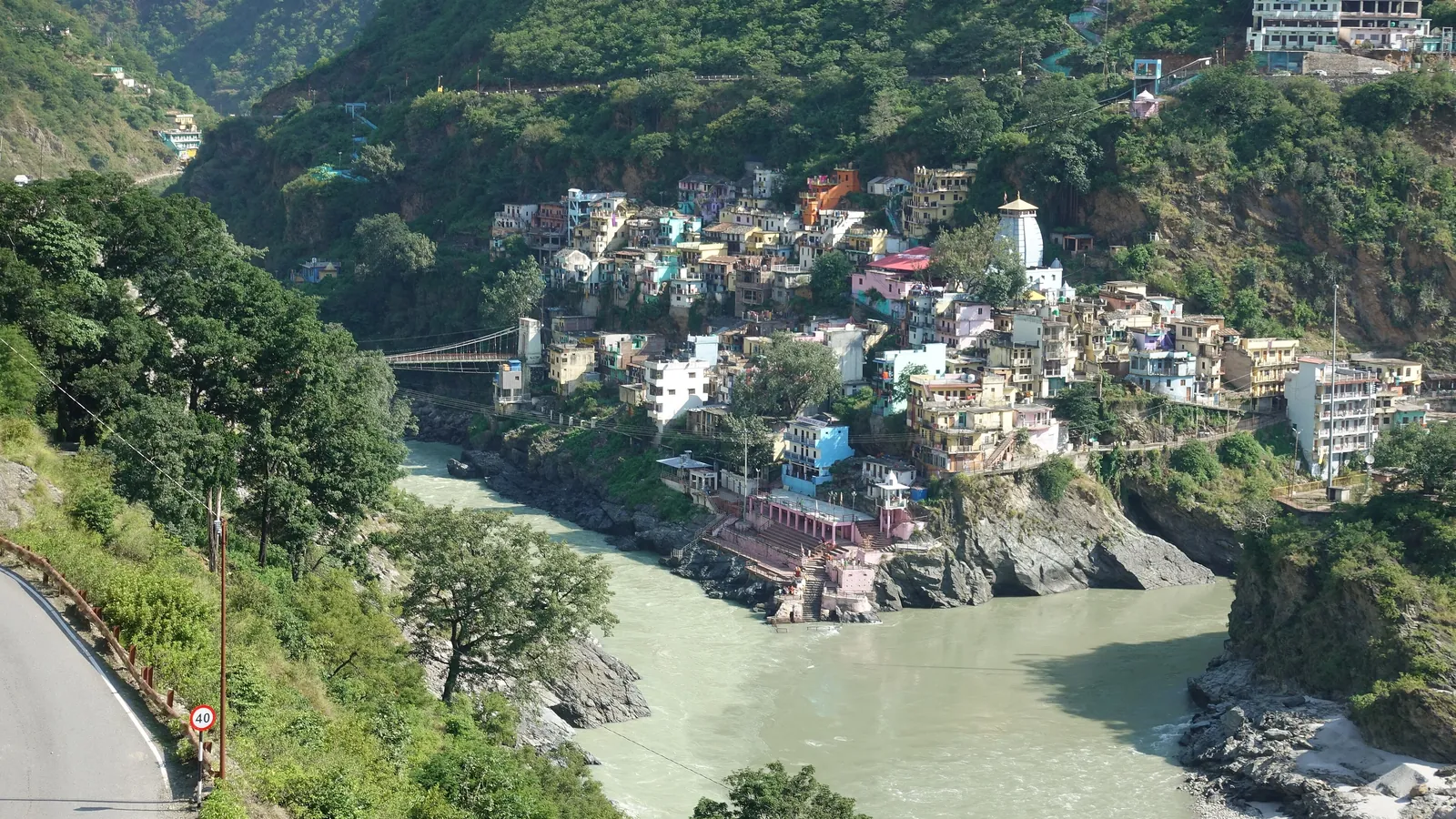
Drive back down, stopping at the sacred confluences of the rivers, the Panch Prayag, including Devprayag, where the Alaknanda and Bhagirathi meet to form the Ganga.
Day 12: Rishikesh or Haridwar
Return to Rishikesh or Haridwar and travel home.
Char Dham by helicopter
For pilgrims short on time, or elderly family members who cannot trek, helicopter packages cover all four dhams in about 5 to 6 days from Dehradun, with landings near each temple and assistance for darshan. They are expensive, typically around ₹1.5 lakh to ₹2.5 lakh or more per person, and are weather-dependent. Separate shuttle helicopters for Kedarnath from Phata, Sersi and Guptkashi are cheaper, bookable only through the official IRCTC HeliYatra portal. Beware of fake helicopter booking websites; book only through official channels.
The Do Dham option
Many pilgrims with limited time, or travelling with elderly parents, choose the Do Dham Yatra, covering just Kedarnath and Badrinath. It takes about 6 to 7 days by road from Haridwar or Rishikesh, and can be done in two to three days with helicopter support. It is a good way to experience the two most visited shrines, with the option to return for Yamunotri and Gangotri another year.
The significance of the four dhams
Each dham carries its own meaning. Yamunotri honours Goddess Yamuna, sister of Yama, the god of death, and bathing in her waters is believed to protect from untimely death. Gangotri marks the descent of the Ganga to earth, brought down by King Bhagirath's penance. Kedarnath, one of the twelve Jyotirlingas, is linked to the Pandavas, who sought Lord Shiva's forgiveness after the Kurukshetra war. Badrinath, one of the most sacred Vaishnava shrines, is where Lord Vishnu is believed to have meditated as Nar-Narayan. The Himalayan Char Dham circuit was popularised by Adi Shankaracharya in the 8th century.
Ponies and palkis: rates are fixed by local authorities and displayed at counters; register your pony or palki at the official booth, keep the receipt, and pay the balance only at the end of the journey.
Carry some cash for these payments, as mobile networks and digital payments are unreliable on the trails.
Start early each day to avoid afternoon rain.
Health and altitude tips
- Get a medical check-up before the yatra, especially for elderly pilgrims and those with heart, lung or blood pressure conditions. Some checkpoints conduct health screenings.
- Prepare physically by walking daily for a few weeks before the trip.
- Acclimatise: ascend gradually, rest well and drink plenty of water.
- Watch for altitude sickness: headaches, nausea, dizziness and breathlessness. Descend if symptoms become severe.
- Carry medicines: for cold, fever, stomach upsets, motion sickness and any regular medication.
- Keep warm: temperatures near the temples can drop close to freezing even in summer.
Where to stay
- GMVN guest houses: government-run guest houses at most stops, basic but reliable; book early.
- Private hotels: in Barkot, Uttarkashi, Guptkashi, Sitapur, Joshimath and Badrinath.
- Tents and cottages at Kedarnath: limited and basic; book ahead in peak season.
- Dharamshalas: run by temple committees and trusts.
Food on the yatra
Food along the route is simple and vegetarian: dal, rice, roti, sabzi, parathas, Maggi, tea and local snacks. Non-vegetarian food and alcohol are not available in the temple towns. Carry dry fruits, energy bars and glucose for the treks.
How much does the Char Dham Yatra cost?
- Car with driver for 10 to 12 days: roughly ₹45,000 to ₹70,000 per vehicle, shared between passengers.
- Hotels: ₹1,500 to ₹5,000 per night; more in peak season and at Kedarnath.
- Ponies and palkis: rates are fixed by local authorities and vary by route and season; carry cash.
- Kedarnath helicopter shuttle: several thousand rupees per person for a return trip.
- Food: ₹500 to ₹1,000 per person per day.
A road-based Char Dham Yatra typically costs ₹25,000 to ₹60,000 per person, depending on vehicle, hotels and whether you use ponies or helicopters. Helicopter packages cost much more.
Planning for elderly parents
- Travel in September or October for fewer crowds and pleasant weather.
- Choose the Kedarnath helicopter shuttle, or a palki, instead of trekking.
- Build in rest days and avoid long drives in one day.
- Carry warm clothing, medicines and a basic oxygen canister if advised by a doctor.
- Book hotels close to the temples at Badrinath and Kedarnath.
What to pack
- Warm layers: thermals, a woollen sweater, a down jacket, gloves and a cap.
- A raincoat or poncho and waterproof shoe covers.
- Comfortable trekking shoes with good grip.
- A walking stick for the Kedarnath and Yamunotri treks.
- Torch, power bank and a small first-aid kit.
- Registration documents, ID and cash; ATMs are limited in the hills.
Mistakes to avoid
Travelling without registration. You may be stopped at checkpoints.
Doing the yatra in the monsoon. Landslides can strand pilgrims for days.
Booking helicopters through unofficial websites. Fraud is common; use the official portal.
Rushing the trek. Walk slowly, rest often and respect the altitude.
Plan your Char Dham Yatra with The Vacation Code
The Char Dham Yatra is a journey of faith and endurance through some of India's most sacred landscapes. Our team can help plan vehicles, hotels and a comfortable pace for your family. Start or end with our Rishikesh Ganga camping weekend, read our Rishikesh guide, our Kedarkantha trek guide and our Varanasi travel guide, or browse all our tours.
Frequently asked questions
Is registration mandatory for the Char Dham Yatra?
Yes. All pilgrims must register through the official Uttarakhand Tourism portal or app before travel. Registration is free and checked along the route.
When does the Char Dham Yatra open and close?
The temples usually open around Akshaya Tritiya in late April or May and close for winter around Diwali and Bhai Dooj in October or November. Exact dates are announced each year.
How many days does the Char Dham Yatra take?
By road, the Char Dham Yatra usually takes 10 to 12 days from Haridwar or Rishikesh. Helicopter packages cover all four dhams in about 5 to 6 days.
How long is the Kedarnath trek?
The trek from Gaurikund to Kedarnath is about 16 to 18 kilometres, taking six to eight hours for most walkers. Ponies, palkis and helicopters are alternatives.
What is the correct order of the Char Dham Yatra?
Traditionally, the yatra is done from west to east: Yamunotri, Gangotri, Kedarnath and then Badrinath.
How much does the Char Dham Yatra cost?
A road-based Char Dham Yatra typically costs 25,000 to 60,000 rupees per person depending on vehicle, hotels and whether ponies or helicopters are used. Helicopter packages cost much more.
What is the best time for the Char Dham Yatra?
May to June and September to October are the best times. September and October offer clear skies and fewer crowds. Avoid the monsoon months of July and August.