📌 In this guide15 sections
- Why most Indian travellers choose a group tour for their first Europe trip
- The four classic routes compared
- The highlights you will see
- Visas: Schengen vs UK
- Best time to take a Europe tour package
- What a good group tour should include
- A typical day on a Europe group tour
- How much does a Europe trip from India cost?
- Travelling with parents and children
- Indian food in Europe
- What to pack
- Practical tips
- Mistakes to avoid
- Plan your Europe tour package with The Vacation Code
- Frequently asked questions
Choosing a Europe tour package is one of the biggest travel decisions many Indian families make. It is often the first long international holiday, it is a serious investment, and everyone in the family has a dream: the Eiffel Tower for one, the snows of Switzerland for another, a gondola in Venice or the tulips of Holland for someone else. The brochures all promise the same places, and the itineraries can look confusingly similar.
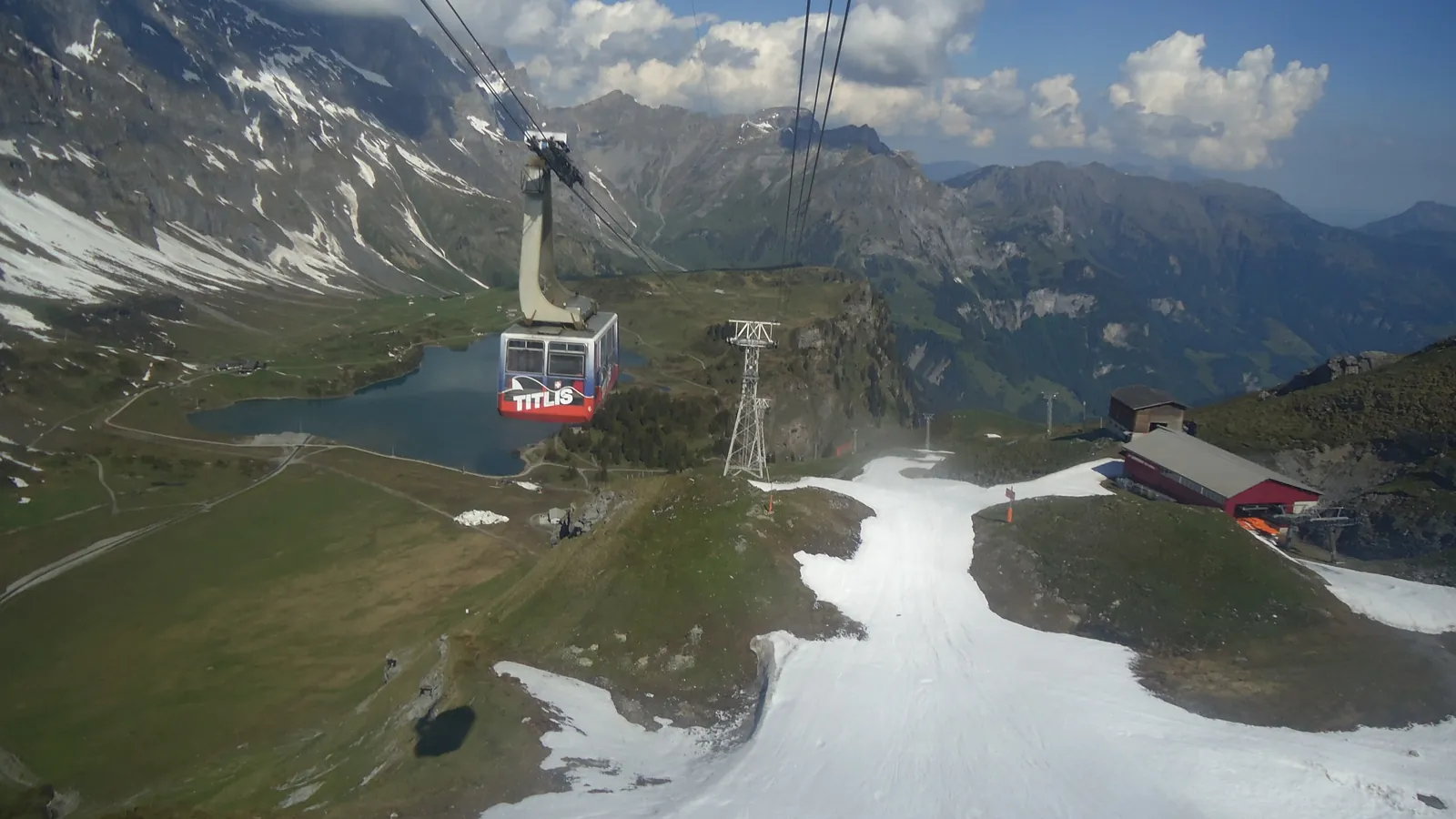
Imagine the third morning of your trip. The cable car swings out over a glacier, then begins to turn slowly on its axis, so the whole panorama of the Swiss Alps wheels past the windows: jagged peaks, blue ice, tiny villages far below. At the top, at more than 3,000 metres, children run out onto the snow for the first time in their lives, and an Indian buffet lunch is waiting inside. That moment, repeated in a dozen forms across a dozen days, is what a well-chosen trip delivers.
This guide will help you pick the right trip. We compare the four classic routes, from a compact 10-day circuit to a grand 16-day journey, explain the difference between Schengen and UK visas, cover the best months, what a good group tour should include, realistic costs, food, packing and the mistakes that first-timers make. By the end, you will know exactly which trip suits your family.
Why most Indian travellers choose a group tour for their first Europe trip
Independent travel in Europe is wonderful, but for a first trip, especially with parents or children, an escorted group tour has real advantages:
- One visa file, handled with help: the operator provides the itinerary, hotel confirmations and cover letters that embassies expect.
- Indian meals: good group tours include Indian buffet lunches and dinners with vegetarian, Jain and non-vegetarian options, which removes the biggest daily worry for many families.
- An Indian tour manager: someone who speaks Hindi and English, knows the routes, handles problems and keeps the group on time.
- No logistics: coaches, trains, cable cars, entry tickets and hotels are all arranged, and luggage moves with you.
- Value: group rates for hotels, coaches and tickets are usually cheaper than booking everything yourself.
The trade-off is less freedom and some early starts. For most first-timers, it is a trade worth making. On a second trip, many travellers go deeper into one or two countries, as in our Switzerland and Paris itinerary.
The four classic routes compared
Almost every Europe tour package from India is built from the same core: Switzerland, Paris, Amsterdam and Brussels, with Germany's Rhine Falls, Black Forest and Cologne connecting them. The difference lies in what is added on each end.
10 days: Zurich to Paris, the essential circuit
Our European Journey: 10 Days Europe Tour Package covers the essentials without the UK or Italy. You land in Zurich, spend time in the Swiss Alps with Grindelwald, Interlaken and an optional Jungfraujoch trip, ride the rotating Titlis cable car to the summit and visit Lucerne, then see the Rhine Falls and the Black Forest, Cologne Cathedral, Amsterdam's canals with Keukenhof or Zaanse Schans, Brussels, and finish with three nights in Paris, including the Eiffel Tower second level, a Seine cruise and an optional day at Disneyland Paris.
Best for: first-timers with limited leave, families with young children, and anyone who wants the highlights at a steady pace. Visa: Schengen only. Starts at: ₹1,68,000 per person.
12 days: Zurich to London, adding the UK
Our Best 12 Days Europe Tour Package: Zurich to London follows the same route to Paris, then takes the Eurostar under the English Channel for two nights in London, with a city tour, the London Eye and Madame Tussauds.
Best for: families who want London included, and those with relatives in the UK. Visa: Schengen and UK, two separate applications. Starts at: ₹2,39,000 per person.
14 days: Paris to Rome, adding Austria and Italy
Our 14 Days Europe Tour Package: Paris to Rome starts in Paris, travels through Brussels, Amsterdam, Cologne, Germany and Switzerland, then crosses tiny Liechtenstein and Austria, with Swarovski Crystal Worlds and Innsbruck, before three unforgettable Italian days: Venice by water bus, Pisa and a Florence panorama, and the Vatican and Rome.
Best for: travellers who want the widest variety of countries, and anyone for whom Venice and Rome are non-negotiable. Visa: Schengen only, no UK visa needed. Starts at: ₹2,31,000 per person.
16 days: London to the continent, the grand tour
Our Best Europe Group Tour: 16-Day Grand Europe Odyssey is the most complete journey, beginning in London and crossing to Paris by Eurostar before continuing through the Low Countries, Germany, Switzerland and beyond, with more nights in each place and a gentler pace.
Best for: retirees, multi-generation families and anyone who wants to see a lot without rushing. Visa: Schengen and UK. Check the tour page for current departures and prices.
So which Europe tour package should you choose?
- Only 10 days of leave, or travelling with small children? Choose the 10-day circuit.
- London is a must? Choose the 12 or 16-day route, and budget for the UK visa.
- Venice, Florence and Rome are a must? Choose the 14-day route.
- Want everything at a relaxed pace? Choose the 16-day grand tour.
- Want to avoid a second visa? Choose the 10 or 14-day route, which need only a Schengen visa.
The highlights you will see
Switzerland: Titlis, Jungfraujoch, Interlaken and Lucerne
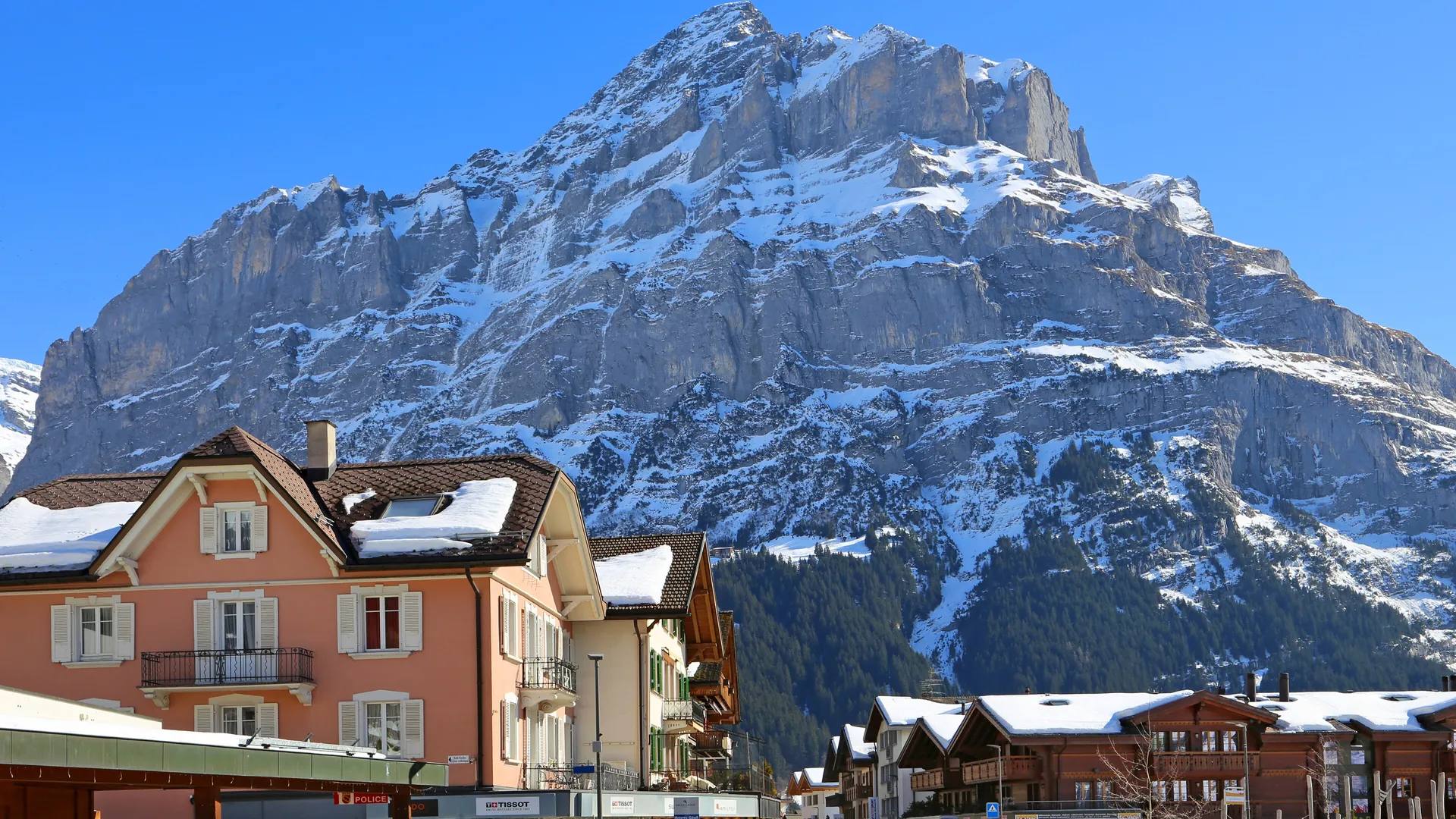
Switzerland is the emotional heart of most trips. Mount Titlis, above Engelberg, is reached by the Titlis Rotair, the world's first revolving cable car, which turns 360 degrees on the way up to around 3,000 metres. At the top you can walk onto the Titlis Cliff Walk suspension bridge, ride the Ice Flyer chairlift over the glacier and play in the snow year-round. The optional Jungfraujoch, the "Top of Europe" at 3,454 metres, is reached by a spectacular mountain railway through the Eiger. Interlaken sits between two turquoise lakes, Grindelwald is the classic alpine village, and Lucerne charms with its wooden Chapel Bridge and lakeside promenade. Many Indians also recognise these valleys from decades of Bollywood songs.
Germany: the Rhine Falls, the Black Forest and Cologne
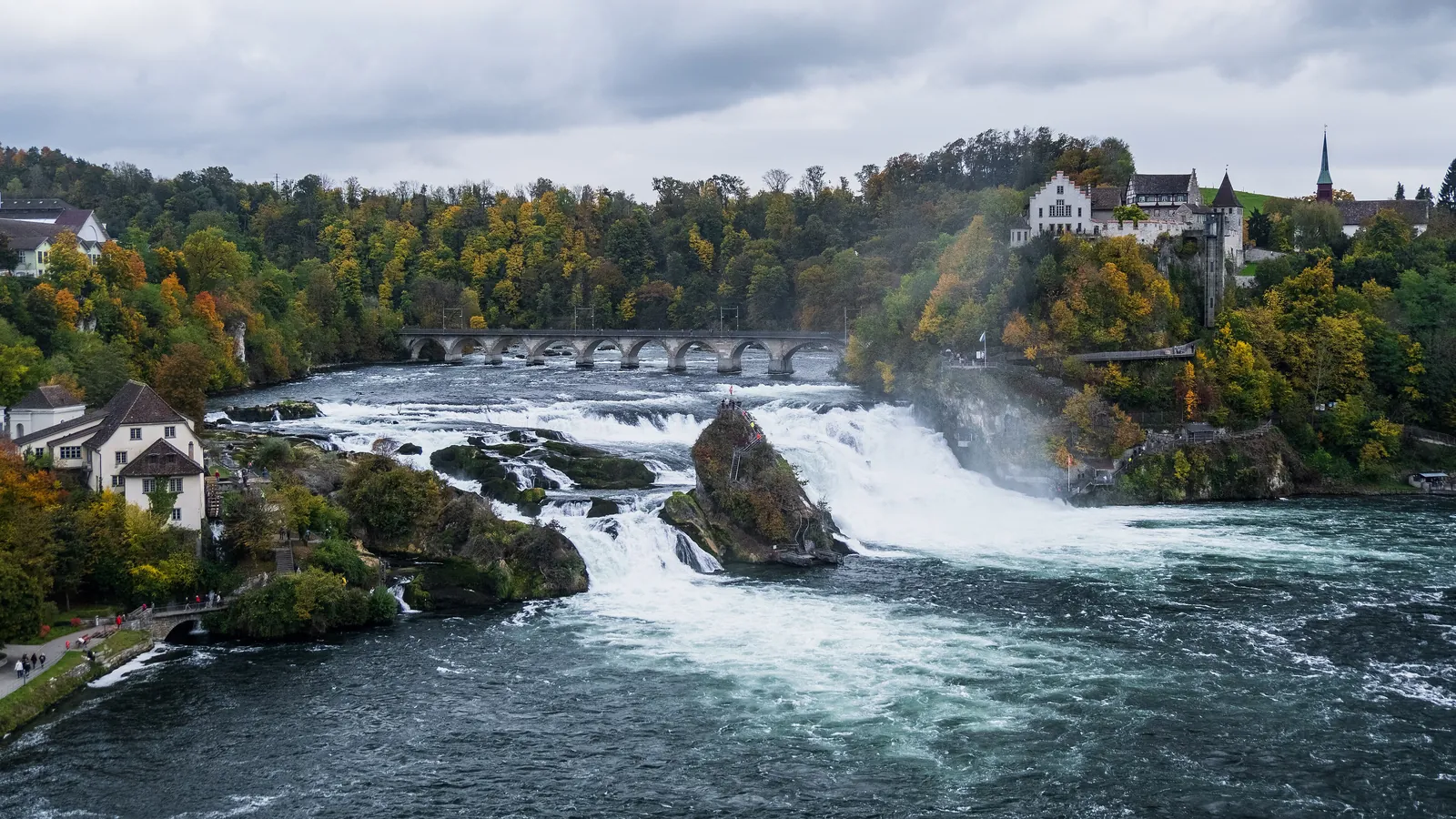
The Rhine Falls near Schaffhausen, technically in Switzerland on the German border, are among the most powerful waterfalls in Europe, about 150 metres wide; boats take you close to the thundering water. The Black Forest is famous for its dark pine forests, cuckoo clocks and Black Forest cake, which really does come from here. Cologne Cathedral, a UNESCO World Heritage Site that took more than six centuries to complete, is one of the greatest Gothic buildings in the world.
The Netherlands and Belgium: canals, tulips and the Grand Place
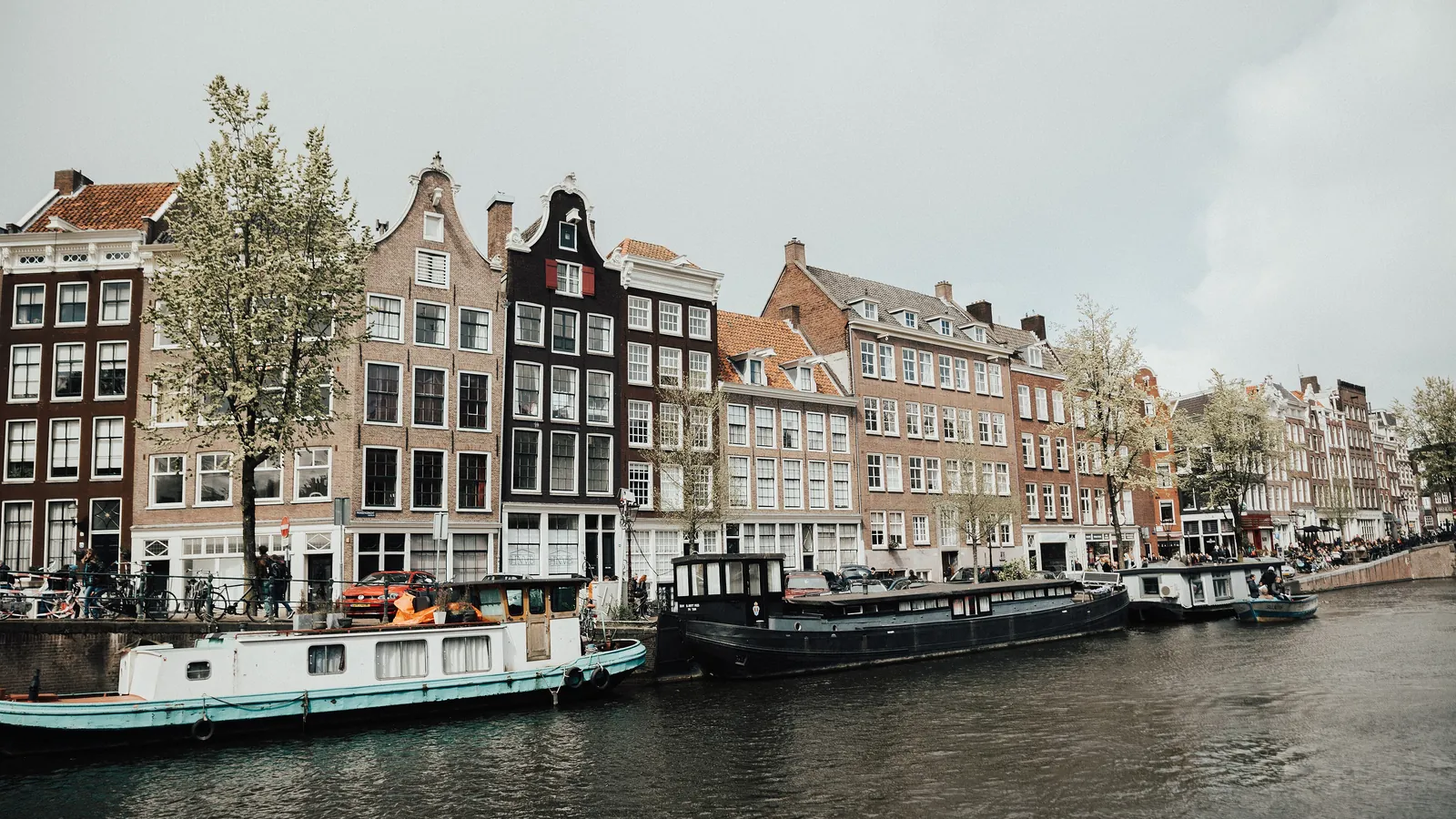
Amsterdam's 17th-century canal ring, a UNESCO site, is best seen from a glass-topped canal boat. In spring, Keukenhof gardens display millions of tulips, usually from mid-March to mid-May; outside that window, tours visit Zaanse Schans, with its working windmills, cheese farms and clog makers. In Brussels, the Grand Place is one of the most beautiful squares in Europe, and the Atomium, a giant model of an iron crystal, makes a fun photo stop. Do not leave without Belgian chocolate and waffles.
France: Paris and Disneyland
Paris needs no introduction. Tours include a city drive past the Arc de Triomphe, the Champs-Elysees and the Louvre, a visit to the second level of the Eiffel Tower, and a cruise on the Seine. Many routes include an optional day at Disneyland Paris or a free day for the Louvre, Montmartre and shopping. The Eiffel Tower sparkles with lights for a few minutes every hour after dark, a sight worth staying out for.
The UK: London by Eurostar
The Eurostar links Paris and London in about two and a quarter hours through the Channel Tunnel. In London, tours cover Buckingham Palace, Big Ben, Tower Bridge, the London Eye and Madame Tussauds. See our UK tour from India guide if you would like to add Scotland.
Austria and Italy: Innsbruck, Venice, Pisa, Florence and Rome
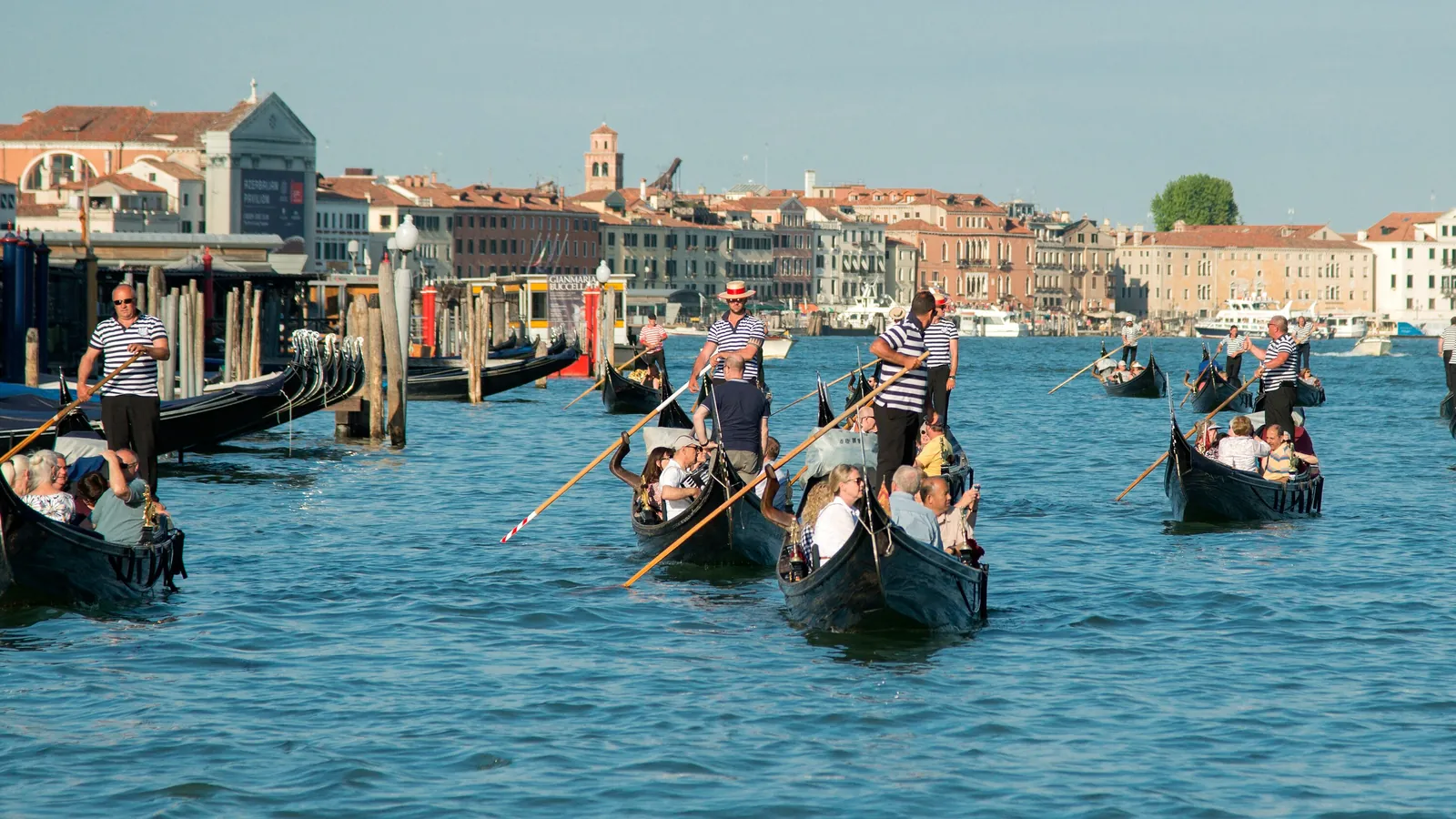
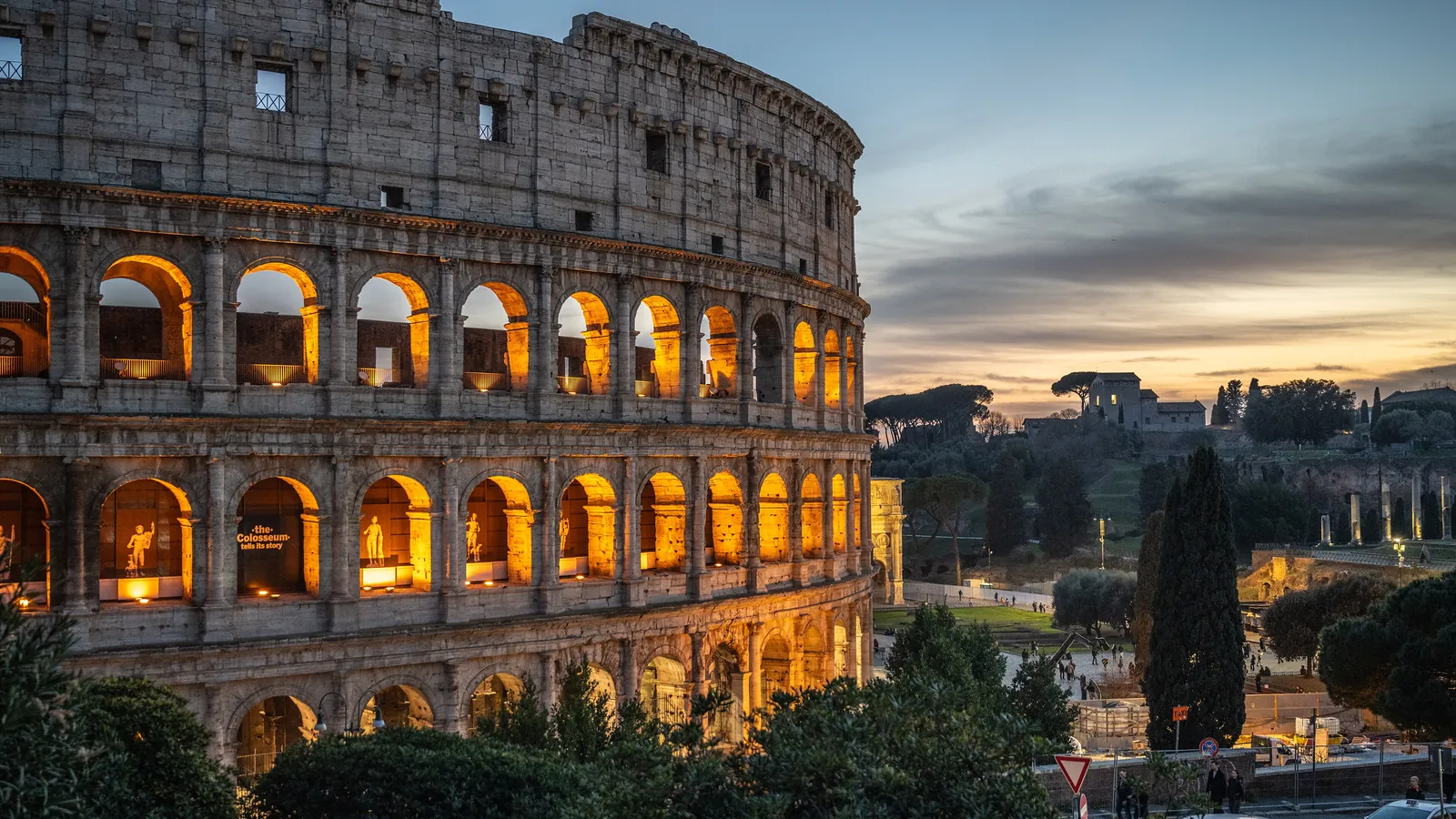
On the 14-day route, you cross tiny Liechtenstein, visit Swarovski Crystal Worlds at Wattens and the alpine city of Innsbruck, then enter Italy. In Venice, the vaporetto water bus carries you along the canals to St Mark's Square. At Pisa, the Leaning Tower is as surprising in person as in photographs, and the view over Florence from Piazzale Michelangelo takes in Brunelleschi's great dome. The journey ends in Rome and the Vatican, with St Peter's Basilica and a grand city tour past the Colosseum and the Trevi Fountain.
Visas: Schengen vs UK
This is the single most important practical point, and many first-timers get it wrong.
- Schengen visa: covers 29 European countries, including France, Switzerland, Germany, the Netherlands, Belgium, Austria, Italy, Liechtenstein and the Nordic countries. The fee is €90 for adults, and the total cost including service charges and mandatory travel insurance is typically ₹11,000 to ₹16,000 per person. Apply to the country where you will spend the most nights, or, if nights are equal, the country of first entry. You can apply up to six months before travel.
- UK visa: the United Kingdom is not in the Schengen area. You need a separate Standard Visitor visa, which costs £135 from April 2026, applied for online with biometrics at a VFS centre.
Timing: for summer departures, start your visa process at least two to three months ahead. Appointment slots in April, May and June are in heavy demand. Your tour operator should provide a confirmed itinerary, hotel list and cover letter. Keep your bank statements, income tax returns, leave letter and travel insurance ready.
Best time to take a Europe tour package
- April to June: the best overall season. Spring flowers, Keukenhof tulips until mid-May, snow still on the Alps, pleasant temperatures of about 12 to 24°C, and long days. May and June coincide with Indian school holidays, so book early.
- July and August: peak summer, warm to hot, sometimes over 30°C in Paris and Italy. Busy and expensive, but everything is open and the days are longest.
- September and October: an excellent choice, with fewer crowds, mild weather, autumn colours and slightly lower prices. Diwali-time departures are popular.
- November to March: cold and short days, with Christmas markets in December and the most snow in the Alps. Good for snow lovers; less ideal for long sightseeing days.
What a good group tour should include
When comparing packages, look beyond the list of cities and check these details:
- Hotel category and location: four-star hotels are standard on good tours; ask how far they are from city centres.
- Meals: how many Indian dinners and lunches, and whether vegetarian and Jain food is available at every meal.
- Entry tickets: are the Titlis cable car, Eiffel Tower level, Seine and canal cruises, Keukenhof and Rhine Falls boat included, or are they "optional extras"?
- Tour manager: an Indian tour manager for the entire trip, speaking Hindi and English.
- City taxes and tips: many European cities charge a nightly tourist tax; check whether it is included.
- Airport transfers: fixed pickup times at the arrival airport, and a drop at the departure airport.
- Flights: some packages are land-only, so compare like with like.
For example, our 10-day tour includes four-star hotels with breakfast, nine Indian dinners, lunches including a buffet on the summit of Titlis, all coach transfers, the Titlis Rotair with Ice Flyer, the Amsterdam canal and Seine cruises, the Eiffel Tower second level, Keukenhof or Zaanse Schans, the Rhine Falls boat, an Indian tour manager and city taxes.
A typical day on a Europe group tour
First-timers often ask what a day actually looks like. Breakfast is usually served from about 7 a.m., and the coach leaves between 8 and 8.30 a.m. with luggage loaded if you are changing hotels. Mornings are for the main sightseeing, with the tour manager narrating history and practical tips on the way. Lunch is typically an Indian buffet near the sights, or a packed lunch on long travel days. Afternoons bring a second attraction or a scenic drive, with comfort stops every two to three hours. You check in to the hotel by early evening, head out for an Indian dinner, and often have free time afterwards to stroll, shop or photograph the city lights. Long travel days alternate with slower days, so there is time to breathe.
How much does a Europe trip from India cost?
- Group tour (land package): from about ₹1,68,000 per person for 10 days to ₹2,40,000 or more for 12 to 16 days, depending on route and season.
- Return flights: typically ₹55,000 to ₹95,000 per person in economy on an open-jaw ticket, flying into the starting city and out of the last one. Peak summer fares are higher.
- Visas: ₹11,000 to ₹16,000 per person for Schengen, plus the UK visa fee if London is included.
- Optional excursions: Jungfraujoch, Disneyland Paris and similar extras can add ₹10,000 to ₹25,000 per person each.
- Spending money: budget ₹2,000 to ₹4,000 per person per day for snacks, souvenirs, water and extras.
A realistic all-in budget for a first 10 to 12-day trip, including flights, visa, tour and spending money, is roughly ₹2,50,000 to ₹3,75,000 per person.
Travelling with parents and children
Most Indian groups heading to Europe are families, often three generations together. A little planning makes the trip easier for everyone.
With older parents
- Choose a longer route. The 14 or 16-day routes spend more nights in each place, so there are fewer early check-outs.
- Ask about walking. Old towns involve cobbles and slopes, and some sights have stairs. Most coach stops are close to the main sights, and the tour manager can suggest shortcuts or places to rest.
- Altitude: Titlis and Jungfraujoch are above 3,000 metres. Most healthy travellers are fine for a few hours, but those with heart or breathing conditions should consult their doctor before going up.
- Medical insurance: essential for seniors. Declare existing conditions honestly so claims are not rejected.
- Wheelchairs: airports provide wheelchair assistance if booked with the airline in advance, and it makes long terminals much easier.
With children
- Best ages: children of about six and above enjoy and remember the trip most, but younger children travel happily too.
- Keep days fun: snow at Titlis, the Rhine Falls boat, the Amsterdam canal cruise, the Atomium and Disneyland Paris are all big hits.
- Snacks and entertainment for coach days are essential. Download films and games before you leave.
- Passports and visas: children need their own passport and visa. For minors travelling with only one parent, embassies usually ask for a consent letter from the other parent.
- Child fares: most tours and attractions offer reduced prices for children, so ask when booking.
Honeymooners and couples on group tours
Couples sometimes worry that a group tour will feel crowded. In practice, you share the coach and meals, but evenings in Paris, Lucerne or Venice are often free to explore on your own. If you prefer more privacy and flexibility, a private Switzerland and Paris trip is a lovely alternative for a honeymoon.
Indian food in Europe
On a group tour, most lunches and dinners are Indian buffets, often in Indian restaurants that cater specially to tour groups, with dal, sabzi, paneer, rice, roti and a sweet. Breakfast at hotels is continental: bread, croissants, cheese, yoghurt, cereals, fruit and eggs, with vegetarian choices always available. Jain travellers should inform the operator when booking so that meals without onion, garlic and root vegetables can be arranged.
Do try local treats too: Swiss chocolate and rosti, Belgian waffles and fries, Dutch stroopwafels and Gouda cheese, French croissants and macarons, Italian pizza, pasta and gelato. Supermarkets such as Coop and Migros in Switzerland, Albert Heijn in the Netherlands and Carrefour in France are excellent for snacks, fruit and water at lower prices.
What to pack
- Layers: even in summer, the Titlis summit is cold and snowy. Pack a warm jacket, gloves and cap for the mountains, and light clothes for the cities.
- Comfortable walking shoes with a good grip for cobblestones and snow.
- Sunglasses and sunscreen for the glacier, where sunlight reflected from snow is intense.
- Plug adapters: Type C or F for most of Europe, Type J for Switzerland, and Type G for the UK. A universal adapter covers them all.
- A compact umbrella and a light raincoat.
- Medicines in their original packaging with a prescription.
- A small daypack for day trips and coach days.
- A medium suitcase: coaches have luggage limits, and hotels change every one or two nights.
Practical tips
- Book early. For April to June departures, book three to six months ahead to secure seats and visa appointments.
- Carry a forex card and some euros in small notes. Switzerland uses the Swiss franc and the UK the pound, but cards work almost everywhere.
- Watch for pickpockets in crowded places such as the Eiffel Tower, the Paris metro, the Vatican and Venice. Use a zipped cross-body bag.
- Get an international SIM or eSIM for data across all countries.
- Keep copies of your passport, visa and insurance on your phone and on paper.
- Carry a reusable water bottle. Tap water is safe in most of Europe, and Swiss fountains offer fresh drinking water.
- Respect coach timings. Group tours run to schedule, and being late affects everyone.
Mistakes to avoid
Choosing a route with London without budgeting for the UK visa. It is a separate application with a separate fee.
Comparing packages only by price. Check hotels, meals, included tickets and the tour manager. A cheaper tour with many paid "optionals" can cost more in the end.
Applying for the Schengen visa at the wrong embassy. Apply to the country of the longest stay, or first entry if nights are equal.
Packing only summer clothes. The Alps are cold even in July.
Trying to add too much. A relaxed 12 days beats an exhausting 12 countries in 10 days.
Plan your Europe tour package with The Vacation Code
Whether it is ten days of essentials or a sixteen-day grand tour, the right Europe tour package turns a lifelong dream into a smooth, joyful holiday. Our group tours include Indian meals with vegetarian and Jain options, four-star hotels, an Indian tour manager, entry tickets and help with your visa file. Compare the 10-day, 12-day, 14-day and 16-day routes and pick the one that fits your family.
Want more ideas? Read our Switzerland and Paris itinerary, our Scandinavia tour guide, or browse all our international tours.
Frequently asked questions
How many days are enough for a Europe tour package from India?
Ten days is enough for the essential circuit of Switzerland, Germany, Amsterdam, Brussels and Paris. Twelve days lets you add London, fourteen days adds Austria and Italy, and sixteen days gives the most complete trip at a relaxed pace.
Do I need a UK visa for a Europe tour?
Only if the tour includes London or anywhere in the UK. The UK is not in the Schengen area, so you need a separate UK Standard Visitor visa in addition to your Schengen visa.
Which is the best month for a Europe tour from India?
April to June is the best overall season, with spring flowers, tulips until mid-May, snow in the Alps and pleasant weather. September and October are also excellent, with fewer crowds.
How much does a Europe trip cost from India?
Group tour land packages start from about 1,68,000 rupees per person for 10 days. Including flights, visas and spending money, a realistic budget for a 10 to 12-day trip is roughly 2,50,000 to 3,75,000 rupees per person.
Is Indian vegetarian food available on Europe group tours?
Yes. Good Indian group tours include Indian buffet lunches and dinners with vegetarian, Jain and non-vegetarian options. Inform the operator in advance for Jain meals.
Which embassy should I apply to for a Schengen visa?
Apply to the embassy of the country where you will spend the most nights. If the nights are equal, apply to the country you will enter first.
Is Jungfraujoch included in Europe tour packages?
It is often offered as an optional excursion because of its cost. Mount Titlis with the revolving Rotair cable car is usually included on classic routes.
Can senior citizens do a Europe group tour?
Yes. Escorted group tours are ideal for older travellers, with luggage handled, coach transport and an Indian tour manager. Choose a longer route such as 14 or 16 days for a gentler pace, and carry travel insurance.