📌 In this guide15 sections
- Why take a Scandinavia tour?
- Visa for Scandinavia: one Schengen visa for four countries
- Best time for a Scandinavia tour
- The 9-day Scandinavia tour route, day by day
- Extending the trip
- Flying to Scandinavia from India
- Understanding Nordic culture
- What to pack for Scandinavia
- Food in Scandinavia
- Who this trip suits
- How much does a Scandinavia tour cost?
- Practical tips for Scandinavia
- Mistakes to avoid
- Plan your Scandinavia tour with The Vacation Code
- Frequently asked questions
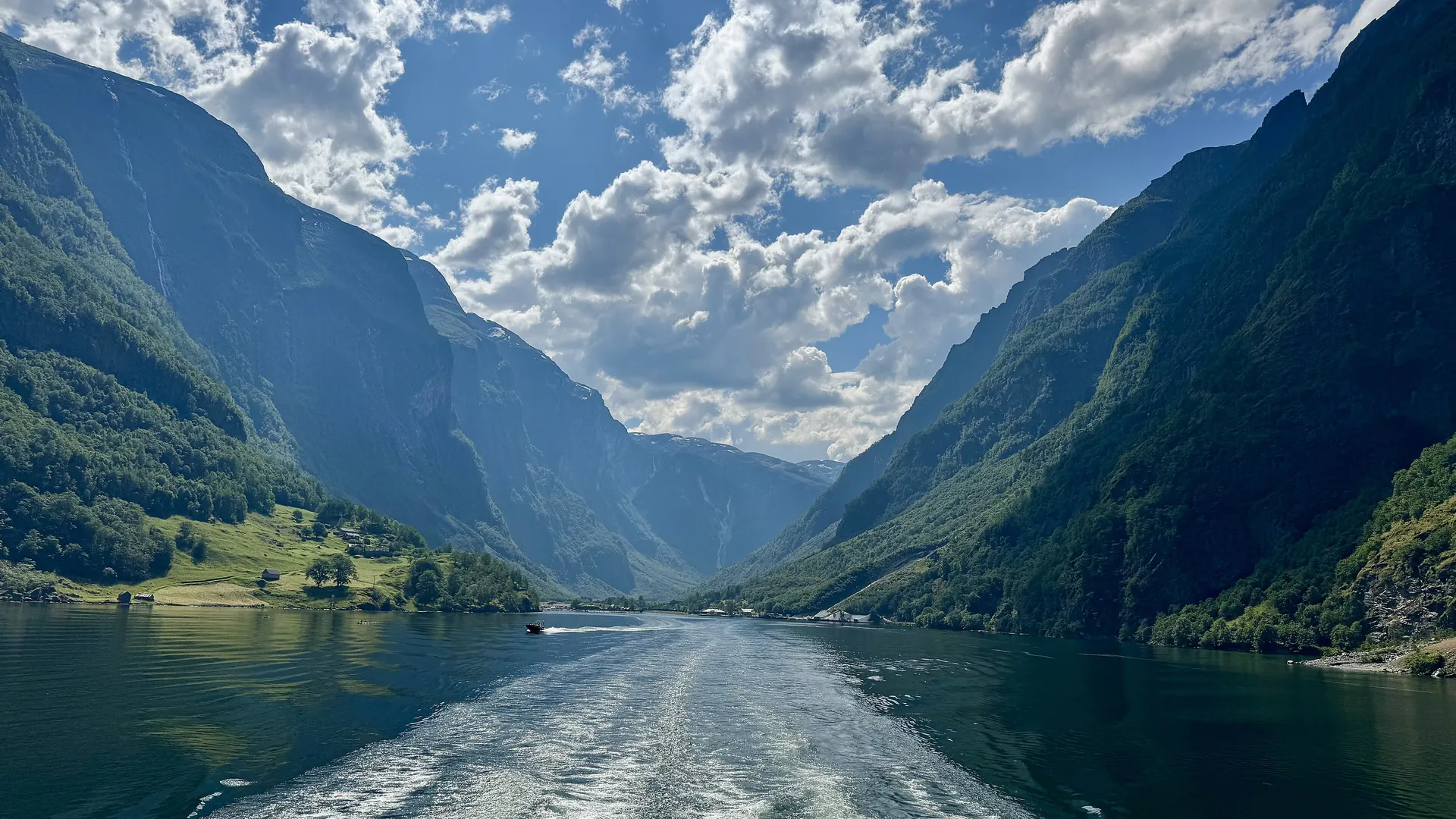
A Scandinavia tour has a moment that stays with everyone. Your boat has left the little harbour at Flam and slipped into the Naeroyfjord, and the world has narrowed to a ribbon of green water between walls of rock that rise straight up for more than a thousand metres. Waterfalls fall from the clouds. A red wooden farmhouse clings to a ledge that no road has ever reached. The only sounds are the hum of the engine, the gulls, and the soft clicking of every camera on deck. It is ten o'clock at night in June, and the sky is still light.
Scandinavia, the northern corner of Europe made up of Norway, Sweden and Denmark, with Finland usually joining them on a trip, is unlike anywhere else on the continent. It combines some of the world's most striking natural scenery with calm, beautifully designed cities, a deep respect for nature, and a quality of light that photographers dream about. For Indian travellers who have already seen Paris and Switzerland, it is the obvious next step.
This guide explains how to plan it: the Schengen visa, the best months to travel, a detailed nine-day route through four capitals and the fjords, the famous journeys that make the trip, what to eat as a vegetarian, what everything costs, and the practical tips that help you travel comfortably in one of the most expensive regions in the world.
Why take a Scandinavia tour?
- The fjords: western Norway's fjords are among the most dramatic landscapes on earth, and the Naeroyfjord and Geirangerfjord are UNESCO World Heritage Sites.
- Four capitals, four personalities: Helsinki's clean design and sea air, Stockholm's islands and medieval old town, Copenhagen's cycling and colourful harbour, and Oslo's museums and modern waterfront.
- Legendary journeys: an overnight cruise across the Baltic, a high-speed train between Sweden and Denmark, and the Flam Railway, one of the steepest standard-gauge railways in the world.
- Long summer days: in June, Oslo and Stockholm enjoy around 18 to 19 hours of daylight, giving you far more time to explore.
- Safety and ease: Scandinavia is among the safest regions in the world, English is widely spoken, and everything runs on time.
Visa for Scandinavia: one Schengen visa for four countries
Good news: all four countries are part of the Schengen area. Norway is not in the European Union, but it is a Schengen member, so a single Schengen visa covers Finland, Sweden, Denmark and Norway on one trip, along with the rest of the Schengen countries.
- Where to apply: at the embassy or visa centre of the country where you will spend the most nights. If nights are equal, apply to the country you enter first. For our route this is often Norway or Sweden; we confirm it for each departure.
- Fee: €90 for adults, plus the VFS service charge. Allow roughly ₹11,000 to ₹16,000 per person in total, including service charges and travel insurance.
- When to apply: up to six months before travel, and ideally at least two months ahead for summer. Nordic missions can have long waits for appointments in peak season.
- Insurance: travel medical insurance with at least €30,000 of cover valid across the Schengen area is mandatory.
Best time for a Scandinavia tour
- Late May to early September: the best time for a classic tour. Temperatures are usually 15 to 25°C in the cities, fjord cruises and the Flam Railway run full schedules, and the days are extraordinarily long. July is the warmest and busiest month.
- Late April to mid May and September: quieter and cheaper, with spring blossoms or autumn colours, but cooler and with some reduced services in the fjords.
- October to March: short days, cold and dark in the south, but the season for the northern lights in the Arctic north, such as Tromso or Swedish Lapland. The classic capitals-and-fjords route is not at its best in winter.
A note on the northern lights: they are not visible in summer, because the sky never gets dark enough, and they are rarely seen in the southern capitals. If they are your main goal, plan a separate winter trip to the Arctic.
The 9-day Scandinavia tour route, day by day
This is the route of our Scandinavia Tour: Four Capitals and the Norwegian Fjords. It moves from east to west, finishing with the grandest scenery, and it uses a cruise, a train, a short flight and the famous Flam line so you never spend too long in a coach.
Day 1: Arrival in Helsinki
Fly into Helsinki, the Finnish capital, which has good connections from Indian cities via the Gulf, Europe or, on some routes, direct flights from Delhi. Check in and take a gentle walk along the harbour front and the Esplanadi park. Helsinki is compact, green and surrounded by sea, a relaxing place to recover from the flight.
Day 2: Porvoo, Helsinki city tour and the overnight cruise to Stockholm
In the morning, drive about 50 kilometres east to Porvoo, Finland's second-oldest town, famous for its red wooden riverside warehouses, cobbled lanes and cosy cafes. Back in Helsinki, the city tour takes in Senate Square and the white Lutheran Cathedral, the Sibelius Monument, and the extraordinary Temppeliaukio Rock Church, a church blasted out of solid granite and topped with a copper dome.
In the late afternoon, board the overnight cruise ship to Stockholm. These huge ferries are like floating hotels, with cabins, restaurants, shops and entertainment. The highlight comes the next morning as the ship threads its way through the Stockholm archipelago, a maze of some 30,000 islands, skerries and rocks dotted with summer houses. Set an alarm, grab a coffee and stand on deck.
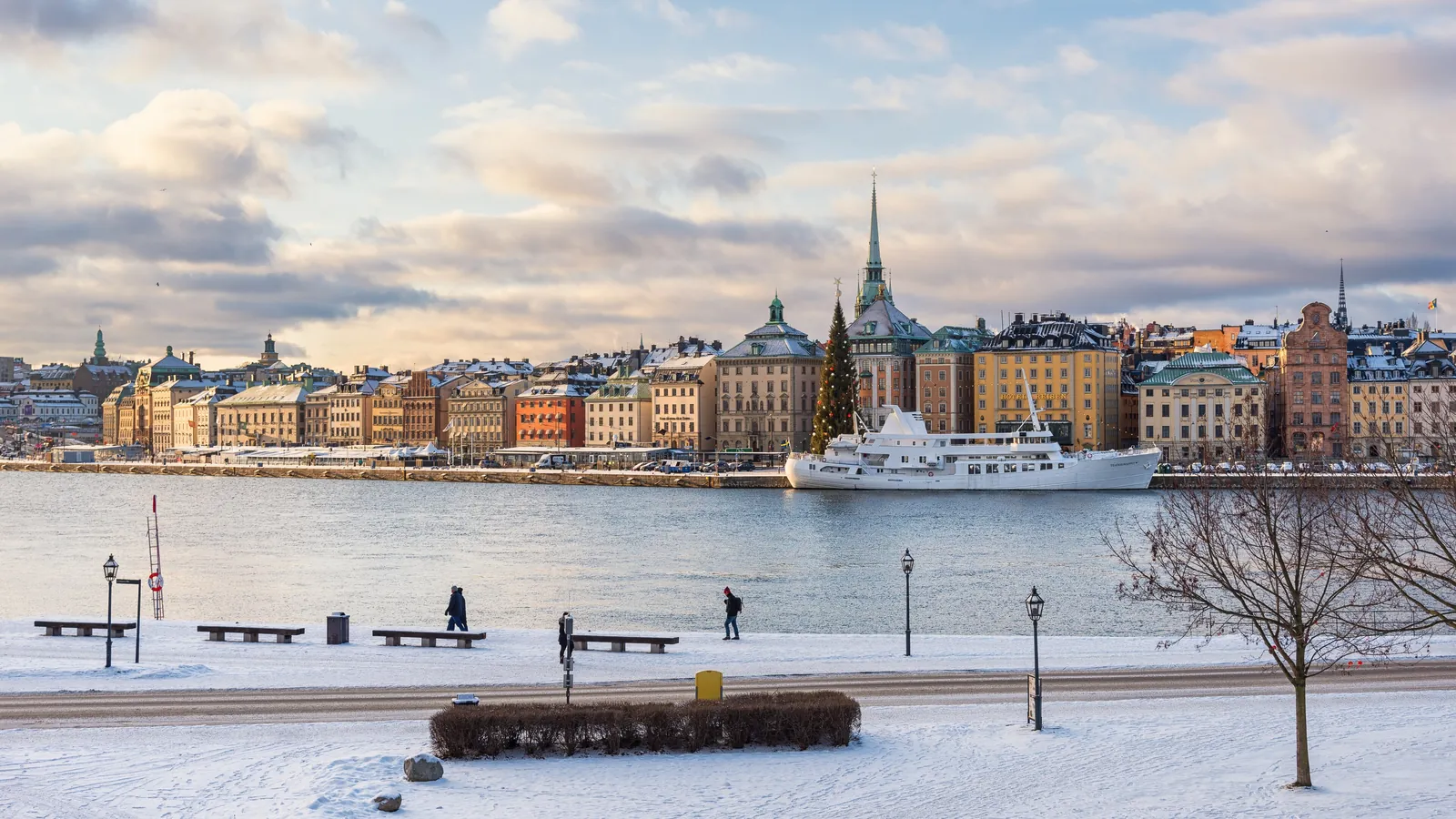
Day 3: Stockholm, the Vasa Museum, City Hall and Gamla Stan
Stockholm is built on 14 islands where Lake Malaren meets the Baltic Sea. Visit the Vasa Museum, home to a magnificent 17th-century warship that sank on its maiden voyage in 1628, just a few hundred metres from where it set sail, and was raised almost intact more than 300 years later. It is one of the most visited museums in Scandinavia, and even visitors who are not interested in ships find it breathtaking.
Tour the City Hall, whose Blue Hall hosts the Nobel Prize banquet each December, and walk the narrow lanes of Gamla Stan, the old town, with its ochre and red buildings, the Royal Palace and Stortorget square.
Day 4: Stockholm to Copenhagen by high-speed train
Take the high-speed train from Stockholm to Copenhagen, a comfortable journey of about five to five and a half hours through Swedish forests, lakes and farmland. The final stretch crosses the Oresund Bridge, a combined road and rail bridge and tunnel linking Sweden and Denmark. Arrive in Copenhagen in the afternoon, with time to explore.
Day 5: Copenhagen, Tivoli Gardens and the flight to Bergen
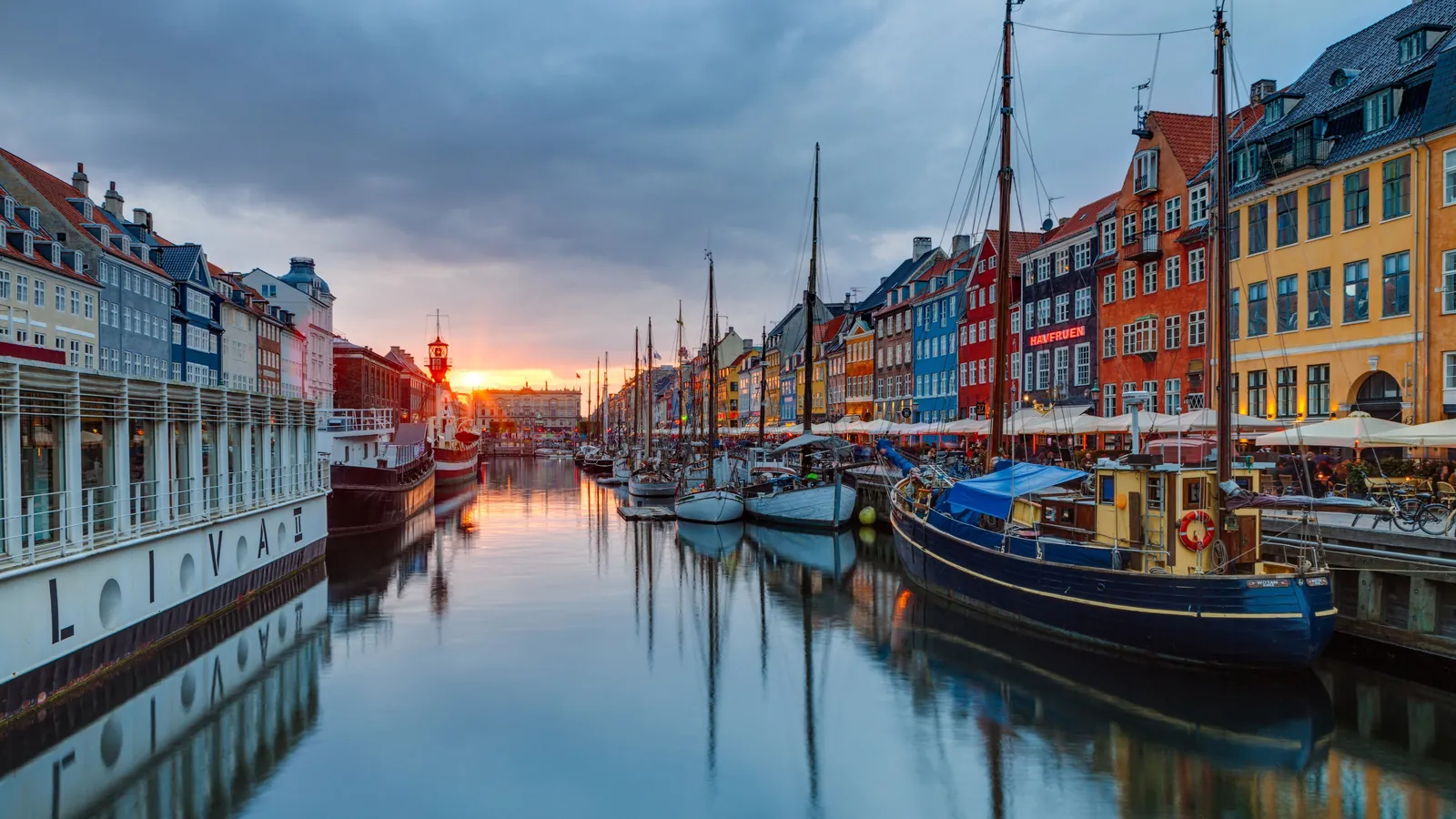
Copenhagen is one of Europe's most liveable cities, where bicycles outnumber cars. Visit Nyhavn, the 17th-century canal lined with brightly painted townhouses and old wooden ships, the Little Mermaid statue inspired by Hans Christian Andersen's story, Amalienborg Palace and the changing of the guard. Then enjoy Tivoli Gardens, which opened in 1843 and is one of the oldest amusement parks in the world, with gardens, rides and lights that are said to have inspired Walt Disney.
In the evening, take a short flight across to Bergen, on Norway's west coast, the gateway to the fjords.
Day 6: Bergen, the Floibanen funicular and the Flam Railway
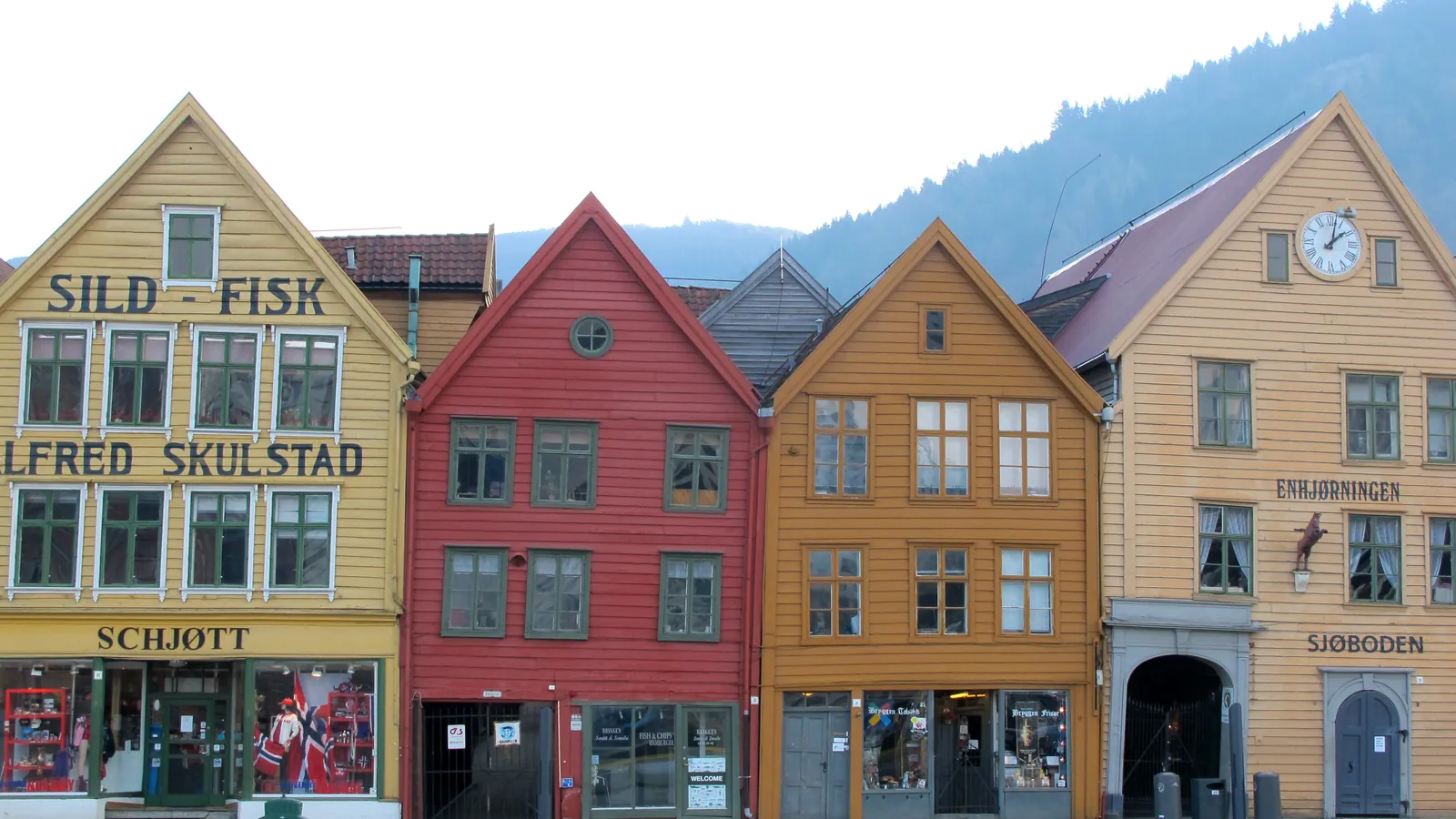
Bergen is a lovely harbour city surrounded by seven mountains. Walk along Bryggen, the row of colourful wooden merchants' houses on the old wharf, a UNESCO World Heritage Site that recalls the city's history as a trading post of the Hanseatic League. Then ride the Floibanen funicular up Mount Floyen, about 320 metres above the city, for a panoramic view of the harbour, islands and fjords.
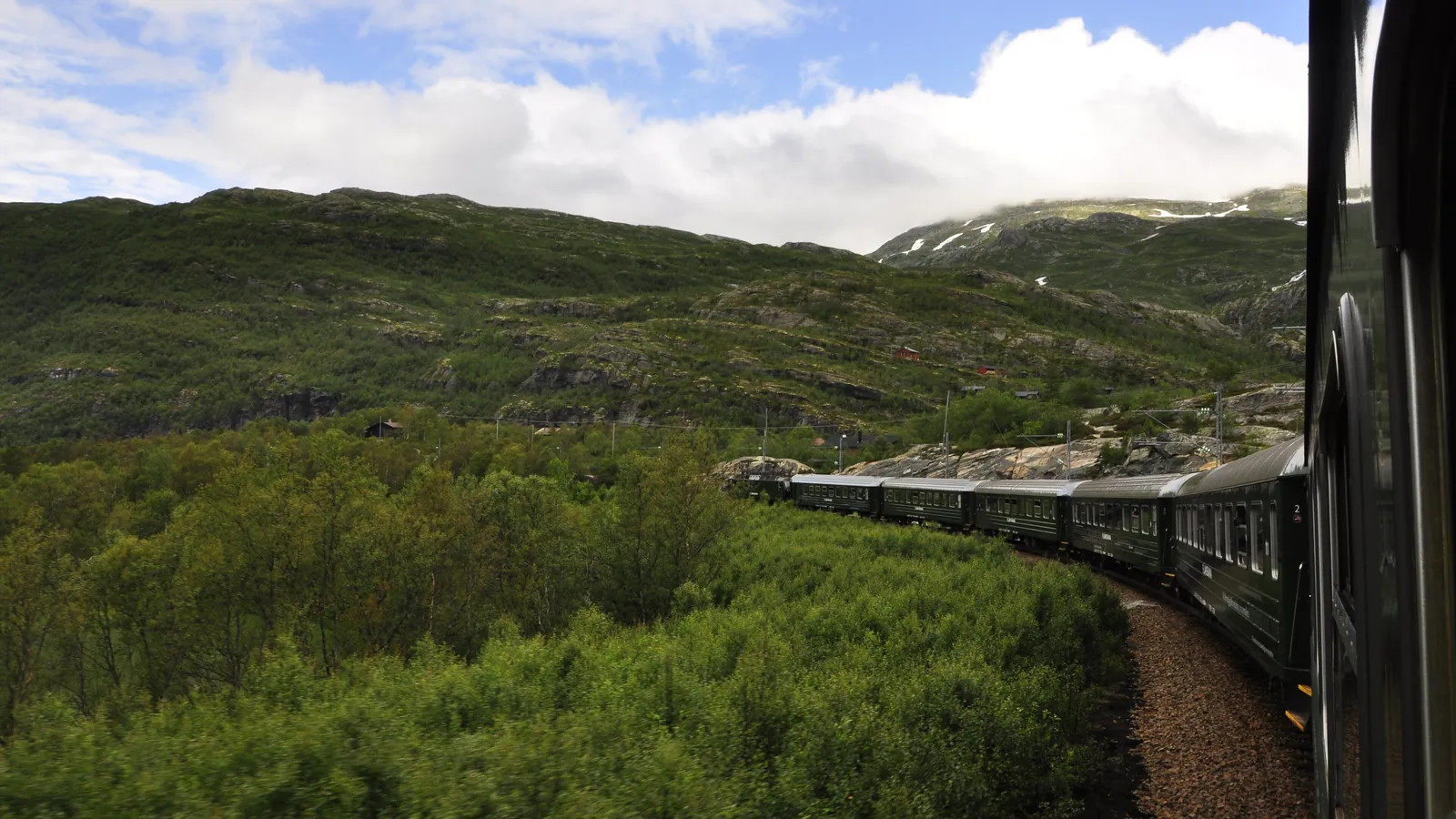
In the afternoon, take the train from Bergen to Myrdal, high in the mountains, and change onto the Flam Railway. Over about 20 kilometres, this remarkable line descends more than 860 metres to the village of Flam at the head of the Aurlandsfjord, through tunnels, around hairpin bends and past roaring waterfalls. The train usually pauses at the Kjosfossen waterfall so passengers can step out onto the platform, feel the spray and take photographs.
Day 7: A Naeroyfjord cruise from Flam and the drive to Oslo
This is the scenic climax of the trip. Board a boat at Flam for the cruise to Gudvangen through the Naeroyfjord, one of the narrowest fjords in the world, just a few hundred metres wide at its narrowest point, with mountains rising steeply on either side. Together with the Geirangerfjord, it was listed as a UNESCO World Heritage Site in 2005 as part of the West Norwegian Fjords.
From Gudvangen, drive east across the mountains to Oslo, a scenic journey of several hours that may take you through the Laerdal Tunnel, which at about 24.5 kilometres is the longest road tunnel in the world, and past high plateaus, lakes and stave church country.
Day 8: Oslo, Vigeland Park, the Opera House and Holmenkollen
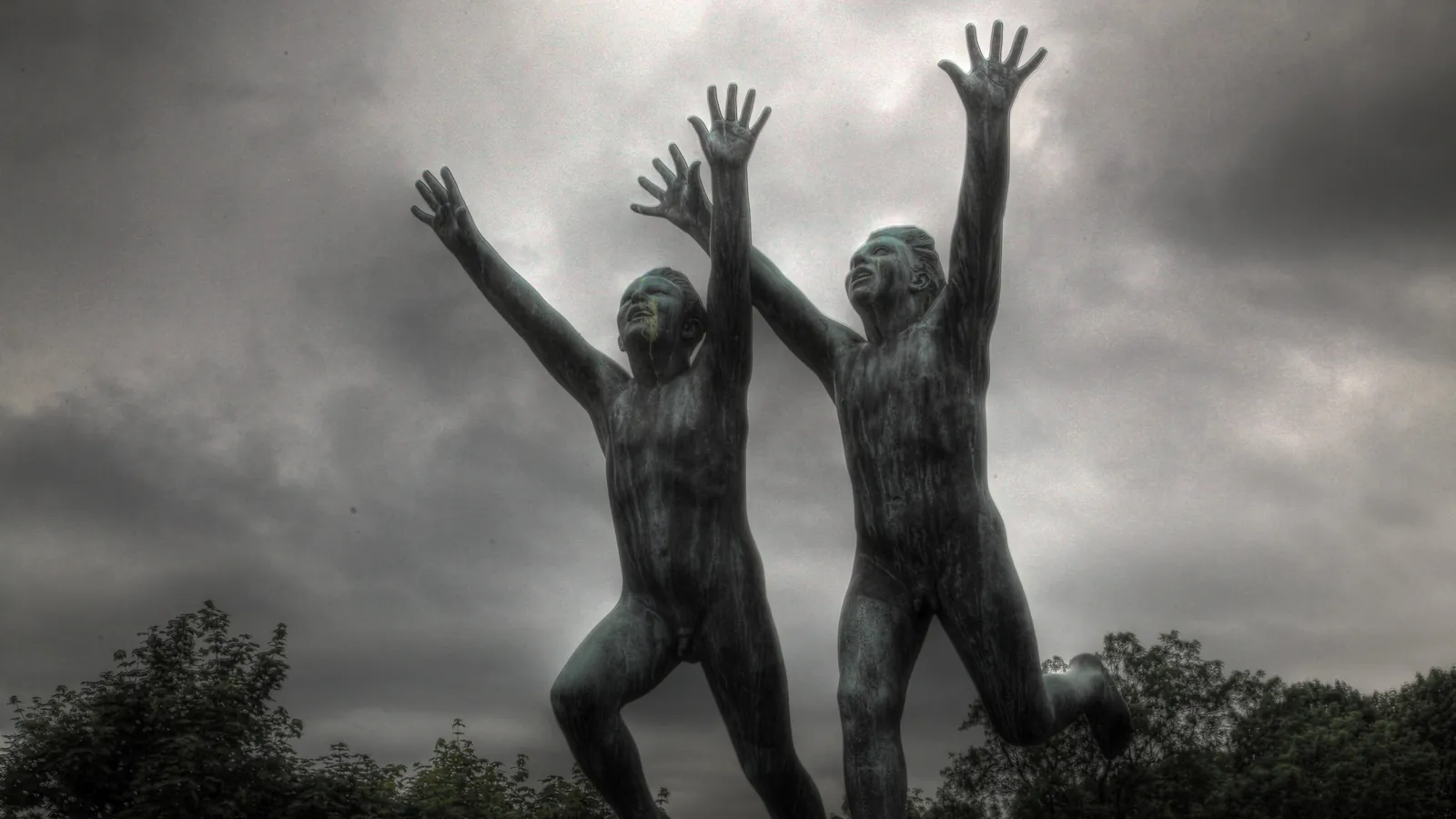
Oslo sits at the head of a long fjord, surrounded by forests and hills. Visit Vigeland Park in Frogner Park, where more than 200 sculptures by Gustav Vigeland depict people at every stage of life, culminating in a towering granite monolith of intertwined figures. Walk onto the sloping marble roof of the Oslo Opera House, which rises out of the fjord like a glacier and has become a favourite city viewpoint. Drive up to the Holmenkollen ski jump, a landmark of Norwegian winter sport with sweeping views over the city and fjord.
With extra time in Oslo, visit the Fram Museum, which houses the polar ship used by the explorers Fridtjof Nansen and Roald Amundsen, the Kon-Tiki Museum with Thor Heyerdahl's balsa raft, and the new Munch Museum on the waterfront, home to thousands of works by Edvard Munch, the painter of The Scream. In summer, the little ferries to the islands of the Oslo Fjord make a lovely, inexpensive half-day outing, and the Akershus Fortress offers wide views across the harbour at sunset, which in June arrives well after 10 p.m.
Day 9: Departure from Oslo
Transfer to Oslo Gardermoen airport for your flight home, or extend your stay in Norway.
Extending the trip
- Geirangerfjord and the Atlantic Road: two or three days in the fjord region for some of Norway's most famous viewpoints.
- Tallinn, Estonia: a medieval old town just two hours by ferry from Helsinki, and inside the Schengen area.
- Lapland and the Arctic: in winter, add Tromso or Swedish Lapland for the northern lights, husky sledding and reindeer; in summer, the midnight sun.
- Iceland: also a Schengen member, with volcanoes, glaciers and waterfalls, a few hours by air from Oslo or Copenhagen.
Flying to Scandinavia from India
Most tours of the region start in one city and finish in another, so book an open-jaw ticket: fly into Helsinki and home from Oslo. This saves a full day of backtracking. Finnair has operated direct flights between Delhi and Helsinki, and the Finnish capital is also a convenient hub, so check current schedules. Otherwise, one-stop connections via Dubai, Doha, Abu Dhabi, Istanbul, Frankfurt or Amsterdam are easy from every major Indian city, with total journey times of roughly 11 to 16 hours.
Book early for July and August, when Indian school holidays and the European summer push fares up. Compare the total price, including checked baggage, because some fares on European connections are hand-baggage only. If you are travelling with our group tour, we share recommended arrival and departure times so your flights line up with the airport transfers.
Understanding Nordic culture
Part of the joy of travelling here is noticing how differently daily life works. A few ideas explain a lot:
- Hygge (Denmark): the Danish art of cosiness, of candles, warm drinks, good company and a feeling of comfort. It is why Copenhagen cafes are so inviting.
- Lagom (Sweden): "just the right amount". Not too much, not too little. It shows up in Swedish design, in food portions and in a dislike of showing off.
- Fika (Sweden): the daily coffee and cake break, taken seriously by offices and families alike. Join in.
- Sisu (Finland): quiet grit and resilience in the face of hardship, and a big part of the Finnish character. Finland also has a sauna culture unlike anywhere else, with millions of saunas for a population of about five and a half million.
- Allemannsretten (Norway): the right to roam, which lets everyone walk and camp in nature responsibly, even on private land. Norwegians spend as much time outdoors as they can.
Scandinavians can seem reserved at first, but they are warm and helpful when approached, and almost everyone speaks excellent English. Punctuality matters, queues are respected, and people generally keep their voices low in public. Recycling is taken seriously: many bottles and cans carry a deposit you get back at supermarket machines.
What to pack for Scandinavia
- A warm, windproof jacket for fjord cruises and evenings, even in July.
- Layers: T-shirts, a fleece or sweater, and a thin thermal layer if you feel the cold.
- A compact umbrella or rain jacket. Bergen is one of the rainiest cities in Europe.
- Comfortable walking shoes with a good grip for cobbled old towns and wet decks.
- An eye mask for the bright summer nights.
- A refillable water bottle and a small daypack.
- Sunglasses and sunscreen. Long daylight and reflection off water can be strong.
- Any snacks you cannot live without. Indian snacks are expensive to find, so a few packets from home help on travel days.
Food in Scandinavia
Scandinavian food is simple and seasonal, built around fish, dairy, rye bread, berries and root vegetables. It is also expensive. Vegetarians will find more choice than they might expect: cities like Copenhagen, Stockholm and Oslo have excellent vegetarian and vegan restaurants, supermarkets sell good salads and sandwiches, and there are Indian restaurants in every capital.
Local treats worth trying include Swedish cinnamon buns (kanelbulle) with coffee during fika, the Swedish coffee break; Danish pastries, which the Danes call wienerbrod; Danish open sandwiches (smorrebrod) with cheese or egg; Finnish Karelian pies, rye pastries filled with rice porridge; Norwegian brown cheese (brunost), sweet and caramel-like; and wild berries such as cloudberries and lingonberries. Non-vegetarians can try Norwegian salmon, Swedish meatballs and pickled herring.
On our tour, eight dinners and six lunches are included, and the tour manager can arrange vegetarian and Jain meals in advance.
Who this trip suits
Couples will find the fjords, the long golden evenings and the design-filled cities deeply romantic. It is a superb honeymoon or anniversary trip for those who prefer nature to beaches.
Families with older children will enjoy the ships, trains, Tivoli and the Vasa Museum. Scandinavia is extremely child-friendly and safe.
Older parents can do this trip comfortably on an escorted tour, as long as they are fine with some walking and a few long travel days. The overnight cruise and the train journeys are relaxing ways to cover distance.
Repeat Europe travellers who have already done Paris, Switzerland and Italy will find Scandinavia refreshingly different.
Who it may not suit: travellers on a tight budget travelling independently, since daily costs are high, and those looking for beach weather or nightlife-focused holidays.
How much does a Scandinavia tour cost?
- Schengen visa: about ₹11,000 to ₹16,000 per person including the €90 fee, service charges and insurance.
- Return flights from India: typically ₹60,000 to ₹1,10,000 per person in economy, flying into Helsinki and out of Oslo, depending on the season and airline.
- Hotels: roughly ₹12,000 to ₹25,000 or more per night for a double room in the capitals in summer.
- Meals: a simple restaurant meal often costs ₹2,000 to ₹4,000 per person; supermarket meals are far cheaper.
- Transport: the Flam Railway, fjord cruises and the Baltic cruise add up quickly if booked individually.
- Attractions: the Vasa Museum, Tivoli and funicular tickets typically cost ₹1,500 to ₹3,500 each.
Our Scandinavia Tour: Four Capitals and the Norwegian Fjords starts at ₹2,31,000 per person for nine days, including eight nights in three-star-plus hotels with breakfast, eight dinners and six lunches, the overnight Helsinki to Stockholm cruise cabin, the high-speed train to Copenhagen, the flight to Bergen, the Flam Railway, the Naeroyfjord cruise, entry tickets, local guides and a tour manager. Check the tour page for what is included on your departure.
Practical tips for Scandinavia
- Go cashless. Scandinavia is one of the most cashless regions in the world. Cards and phone wallets are accepted almost everywhere, and some places do not take cash at all. Carry a forex card or a credit card with low foreign transaction fees.
- Know the currencies. Finland uses the euro, while Sweden, Denmark and Norway have their own kronor or kroner. Card payments handle the conversion for you.
- Pack layers. Even in July, fjord cruises are cold and windy on deck. Bring a warm jacket, a hat and a waterproof layer.
- Bring an eye mask. With light until late at night in summer, sleep can be difficult.
- Drink tap water. It is excellent everywhere, so carry a refillable bottle and save money.
- Use Type C or F plug adapters, the standard European two-pin plugs.
- Respect quiet. Scandinavians value calm; speak softly on trains and in public spaces.
- Tipping is not expected as service is included, but rounding up for good service is appreciated.
Mistakes to avoid
Expecting the northern lights in summer. They are a winter phenomenon, best seen in the Arctic north.
Underestimating costs. Independent travellers are often shocked by prices. A package with meals and transport included gives far better value and predictability.
Applying for the visa late. Summer appointments at Nordic embassies fill up quickly.
Packing only summer clothes. The fjords can feel like autumn even in July.
Rushing Norway. The fjords are the heart of the trip. If you add days anywhere, add them in western Norway.
Overpacking. You will change hotels, board a ship, a train and a plane, and carry bags onto the Flam line. One medium suitcase and a daypack per person makes every transfer easier, and many European flights charge heavily for extra checked bags.
Plan your Scandinavia tour with The Vacation Code
Four capitals, a Baltic cruise, one of the world's great railway journeys and a cruise through a UNESCO fjord: a Scandinavia tour is a trip of a lifetime. Our Scandinavia Tour: Four Capitals and the Norwegian Fjords handles the hotels, cruise, trains, flight, tickets, guides and a tour manager, with meals arranged for Indian tastes.
Planning more of Europe? Read our guide to choosing a Europe tour package from India, or explore our Switzerland and Paris itinerary. You can also browse all our international tours.
Frequently asked questions
Do I need separate visas for Norway, Sweden, Denmark and Finland?
No. All four countries are in the Schengen area, so a single Schengen visa covers them all. Apply to the country where you will spend the most nights, or the country of first entry if nights are equal.
What is the best time for a Scandinavia tour?
Late May to early September is best, with mild weather, long days and full schedules for fjord cruises and the Flam Railway. July is the warmest and busiest month.
How many days are enough for a Scandinavia tour?
Nine to ten days is enough to see Helsinki, Stockholm, Copenhagen, the Norwegian fjords and Oslo. Add two or three days for Geirangerfjord or Tallinn.
Can I see the northern lights on a summer Scandinavia tour?
No. The sky does not get dark enough in summer. The northern lights are best seen from October to March in the Arctic north, such as Tromso or Swedish Lapland.
Is Scandinavia expensive for Indian travellers?
Yes, it is one of the most expensive regions in the world, with restaurant meals often costing 2,000 to 4,000 rupees per person. A package with hotels, transport and meals included is usually better value.
Is vegetarian food available in Scandinavia?
Yes. The capitals have many vegetarian and vegan restaurants, supermarkets sell good vegetarian options, and Indian restaurants are found in every capital. Tour managers can arrange vegetarian and Jain meals in advance.
What is the Flam Railway?
The Flam Railway is a roughly 20 kilometre line in western Norway that descends more than 860 metres from Myrdal to Flam on the Aurlandsfjord, past waterfalls and through tunnels. It is one of the steepest standard-gauge railways in the world.