- Why Paris and Switzerland together?
- The best time to visit
- The Schengen visa: step by step
- Which country do you apply to?
- When to apply
- Documents you will typically need
- Which order: Paris first or Switzerland first?
- The 8-day itinerary
- Day 1: Arrive in Paris, evening Seine cruise
- Day 2: The Eiffel Tower summit, Trocadéro and the Champs-Élysées
- Day 3: The Louvre and Paris at leisure, or Disneyland
- Day 4: Train to Switzerland, Lucerne
- Day 5: Mount Titlis
- Day 6: The Golden Pass route to Interlaken
- Day 7: Jungfraujoch, the Top of Europe
- Day 8: Departure from Zurich
- Extending the trip: what to add with more days
- Making it a honeymoon, or a family trip
- The Swiss Travel Pass: is it worth it?
- Where to stay
- Indian and vegetarian food in Paris and Switzerland
- What does the trip cost?
- Practical tips for Europe
- What to pack
- Common mistakes to avoid
- Travel with The Vacation Code
- Frequently asked questions
- How many days are enough for Paris and Switzerland?
- Which embassy should I apply to for a Paris and Switzerland visa?
- Is the Swiss Travel Pass worth buying?
- Is it better to visit Mount Titlis or Jungfraujoch?
- Can vegetarians find food easily in Paris and Switzerland?
- What is the best time to visit Switzerland and Paris?
Ask a room full of Indian travellers where they dreamed of going as children, and a surprising number will say the same thing: Switzerland. For a generation that grew up on Yash Chopra films, the country is shorthand for romance itself: yellow mustard fields, lakes like mirrors, and snow peaks behind a couple in chiffon. Paris sits right next to it in the imagination, the city of the Eiffel Tower, candlelit cafés and the idea that simply being there makes life a little more glamorous.
The good news is that the reality lives up to the dream. The better news is that Paris and Switzerland fit together beautifully in a single trip. A high-speed train connects them in about four hours, both are easy to navigate, and eight days is enough to see the highlights without rushing. This guide is the itinerary we recommend to couples, families and friends travelling from India, refined over many trips. It covers the Schengen visa, the best order to travel, what to see each day, the Swiss Travel Pass calculation that confuses everyone, where to find Indian and vegetarian food, and what the whole trip really costs.
Why Paris and Switzerland together?
Europe offers endless combinations, but Paris and Switzerland make one of the best pairings for a first trip for three reasons.
Contrast. Paris is a city of art, architecture, food and people-watching. Switzerland is about nature on a grand scale: glaciers, lakes, waterfalls and mountain railways. Combining them means the trip never feels repetitive.
Easy logistics. Both are in the Schengen area, so one visa covers both. The TGV Lyria train from Paris Gare de Lyon to Zurich, Basel or Geneva takes roughly three to four hours, city centre to city centre, with no airport security or check-in.
Something for everyone. Honeymooners get Paris at night and Alpine romance. Families get Disneyland Paris, snow in summer and gentle lake cruises. Parents get comfortable trains, views without strenuous hiking and plenty of Indian restaurants.
The best time to visit
Late spring (May to June) is our favourite time. Switzerland's meadows are green and full of wildflowers, waterfalls are at their most powerful with snowmelt, Paris is in bloom, and the long daylight hours, with sunset around 9.30 p.m., give you more time each day. Crowds are manageable before the July peak.
Summer (July and August) is the busiest season. The weather is warm, all mountain excursions are open and it coincides with Indian summer holidays, but prices are at their highest and popular spots are crowded. Book everything well ahead.
Early autumn (September to early October) is excellent. Crowds thin out, the weather is still pleasant and the light is golden. It is ideal for couples.
Winter (December to March) turns Switzerland into a snow wonderland, perfect if you want real snow and Christmas markets, though some high-altitude hiking areas close and days are short. Paris is cold and grey but atmospheric, with fewer tourists.
Note that the high mountain experiences, Mount Titlis and Jungfraujoch, have snow all year round, so you will see snow whenever you travel.
The Schengen visa: step by step
Indian passport holders need a Schengen visa for both France and Switzerland. It is the most time-consuming part of planning, so start early.
Which country do you apply to?
You apply to the country where you will spend the most nights. If you spend four nights in Switzerland and three in Paris, you apply to the Swiss embassy. If the nights are equal, you apply to the country you enter first. Applications are submitted through the official visa application centres in major Indian cities.
When to apply
You can apply up to six months before travel, and no later than about 15 days before. In practice, appointment slots in peak season, particularly April to July, can be booked out for weeks, so apply two to three months in advance. Processing usually takes around 15 working days but can take longer in busy periods.
Documents you will typically need
- A passport valid for at least three months beyond your return date, issued within the last ten years, with at least two blank pages.
- The completed application form and recent photographs meeting Schengen specifications.
- Return flight reservations and confirmed hotel bookings for every night.
- A day-by-day itinerary.
- Travel insurance covering at least €30,000 of medical expenses across the Schengen area.
- Bank statements for the last three to six months, income tax returns and salary slips, or business documents if self-employed.
- A cover letter explaining the purpose of your trip, and a leave letter from your employer.
- For honeymooners, a marriage certificate if available, especially if names on passports differ.
You will also need to give biometric data (fingerprints and a photograph) at the visa centre, unless you have done so for a Schengen visa in the last few years. Requirements change, so always follow the checklist on the official embassy or visa centre website. When you book with us, our visa desk prepares your itinerary, hotel confirmations and cover letter, and reviews your file before submission.
Which order: Paris first or Switzerland first?
Both work, but we generally recommend Paris first, then Switzerland. Paris is busy and energetic, and many couples find it best to explore it while they are fresh. Ending in the calm of the Swiss mountains feels like a proper holiday at the end. It also means your last days are spent somewhere peaceful, rather than dealing with city crowds before a long flight home. Flights from India to Paris and back from Zurich (an "open-jaw" ticket) are easy to book and usually cost about the same as a simple return.
The 8-day itinerary
Day 1: Arrive in Paris, evening Seine cruise
Most flights from India arrive in Paris in the morning. Transfer to your hotel. Hotels in central areas such as the 7th arrondissement near the Eiffel Tower, the Latin Quarter or near Opéra make sightseeing easy. Check-in is usually mid-afternoon, so leave your bags and walk to a café for your first croissant and coffee. Rest in the afternoon to shake off jet lag.
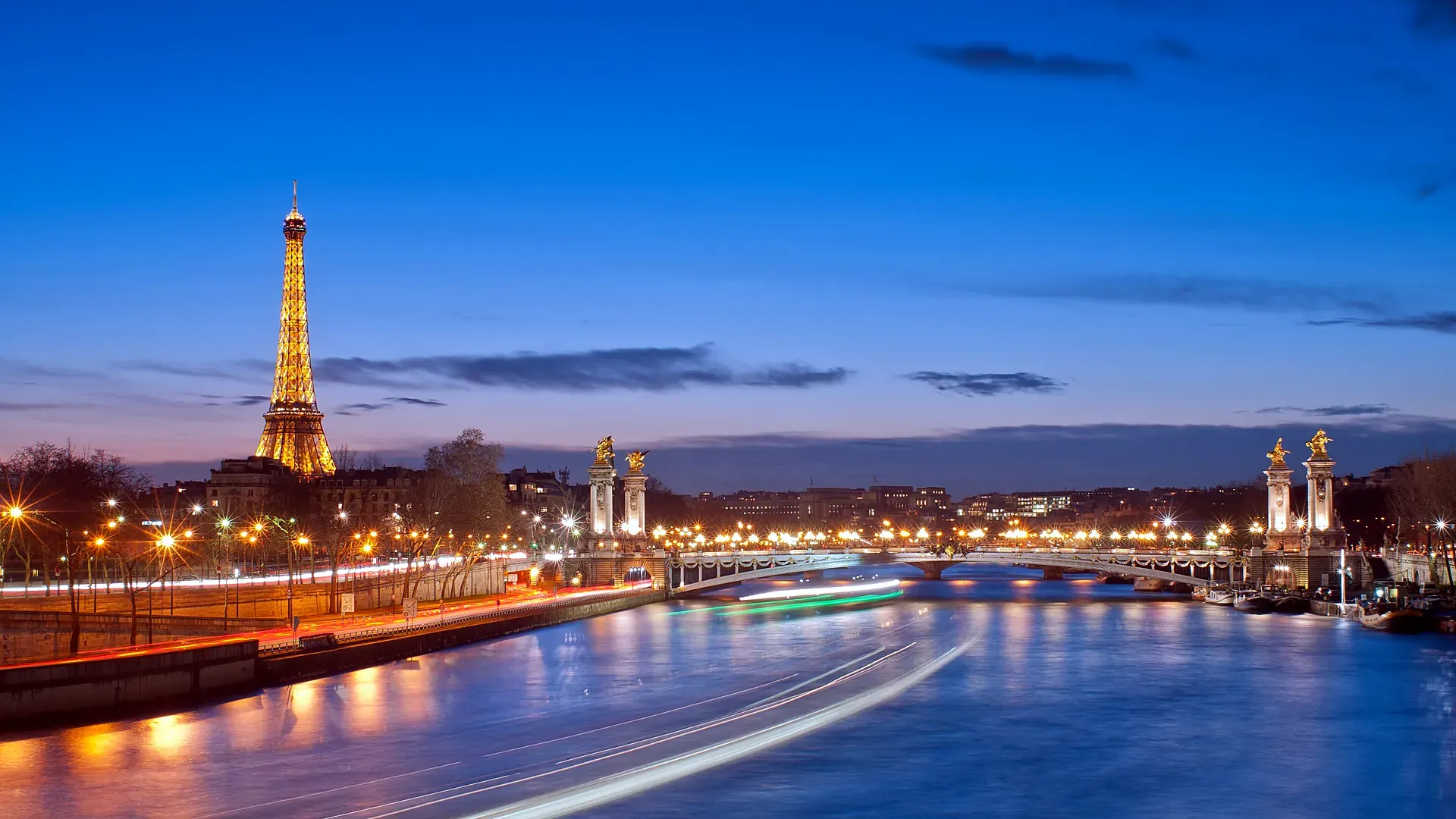
In the evening, take a Seine river cruise. The boats glide past Notre-Dame, the Louvre, the Musée d'Orsay and the grand bridges, and at night the city lights up beautifully. On the hour after dark, the Eiffel Tower sparkles with thousands of lights for five minutes, and seeing it from the river is unforgettable. A dinner cruise is a romantic upgrade for couples.
Day 2: The Eiffel Tower summit, Trocadéro and the Champs-Élysées
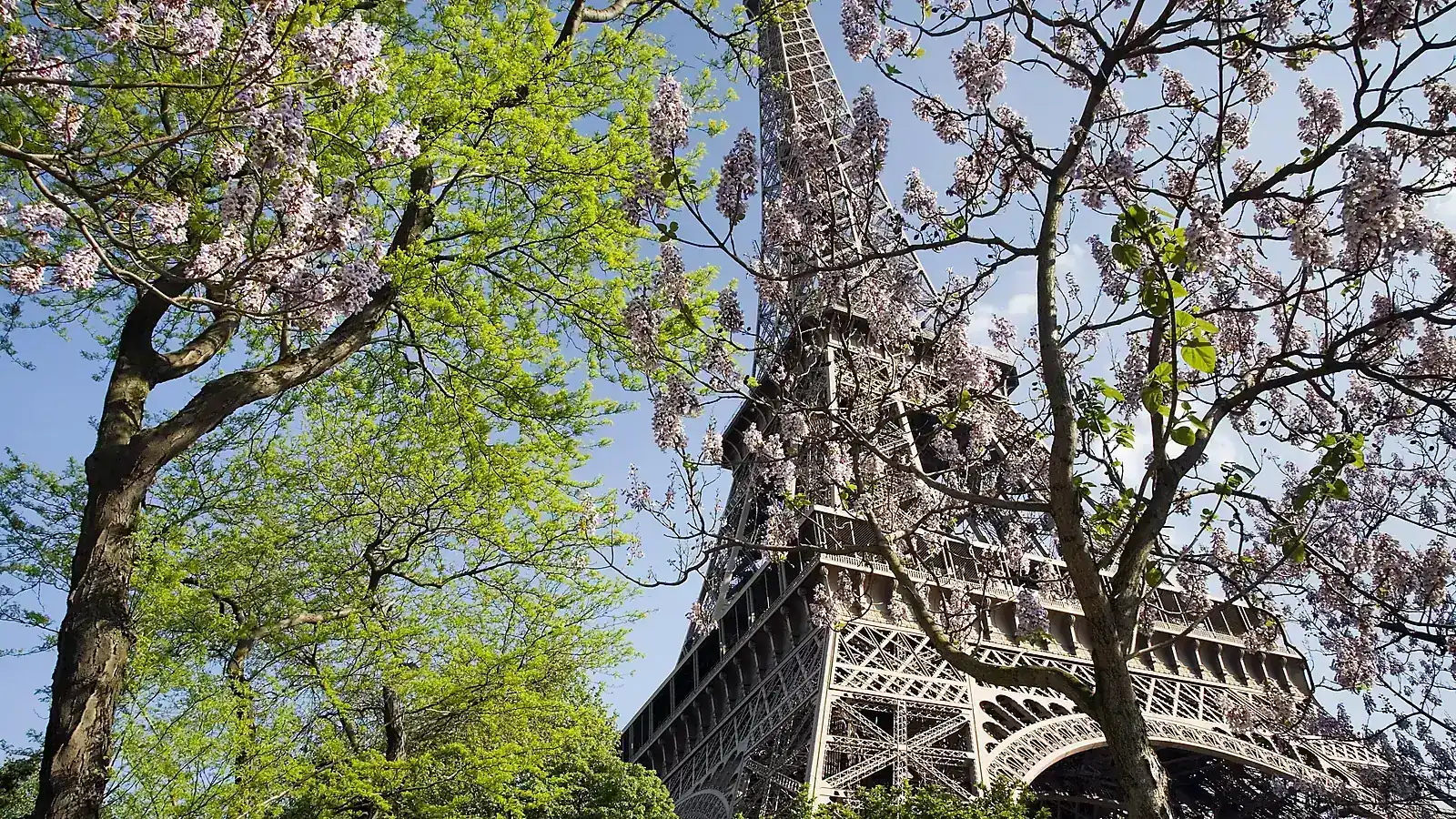
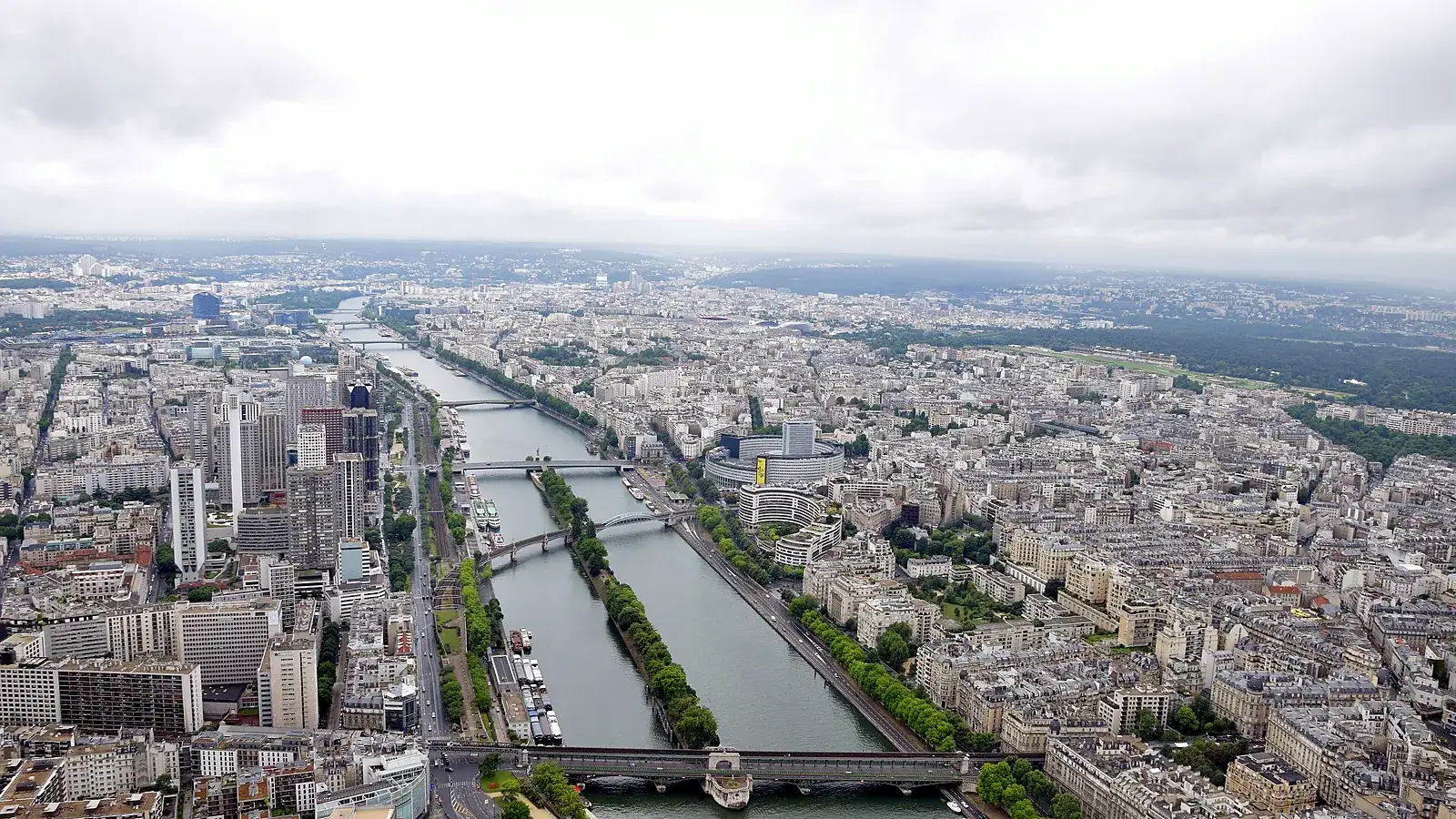
Start at the Eiffel Tower. Book timed tickets online well in advance, choosing the summit option if available, as they sell out. The second floor offers the best views over the city, and the summit at 276 metres gives the full panorama. Go early in the morning to avoid the longest queues.
Walk across the river to the Trocadéro for the classic photograph of the tower. Then take the metro or walk to the Arc de Triomphe. You can climb to its roof for a view of the twelve avenues radiating from it like a star. Stroll down the Champs-Élysées, window-shopping at its flagship stores, to the Place de la Concorde and the Tuileries Garden.
In the evening, head to Montmartre, the hilltop neighbourhood of artists. Climb to the white domes of the Sacré-Cœur Basilica for sunset views over the city, then wander through Place du Tertre, where painters still work in the square.
Day 3: The Louvre and Paris at leisure, or Disneyland
Spend the morning at the Louvre, the world's largest art museum. It is enormous, so do not try to see everything. Focus on the highlights: the Mona Lisa, the Venus de Milo, the Winged Victory of Samothrace and the grand French paintings. Book a timed entry ticket in advance, and consider a guided tour to get the most out of two or three hours.
After lunch, visit the Île de la Cité for Notre-Dame Cathedral and the jewel-like stained glass of Sainte-Chapelle, then wander the Latin Quarter. Alternatively, spend the afternoon shopping at Galeries Lafayette, whose rooftop terrace has a lovely free view of the city.
Families with children may prefer to spend this whole day at Disneyland Paris, about 40 minutes from the city by RER train. Couples who love history might instead take a half-day trip to the Palace of Versailles, the extraordinary royal residence with its Hall of Mirrors and vast gardens.
Day 4: Train to Switzerland, Lucerne
Take the morning TGV Lyria from Paris Gare de Lyon to Zurich or Basel, around three to four hours. Book in advance for the best fares. The journey is smooth and comfortable, and you can watch the French countryside give way to the Jura hills. From Zurich or Basel, a short connecting train takes you to Lucerne in about an hour.
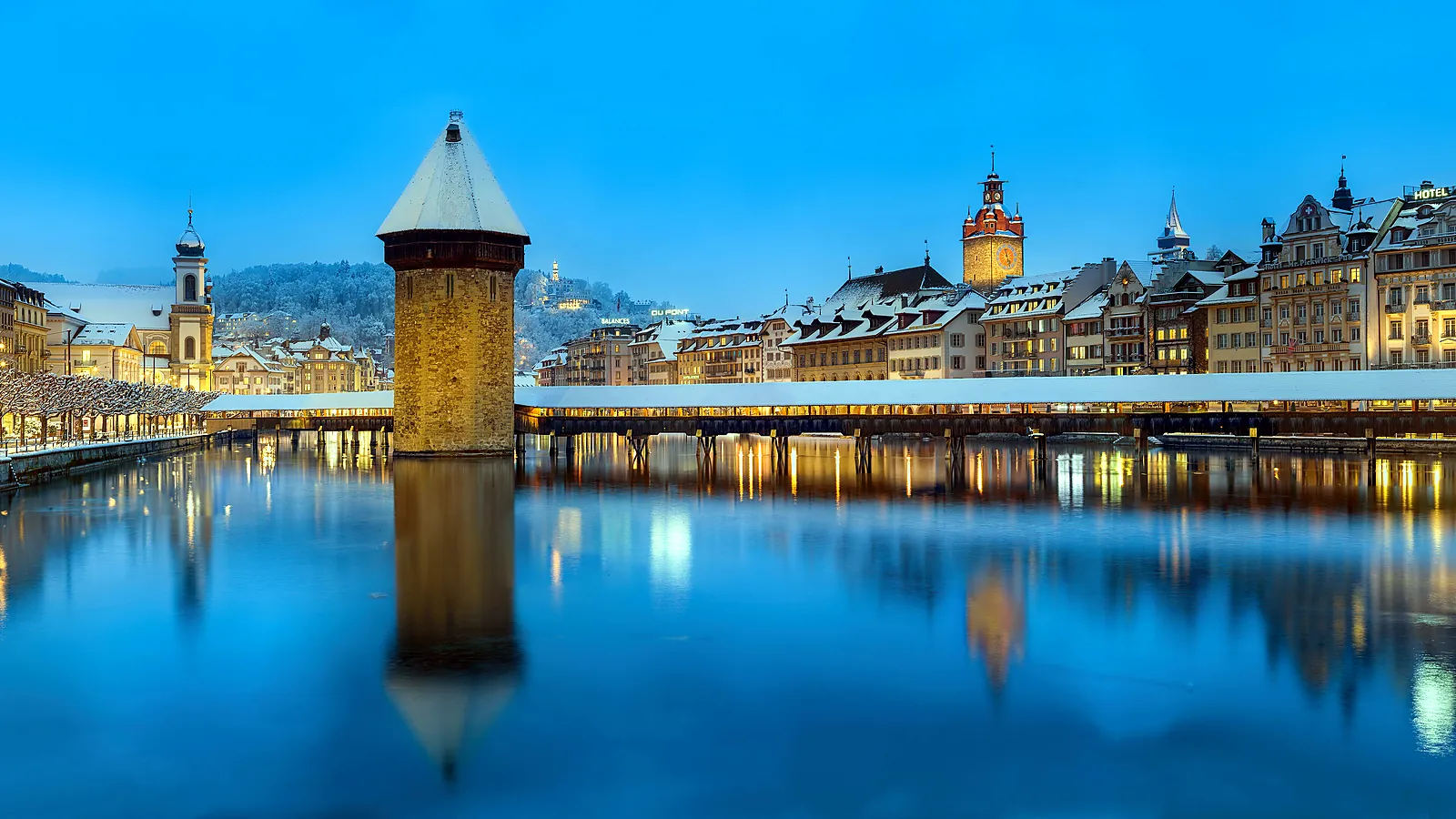
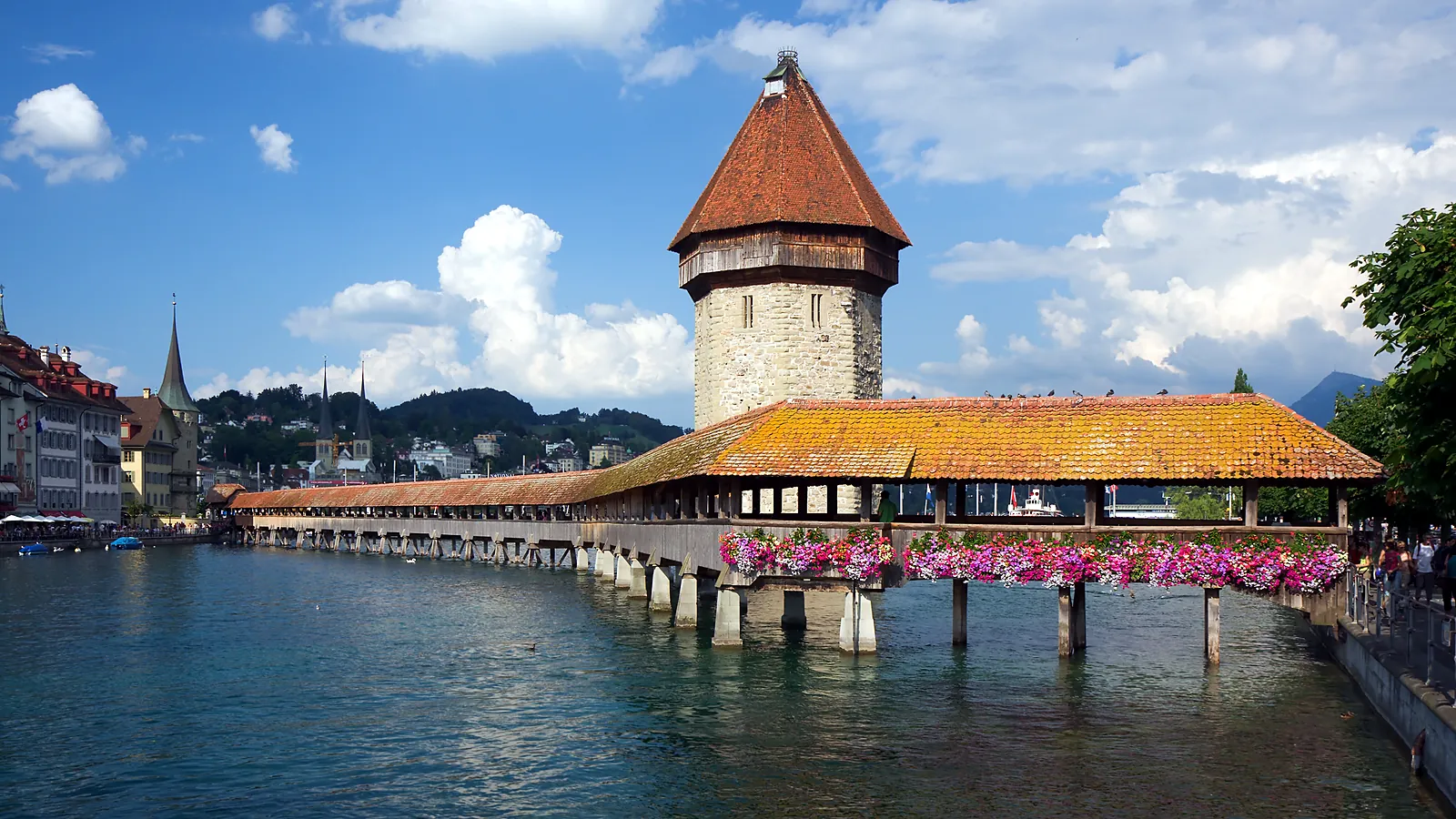
Lucerne is one of the most beautiful small cities in Europe, set on a lake surrounded by mountains. Check into your hotel and spend the evening walking the old town. Cross the Chapel Bridge (Kapellbrücke), a covered wooden bridge from the 14th century decorated with painted panels, and see the moving Lion Monument, carved into a rock face. Have dinner by the lakeside as the sun sets behind Mount Pilatus.
Day 5: Mount Titlis
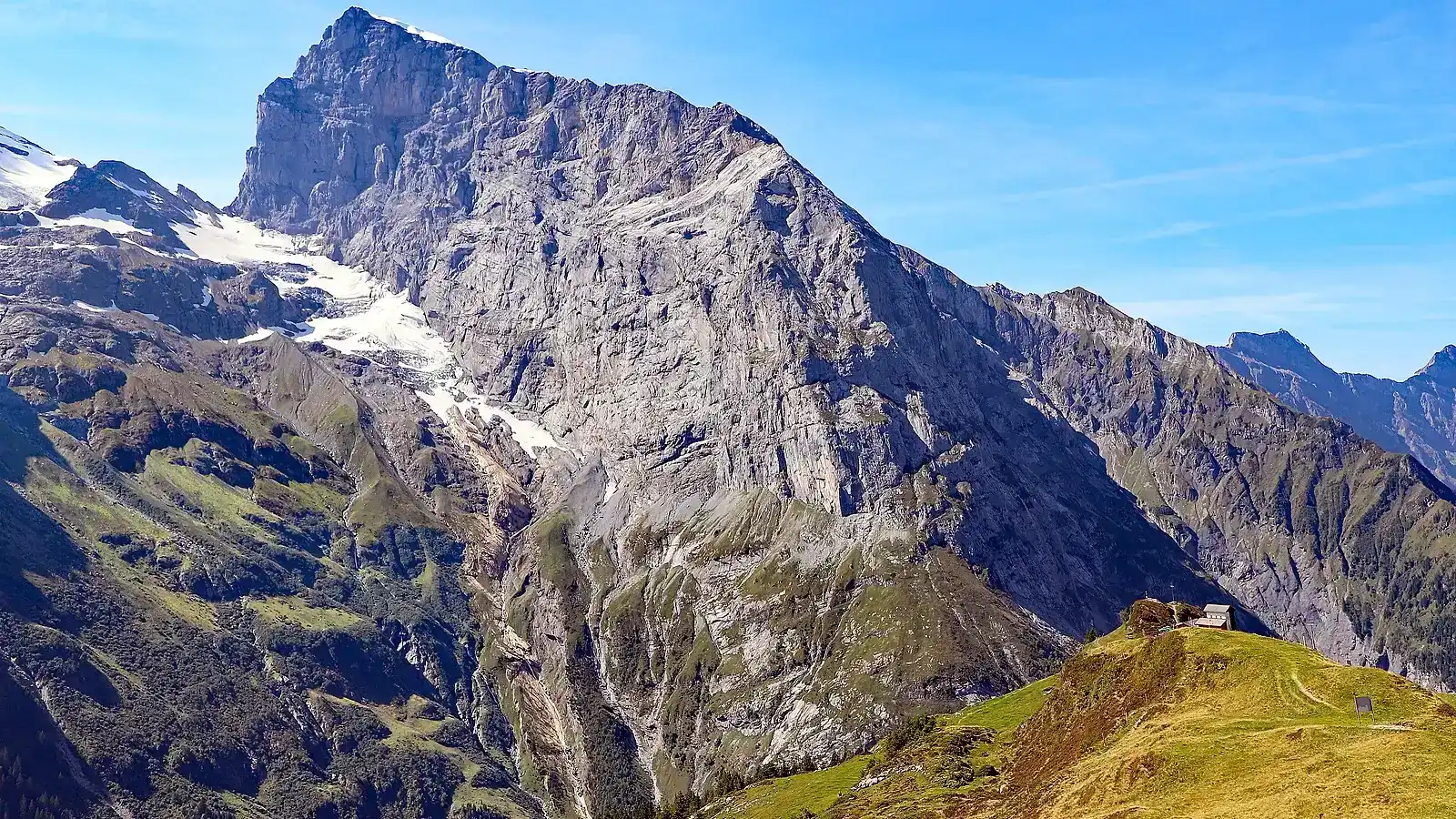
Take the train from Lucerne to Engelberg, a charming mountain village about 45 minutes away, and ride the cable cars up to Mount Titlis, at around 3,020 metres. The final stage is the Rotair, the world's first revolving cable car, which turns 360 degrees as it climbs over a glacier.
At the top, walk the Titlis Cliff Walk, a suspension bridge over a 500-metre drop, explore the Glacier Cave carved into the ice, and try the Ice Flyer chairlift over the glacier to the snow park, where you can go tubing. Titlis is famous among Indian travellers for its Bollywood connection, and you will find a cut-out of a famous film couple at the top, as well as Indian food at the summit restaurant. Dress warmly: even in summer, it is cold and snowy up there.
Return to Lucerne in the afternoon. If you have energy, take a short boat cruise on Lake Lucerne in the evening.
Day 6: The Golden Pass route to Interlaken
Travel from Lucerne to Interlaken on the Luzern–Interlaken Express, a scenic train over the Brünig Pass that passes turquoise lakes, waterfalls and alpine villages. The journey takes about two hours and is one of the prettiest train rides in Switzerland.
Interlaken sits between two lakes, Thun and Brienz, beneath the Jungfrau massif. It is a lively hub for adventure activities and has several Indian restaurants. In the afternoon, take the funicular up to Harder Kulm for a spectacular view over both lakes and the Eiger, Mönch and Jungfrau peaks. Alternatively, visit the lakeside village of Iseltwald on Lake Brienz, made famous by a Korean drama, or take a cruise on the lake's glacial turquoise water.
Day 7: Jungfraujoch, the Top of Europe
This is the highlight for many travellers. The Jungfraujoch railway station sits at 3,454 metres, the highest railway station in Europe. The journey is part of the experience. From Interlaken, trains climb through Grindelwald or Lauterbrunnen to Kleine Scheidegg, and then the Jungfrau Railway tunnels through the Eiger and Mönch mountains to the top. Some routes include the modern Eiger Express cable car from Grindelwald, which shortens the journey.
At the top, visit the Sphinx Observatory for views over the Aletsch Glacier, the longest glacier in the Alps, walk through the Ice Palace carved into the glacier, and step out onto the snow plateau. There is also an Indian restaurant at the top, which is a surprise and a comfort for many visitors.
Jungfraujoch is expensive, and the weather at the top can be cloudy. Check the live webcam before you set off. If it is completely clouded over, consider swapping days. On the way down, stop in Grindelwald or in the waterfall valley of Lauterbrunnen, where the Staubbach Falls plunge nearly 300 metres from a cliff above the village.
Day 8: Departure from Zurich
Take the train from Interlaken to Zurich Airport, about two hours with a change, and fly home. If your flight is in the evening, spend a few hours in Zurich, walking along the lake, through the old town and down the famous Bahnhofstrasse shopping street.
Extending the trip: what to add with more days
If you have ten or twelve days instead of eight, resist the temptation to add another country. Switzerland alone has enough to fill weeks, and these additions give far more pleasure than extra hours on a train.
- Zermatt and the Matterhorn. A car-free village beneath the most famous mountain in the Alps. Take the Gornergrat railway for the classic view of the Matterhorn reflected in the Riffelsee lake. Zermatt deserves at least two nights.
- The Glacier Express or Bernina Express. Two of the world's great scenic train journeys, crossing viaducts and passes in panoramic carriages. The Bernina Express, in particular, winds past glaciers down to palm trees near the Italian border.
- Mount Pilatus and Mount Rigi. Both are near Lucerne. Pilatus is reached by the steepest cogwheel railway in the world, and Rigi, the "queen of the mountains", offers wide views over lakes. Both are cheaper and less crowded than the high summits.
- Montreux and Lake Geneva. Chillon Castle rising out of the lake, vineyard terraces at Lavaux, and a mild, almost Mediterranean feel.
- Rhine Falls. The largest waterfall in Europe by volume, an easy half-day from Zurich, where boats take you right up to a rock in the middle of the falls.
Making it a honeymoon, or a family trip
For honeymooners, a few small touches transform this itinerary. Book the Seine dinner cruise rather than a sightseeing boat. Watch the Eiffel Tower sparkle from the Trocadéro at night with a bottle of something cold. Choose a hotel room with a lake view in Lucerne and a mountain view in Interlaken or Grindelwald. Take a private boat on Lake Brienz, or a horse-drawn carriage ride in Interlaken. And plan one completely unscheduled afternoon to wander without a map. Many couples say those unplanned hours were their favourite.
For families with parents, the trip works well with a few adjustments. Swiss trains are step-free and comfortable, and every major excursion, including Titlis and Jungfraujoch, can be done without any strenuous walking. The main things to watch are altitude, since the summits sit above 3,000 metres and anyone with heart or breathing conditions should consult a doctor before going, and the amount of walking in Paris. Use taxis or the hop-on hop-off bus for part of the sightseeing, and keep afternoons free for rest. Group tours with an Indian tour manager are especially popular with parents, because someone else takes care of luggage, meals and timings.
For families with children, add Disneyland Paris, the Swiss Museum of Transport in Lucerne, the Harder Kulm funicular, the snow park at Titlis and the adventure park at Grindelwald First, with its cliff walk and mountain carts.
The Swiss Travel Pass: is it worth it?
Swiss trains are superb but expensive. The Swiss Travel Pass gives unlimited travel on trains, buses and boats across most of the country for a set number of consecutive days (3, 4, 6, 8 or 15), plus free entry to many museums and discounts on mountain excursions. The discount varies by mountain. It covers some summits entirely and gives around 25 to 50 percent off others, including Titlis and Jungfraujoch.
For the itinerary above, with four days in Switzerland, a 4-day Swiss Travel Pass usually makes sense. It covers the connecting train from Basel or Zurich to Lucerne, the trains to Engelberg and Interlaken, the Luzern–Interlaken Express, lake cruises and the final train to Zurich Airport, and it gives a discount on Titlis and Jungfraujoch. Without a pass, these individual tickets usually add up to more.
An alternative is the Swiss Half Fare Card, which gives 50 percent off almost all tickets for a month. It can work out cheaper for slower trips with fewer train journeys. The Jungfrau region also has its own regional passes. Because prices change each year, we calculate the best option for each traveller's actual route when we plan a trip.
Where to stay
In Paris, choose a hotel close to a metro station in a central area. The 7th arrondissement near the Eiffel Tower is quiet and elegant, the Latin Quarter is lively and atmospheric, and the areas around Opéra and the Grands Boulevards are convenient for shopping and transport. Paris hotel rooms are small by Indian standards, so do not be surprised.
In Lucerne, stay near the lake or old town. Hotels near the station are practical for day trips.
In Interlaken, stay near Interlaken Ost station for the Jungfrau trains. For a more romantic stay, consider a chalet hotel in Grindelwald or Wengen, where you wake up to views of the Eiger.
Indian and vegetarian food in Paris and Switzerland
Food is often a worry for Indian travellers in Europe, especially vegetarians, but it is far easier than many expect.
In Paris, Indian restaurants are found across the city, with a concentration in the 10th arrondissement around Passage Brady and Rue du Faubourg Saint-Denis, sometimes called Little India. French cafés and bakeries offer vegetarian options such as cheese and vegetable quiches, crêpes, salads, omelettes, and of course fresh baguettes, croissants and pastries. Falafel shops in the Marais are a delicious, affordable vegetarian meal. Check whether cheeses are made with animal rennet if that concerns you.
In Switzerland, you will find Indian restaurants in every major town, and Interlaken and Lucerne have several. Mount Titlis and Jungfraujoch even have Indian food at the top. Swiss specialities such as cheese fondue, raclette (melted cheese with potatoes and pickles) and rösti (crispy potato cake) are naturally vegetarian. Supermarkets like Coop and Migros have ready-made salads, sandwiches, fruit, yoghurt and bread, which are ideal for picnic lunches on mountain days and save a lot of money.
Jain travellers will find it harder, as onion and garlic are common in restaurant cooking, so carrying some ready-to-eat Indian meals, theplas and snacks is a sensible backup. When you travel on one of our group tours, Indian meals, including Jain options, are arranged throughout.
What does the trip cost?
Here is a realistic budget for eight days for two people in comfortable three- and four-star hotels. All figures are approximate and vary with the season and how early you book.
| Item | Approximate cost for two |
|---|---|
| Return flights from India (Paris in, Zurich out) | ₹1.1 lakh to ₹1.8 lakh |
| Schengen visa fees, service charges and insurance | ₹25,000 to ₹30,000 |
| 3 nights in Paris | ₹45,000 to ₹90,000 |
| 4 nights in Switzerland | ₹70,000 to ₹1.3 lakh |
| TGV Paris to Switzerland and Swiss Travel Pass | ₹75,000 to ₹95,000 |
| Titlis, Jungfraujoch, Eiffel Tower, Louvre, Seine cruise | ₹60,000 to ₹80,000 |
| Meals, local transport and shopping | ₹60,000 to ₹1 lakh |
That totals roughly ₹4.5 lakh to ₹6.5 lakh for two people. Switzerland is one of the most expensive countries in the world, so a well-negotiated package can make a real difference. Our Switzerland & Paris Romance package starts at ₹1,48,000 per person for eight days and seven nights, excluding flights, and includes hotels, the Eiffel Tower summit, a Seine dinner cruise, Mount Titlis and train travel. For groups, our Grand Europe group tour adds more countries with an Indian tour manager and Indian meals throughout.
Practical tips for Europe
- Currency. France uses the euro and Switzerland uses the Swiss franc. Cards are accepted almost everywhere, including for small amounts. A forex card loaded with both currencies is convenient. Carry a little cash for small cafés and tips.
- Tipping. Service is included in restaurant bills in both countries. Rounding up or leaving a small tip for good service is appreciated but not required.
- Pickpockets. Paris, in particular around the Eiffel Tower, the Louvre, Montmartre and on the metro, is notorious for pickpockets. Use a cross-body bag with a zip, keep phones out of back pockets, and be wary of people approaching with petitions or "friendship bracelets".
- Plugs. France uses Type C and E plugs; Switzerland uses Type J, which has a different shape. A universal adapter covers both.
- Trains. Swiss trains leave exactly on time. Be on the platform a few minutes early. Carriages show first and second class clearly.
- Water. Tap water in both countries is safe and excellent. Swiss public fountains provide free drinking water, so carry a refillable bottle.
- Sundays. Many shops in Switzerland and some in France close on Sundays. Plan shopping for other days.
- Mountain weather. Check webcams and forecasts each morning, and be ready to swap your Titlis and Jungfraujoch days if the weather changes.
What to pack
- Layers: t-shirts, a warm fleece or sweater, and a windproof, waterproof jacket.
- For the mountains: a thermal layer, gloves, a woollen cap and sunglasses, even in summer.
- Comfortable walking shoes with good grip. You will walk a lot in Paris and on snow at the summits.
- A smart outfit for a dinner cruise or special restaurant.
- Sunscreen and lip balm. UV at high altitude is strong.
- A universal adapter and a power bank.
- Printed copies of your visa, insurance, hotel bookings and tickets.
- A few packets of Indian snacks and ready meals for backup.
Common mistakes to avoid
Applying for the visa too late. Summer appointment slots disappear quickly. Apply two to three months before travel.
Trying to add too many countries. Eight days is perfect for Paris and Switzerland. Adding Italy or Amsterdam means spending the holiday on trains.
Not booking the Eiffel Tower and Louvre in advance. Timed tickets sell out, especially in summer.
Buying individual Swiss train tickets without comparing a pass. Calculate your route first; the pass usually saves money on an itinerary like this.
Visiting Jungfraujoch on a cloudy day. It is expensive, and the views are the whole point. Check the webcam and keep a flexible day.
Overpacking. You will carry your luggage on and off trains. One medium suitcase each is plenty.
Travel with The Vacation Code
Paris and Switzerland is a trip many people plan for years, and small details make a big difference: the right hotels near stations, the best-value Swiss pass for your route, pre-booked summit tickets, Indian meals arranged in the mountains, and a visa file that is complete the first time. Our Switzerland & Paris Romance package takes care of all of it, with an Eiffel Tower summit visit, a Seine dinner cruise and Mount Titlis. If you prefer to travel in a group with an Indian tour manager, see our 10-day Europe group tour.
For more inspiration, read our Bali honeymoon guide or explore our full list of international and Indian tours.
Frequently asked questions
How many days are enough for Paris and Switzerland?
Eight days and seven nights is ideal: three nights in Paris and four in Switzerland, split between Lucerne and Interlaken. With ten days you can add Zermatt and the Matterhorn, or a day trip to Versailles and Disneyland.
Which embassy should I apply to for a Paris and Switzerland visa?
Apply to the country where you will spend the most nights. If you spend four nights in Switzerland and three in France, apply for a Swiss Schengen visa. If the nights are equal, apply to the country you enter first.
Is the Swiss Travel Pass worth buying?
For an itinerary covering Lucerne, Engelberg, Interlaken and Zurich over four days, a 4-day Swiss Travel Pass usually saves money and effort. It covers trains, boats and buses and gives discounts on Titlis and Jungfraujoch.
Is it better to visit Mount Titlis or Jungfraujoch?
Both are wonderful and different. Titlis has the revolving cable car, the Cliff Walk and glacier activities, and is easy to reach from Lucerne. Jungfraujoch is higher, with the Aletsch Glacier, the Ice Palace and a spectacular railway journey. If you can, do both.
Can vegetarians find food easily in Paris and Switzerland?
Yes. Both have many Indian restaurants, and Swiss dishes like fondue, raclette and rösti are vegetarian. Titlis and Jungfraujoch even serve Indian food at the top. Supermarkets offer good vegetarian picnic options.
What is the best time to visit Switzerland and Paris?
May, June and September offer the best combination of pleasant weather, long days and manageable crowds. July and August are peak season. Winter is ideal for snow lovers.