📌 In this guide18 sections
- Three months before you travel
- One to two months before
- Two weeks before
- International travel checklist for packing
- At the airport in India
- On arrival abroad
- Returning to India
- Travelling with children and elderly parents
- If you lose your passport abroad
- Travelling with medicines
- First-time international flyers: extra tips
- Your final 24-hour international travel checklist
- Extra checklist for senior citizens
- Documents to carry
- Using digital documents
- Common mistakes to avoid
- Plan your international trip with The Vacation Code
- Frequently asked questions
A good international travel checklist is the difference between a smooth first trip abroad and a stressful one. Picture two families at the check-in counter. The first hands over passports, visas, printed bookings and insurance, and walks off to security in five minutes. The second discovers that one passport expires in four months, the airline will not board them, and the holiday they saved two years for starts with frantic phone calls. The only difference between them is preparation.
More Indians are travelling abroad than ever before, many for the first time, and the rules around passports, visas, money, customs and airport procedures can feel overwhelming. This checklist breaks everything down into simple steps, from three months before departure to the day you land, so you can travel confidently. Rules change, so always verify details with official sources such as the Ministry of External Affairs, your destination's embassy, your airline and your bank.
Three months before you travel
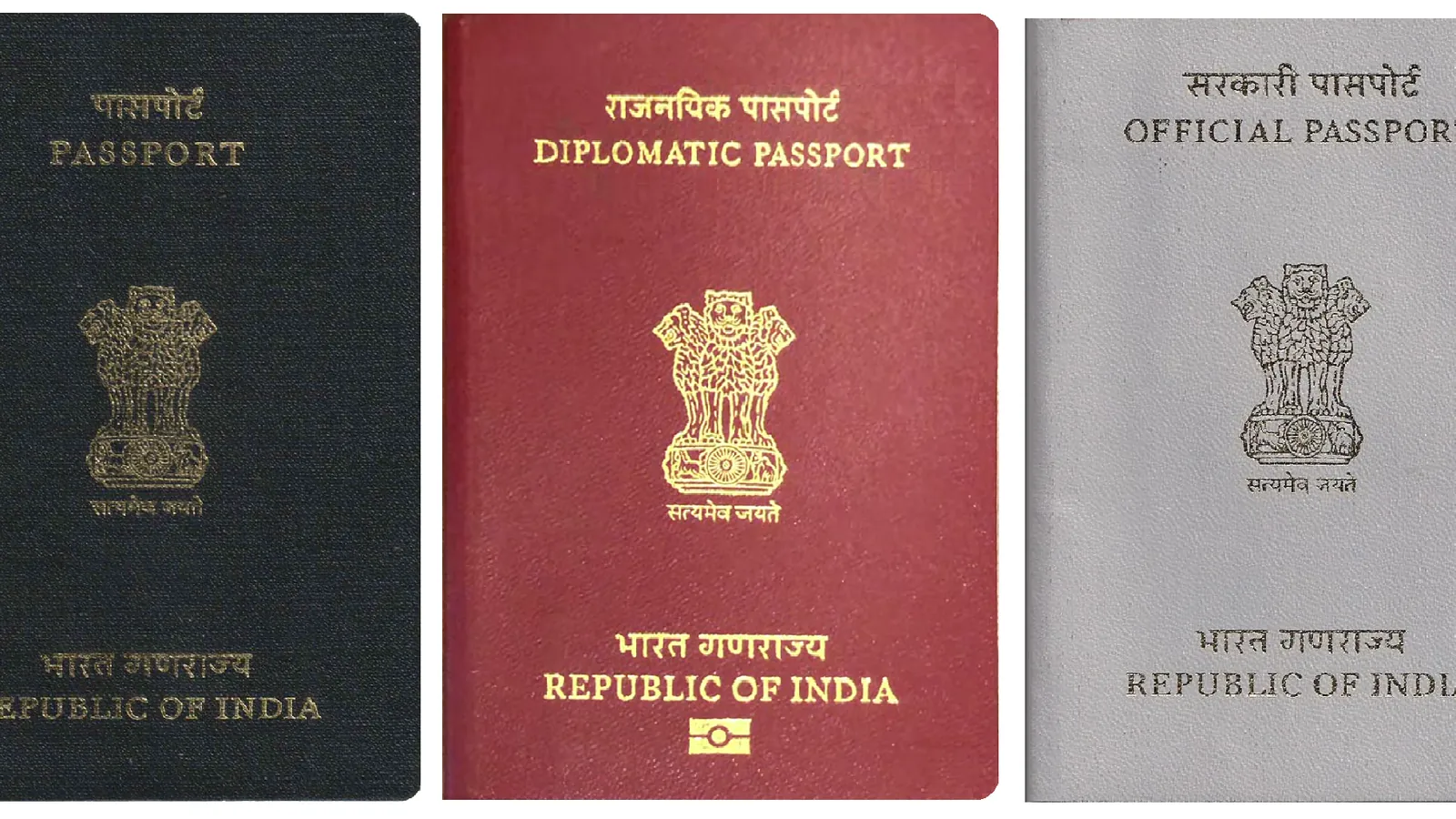
1. Check passport validity
Most countries require your passport to be valid for at least six months beyond your date of return, with at least two blank pages. If it expires sooner, renew it through Passport Seva, and apply early; tatkal service is available for urgent cases at extra cost.
2. Check visa requirements
Find out whether your destination needs a visa in advance, offers a visa on arrival or e-visa, or is visa-free for Indians, and check any conditions. Popular sticker visas such as Schengen, UK and US visas need appointments that can be booked out for weeks. Read our guide to visa free countries for Indians.
3. Book flights smartly
Compare prices across airlines, consider open-jaw tickets (flying into one city and out of another), and check baggage allowances, especially on low-cost carriers.

4. Plan your budget and TCS
When you pay for overseas tour packages or send money abroad under the Liberalised Remittance Scheme (LRS), Tax Collected at Source (TCS) may apply above certain thresholds. The TCS can be claimed as credit when you file your income tax return, but it affects your cash flow. Check the current thresholds and rates with your tour operator or bank before paying.
5. Check health requirements
Some countries require vaccinations, such as yellow fever for parts of Africa and South America. Consult a travel clinic, get any required certificates, and refill regular prescriptions.
One to two months before
6. Buy travel insurance
Travel insurance covers medical emergencies, lost baggage, trip cancellation and delays. It is mandatory for Schengen visas, which require at least €30,000 of medical cover, and strongly recommended everywhere. Seniors should look for policies that cover pre-existing conditions.
7. Book accommodation
Book hotels for your whole stay, keeping confirmations handy; immigration officers and visa officers often ask for them.
8. Book key attractions and trains
Popular attractions such as the Eiffel Tower, Burj Khalifa, the Alhambra and Universal Studios sell timed tickets that can sell out. Book high-speed trains and ferries in advance for better prices.
9. Arrange forex
- Forex cards: prepaid multi-currency cards usually offer better rates and lower fees than credit cards.
- Credit cards: useful as backup; check foreign transaction fees and enable international usage.
- Cash: carry some local currency or US dollars for taxis, tips and small shops. RBI rules limit how much foreign currency cash you can carry, so check current limits.
- Inform your bank about your travel dates to avoid cards being blocked.
10. Plan your mobile connectivity
Compare international roaming packs from your Indian carrier with a local SIM or an eSIM for your destination, which is often much cheaper. Check that your phone supports eSIM if you plan to use one.
Two weeks before
11. Complete online arrival forms
Many countries now require digital arrival cards or travel authorisations before you land, such as Singapore's SG Arrival Card, Thailand's Digital Arrival Card, Malaysia's MDAC and the Philippines' eTravel. Fill them in within the required window.
12. Make copies of documents
Scan your passport, visa, tickets, insurance and bookings, save them to cloud storage and email, and carry printed copies separately from the originals.
13. Download useful apps
Download offline maps, a translation app, ride-hailing apps for your destination, airline apps, currency converters and hotel apps.
14. Register with Indian authorities
For longer trips, consider registering with the Indian embassy or consulate in your destination, and note the MEA's Madad portal for consular help.
15. Plan airport transfers
Arrange a transfer from your destination's airport to your hotel, especially for late-night arrivals, or research public transport options.
International travel checklist for packing
In your cabin bag
- Passport, visa, printed tickets and hotel bookings.
- Travel insurance documents and emergency contacts.
- Forex card, credit card and some cash.
- Phone, charger, power bank (power banks are not allowed in checked luggage) and a universal adapter.
- Regular medicines with prescriptions, in original packaging.
- A change of clothes, in case checked luggage is delayed.
- Liquids in containers of 100 ml or less, in a clear bag, according to airport rules.
In your checked luggage
- Clothes suited to the weather at your destination, including layers.
- Comfortable walking shoes.
- Toiletries, sunscreen and a small first-aid kit.
- Snacks from home, checking destination customs rules; countries like Australia and New Zealand have strict biosecurity laws.
At the airport in India
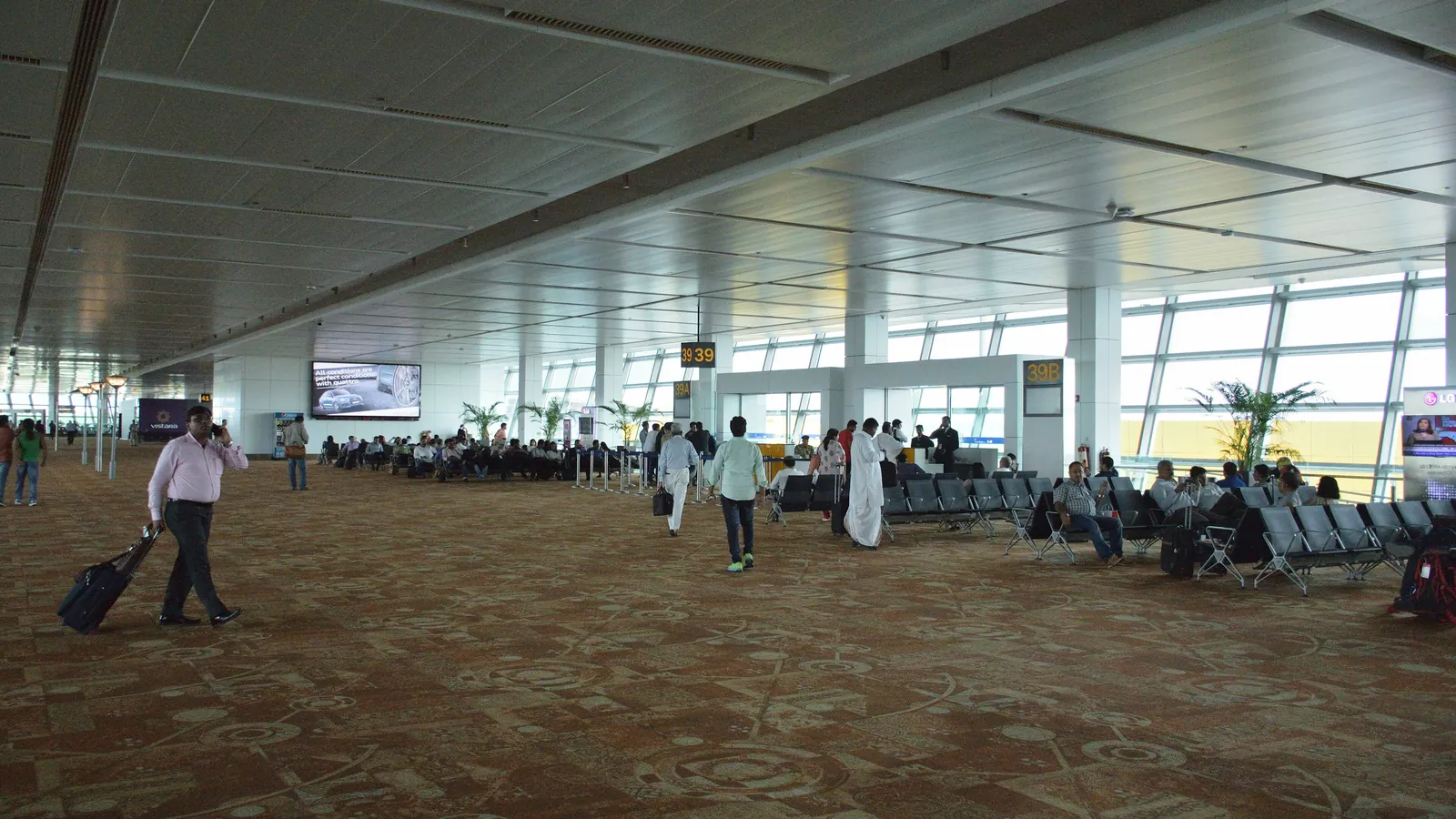
- Arrive three hours early for international flights.
- Use DigiYatra at participating airports for faster entry, if you have registered.
- Complete immigration: keep your passport, boarding pass and visa ready. Some airports have automated e-gates for eligible passengers.
- Declare high-value items such as expensive cameras or jewellery if needed, to avoid questions on your return.
- Duty-free shopping: check your destination's allowances before buying alcohol or tobacco.
On arrival abroad
- Keep your hotel address, return ticket and funds proof handy for immigration questions.
- Answer questions simply and honestly.
- Buy or activate your SIM or eSIM.
- Withdraw or exchange a small amount of local currency; avoid large exchanges at airport counters with poor rates.
- Use official taxis or ride apps.
Returning to India
- Customs allowances: India's baggage rules allow a duty-free allowance for returning residents, with separate rules for gold and electronics. Check current limits on the Central Board of Indirect Taxes and Customs website before shopping.
- Declare goods above the allowance at the red channel to avoid penalties.
- Keep receipts for expensive purchases.
- Claim TCS credit when filing your income tax return.
Travelling with children and elderly parents
- Every child needs their own passport and visa.
- Minors travelling with one parent may need a consent letter from the other parent for some countries.
- Request wheelchair assistance for elderly parents when booking flights.
- Carry extra medicines and a letter from the doctor for chronic conditions.
- Choose flights at comfortable times and allow rest days.
If you lose your passport abroad
- Report the loss or theft to the local police and get a copy of the police report.
- Contact the nearest Indian embassy or consulate, which can issue an Emergency Certificate for your return to India or a replacement passport.
- Carry photocopies or digital copies of your passport and visa to speed up the process.
- Inform your airline and travel insurer, as insurance may cover additional costs.
- Use the MEA's Madad portal for consular assistance if needed.
Travelling with medicines
Carry prescription medicines in their original packaging with a copy of the prescription, especially for controlled substances such as strong painkillers, sleeping pills or ADHD medication. Some countries restrict common medicines, including certain cold and allergy tablets, so check your destination's rules. Pack medicines in your cabin bag and carry a little more than you need in case of delays.
First-time international flyers: extra tips
- Arrive early and allow extra time for immigration and security.
- Keep your passport and boarding pass in an easy-to-reach pocket, not deep in your bag.
- Follow signs for "Departures" and "International" at Indian airports, and check the departure board for your gate.
- Drink water and move around on long flights to avoid stiffness.
- Set your watch to destination time on board to adjust to jet lag.
Your final 24-hour international travel checklist
- Passport, visa and printed bookings packed in your cabin bag.
- Online check-in completed and boarding pass downloaded.
- Forex card loaded and some cash in hand.
- Phone roaming or eSIM activated.
- Arrival forms completed.
- Airport transfer arranged, and home locked and secure.
Keeping this international travel checklist handy will make every trip abroad smoother, from your first holiday to your fiftieth.
Extra checklist for senior citizens
- Request wheelchair assistance at the time of booking; it is usually free.
- Carry a doctor's letter and prescriptions for all medicines.
- Buy travel insurance that covers pre-existing conditions and medical evacuation.
- Choose direct flights or long layovers to reduce stress.
- Carry a small snack bag and a water bottle for long waits.
- Keep a card with emergency contacts and blood group in the wallet.
Documents to carry
- Passport and visa (originals and copies).
- Flight tickets and hotel confirmations.
- Travel insurance policy and emergency numbers.
- Forex card, credit card and some cash.
- A second photo ID, such as a driving licence.
- Passport-size photographs for visa-on-arrival counters.
Save the local emergency number for your destination in your phone, along with the address and phone number of your hotel and the nearest Indian embassy or consulate. Share your itinerary with family before you leave.
Using digital documents
Keep scanned copies of your passport, visa, tickets, hotel bookings and insurance in cloud storage and in DigiLocker where accepted. Save offline copies on your phone in case you have no data, and email a set to yourself and a family member.
Common mistakes to avoid
Ignoring passport validity. Airlines can refuse boarding if your passport expires within six months.
Assuming visa rules have not changed. Always check official sources before booking.
Skipping travel insurance. Medical bills abroad can be enormous.
Carrying power banks in checked luggage. They must be in your cabin bag.
Forgetting digital arrival forms. They can hold you up at immigration.
Exchanging all your money at the airport. Rates are usually poor.
Plan your international trip with The Vacation Code
This international travel checklist covers the essentials, but you do not have to handle everything alone. Our team helps with visa documents, bookings, insurance and itineraries for every trip. Explore our Europe group tours, Vietnam Group Tour and Japan and Korea tour, read our guides to international trips under ₹1 lakh and choosing a Europe tour package, or browse all our international tours.
Frequently asked questions
How long should my passport be valid for international travel?
Most countries require your passport to be valid for at least six months beyond your return date, with at least two blank pages.
Is travel insurance mandatory for Indians travelling abroad?
It is mandatory for Schengen visas and some other countries, and strongly recommended for all international trips because medical care abroad can be very expensive.
What is TCS on international travel?
Tax Collected at Source may apply to overseas tour packages and remittances under the Liberalised Remittance Scheme above certain thresholds. It can be claimed as credit when filing your income tax return.
Is a forex card better than a credit card abroad?
Forex cards usually offer better exchange rates and lower fees than credit cards. Carry a credit card as backup and some cash for small expenses.
Can I carry a power bank in checked luggage?
No. Power banks and spare lithium batteries must be carried in your cabin bag, not in checked luggage.
How early should I reach the airport for an international flight?
Arrive about three hours before an international flight to allow time for check-in, security and immigration.
What is the duty-free allowance when returning to India?
India's baggage rules allow a duty-free allowance for returning residents, with separate rules for gold and electronics. Check current limits on the official customs website before shopping.