📌 In this guide19 sections
- Best time for a Jaisalmer trip
- How to reach Jaisalmer
- A 3-day Jaisalmer itinerary
- A short history of the Golden City
- The music of the desert
- Jaisalmer with children
- The Battle of Longewala
- Choosing a desert camp
- Rajasthani food in Jaisalmer
- Shopping in Jaisalmer
- Where to stay
- Getting around
- How much does a Jaisalmer trip cost?
- Combining Jaisalmer with Rajasthan
- What to pack
- Responsible travel
- Mistakes to avoid
- Plan your Jaisalmer trip with The Vacation Code
- Frequently asked questions
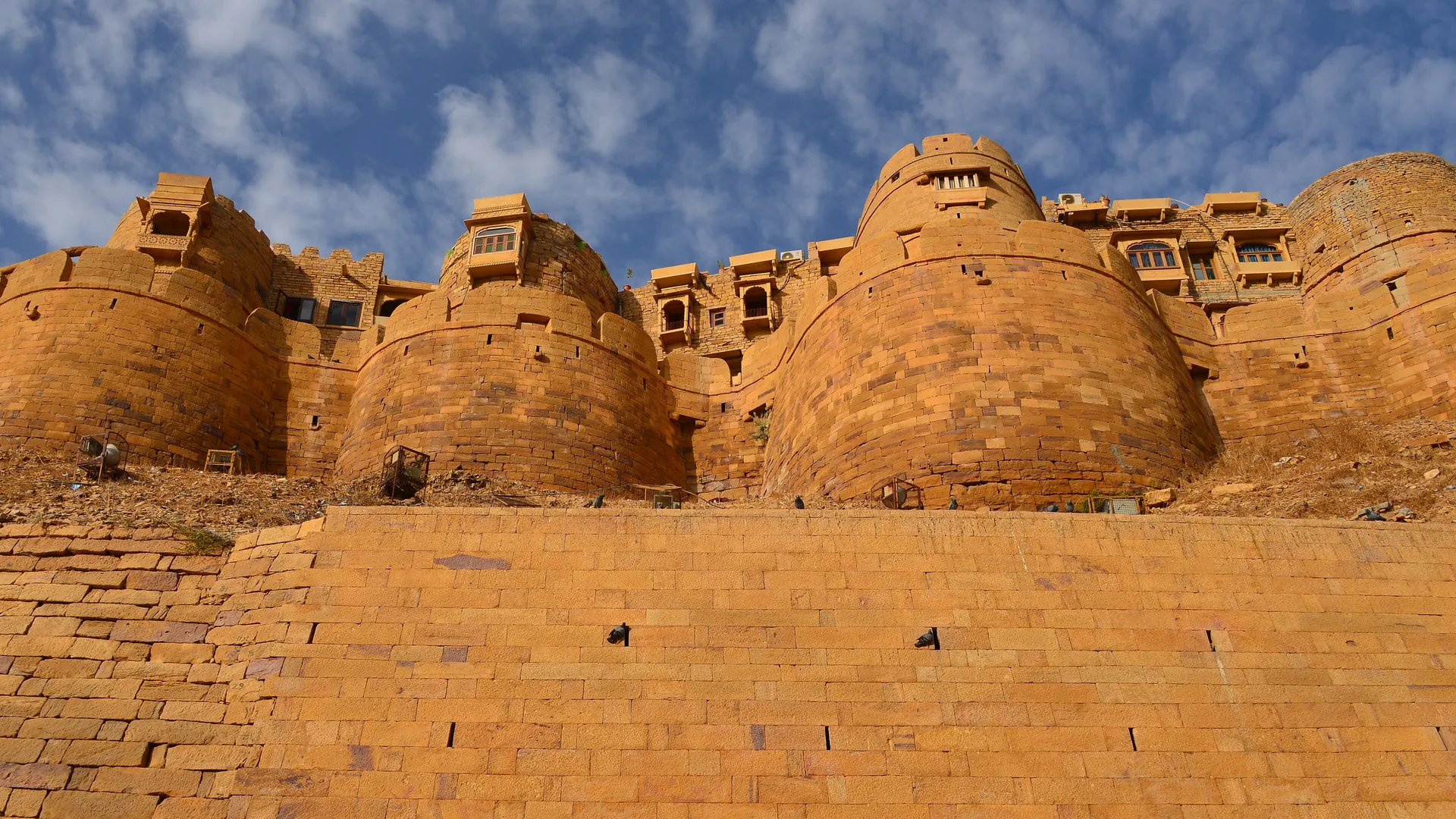
A Jaisalmer trip is best measured in shades of gold. As the sun rises over the Thar Desert, the massive walls of Jaisalmer Fort begin to glow, first pale yellow, then honey, then deep amber, until the whole hill looks as if it has been carved from a single block of gold. By evening you are riding a camel across the Sam sand dunes as the sun sinks into the horizon, and after dark you sit around a fire at a desert camp while Manganiyar musicians sing ballads that are centuries old, beneath more stars than you have ever seen.
Jaisalmer, the "Golden City", lies deep in western Rajasthan, about 100 kilometres from the Pakistan border. Founded in 1156 by the Bhati Rajput ruler Rawal Jaisal, it grew rich from the camel caravans of the Silk Road trade routes that crossed the desert, and its merchants poured their wealth into exquisitely carved sandstone havelis. Today it is one of India's most atmospheric destinations, combining a living medieval fort, desert adventures, folk culture and some of the best winter weather in the country.
This Jaisalmer trip guide covers the best time to visit, how to get there, a 3-day itinerary, desert safaris and camps, the Desert Festival, food, shopping, costs and practical tips.
Best time for a Jaisalmer trip
- October to March: the best season, with warm days and cool to cold nights. December and January nights in the desert can drop close to freezing.
- Desert Festival (usually February): a three-day festival with camel races, turban-tying contests, the Mr Desert competition, folk music and dance on the Sam dunes.
- April to June: extremely hot, often above 45°C.
- July to September: hot and humid with occasional rain; fewer tourists.
How to reach Jaisalmer
- By air: Jaisalmer airport has limited seasonal flights. Jodhpur, about 285 kilometres away (roughly five hours by road), has more connections.
- By train: Jaisalmer is connected by overnight trains from Delhi, Jaipur and Jodhpur.
- By road: good highways connect Jaisalmer with Jodhpur and Bikaner.
A 3-day Jaisalmer itinerary
Day 1: Jaisalmer Fort and the havelis
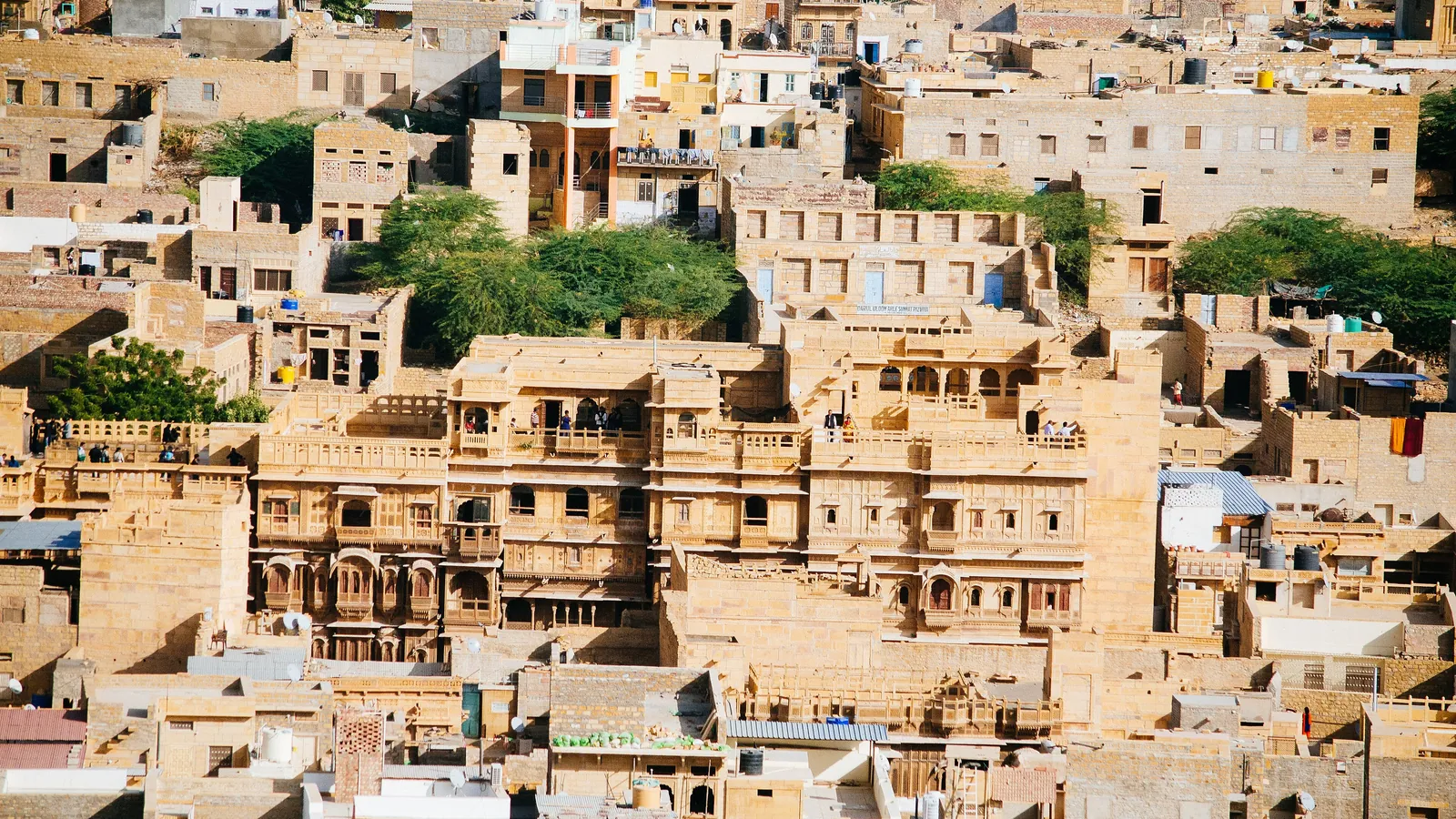
Start at Jaisalmer Fort, also called Sonar Qila, the golden fort. Unlike most forts in India, it is a living fort: thousands of people still live within its walls, in homes, shops, temples and guesthouses along narrow lanes. Visit the Raj Mahal palace museum, the beautifully carved Jain temples from the 12th to 15th centuries, and the Laxminath Temple, and walk the ramparts for views over the city and desert. Jaisalmer Fort is part of the UNESCO World Heritage Site of the Hill Forts of Rajasthan.
In the afternoon, explore the city's famous havelis. Patwon ki Haveli is a cluster of five mansions built by a wealthy merchant for his sons in the 19th century, with intricate stone lattice windows and balconies. Salim Singh ki Haveli has a distinctive peacock-shaped roof, and Nathmal ki Haveli was carved by two brothers who each worked on one half.
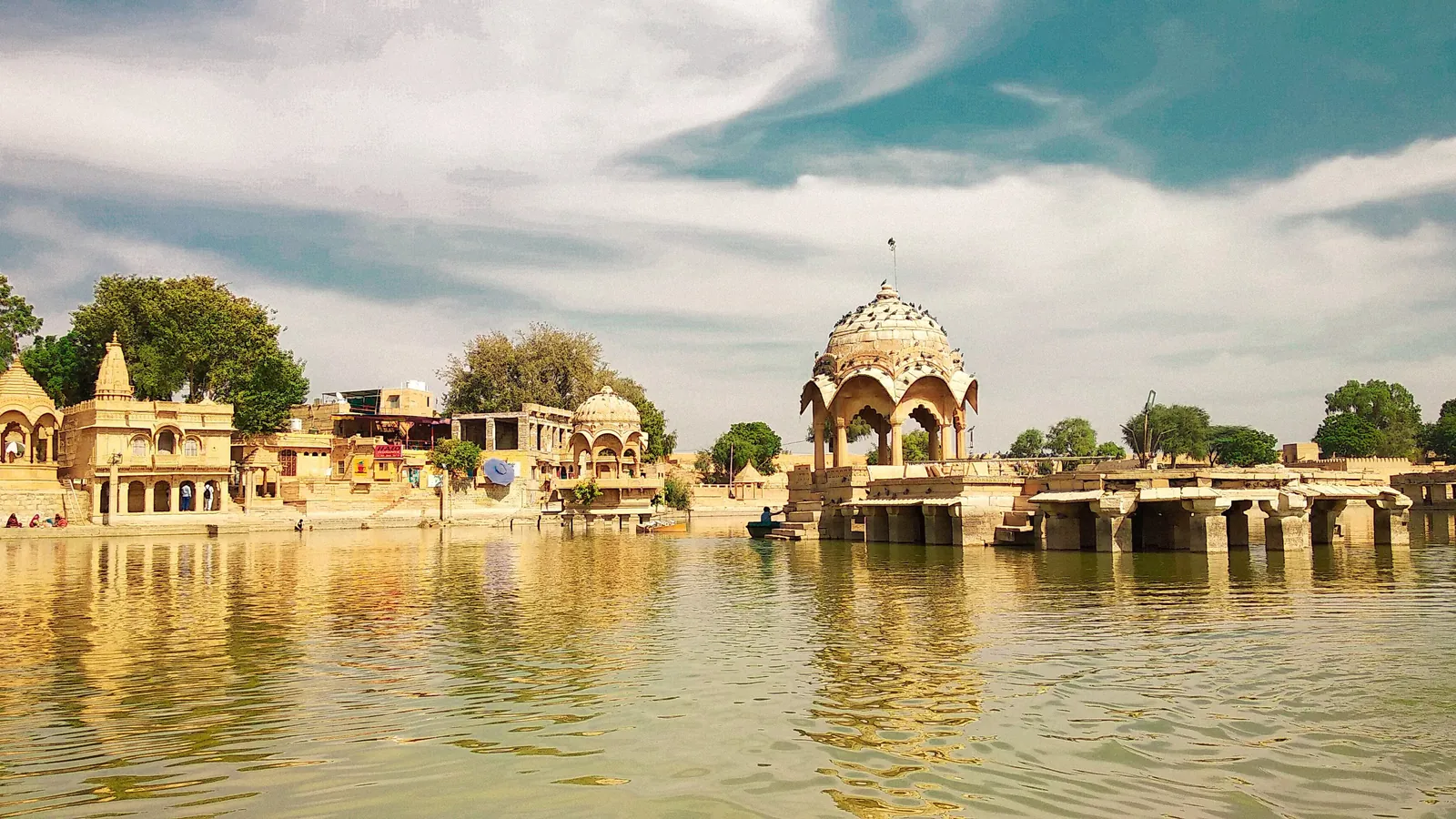
At sunset, walk to Gadisar Lake, an artificial reservoir built in the 14th century, lined with temples, ghats and chhatris, and take a boat ride as the fort glows in the distance.
Day 2: Bada Bagh, Kuldhara and the Sam dunes
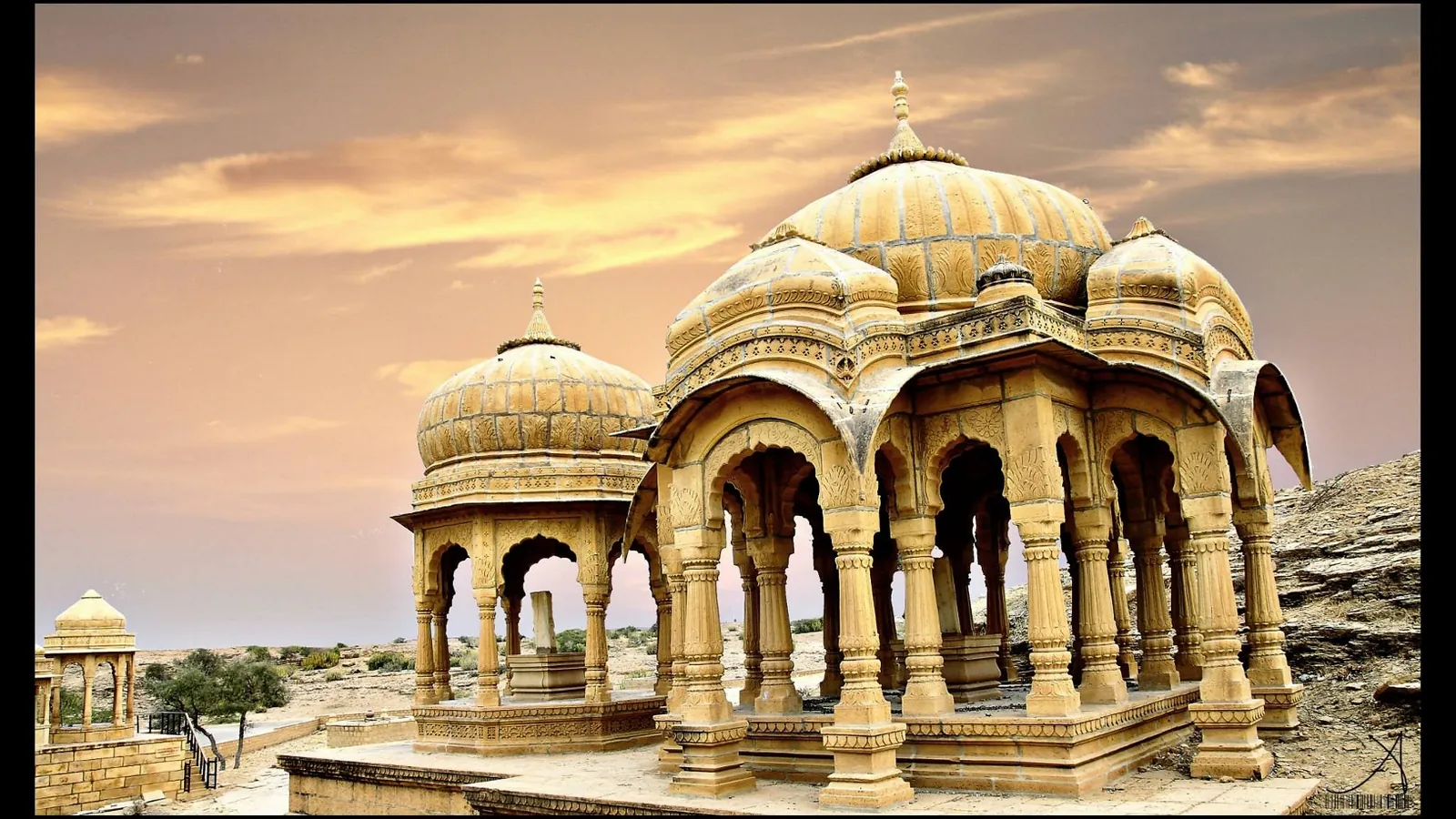
In the morning, visit Bada Bagh, a garden complex of royal cenotaphs with domed chhatris on a hill, beautiful in the soft early light. Continue to Kuldhara, the abandoned village of the Paliwal Brahmins, famous for its legend of a curse, and nearby Khaba Fort, another deserted village with a small museum.
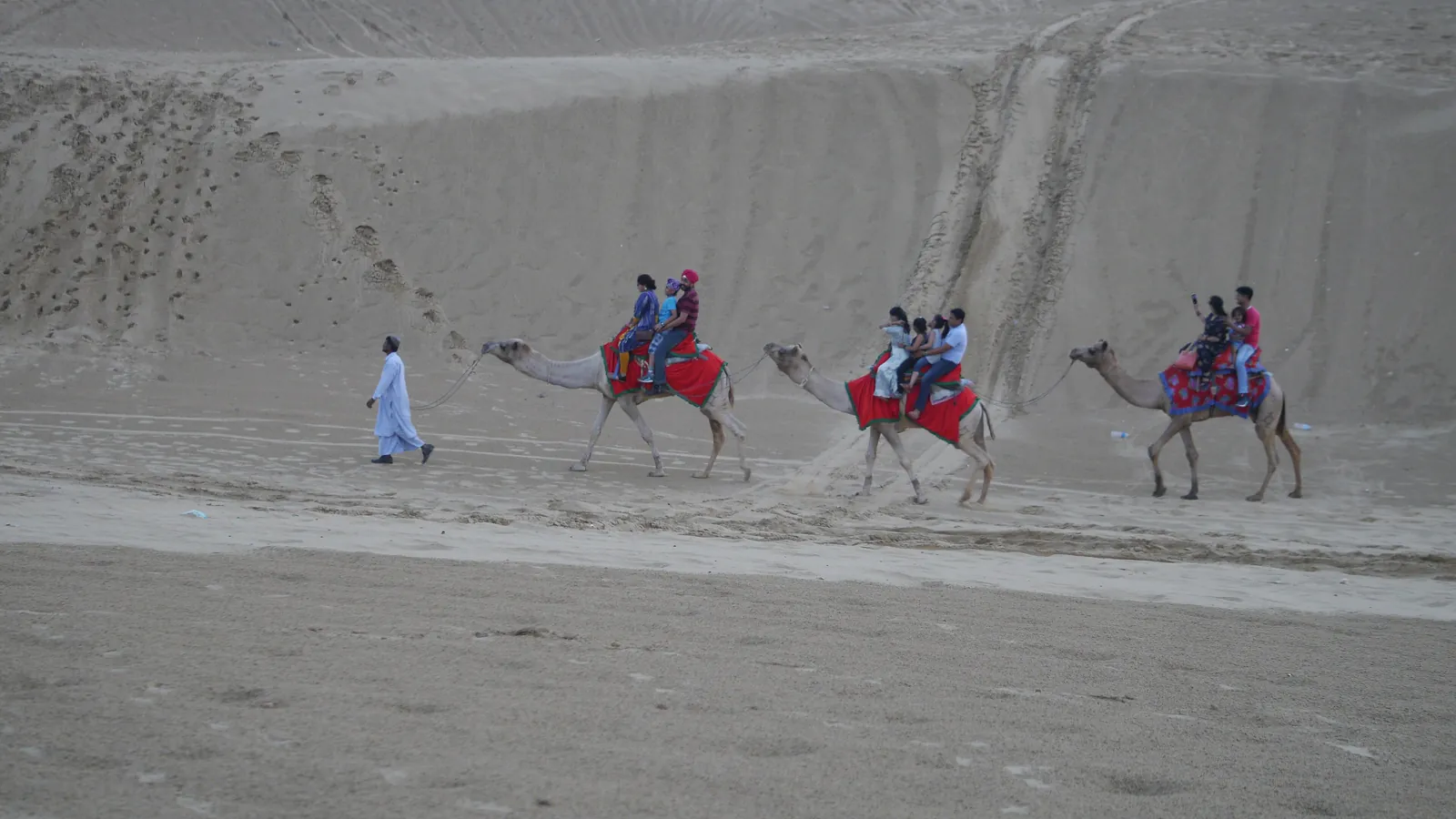
In the afternoon, head to the Sam sand dunes, about 40 kilometres from the city, for a desert safari. Ride a camel across the dunes, try a thrilling jeep dune-bashing ride, and watch the sunset over the rolling sand. Spend the night at a desert camp with Rajasthani folk music, Kalbeliya dancing, a bonfire and a traditional dinner, and then step out to gaze at the stars.
Day 3: Tanot, Longewala or Khuri
Take a day trip to Tanot Mata Temple, near the India-Pakistan border, famous for the legend of shells that failed to explode during the 1965 war, and the Longewala war memorial and museum from the 1971 war. Alternatively, visit the quieter Khuri dunes, a traditional village with mud huts and a more peaceful desert camp, or the Desert National Park, home to the critically endangered great Indian bustard.
A short history of the Golden City
Rawal Jaisal, a Bhati Rajput ruler, founded Jaisalmer in 1156 on the Trikuta hill, and the fort became a stronghold on the caravan routes linking India with Persia, Arabia and Central Asia. Merchants grew rich from the trade in spices, silk and opium, and built the city's extraordinary havelis. When sea trade and the partition of 1947 cut the old routes, Jaisalmer became isolated, which helped preserve its medieval character. Its fame spread again after Satyajit Ray's 1974 film Sonar Kella (The Golden Fortress), which is still beloved by Bengali travellers, many of whom visit Jaisalmer because of it.
The music of the desert
The Manganiyar and Langa communities of western Rajasthan are hereditary musicians whose songs of love, valour and devotion have been passed down for generations. Their instruments include the kamaicha, a bowed string instrument, the sarangi, the dholak and the khartal, wooden clappers played with astonishing speed. Hearing them perform under the stars at a desert camp is one of the most memorable experiences of a Jaisalmer trip.
Jaisalmer with children
Children love camel rides, jeep safaris on the dunes, puppet shows and the stories of forts and ghosts. Choose a camp with good facilities, carry warm clothes for the cold nights, and keep midday outings short. A visit to Kuldhara, with its legend of a curse, is always a favourite with older children.
The Battle of Longewala
On the night of 4 to 5 December 1971, a small Indian Army post at Longewala, with around 120 soldiers, held off a much larger Pakistani armoured force until the Indian Air Force arrived at dawn and destroyed dozens of tanks. The battle became one of the most celebrated episodes of the 1971 war and inspired the film Border. Today, a memorial and museum at Longewala display captured tanks and tell the story, making it a moving stop on a day trip from Jaisalmer.
The drive to Longewala and Tanot passes through the open desert, with camels, chinkara and desert villages along the way, so start early and carry water and snacks.
Photography of military installations near the border is prohibited, so follow instructions from security personnel.
Choosing a desert camp
- Luxury camps: Swiss tents with private bathrooms, proper beds and heating, cultural programmes and buffet dinners.
- Standard camps: comfortable tents with shared or attached bathrooms.
- Non-touristy options: for a quieter experience, choose camps in Khuri or deeper in the desert, or an overnight camel safari sleeping under the stars on the open dunes.
- Tip: Sam dunes can be crowded and commercial in peak season; read reviews carefully and ask about the distance from the main dunes.
Rajasthani food in Jaisalmer
Jaisalmer's food is hearty and flavourful, designed for desert life. Try dal baati churma, baked wheat balls with lentils and a sweet crumble; ker sangri, a unique desert dish of dried berries and beans; gatte ki sabzi, gram flour dumplings in yoghurt curry; bajre ki roti with garlic chutney; and makhaniya lassi. For sweets, try the local ghotua laddoo and panchdhari laddoo. Many rooftop restaurants offer fort views with dinner.
Shopping in Jaisalmer
- Mirror-work textiles, embroidered bags and bedspreads.
- Leather goods, camel leather mojris and bags.
- Stone carvings and yellow sandstone souvenirs.
- Silver jewellery and puppets.
- Sadar Bazaar, Manak Chowk and the lanes inside the fort are the main shopping areas; bargain politely.
Where to stay
- Inside the fort: guesthouses in the old lanes offer atmosphere, though conservationists encourage staying outside to reduce strain on the ancient fort's water and drainage.
- Heritage hotels: restored havelis and palaces in the city.
- Desert camps: at Sam or Khuri for one night.
- Luxury resorts: built in golden sandstone just outside the city.
Getting around
- On foot: the fort and havelis are best explored on foot.
- Auto-rickshaws: for short trips around the city.
- Taxis: for Sam, Kuldhara, Tanot and Longewala.
How much does a Jaisalmer trip cost?
- Train or flight: ₹1,500 to ₹10,000 each way depending on city and class.
- Hotels: ₹2,000 to ₹6,000 per night mid-range; heritage hotels ₹8,000 and up.
- Desert camp with safari and dinner: ₹2,500 to ₹8,000 per person, more for luxury camps.
- Taxi for day trips: ₹3,000 to ₹5,000 per day.
- Food: ₹600 to ₹1,500 per person per day.
A 3-day Jaisalmer trip typically costs ₹15,000 to ₹35,000 per person, including travel, hotel, a desert camp night, sightseeing and food.
Combining Jaisalmer with Rajasthan
Jaisalmer fits beautifully into a longer Rajasthan circuit: Jaipur for palaces and forts, Jodhpur for the blue city and Mehrangarh Fort, Jaisalmer for the desert, and Udaipur for lakes and romance. A 9 to 10-day journey covers all four. Read our Udaipur romantic weekend guide and Neemrana and Jaipur weekend guide.
What to pack
- Light cotton clothes for the day and warm layers for desert nights, especially in winter.
- A scarf or cap to protect against sun and sand.
- Sunglasses, sunscreen and lip balm.
- Comfortable walking shoes for the fort's uneven lanes.
- A torch for the desert camp.
Responsible travel
- Choose camel operators who treat their animals well and do not overload them.
- Avoid littering on the dunes; plastic takes years to disappear from the desert.
- Respect local customs and ask before photographing people.
- Support local artisans and musicians.
Mistakes to avoid
Visiting in summer. The heat is extreme from April to June.
Choosing the cheapest camp without reviews. Quality varies widely.
Rushing the fort. Give it at least half a day.
Forgetting warm clothes. Desert nights in winter are cold.
Plan your Jaisalmer trip with The Vacation Code
A Jaisalmer trip is a journey into golden forts, desert dunes and timeless folk culture. Our team can arrange hotels, desert camps and a full Rajasthan circuit. Explore our Jaipur Royal Haveli weekend, Neemrana Fort Palace weekend and Udaipur lake view weekend, read about the mysterious places in India including Kuldhara and Tanot, or browse all our tours.
Frequently asked questions
What is the best time for a Jaisalmer trip?
October to March is the best time, with warm days and cool nights. The Desert Festival is usually held in February. Summers are extremely hot.
How many days are enough for Jaisalmer?
Two to three days is enough to see Jaisalmer Fort, the havelis, Gadisar Lake, Bada Bagh, Kuldhara and enjoy a desert safari and camp at Sam or Khuri.
Is Jaisalmer Fort a living fort?
Yes. Jaisalmer Fort is one of the few living forts in the world, with thousands of residents living within its walls in homes, shops, temples and guesthouses.
Which is better, Sam or Khuri sand dunes?
Sam is larger and livelier, with more camps and activities, while Khuri is quieter and more traditional. Choose Khuri for a peaceful experience.
How much does a Jaisalmer desert camp cost?
A desert camp with a safari and dinner typically costs 2,500 to 8,000 rupees per person, more for luxury camps.
How do I reach Jaisalmer?
Take an overnight train from Delhi, Jaipur or Jodhpur, fly to Jaisalmer's airport when flights operate, or fly to Jodhpur and drive about five hours.
What is Jaisalmer famous for?
Jaisalmer is famous for its golden sandstone fort, carved havelis, the Sam sand dunes, desert camps, folk music and the Desert Festival.