📌 In this guide16 sections
- Why Kerala should be on your list
- Best time for a Kerala trip
- How to reach Kerala
- A 7-day Kerala trip itinerary
- More places to add
- Festivals of Kerala
- Ayurveda in Kerala
- Kerala food
- Where to stay
- Getting around Kerala
- How much does a Kerala trip cost?
- Who this Kerala trip itinerary suits
- What to pack
- Mistakes to avoid
- Plan your Kerala trip with The Vacation Code
- Frequently asked questions
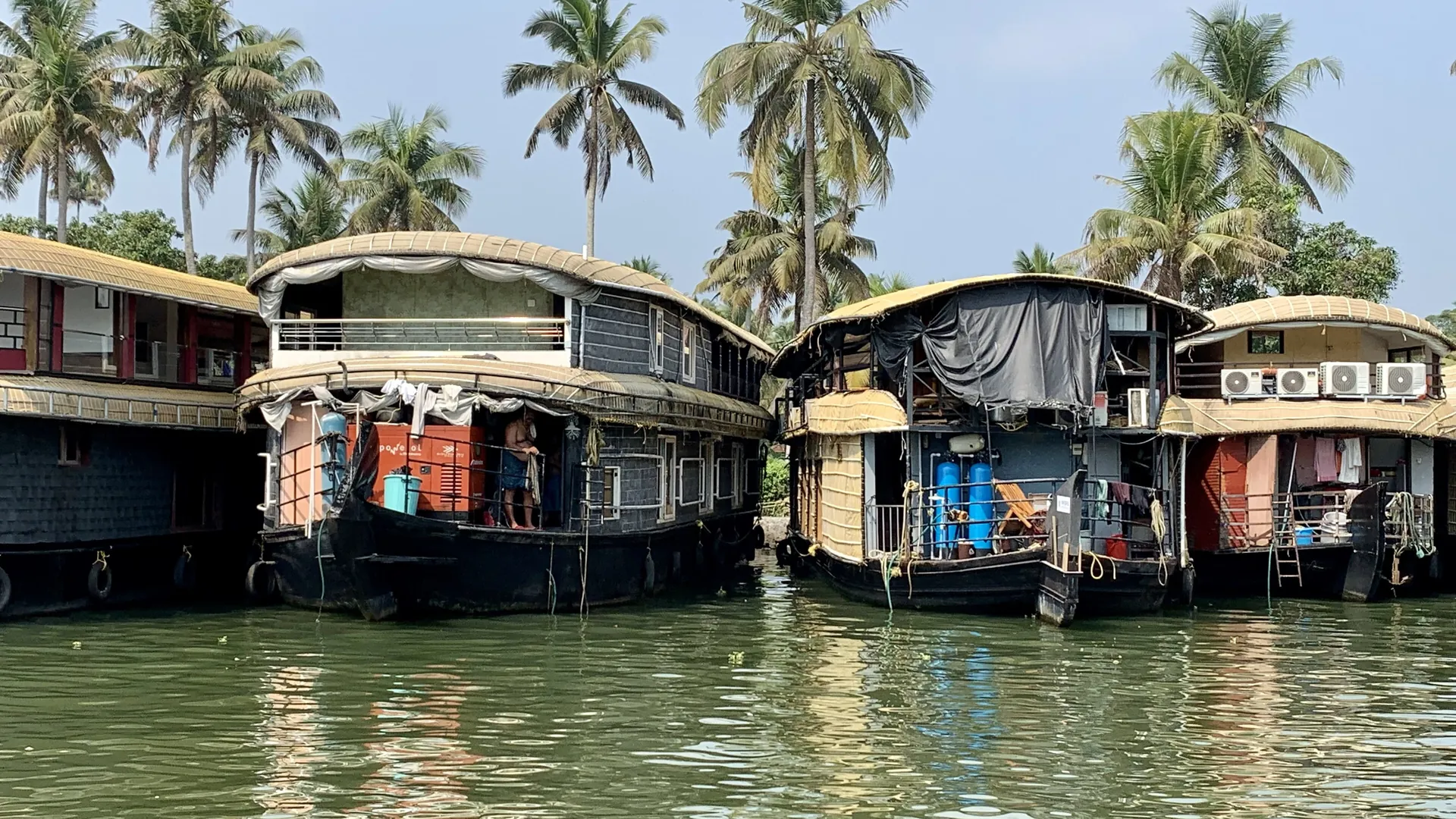
The best Kerala trip itinerary saves its most magical night for the water. Your houseboat, a long wooden kettuvallam with a curved thatched roof, glides slowly through the backwaters of Alleppey as the afternoon light turns gold. Coconut palms lean over the canal, women wash clothes on the steps of village homes, a kingfisher flashes blue, and ducks paddle out of the way. As night falls, the boat moors beside a paddy field, the crew serves fish curry and appam on the deck, and the only sounds are frogs, crickets and the soft lap of water. It is the kind of calm that city life makes us forget exists.
Kerala, on India's southwest coast, calls itself God's Own Country, and few places deserve the name more. In a single week you can wander through Portuguese, Dutch and Jewish history in Kochi, wake up above the clouds in Munnar's tea gardens, walk through spice plantations and tiger forests in Thekkady, drift through the backwaters of Alleppey and watch the sun sink into the Arabian Sea from the red cliffs of Varkala. It is one of India's most popular honeymoon destinations, a favourite for families, and the home of Ayurveda.
This guide gives you a complete 7-day Kerala trip itinerary, with the best time to visit, how to get around, where to stay, what to eat, what it costs and the tips that make the journey smooth.
Why Kerala should be on your list
- Incredible variety: beaches, backwaters, hill stations, wildlife sanctuaries and heritage towns, all within a few hours of each other.
- Green all year: two monsoons keep the state lush, with more than 40 rivers and a long network of lagoons and canals.
- Culture: Kathakali dance-drama, Kalaripayattu martial arts, temple festivals, boat races and a thriving arts scene.
- Wellness: authentic Ayurvedic treatments and yoga retreats.
- Food: coconut-rich curries, fluffy appams, crisp dosas and the grand vegetarian sadya feast served on a banana leaf.
Best time for a Kerala trip
- September to March: the best season, with pleasant weather, clear skies and calm seas. December and January are peak season with festive crowds and higher prices.
- April and May: hot and humid on the coast, but Munnar and the hills stay pleasant.
- June to August (monsoon): heavy rain, lush landscapes and the lowest prices. Considered the best season for Ayurvedic treatments. The Nehru Trophy snake boat race on Punnamada Lake is usually held in August.
- Onam (August or September): Kerala's harvest festival, with flower carpets, feasts and boat races.
How to reach Kerala
Kerala has international airports at Kochi, Thiruvananthapuram, Kozhikode and Kannur, with flights from all major Indian cities. Kochi is the best starting point for this itinerary. Kerala is also well connected by train, including the scenic Konkan Railway route from Mumbai and Goa.
A 7-day Kerala trip itinerary
Day 1: Kochi
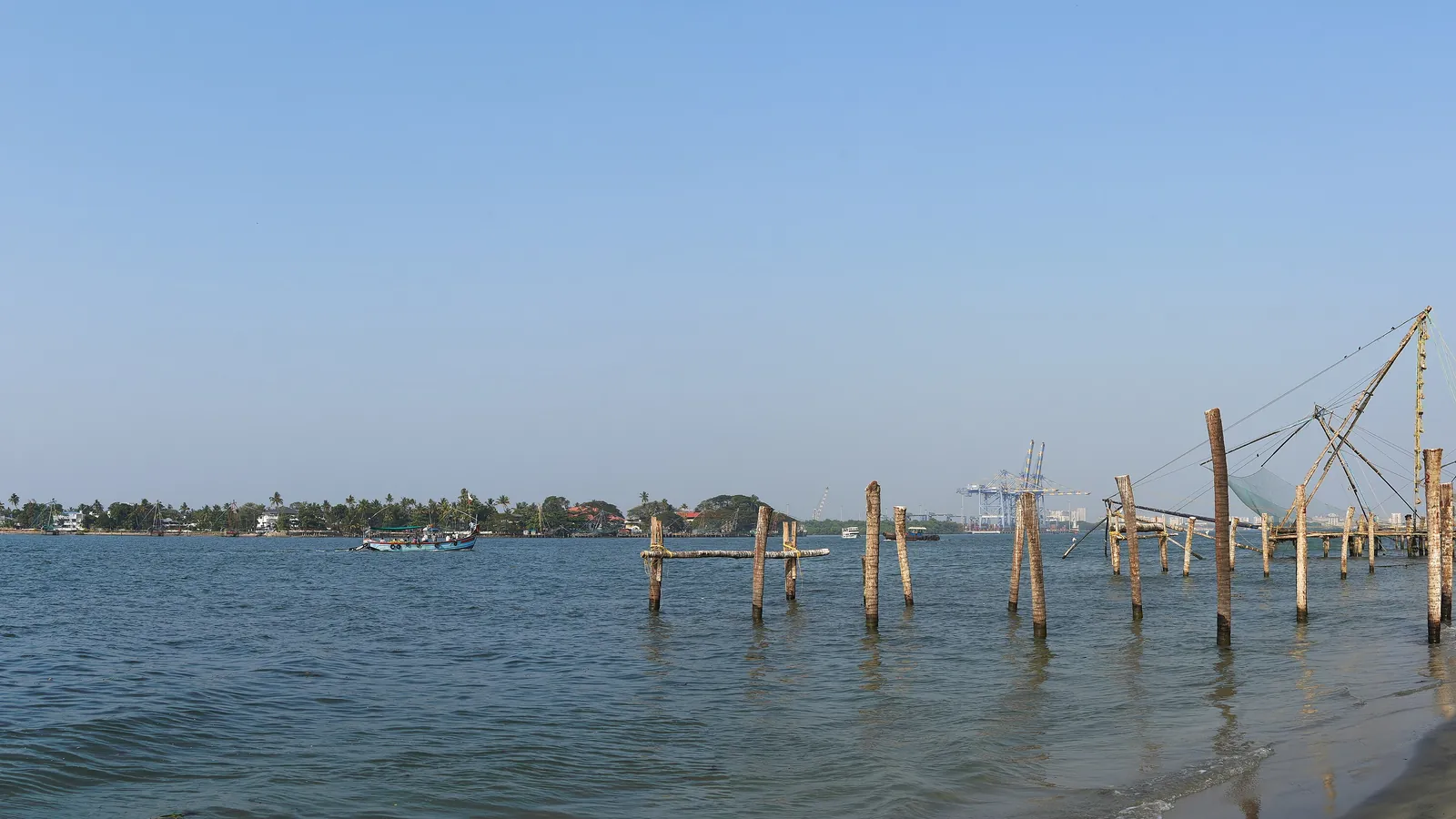
Arrive in Kochi and head to Fort Kochi, a charming seaside quarter shaped by centuries of trade with the Chinese, Arabs, Portuguese, Dutch and British. Watch fishermen lower the giant Chinese fishing nets at sunset, a sight unique to Kochi. Visit St. Francis Church, where Vasco da Gama was originally buried, the Santa Cruz Basilica, and the art cafes and galleries along the lanes.
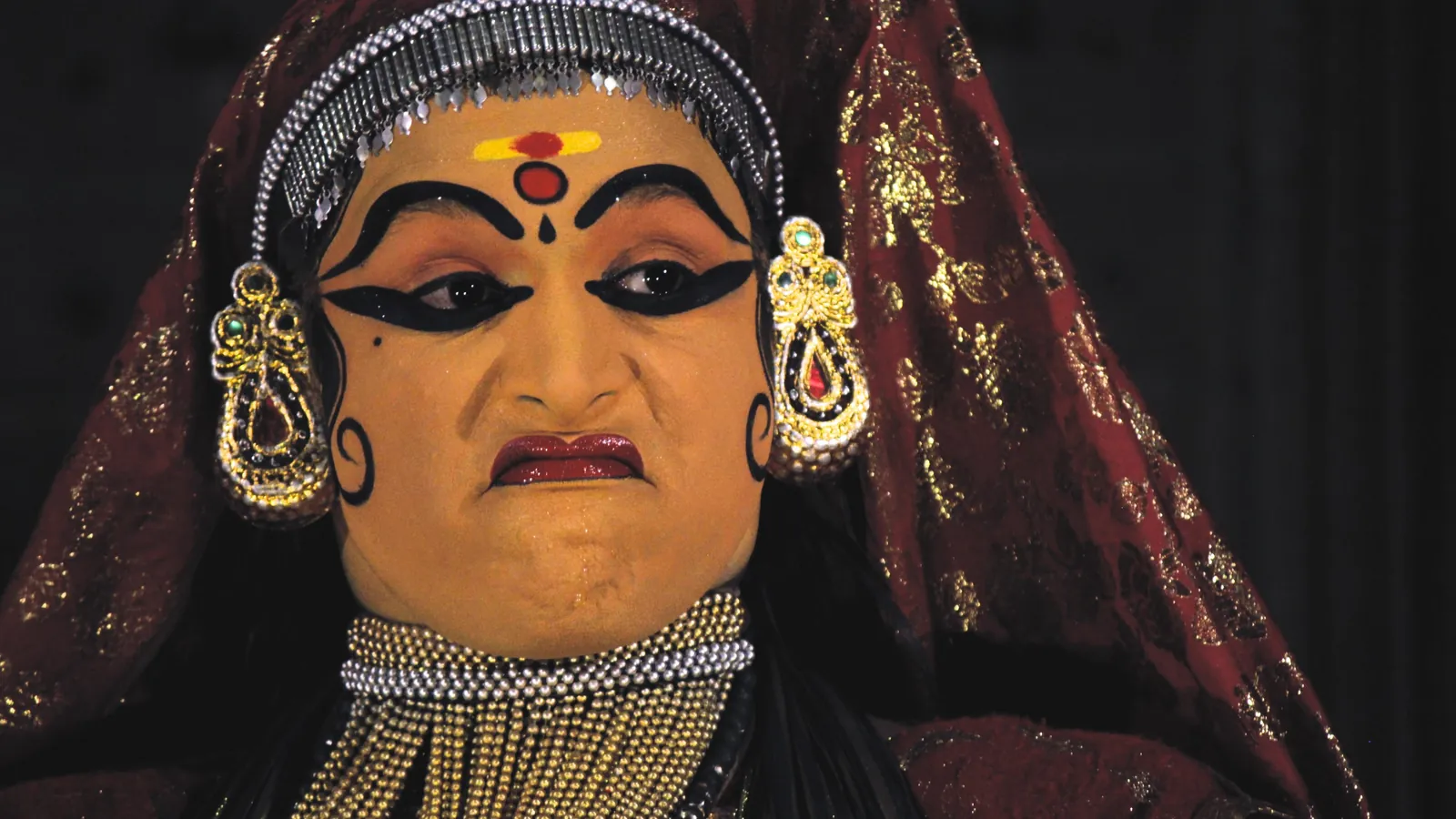
In the evening, watch a Kathakali performance, where you can see the artists apply their elaborate make-up before the show.
In Mattancherry, visit the Dutch Palace, with its beautiful murals from the Ramayana, and walk through Jew Town to the Paradesi Synagogue, built in 1568, with its hand-painted Chinese floor tiles. The narrow lanes are full of antique shops and spice warehouses.
Day 2: Kochi to Munnar
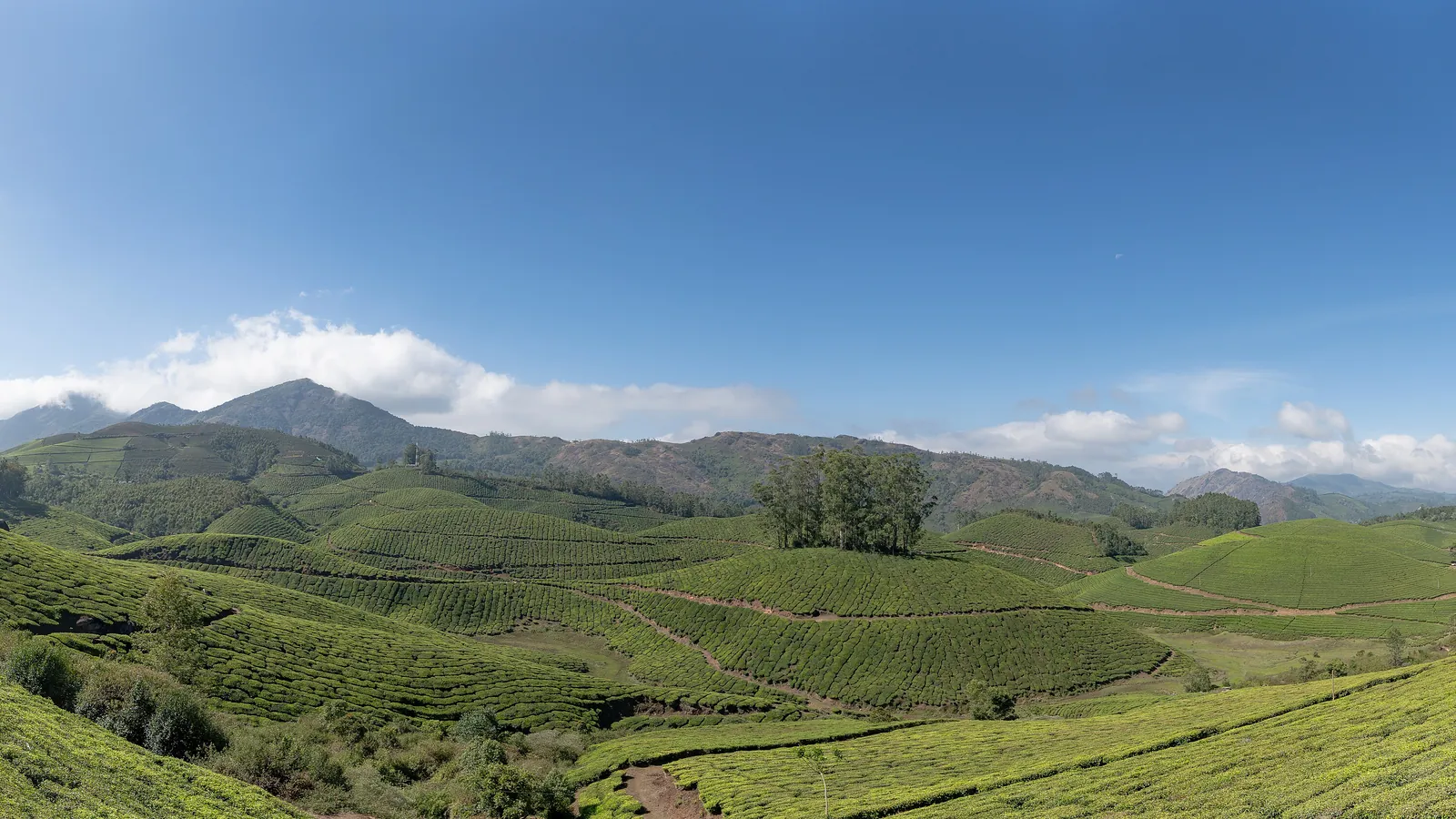
Drive about four hours into the Western Ghats to Munnar, at around 1,600 metres, where rolling hills are covered in a patchwork of tea bushes. On the way, stop at the Cheeyappara and Valara waterfalls and spice gardens. In the evening, enjoy the cool air and a cup of fresh tea with a view.
Day 3: Munnar
Visit a tea estate and museum to learn how tea is plucked and processed. Explore Eravikulam National Park, home to the endangered Nilgiri tahr, a mountain goat, with views of Anamudi, the highest peak in South India. Visit Mattupetty Dam, Echo Point and Top Station for views across the valleys into Tamil Nadu. Munnar is also famous for the Neelakurinji, a shrub that carpets the hills in blue once every twelve years; the last mass bloom was in 2018.
Day 4: Thekkady
Drive about three hours through spice-growing hills to Thekkady, home of the Periyar Tiger Reserve. Take a boat ride on Periyar Lake to watch elephants, gaur, deer and birds on the shores, or join a guided nature walk or bamboo rafting trip. Tour a spice plantation to see cardamom, pepper, cinnamon, cloves and vanilla growing, and watch a Kalaripayattu martial arts show in the evening.
Day 5: Alleppey houseboat
Drive about four hours down to Alleppey (Alappuzha) and board your houseboat around noon. Cruise the backwaters and Vembanad Lake through the afternoon, passing villages, churches, temples and paddy fields below sea level at Kuttanad. The crew cooks fresh Kerala meals on board. Moor for the night in a quiet canal.
Day 6: Varkala
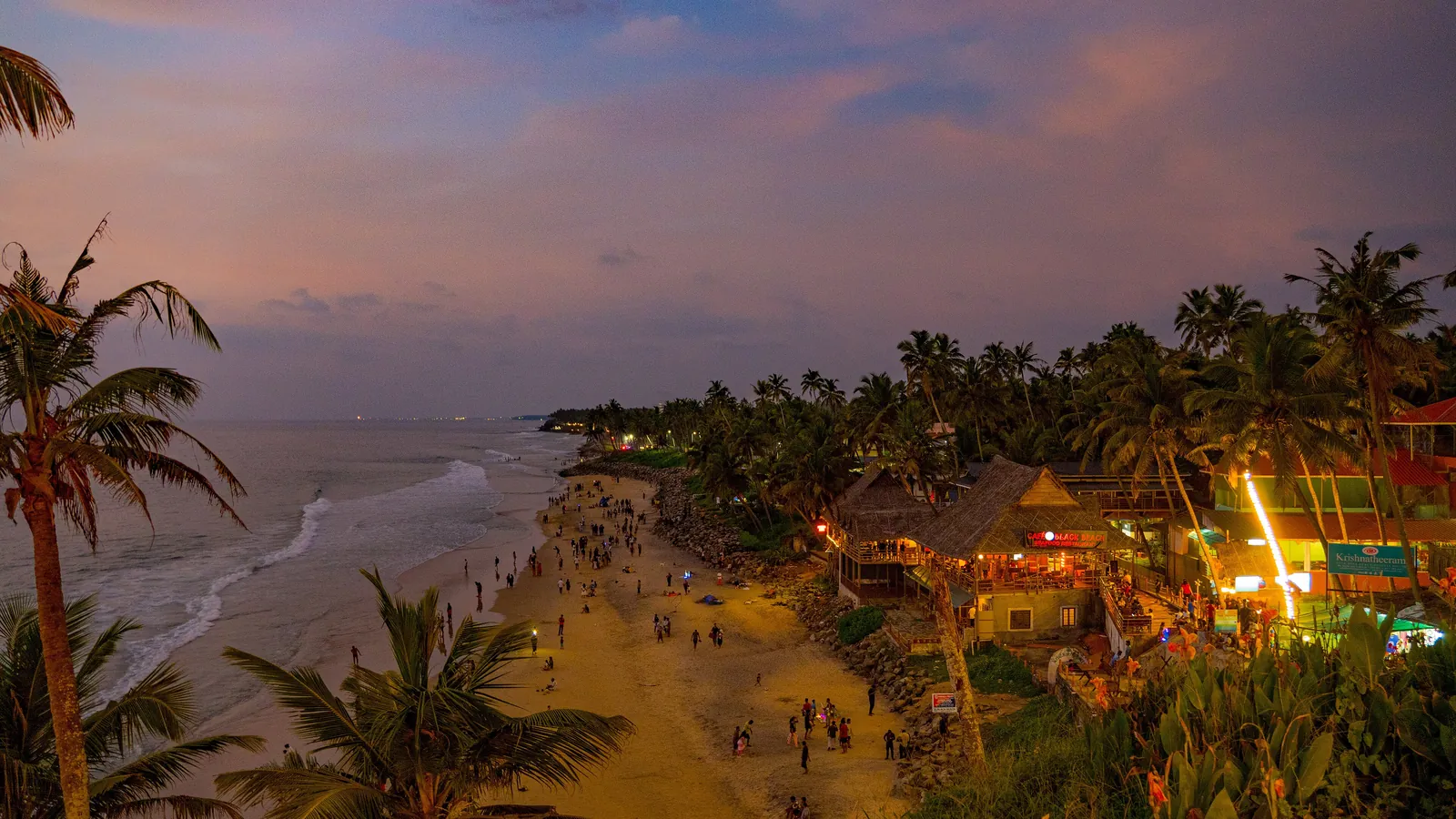
After breakfast on the houseboat, drive about three hours south to Varkala, where red laterite cliffs rise above a long beach. Stroll along the cliff-top path lined with cafes and shops, swim at Papanasam beach, visit the 2,000-year-old Janardhana Swamy Temple, and watch a spectacular sunset over the Arabian Sea.
Day 7: Thiruvananthapuram and departure
Drive about an hour to Thiruvananthapuram. Visit the Sree Padmanabhaswamy Temple (Hindus only, with a strict dress code), the Napier Museum and the Kuthiramalika Palace, then fly home. Alternatively, spend your last day at Kovalam beach.
More places to add
- Kumarakom: a quieter backwater village on Vembanad Lake, with luxury resorts and a bird sanctuary.
- Wayanad: misty hills, waterfalls, caves with ancient carvings at Edakkal and wildlife in the north.
- Vagamon: pine forests and meadows, a quieter alternative to Munnar.
- Athirappilly: Kerala's largest waterfall, often called the Niagara of India.
- Kannur: Theyyam ritual performances from December to April and quiet beaches.
Festivals of Kerala
- Onam (August or September): Kerala's harvest festival, with flower carpets called pookalam, the grand vegetarian sadya feast, snake boat races and Pulikali tiger dancers in Thrissur.
- Thrissur Pooram (April or May): one of India's most spectacular temple festivals, with caparisoned elephants, parasol displays, percussion ensembles and fireworks.
- Vishu (April): the Malayalam New Year, when families arrange an auspicious display called the vishukkani.
- Nehru Trophy Boat Race (August): long snake boats with more than 100 rowers race on Punnamada Lake near Alleppey.
- Theyyam (December to April): in northern Kerala, dancers in astonishing costumes and make-up are believed to become gods during night-long ritual performances.
Festival dates follow the Malayalam calendar, so check the exact dates for the year you travel and book early, as hotels fill up quickly.
Ayurveda in Kerala
Kerala is the heartland of Ayurveda, India's traditional system of medicine. Many resorts offer short massages, while dedicated Ayurveda centres offer multi-week treatment programmes, such as panchakarma, after consultation with a qualified doctor. The monsoon is traditionally considered the best time for treatments, when the air is cool and moist. Choose centres certified by the Kerala government or with qualified physicians, rather than roadside spas.
Kerala food
Kerala's cuisine is built on coconut, rice, spices and fresh produce. Vegetarians will love the sadya, a feast of more than a dozen dishes, including avial, thoran, olan, sambar, rasam and payasam, served on a banana leaf, especially during Onam. For breakfast, try appam with vegetable stew, puttu and kadala curry (steamed rice cake with black chickpea curry) and idiyappam. Kerala parotta, banana chips, banana fritters (pazham pori), and fresh tender coconut water are everywhere. Non-vegetarians can try karimeen pollichathu, pearl spot fish cooked in banana leaf, and seafood on the coast.
Where to stay
- Kochi: heritage boutique hotels in Fort Kochi.
- Munnar: tea estate bungalows and resorts with valley views.
- Thekkady: jungle lodges and spice plantation stays.
- Alleppey: an overnight houseboat, from standard to luxury with air-conditioning and upper decks.
- Varkala: cliff-top resorts and beach cottages.
Getting around Kerala
- Private car with driver: the easiest way to follow this itinerary, as hill roads are winding.
- Trains: connect Kochi, Alleppey, Kollam, Varkala and Thiruvananthapuram along the coast.
- Buses: KSRTC buses reach almost everywhere cheaply.
- Kochi Metro and water metro: modern options for getting around Kochi and its islands.
How much does a Kerala trip cost?
- Flights: ₹4,000 to ₹10,000 each way from major Indian cities.
- Car with driver for 7 days: roughly ₹20,000 to ₹30,000.
- Hotels: ₹3,000 to ₹8,000 per night mid-range; luxury resorts ₹12,000 and up.
- Houseboat (one night, full board): roughly ₹8,000 to ₹20,000 per boat for a couple, more for luxury boats.
- Activities: Kathakali, Periyar boat rides and entry fees are inexpensive.
- Food: ₹800 to ₹1,500 per person per day.
A comfortable 7-day Kerala trip typically costs ₹30,000 to ₹55,000 per person, including flights, car, hotels, a houseboat night and food.
Who this Kerala trip itinerary suits
Honeymooners love the houseboats, tea estate resorts and cliff-top sunsets. Families enjoy the boat rides, elephants and beaches. Older parents appreciate the gentle pace, temples and Ayurveda. Food lovers come for the sadya and seafood.
What to pack
- Light cotton clothes for the coast and a light jacket for Munnar evenings.
- Modest clothes for temples; men may need a mundu and women a saree or salwar kameez at some temples.
- An umbrella or raincoat, especially from June to November.
- Insect repellent for the backwaters and forests.
- Sunscreen, sunglasses and a hat.
Mistakes to avoid
Booking a houseboat without checking reviews. Quality varies widely; ask about air-conditioning hours, food and route.
Rushing between hill stations and beaches. Hill roads are slow; four hours between stops is common.
Ignoring temple dress codes. Some temples have strict rules and do not allow non-Hindus.
Visiting Varkala in the monsoon for swimming. Seas are rough from June to August.
Plan your Kerala trip with The Vacation Code
This Kerala trip itinerary brings together hills, spices, backwaters and beaches in one unforgettable week. Our team can arrange your car, houseboat and hotels. For more South Indian escapes, explore our Coorg coffee estate retreat and Kabini jungle safari, read our Coorg weekend guide and honeymoon destinations in India, or browse all our tours.
Frequently asked questions
What is the best Kerala trip itinerary for 7 days?
A popular 7-day Kerala trip itinerary covers Kochi, Munnar, Thekkady, an overnight Alleppey houseboat and Varkala, ending in Thiruvananthapuram.
What is the best time to visit Kerala?
September to March is the best season, with pleasant weather and calm seas. The monsoon from June to August is lush and cheaper, and considered ideal for Ayurveda.
How much does a houseboat in Alleppey cost?
An overnight houseboat with meals typically costs 8,000 to 20,000 rupees per boat for a couple, with luxury boats costing more.
How much does a 7-day Kerala trip cost?
A comfortable 7-day Kerala trip typically costs 30,000 to 55,000 rupees per person including flights, a car with driver, hotels, a houseboat night and food.
Is Munnar or Thekkady better?
Munnar is better for tea gardens and cool hill scenery, while Thekkady is better for wildlife, spice plantations and the Periyar Tiger Reserve. Most itineraries include both.
Is Kerala good for a honeymoon?
Yes. Houseboats, tea estate resorts, backwater villas and cliff-top sunsets make Kerala one of India's most popular honeymoon destinations.
When does Neelakurinji bloom in Munnar?
Neelakurinji blooms en masse in the Munnar hills roughly once every twelve years. The last major bloom was in 2018.