📌 In this guide18 sections
- Inner Line Permit (ILP)
- Best time for a Tawang trip
- How to reach Tawang
- A 7-day Tawang trip itinerary
- Monpa culture
- History and the 1962 war
- Tawang with children and older parents
- Highlights along the road
- Festivals in Tawang
- Altitude and road safety
- Food in Tawang
- Where to stay
- Getting around
- How much does a Tawang trip cost?
- What to pack
- Mistakes to avoid
- Plan your Tawang trip with The Vacation Code
- Frequently asked questions
A Tawang trip rewards patience with one of the most breathtaking arrivals in India. After two days on winding mountain roads, you climb to the Sela Pass at around 4,170 metres, where a frozen lake lies among snowy peaks and prayer flags snap in the icy wind. Then the road descends through forests of rhododendron and fir until, suddenly, across the valley, you see it: Tawang Monastery, a vast complex of white buildings with golden roofs spread across a ridge, glowing in the late afternoon light, with the town below and snow peaks behind. Monks' chants drift across the hills. It feels like arriving at the edge of the world.
Tawang, in the far west of Arunachal Pradesh, borders Bhutan and Tibet. It is home to the Monpa people and to the Tawang Monastery, the largest Buddhist monastery in India, founded in the 17th century. The region is also the birthplace of the sixth Dalai Lama and has deep historical and strategic significance for India. For adventurous travellers, it offers high-altitude lakes, waterfalls, snowfields, war memorials and a warm, peaceful Buddhist culture, far from the crowds.
This Tawang trip guide covers the Inner Line Permit, the best time, the route from Guwahati, a 7-day itinerary, getting around, food, stays, costs and altitude tips.
Inner Line Permit (ILP)
Indian citizens from outside Arunachal Pradesh need an Inner Line Permit to enter the state. Apply online through the official Arunachal ILP portal before travel, with ID and a photograph, or at designated offices in Guwahati, Tezpur and other cities. Carry printed copies. Foreign nationals need a Protected Area Permit. Visits to Bum La Pass on the India-China border require an additional permit, arranged locally in Tawang through the district administration and the army, and are open only to Indian nationals.
Best time for a Tawang trip
- March to June: pleasant weather, rhododendrons in bloom and snow on the high passes. A popular time.
- September to November: clear skies, crisp air and excellent mountain views after the monsoon. Arguably the best time.
- December to February: heavy snow, frozen lakes and very cold temperatures. Beautiful, but Sela Pass can close temporarily after heavy snowfall.
- July and August: the monsoon brings heavy rain and landslides; best avoided.
How to reach Tawang
- By air: fly to Guwahati or Tezpur in Assam. From Guwahati, Tawang is about 450 to 500 kilometres by road, usually covered over two days with a stop in Dirang or Bomdila.
- By helicopter: helicopter services have operated between Guwahati and Tawang, subject to weather and availability.
- By road: the route passes through Bhalukpong, Bomdila, Dirang and the Sela Pass. Road improvements, including the Sela Tunnel, have made the journey more reliable in winter; check current conditions.
A 7-day Tawang trip itinerary
Day 1: Guwahati to Bhalukpong or Tezpur
Drive from Guwahati to Bhalukpong, on the Assam-Arunachal border beside the Kameng River, or stay in Tezpur. If time allows, visit the Kamakhya Temple in Guwahati before setting off.
Day 2: Bhalukpong to Dirang
Enter Arunachal and climb through forested hills to Bomdila, with its monastery and views of the Himalaya, and on to Dirang, a picturesque valley town. Visit the Dirang Dzong, the hot springs and the monastery.
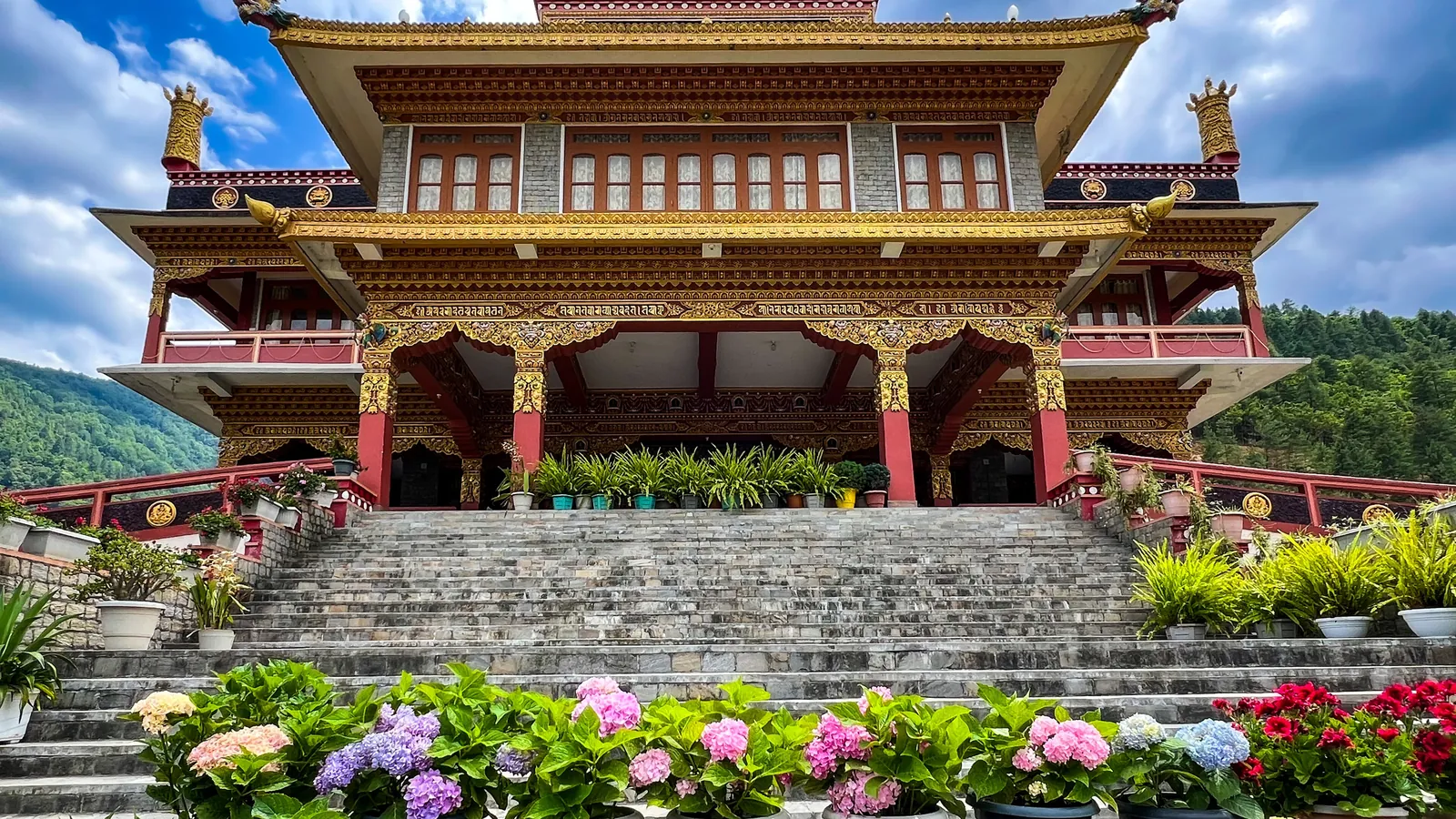
Day 3: Dirang to Tawang via Sela Pass
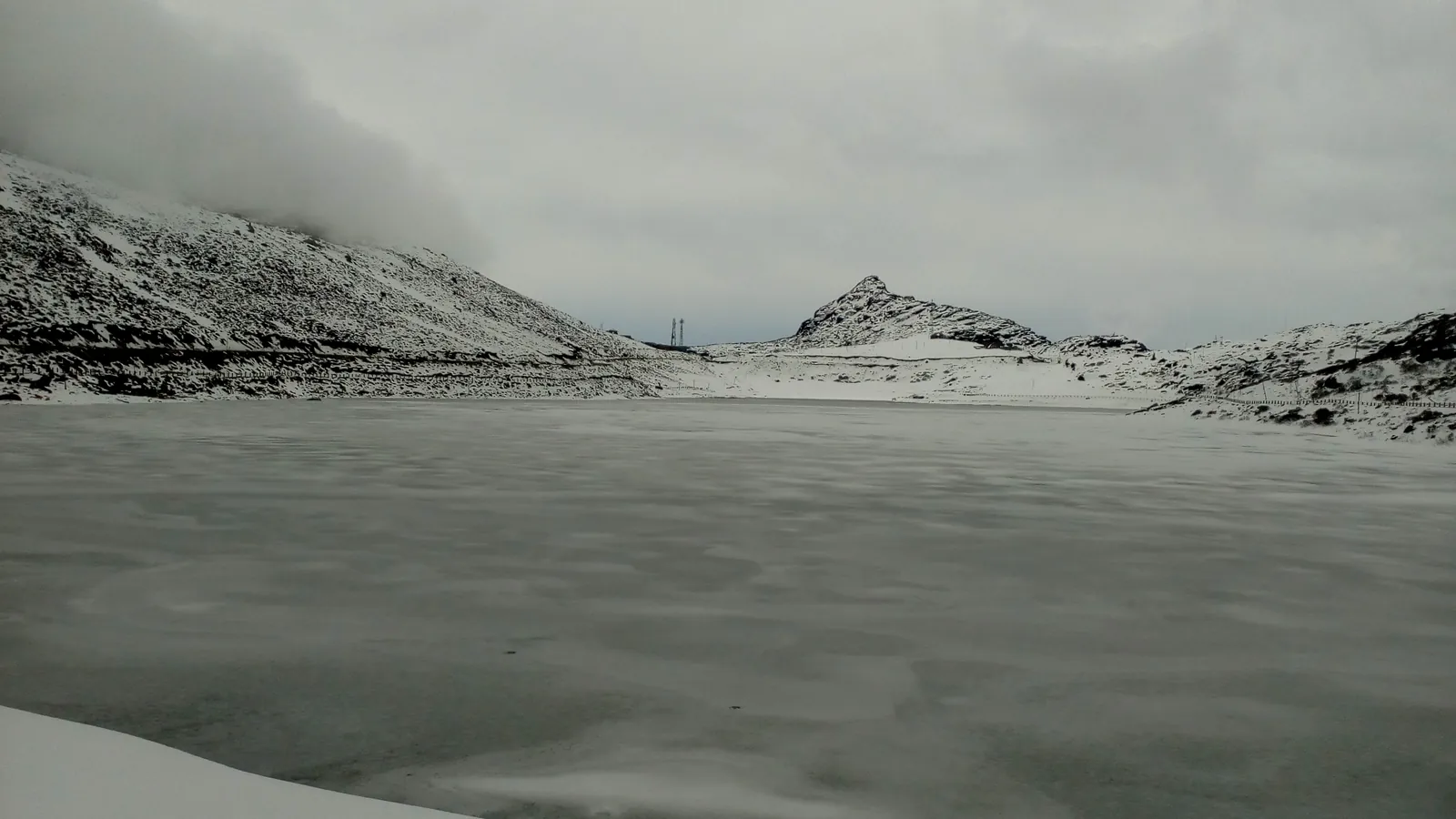
Drive over the Sela Pass, at about 4,170 metres, one of the highest motorable passes in India. Stop at the frozen Sela Lake, and visit the Jaswant Garh War Memorial, dedicated to Rifleman Jaswant Singh Rawat, who held off Chinese forces during the 1962 war, becoming a legend of the Indian Army. Continue to Tawang, arriving in the afternoon.
Day 4: Tawang Monastery and town
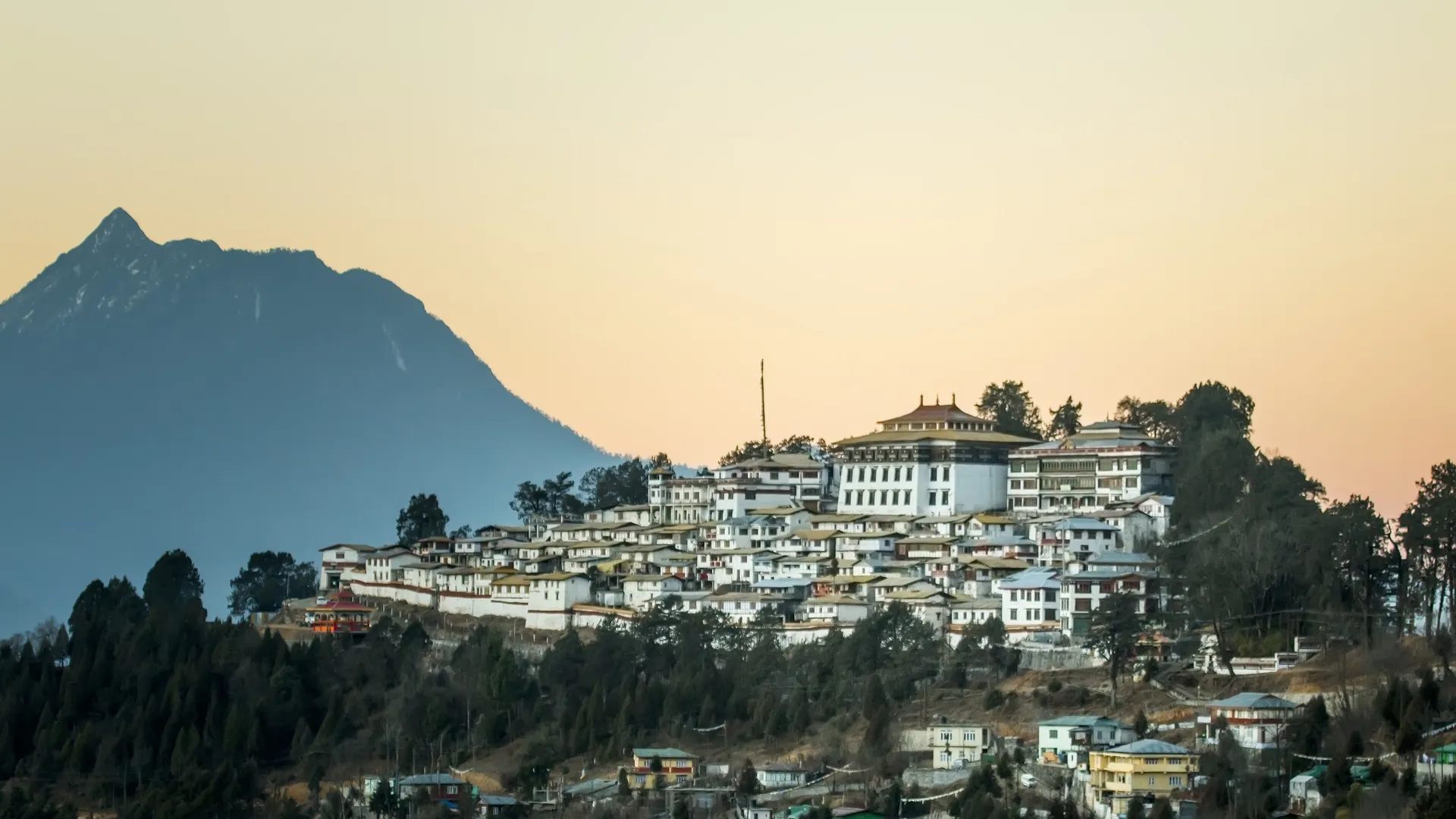
Visit Tawang Monastery, known as Galden Namgey Lhatse, founded in 1680-81 by Merak Lama Lodre Gyatso. It is the largest Buddhist monastery in India, home to hundreds of monks, with a magnificent three-storey assembly hall housing a giant golden statue of the Buddha, and a library of ancient manuscripts. Attend the morning prayers if you can. Visit the Tawang War Memorial, a stupa-shaped memorial to the soldiers of 1962, with a moving light and sound show in the evening, and Urgelling Monastery, the birthplace of the sixth Dalai Lama.
Day 5: Bum La Pass and Madhuri Lake
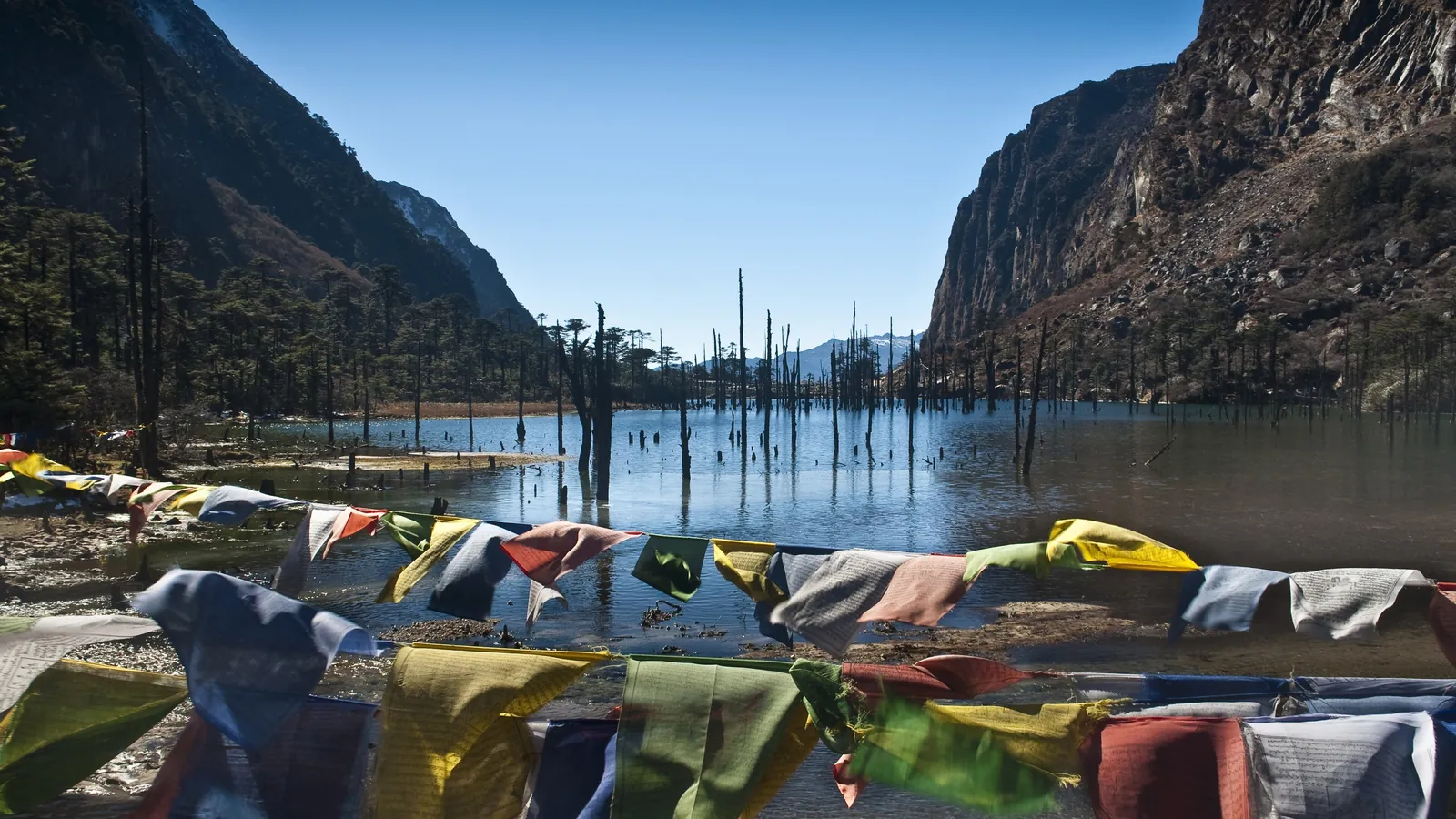
With the required permit, drive to Bum La Pass, at about 4,600 metres on the India-China border, where you can see the border post and hear stories from Indian Army soldiers. On the way, visit Madhuri Lake, also called Sangetsar Lake, formed by an earthquake in 1950, with dead tree trunks rising eerily from the water. It got its popular name after scenes from the Bollywood film Koyla, starring Madhuri Dixit, were shot here. Also stop at the beautiful PTso Lake.
Day 6: Nuranang Falls and return to Dirang
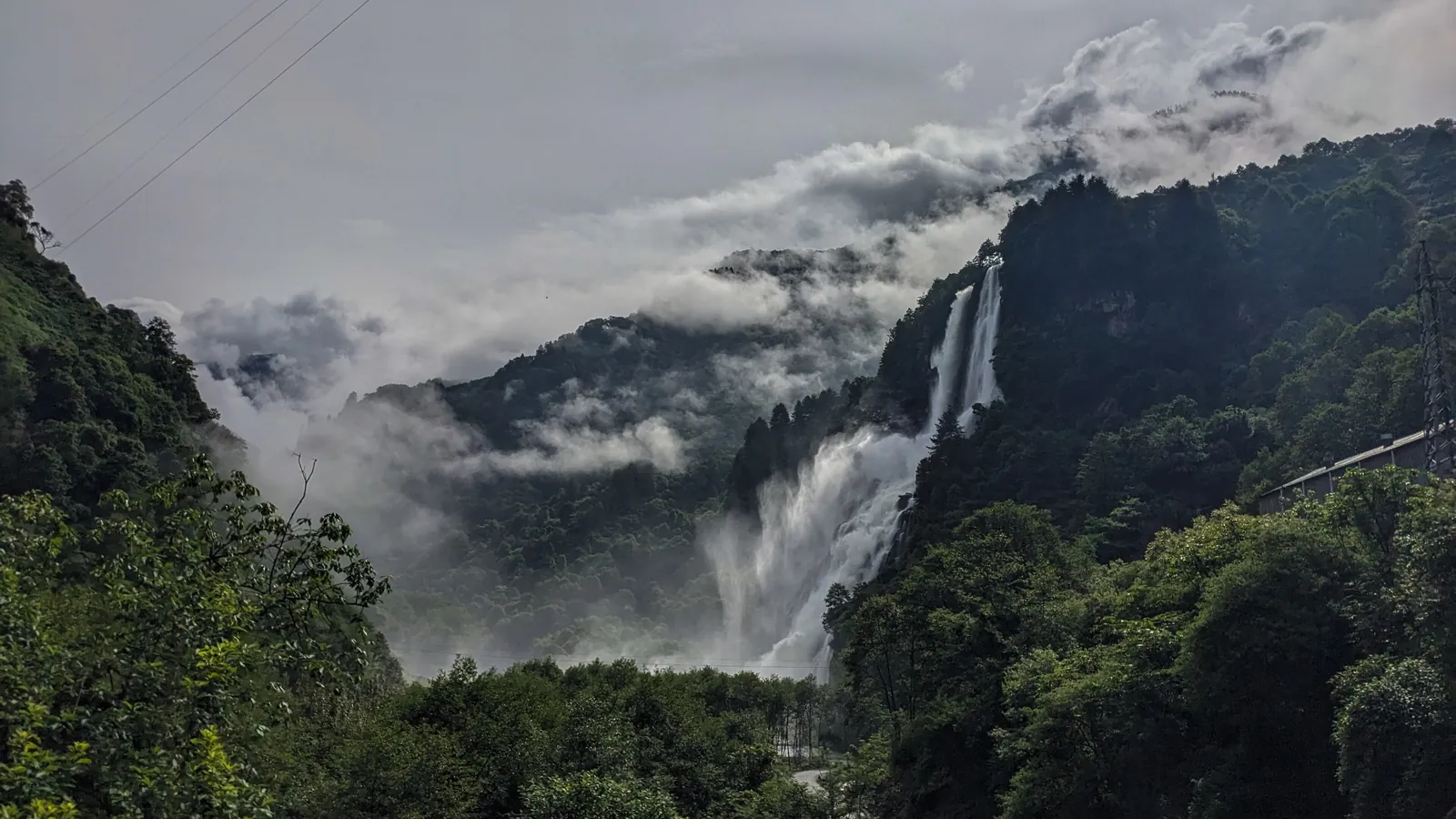
Drive back towards Sela, stopping at Nuranang Falls (Jang Falls), a powerful 100-metre waterfall plunging through a forested gorge. Return to Dirang or Bomdila for the night, breaking the long journey.
Day 7: Return to Guwahati
Drive back to Guwahati or Tezpur for your onward flight or train.
Monpa culture
The Monpa are the main community of Tawang and West Kameng, following Tibetan Buddhism with deep devotion. Their homes are built of stone and wood with colourful painted windows, prayer flags flutter from every ridge, and water-powered prayer wheels turn in the streams. Monpa women traditionally wear a maroon robe and a distinctive felt cap made of yak hair with tassels that channel rain away from the face. The Monpa are also known for handmade paper produced from the bark of a local shrub, used for Buddhist scriptures, and for colourful carpets and wooden masks.
History and the 1962 war
Tawang has great historical importance. The sixth Dalai Lama, Tsangyang Gyatso, was born here in 1683, and in 1959 the fourteenth Dalai Lama passed through Tawang when he escaped from Tibet to India. During the 1962 India-China war, the region saw fierce fighting, and memorials along the route, such as the Tawang War Memorial and Jaswant Garh, honour the soldiers who gave their lives. Today, the Indian Army maintains a strong presence in the region.
Tawang with children and older parents
The long drive and high passes make Tawang better suited to older children and fit adults. For elderly parents, break the journey into shorter stages, spend extra nights in Dirang to acclimatise, and consult a doctor about altitude. The monastery, war memorial and lakes near Tawang are accessible by road, but Sela Pass and Bum La are very high and cold.
Highlights along the road
- Tipi Orchid Research Centre: near Bhalukpong, with hundreds of orchid species from Arunachal.
- Bomdila Monastery: with views across the Himalaya and colourful prayer halls.
- Dirang Valley: with hot springs, a yak research centre and the old Dirang Dzong village.
- Sela Tunnel: one of the world's highest bi-lane road tunnels, improving access to Tawang in winter.
- Jang: a small town near Nuranang Falls with views over the Tawang Chu valley.
Travel early in the morning, as clouds and mist often build in the afternoon, and stop often to enjoy the views.
If you want to see snow, visit between December and March, when Sela Pass and the higher lakes are covered in white. Just be prepared for temporary road closures after heavy snowfall, and keep an extra day in your plans.
Mobile networks are patchy between towns, so download offline maps and inform family of your plans before leaving Dirang.
Tawang's markets are good for Monpa handicrafts, woollen shawls, carpets and prayer flags.
Festivals in Tawang
- Torgya (January): a monastic festival at Tawang Monastery with masked cham dances to ward off evil.
- Losar (February or March): the Monpa and Tibetan New Year, celebrated with prayers, feasts and visits.
- Tawang Festival (October or November, when held): a cultural festival showcasing Monpa traditions.
Altitude and road safety
- Sela Pass and Bum La are at high altitude; ascend gradually, drink plenty of water and avoid exertion.
- Watch for signs of altitude sickness such as headaches, nausea and breathlessness.
- Roads are winding and can be affected by landslides and snow; travel in daylight with experienced local drivers.
- Carry motion sickness medicine.
- Older travellers and those with heart or lung conditions should consult a doctor before travel.
Food in Tawang
Monpa food is hearty and warming. Try momos and thukpa, zan, a millet porridge, khura, a buckwheat pancake, and local butter tea. Vegetarian food is easy to find, and many restaurants serve North Indian and Chinese dishes. Carry snacks for long drives, as options between towns can be limited.
Where to stay
- Tawang: hotels and homestays, many with views of the monastery; heating is essential in winter.
- Dirang and Bomdila: hotels, guesthouses and homestays for breaking the journey.
- Homestays: a wonderful way to experience Monpa hospitality.
Getting around
- Private taxis or SUVs: the most practical way to travel; hire from Guwahati or Tezpur for the full trip.
- Shared sumos: cheaper shared vehicles run between towns but are crowded and less flexible.
- Self-drive: possible for experienced mountain drivers with the ILP.
How much does a Tawang trip cost?
- Flights to Guwahati: ₹4,000 to ₹12,000 each way.
- Taxi or SUV for 7 days: roughly ₹30,000 to ₹45,000, shared between passengers.
- Hotels: ₹2,000 to ₹6,000 per night.
- Food: ₹600 to ₹1,500 per person per day.
- Permits: modest ILP fees.
A 7-day Tawang trip typically costs ₹25,000 to ₹45,000 per person for a group sharing a vehicle, including flights, transport, hotels and food.
What to pack
- Warm layers, a down jacket, gloves and a woollen cap, even in summer.
- Sunglasses and sunscreen for the high-altitude sun.
- Comfortable shoes with grip.
- A basic medical kit, including altitude and motion sickness medicine.
- Printed ILP and ID copies.
- Cash; ATMs are limited and can run out.
Mistakes to avoid
Travelling without the ILP. You will be stopped at the entry checkpoint.
Rushing the drive. Break the journey in Dirang or Bomdila to acclimatise.
Visiting in the monsoon. Landslides can block roads for days.
Assuming Bum La is always open. Permits depend on security and weather conditions.
Plan your Tawang trip with The Vacation Code
A Tawang trip is a journey into the high Himalaya, Monpa culture and India's history. Our team can plan vehicles, stays and permits. Combine it with our Hornbill Festival guide or Meghalaya itinerary, read our Sikkim trip guide, explore our Leh Ladakh expedition, or browse all our tours.
Frequently asked questions
Do I need a permit for a Tawang trip?
Yes. Indian citizens from outside Arunachal Pradesh need an Inner Line Permit, which can be applied for online. Bum La Pass requires an additional local permit.
What is the best time for a Tawang trip?
March to June and September to November are the best times. Winter brings heavy snow and the monsoon brings landslides.
How far is Tawang from Guwahati?
Tawang is about 450 to 500 kilometres from Guwahati by road, usually covered over two days with a stop in Dirang or Bomdila.
Is Tawang Monastery the largest in India?
Yes. Tawang Monastery, founded in 1680-81, is the largest Buddhist monastery in India.
Why is it called Madhuri Lake?
Sangetsar Lake became popularly known as Madhuri Lake after scenes from the film Koyla, starring Madhuri Dixit, were shot there.
Can tourists visit Bum La Pass?
Indian nationals can visit Bum La Pass with a special permit arranged in Tawang, subject to security and weather conditions.
How much does a Tawang trip cost?
A 7-day Tawang trip typically costs 25,000 to 45,000 rupees per person for a group sharing a vehicle, including flights, transport, hotels and food.