📌 In this guide15 sections
- Entry rules for Indians
- Best time for a Malaysia trip from India
- A 7-day Malaysia itinerary
- Adding the Cameron Highlands
- Indian and vegetarian food in Malaysia
- Where to stay
- A short history: why Malaysia feels familiar
- What to pack
- How much does a Malaysia trip from India cost?
- Getting around
- Practical tips
- Mistakes to avoid
- Who a Malaysia trip suits
- Plan your Malaysia trip with The Vacation Code
- Frequently asked questions
A Malaysia trip from India often begins with a surprise: the first thing many Indian travellers see after the Petronas Towers is a giant golden statue of Lord Murugan. At Batu Caves, just outside Kuala Lumpur, the 42-metre statue towers over a rainbow staircase of 272 steps that climbs into a vast limestone cavern, where temple bells echo and long-tailed macaques steal bananas from unwary pilgrims. In January or February, during Thaipusam, more than a million devotees gather here. It is a powerful reminder that Malaysia and India are connected by centuries of trade, migration and faith.
Malaysia is one of the easiest and best-value international holidays for Indian families, couples and friends. It is currently visa-free for Indian tourists until 31 December 2026. Flights to Kuala Lumpur take about four to five hours. Around one in fifteen Malaysians is of Indian origin, mostly Tamil, so Indian food, temples and even Tamil signboards are everywhere. And in a single trip you can combine a modern capital, colonial heritage towns, cool tea hills, rainforest and duty-free island beaches.
This guide covers entry rules, the best time to visit, a 7-day itinerary, where to eat, what it costs and practical tips for your Malaysia trip from India.
Entry rules for Indians
Malaysia has extended visa-free entry for Indian tourists until 31 December 2026, for stays of up to 30 days. Every traveller must complete the online Malaysia Digital Arrival Card (MDAC) within three days before arrival. Carry a passport valid for at least six months, a return ticket, hotel bookings and proof of funds. Check the official Malaysian immigration website before booking in case the policy changes.
Best time for a Malaysia trip from India
Malaysia is warm and humid all year, usually 25 to 33°C. Rain falls in short, heavy showers, and the monsoons affect the two coasts differently.
- November to April: the best time for the west coast islands, Langkawi and Penang, which are drier and calmer. The east coast islands such as Perhentian and Redang are closed or rough in this monsoon season.
- March to October: the best time for the east coast islands and diving.
- Kuala Lumpur and the Cameron Highlands: good year-round.
- Festivals: Thaipusam at Batu Caves (January or February), Deepavali (a public holiday in Malaysia), Chinese New Year and Hari Raya are all spectacular.
A 7-day Malaysia itinerary
Day 1: Arrive in Kuala Lumpur
Land at Kuala Lumpur International Airport and take the KLIA Ekspres train, about 30 minutes, into the city. In the evening, visit the Petronas Twin Towers, at 452 metres once the tallest buildings in the world, and walk through KLCC Park to watch the Lake Symphony fountain show. The towers are most beautiful lit up at night.
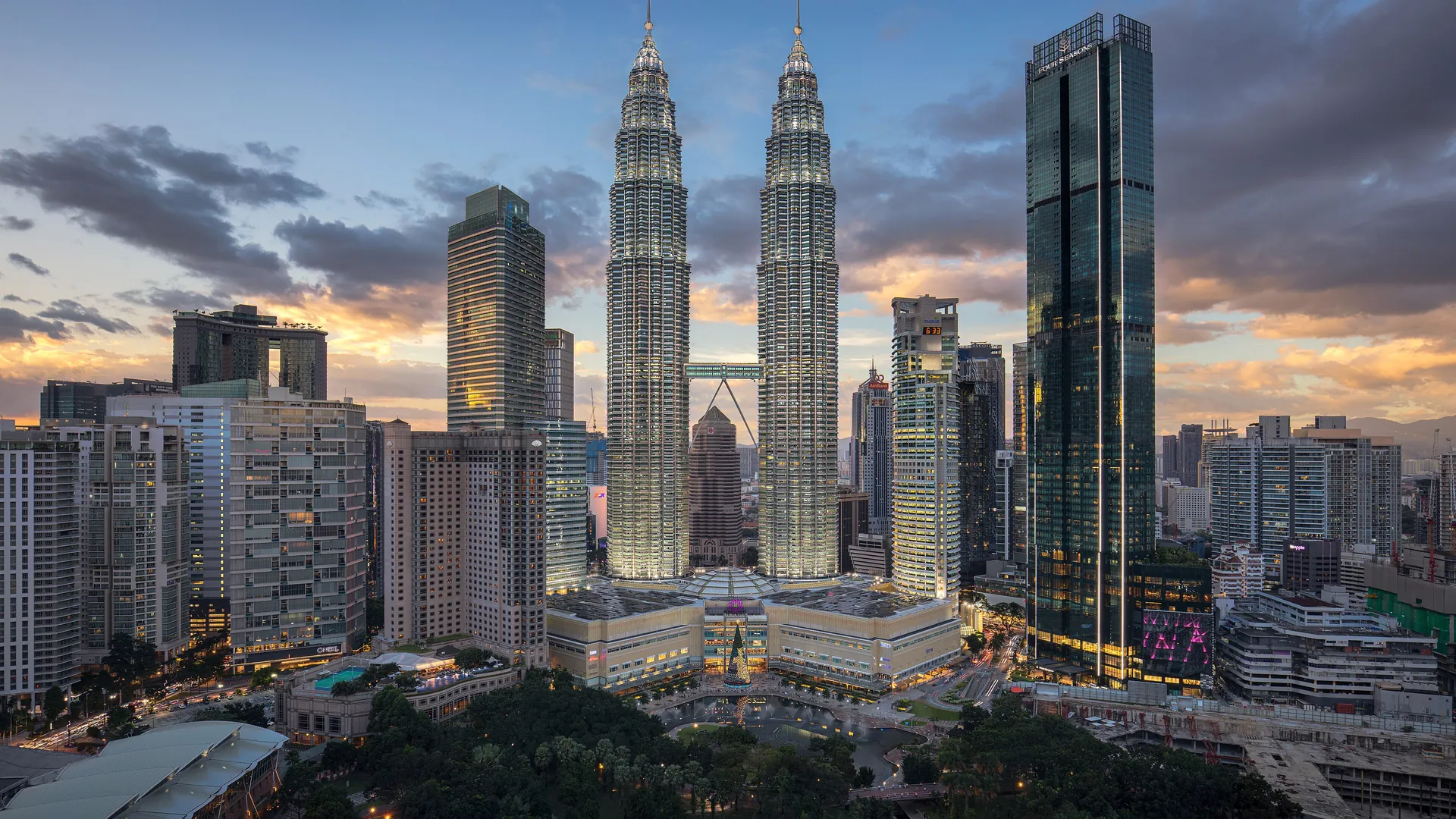
Day 2: Kuala Lumpur sightseeing and Batu Caves
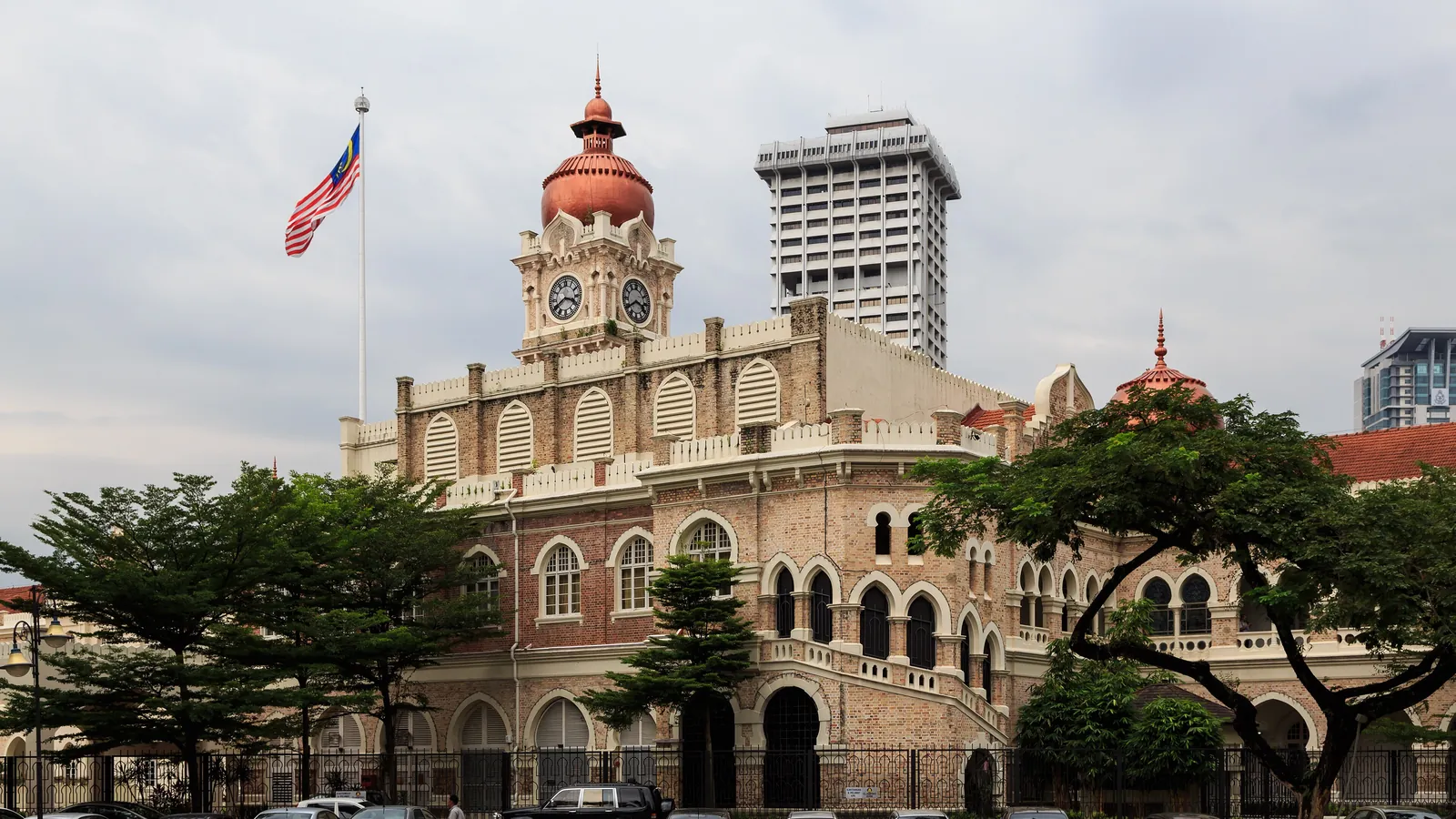
Go early to Batu Caves, about 30 minutes north of the city, to climb the colourful steps before the heat and crowds. The main Temple Cave houses shrines to Lord Murugan. Dress modestly; sarongs are available to cover legs. Back in the city, visit Merdeka Square, where Malaysia declared independence in 1957, and the Moorish-style Sultan Abdul Samad Building. Explore the Central Market for crafts, Petaling Street in Chinatown, and the Sri Mahamariamman Temple, the oldest Hindu temple in Kuala Lumpur. In the evening, go up the Petronas Skybridge or KL Tower, then eat at the famous food street of Jalan Alor.
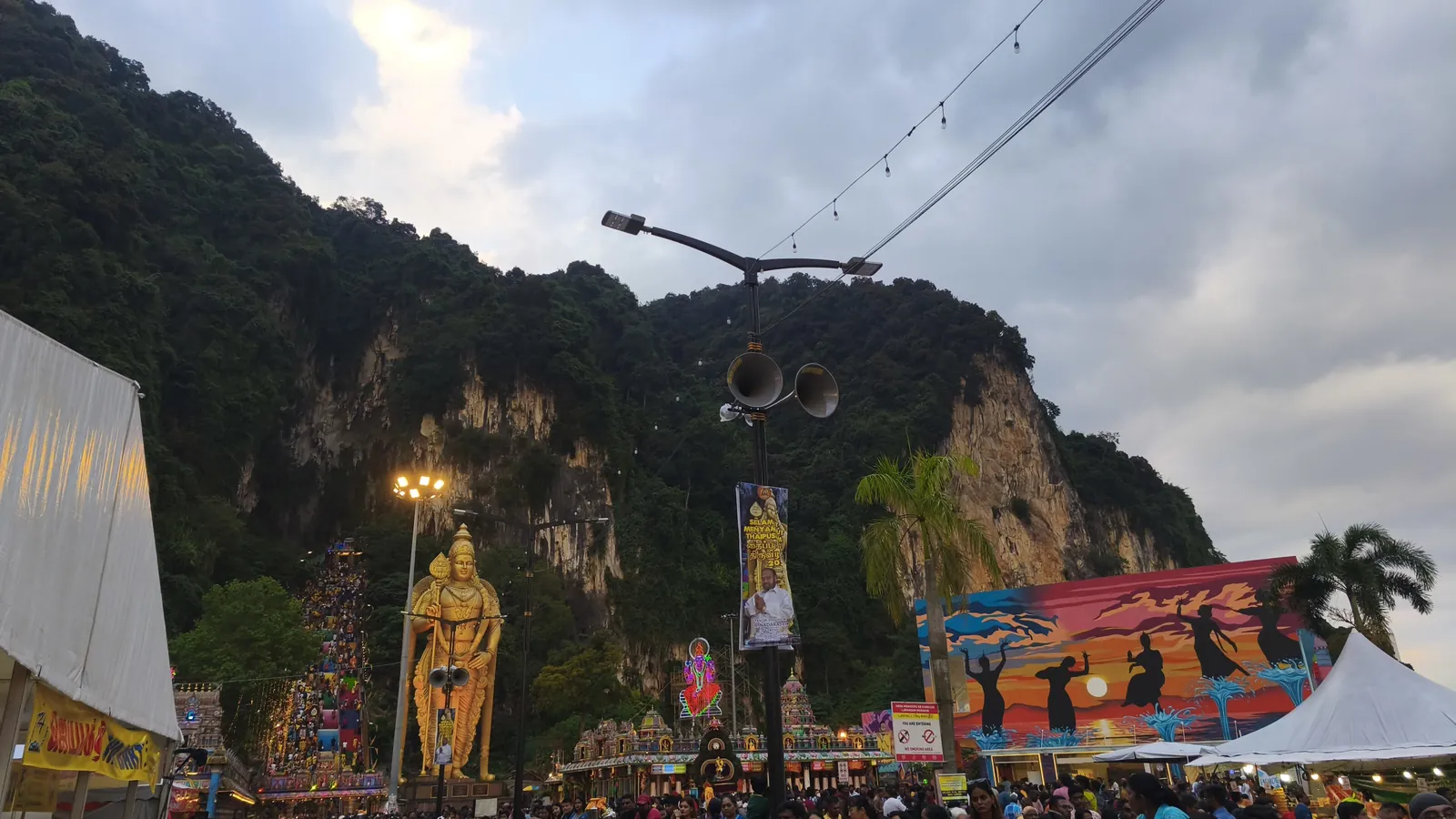
Brickfields, Kuala Lumpur's Little India, is the place for banana-leaf meals, sweets, sarees and jasmine garlands. Many Indian travellers feel right at home here.
Day 3: Genting Highlands or Putrajaya
Take the Awana Skyway cable car up to Genting Highlands, a cool hill resort about an hour from the city, with a theme park, shopping, casinos and the Chin Swee Caves Temple. Families love the rides and cooler air. Alternatively, visit Putrajaya, the planned administrative capital with its pink-domed mosque and lakes, or the firefly tours of Kuala Selangor in the evening.
Day 4: Fly to Penang
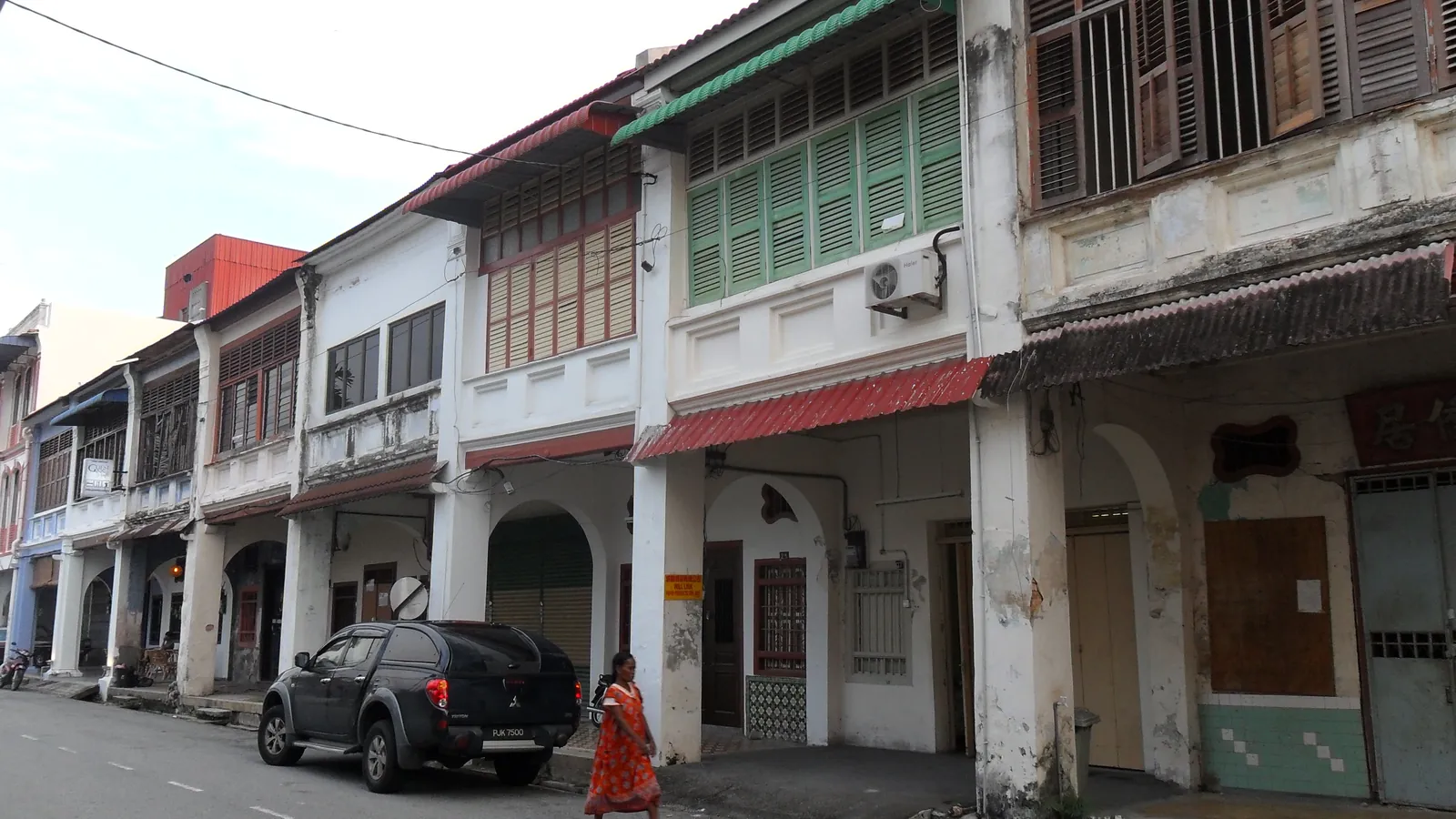
Take a one-hour flight or a four-hour train to Penang. Its capital, George Town, is a UNESCO World Heritage Site of colonial buildings, Chinese clan houses, mosques, temples and colourful shophouses. Hunt for the famous street art murals, including children on a bicycle painted onto a real wall with a real bicycle. In the evening, graze at the hawker stalls of Gurney Drive or New Lane, where Penang's legendary street food is served.
Day 5: Penang Hill and Kek Lok Si
Ride the funicular up Penang Hill for views over George Town and the strait, and walk the Habitat canopy trail through ancient rainforest. Visit Kek Lok Si, one of the largest Buddhist temples in Southeast Asia, with its seven-storey pagoda and giant statue of Kuan Yin. Little India in George Town has excellent South Indian and vegetarian restaurants.
Day 6: Langkawi
Fly about 30 minutes, or take a ferry, to Langkawi, an archipelago of 99 islands and a duty-free zone. Ride the SkyCab cable car to the summit of Gunung Mat Cincang and walk the curved Sky Bridge suspended above the rainforest. Relax on Pantai Cenang, the main beach, and watch the sunset.
Day 7: Island hopping and departure
Take a mangrove boat tour through the Kilim Karst Geoforest Park, watching for eagles and monkeys, or an island-hopping trip to the Lake of the Pregnant Maiden. Shop for duty-free chocolates and souvenirs, then fly home via Kuala Lumpur.
Adding the Cameron Highlands
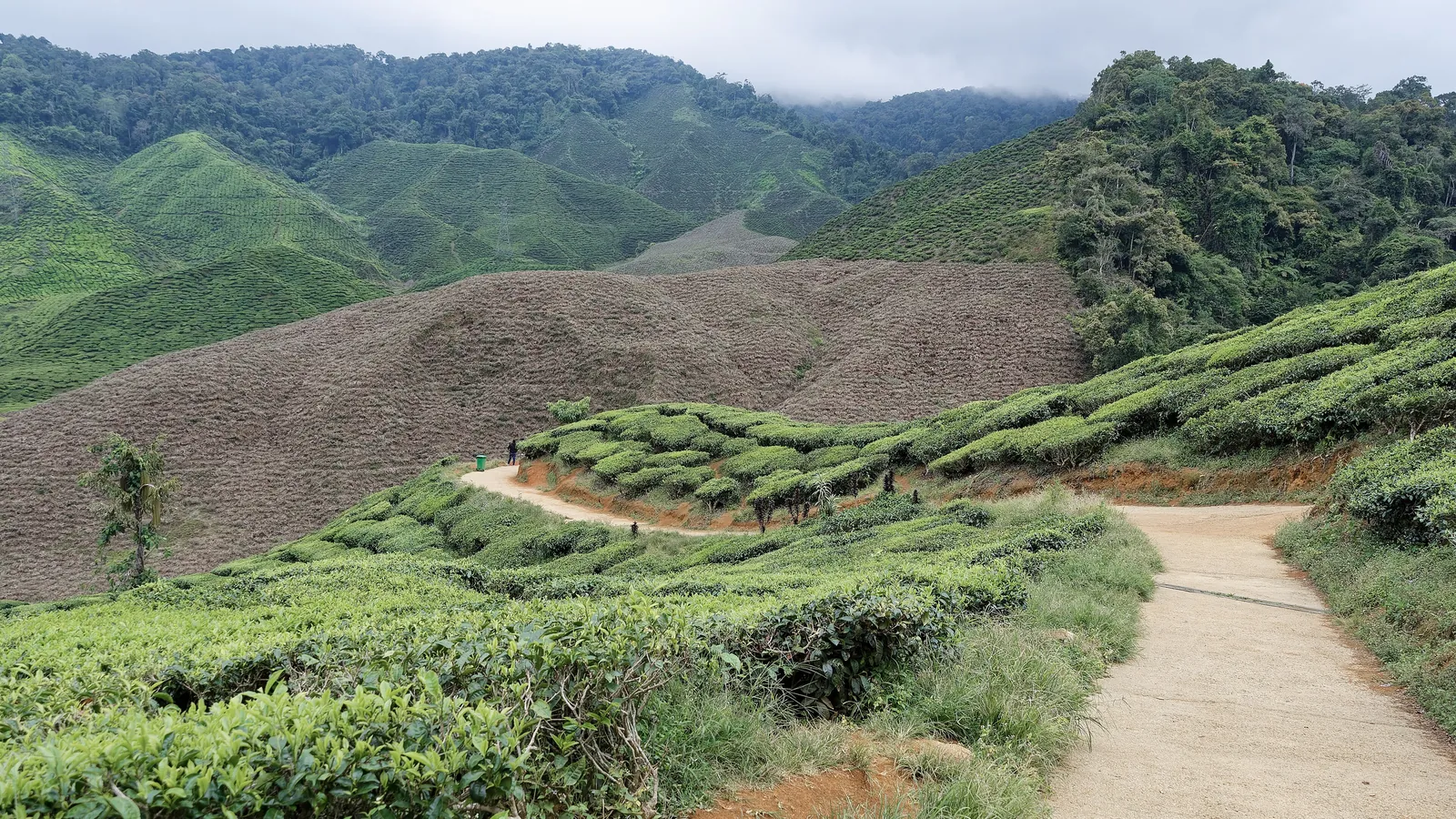
With two extra days, drive about four hours north from Kuala Lumpur to the Cameron Highlands, a cool hill station at around 1,500 metres. Rolling tea plantations cover the hills; visit the BOH tea estate for a cup with a view. Pick strawberries, walk through the Mossy Forest, and enjoy cool evenings that feel like a break from the tropical heat, much like Munnar or Ooty.
Indian and vegetarian food in Malaysia
Malaysia is a food lover's paradise, and Indian travellers are spoiled for choice. Banana-leaf rice meals, dosas, idlis, thosai, murukku and South Indian sweets are available everywhere, especially in Brickfields and Masjid India in Kuala Lumpur and Little India in George Town. Mamak restaurants, run by Indian Muslims, are open late and serve roti canai, flaky flatbread with dal curry, and teh tarik, frothy pulled tea. Vegetarians should also try vegetarian nasi lemak, fried noodles made without meat, fresh tropical fruit, and Chinese Buddhist vegetarian restaurants. Durian, the famously smelly "king of fruits", is a must-try for the adventurous.
Where to stay
- Kuala Lumpur: Bukit Bintang for shopping and food, KLCC for the towers, Brickfields for Indian food and easy train connections.
- Penang: heritage hotels inside George Town, or beach resorts at Batu Ferringhi.
- Langkawi: Pantai Cenang for a lively beach, or luxury resorts in quieter coves for honeymoons.
- Cameron Highlands: Tanah Rata and Brinchang for colonial-style hotels near tea estates.
A short history: why Malaysia feels familiar
Malaysia sits on one of the busiest sea routes in the world, the Strait of Malacca, and traders from India sailed here for more than 2,000 years. Hindu and Buddhist kingdoms flourished on the peninsula long before Islam arrived in the 15th century, and the ruins of the Bujang Valley in Kedah contain some of the oldest Hindu and Buddhist temples in Southeast Asia. The Malay language still has many words from Sanskrit, such as raja, bumi and syurga. Under British rule in the 19th and 20th centuries, many Tamils came to work on rubber plantations and railways, which is why Tamil schools, temples and newspapers thrive today. Chinese migrants arrived to work in tin mines and trade, creating the unique multicultural mix of Malay, Chinese and Indian communities that defines modern Malaysia and its food.
What to pack
- Light, breathable cotton clothes and comfortable sandals.
- A light sweater for the Cameron Highlands, Genting and air-conditioned malls.
- Modest clothing covering shoulders and knees for temples and mosques.
- A compact umbrella or rain jacket.
- Sunscreen, sunglasses, a hat and insect repellent.
- Swimwear for Langkawi's beaches and hotel pools.
How much does a Malaysia trip from India cost?
- Return flights to Kuala Lumpur: typically ₹15,000 to ₹30,000 per person, more during holidays.
- Domestic flights: ₹3,000 to ₹6,000 per person per sector on budget airlines.
- Hotels: ₹3,000 to ₹6,000 per night for good mid-range hotels; ₹8,000 and up for luxury resorts.
- Attractions: Petronas Skybridge, Langkawi SkyCab and Genting theme park each cost roughly ₹1,500 to ₹4,000 per person.
- Food: ₹1,000 to ₹2,000 per person per day; street food is very cheap.
A comfortable 7-day trip typically costs ₹55,000 to ₹90,000 per person, including flights, hotels, domestic travel, sightseeing and food.
Getting around
- In Kuala Lumpur: the LRT, MRT and monorail are cheap and air-conditioned. Use Grab for taxis.
- Between cities: budget airlines connect Kuala Lumpur with Penang and Langkawi; the ETS train is comfortable to Penang (Butterworth), with a short ferry across.
- In Penang and Langkawi: Grab is the easiest option; in Langkawi you can also rent a car.
Practical tips
- Dress modestly at mosques and temples; robes and sarongs are usually provided.
- Carry ringgit for street food and markets, though cards are widely accepted.
- Carry an umbrella for sudden tropical showers.
- Plug adapters: Malaysia uses UK-style three-pin plugs.
- Stay hydrated and use sunscreen.
- Respect local customs: use your right hand for giving and receiving, and remove shoes when entering homes and some shops.
Mistakes to avoid
Forgetting the MDAC. Fill in the digital arrival card before landing.
Climbing Batu Caves at midday. The heat and crowds are intense; go early.
Visiting east coast islands between November and February. Many resorts close for the monsoon.
Trying to see everything in five days. Choose Kuala Lumpur plus one island or Penang.
Who a Malaysia trip suits
Families love Genting, the aquarium at KLCC, beaches and easy food. Couples choose Langkawi's resorts and sunsets. Foodies come for Penang's hawker culture. Pilgrims visit Batu Caves, especially during Thaipusam. Older parents appreciate the short flights, familiar food and comfortable infrastructure.
Plan your Malaysia trip with The Vacation Code
A Malaysia trip from India combines culture, food, islands and hills at great value, and it is visa-free until the end of 2026. Our team can arrange hotels, domestic flights and tours. Also read our Singapore family guide, since the two countries combine perfectly, and our list of visa free countries for Indians, explore our Vietnam Group Tour, or browse all our international tours.
Frequently asked questions
Is Malaysia visa free for Indians?
Yes. Malaysia has extended visa-free entry for Indian tourists until 31 December 2026, for stays of up to 30 days. Complete the Malaysia Digital Arrival Card within three days before arrival.
How much does a 7-day Malaysia trip from India cost?
A comfortable 7-day trip typically costs 55,000 to 90,000 rupees per person including flights, hotels, domestic travel, sightseeing and food.
What is the best time for a Malaysia trip from India?
November to April is best for Langkawi and Penang on the west coast, while March to October suits the east coast islands. Kuala Lumpur is good year-round.
How many steps are there at Batu Caves?
There are 272 colourful steps leading up to the Temple Cave at Batu Caves, beside a 42-metre golden statue of Lord Murugan.
Is Indian food available in Malaysia?
Yes. Indian food is everywhere, especially in Brickfields and Masjid India in Kuala Lumpur and Little India in Penang, including banana-leaf meals, dosas and vegetarian restaurants.
Is Langkawi or Penang better?
Langkawi is better for beaches, cable cars and relaxation, while Penang is better for heritage, street art and food. Many travellers visit both.
Can I combine Malaysia and Singapore?
Yes. Kuala Lumpur and Singapore are about an hour apart by air, or a few hours by bus. Remember that Singapore requires a separate visa for Indians.