📌 In this guide14 sections
- Entry rules for Indian citizens
- How to reach Nepal
- Best season for a Nepal trip
- A 7-day Nepal itinerary
- Short Himalayan treks for beginners
- Pilgrimages in Nepal
- Festivals worth planning around
- Food in Nepal
- How much does a Nepal trip cost?
- Practical tips
- Mistakes to avoid
- Who a Nepal trip suits
- Plan your Nepal trip with The Vacation Code
- Frequently asked questions
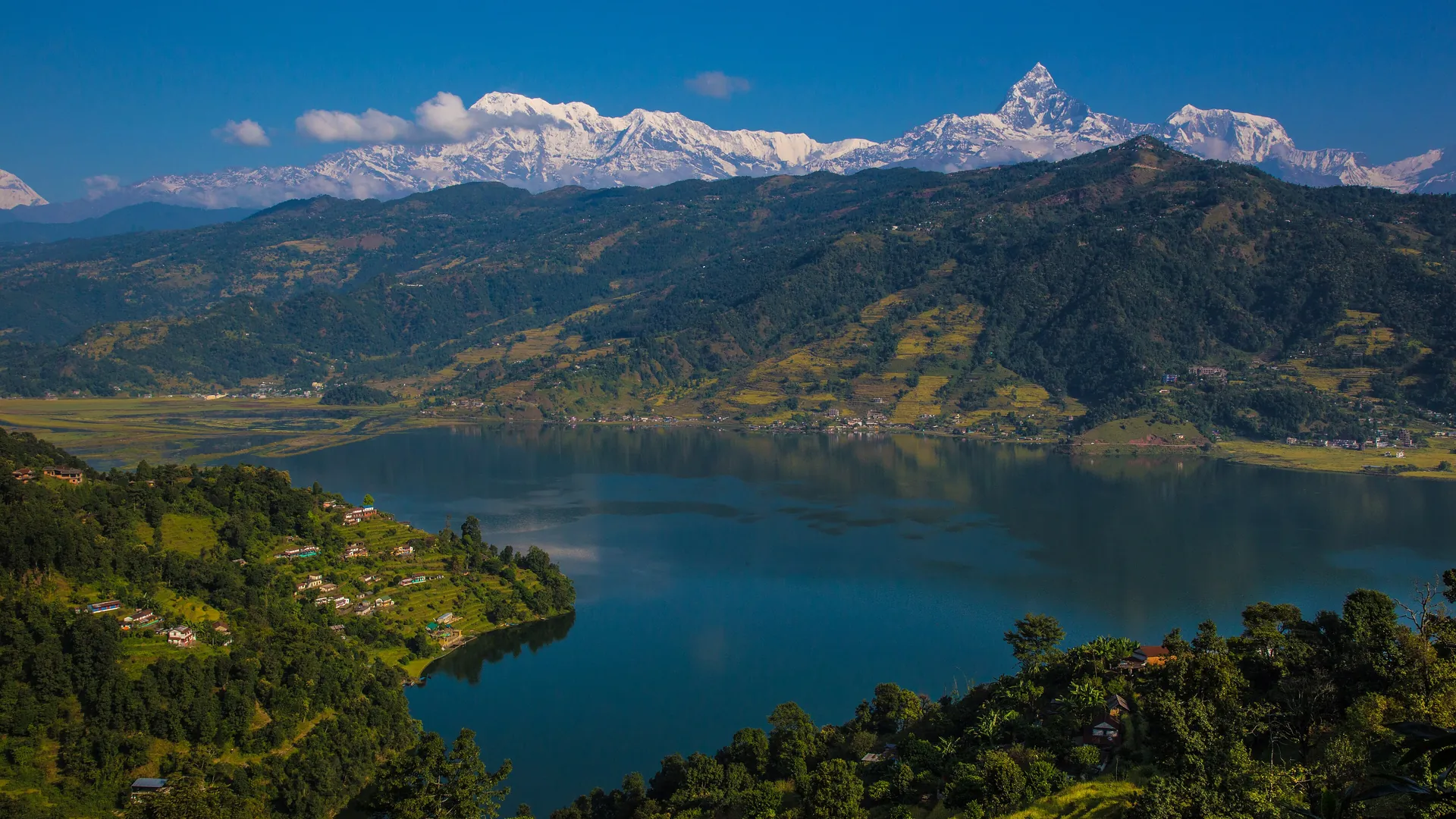
A Nepal trip rewards early risers like nowhere else. At 5 a.m. you climb the last steps to Sarangkot, a hilltop above Pokhara, and join a small, silent crowd facing north. The sky is grey, then violet. And then the first sunlight strikes the summit of Machhapuchhre, the fish-tailed mountain, turning it pink, then gold, followed one by one by the peaks of the Annapurna range stretching across the horizon. Below you, mist lifts off Phewa Lake. Somebody whispers "wow", and nobody has anything better to add.
Nepal, home to eight of the world's ten highest mountains including Everest, is one of the easiest international trips an Indian can take. There is no visa, many Indians do not even need a passport, the rupee is widely accepted, and flights from Delhi to Kathmandu take less than two hours. Yet it feels wonderfully different: ancient temple squares, Tibetan Buddhist stupas, lakeside cafes, jungle safaris and some of the finest trekking on earth. For Hindu and Buddhist pilgrims, Pashupatinath, Muktinath and Lumbini, the birthplace of the Buddha, are deeply sacred.
This guide covers entry rules, how to get there, the best season, a detailed 7-day itinerary, short treks and pilgrimages, food, costs and practical tips for your Nepal trip.
Entry rules for Indian citizens
- No visa: Indian citizens do not need a visa for Nepal.
- ID required: adults can travel with a valid Indian passport or a voter ID card. Children can use a passport, and minors may use other documents such as school ID or a birth certificate depending on age; check with your airline.
- Aadhaar is not always accepted for air travel into Nepal; carry a passport or voter ID to be safe.
- Trekking permits: popular trekking regions need permits such as the Annapurna Conservation Area Permit, and rules now require trekkers to go with a licensed guide in many areas. Your trekking agency arranges these.
How to reach Nepal
By air
Direct flights connect Kathmandu with Delhi, Mumbai, Bengaluru, Kolkata, Varanasi and other Indian cities. On clear days, sit on the left side flying from Delhi for views of the Himalaya. Kathmandu's airport can be busy, so allow time for immigration and baggage.
By road
Popular border crossings include Sonauli (near Gorakhpur) to Bhairahawa, convenient for Lumbini and Pokhara; Raxaul to Birgunj; and Panitanki to Kakarbhitta in the east. Road travel is cheaper but slow; allow a full day from the border to Kathmandu or Pokhara. Indian private vehicles need a customs permit to enter Nepal.
Best season for a Nepal trip
- October to November: the best season, with clear skies, crisp air and superb mountain views after the monsoon. Dashain and Tihar festivals bring colour to the streets. Peak trekking season.
- March to April: spring, with rhododendrons blooming across the hills and good trekking weather, though views can be hazier.
- December to February: cold, especially at night, but clear and quiet. Good for Kathmandu, Pokhara and Chitwan, and for lower treks.
- June to September: monsoon rains, leeches on trails and cloudy mountains, but green landscapes and lower prices. Landslides can disrupt roads.
A 7-day Nepal itinerary
Day 1: Arrive in Kathmandu, Boudhanath
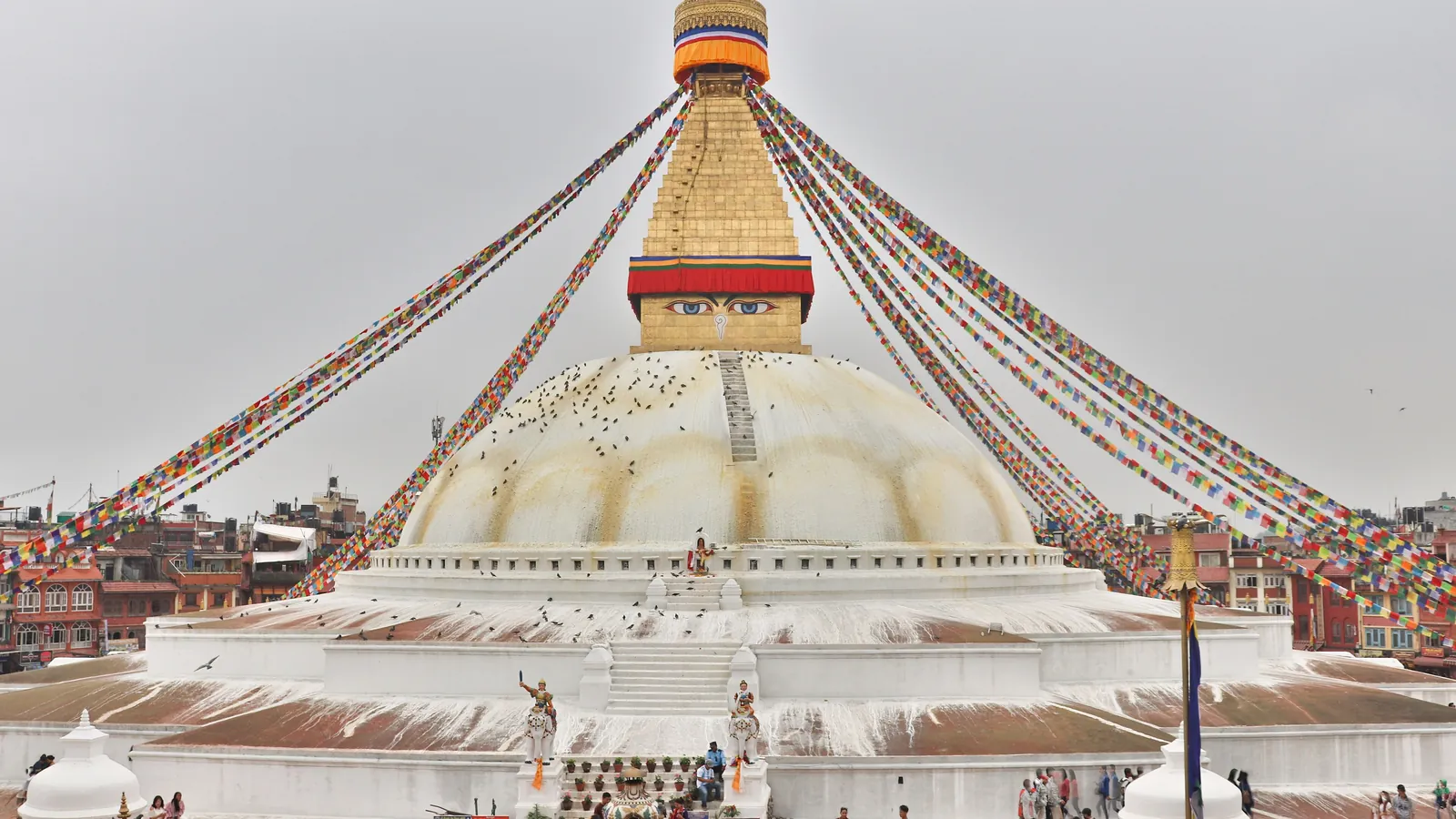
Land in Kathmandu and check into a hotel in Thamel, the traveller hub, or a quieter area such as Lazimpat. In the late afternoon, visit Boudhanath, one of the largest stupas in the world and the heart of Tibetan Buddhist life in Nepal. Walk clockwise around the great white dome with pilgrims spinning prayer wheels, as monks chant and butter lamps flicker, then watch the sunset from a rooftop cafe facing the stupa's painted eyes.
Day 2: Pashupatinath and the Durbar Squares
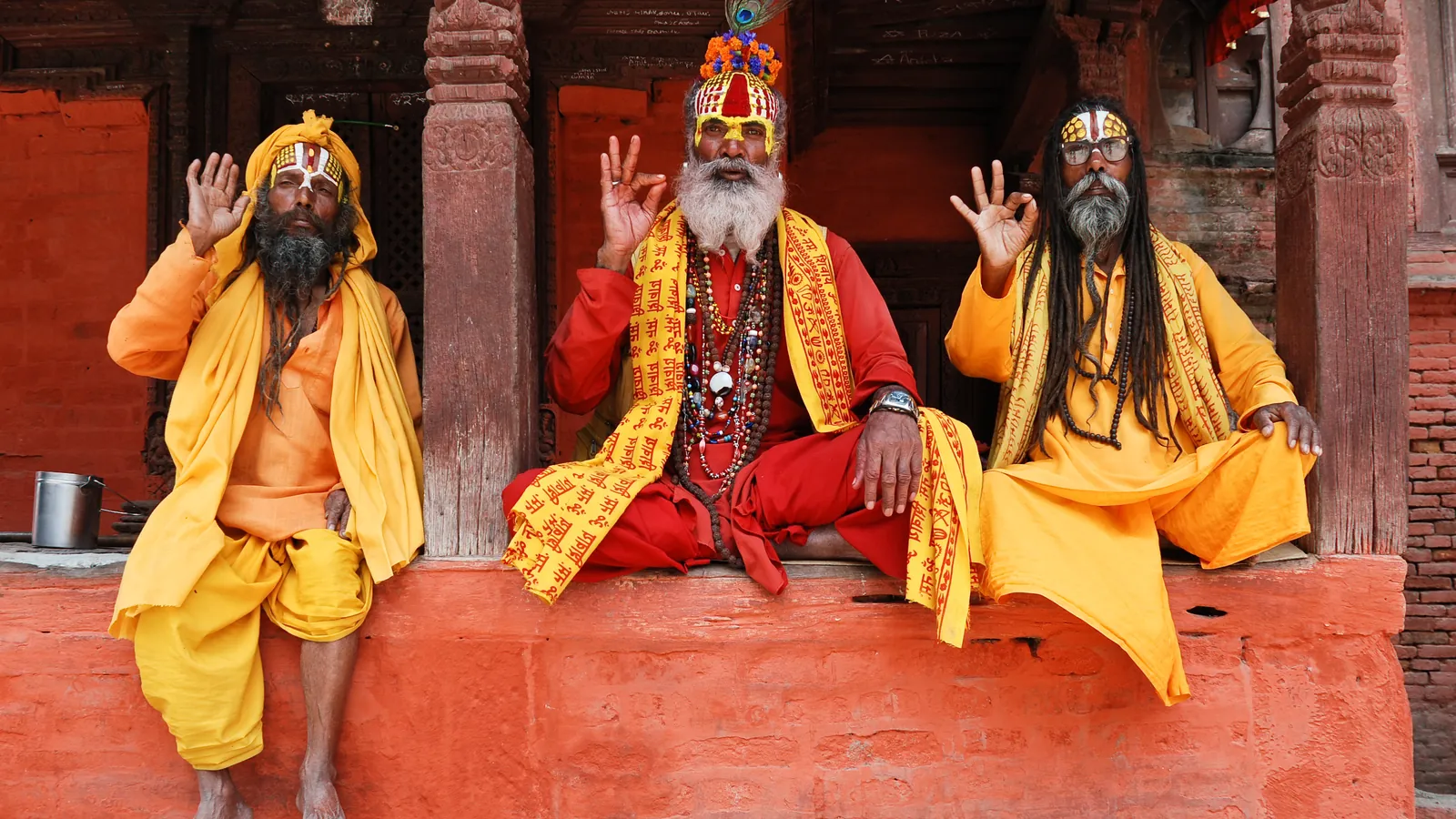
Start at Pashupatinath Temple, one of the most sacred Shiva temples in the world, on the banks of the Bagmati River. Only Hindus may enter the main temple, but everyone can watch the rituals from across the river, including the evening aarti. Visit Swayambhunath, the hilltop "Monkey Temple" with views over the valley. Then explore Kathmandu Durbar Square or Patan Durbar Square, courtyards of pagoda temples and royal palaces from the Malla kings, both UNESCO World Heritage Sites. Many monuments were damaged in the 2015 earthquake and have since been carefully restored.
Day 3: Bhaktapur and Nagarkot
Drive about an hour to Bhaktapur, the best preserved of the valley's medieval cities, with its five-storey Nyatapola temple, pottery square and wood-carving workshops. Try juju dhau, the famous "king of yoghurts", served in clay pots. In the evening, continue to Nagarkot, a hill station on the valley rim, for sunset and sunrise views of the Himalaya, including Everest on very clear days.
Day 4: Pokhara
Fly about 25 minutes to Pokhara, or drive six to seven hours along the Trishuli River. Pokhara, Nepal's lakeside resort town, sits on the shore of Phewa Lake with the Annapurna range towering behind. Rent a colourful wooden boat and row to the Tal Barahi temple on its island, walk along the lakeside cafes and shops, and hike or drive up to the World Peace Pagoda for sunset views over the lake and mountains.
Day 5: Sarangkot sunrise and adventure
Drive up to Sarangkot before dawn for the famous Himalayan sunrise. Pokhara is one of the world's great paragliding destinations: take a tandem flight from Sarangkot and soar over the lake with the Annapurnas as your backdrop. Other options include ziplining, boating, visiting Davis Falls and the Gupteshwor Mahadev cave, or the International Mountain Museum.
Day 6: Chitwan National Park
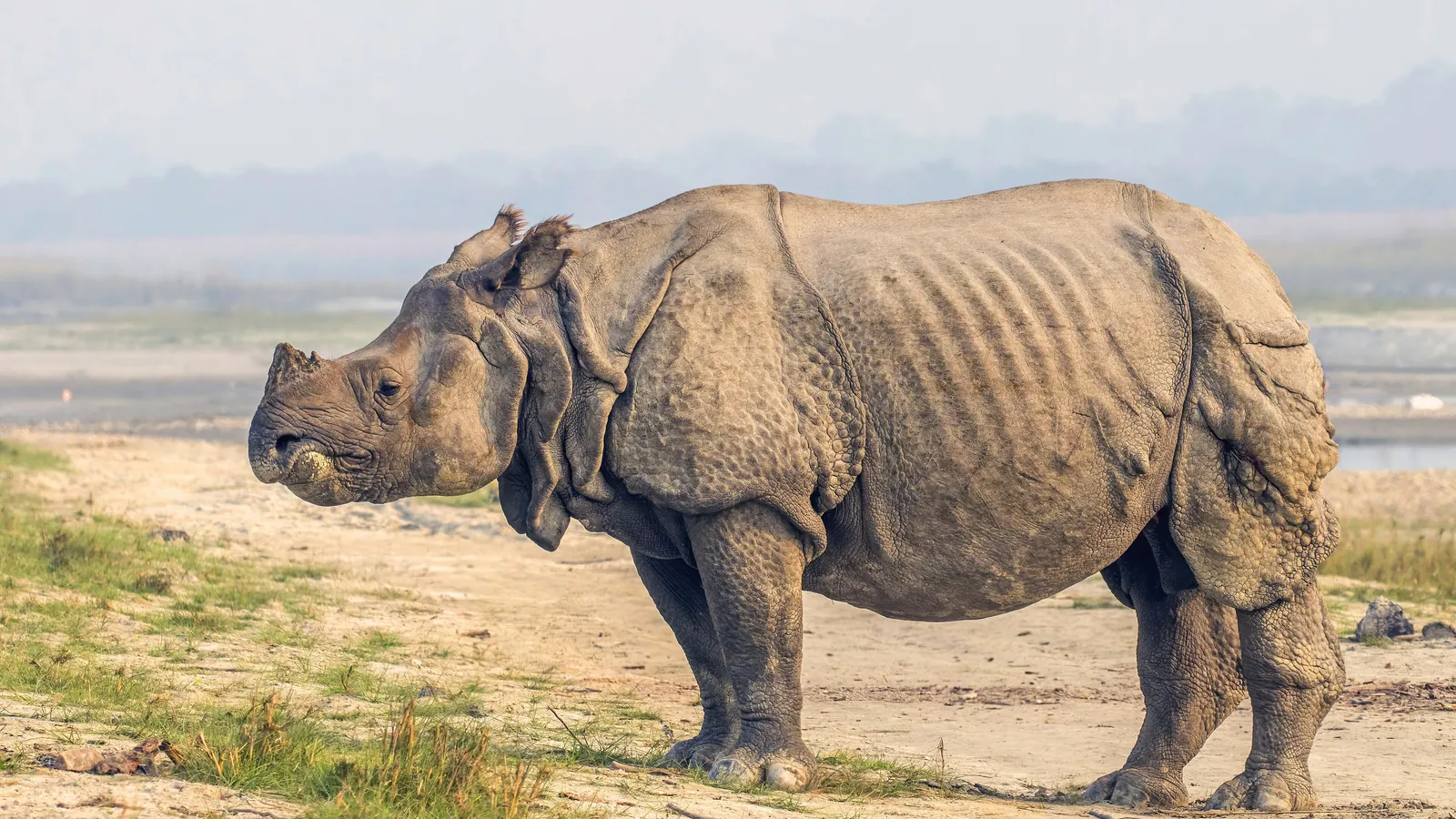
Drive about five hours south to Chitwan National Park, a UNESCO World Heritage Site in the lowland jungles of the Terai. Take a jeep safari or a canoe ride on the Rapti River to spot the one-horned rhinoceros, crocodiles, deer, monkeys and hundreds of bird species; Bengal tigers live here too, though they are rarely seen. In the evening, watch a Tharu cultural dance performance.
Day 7: Return to Kathmandu and fly home
Take a short flight from Bharatpur near Chitwan, or drive back to Kathmandu, for your flight to India. Alternatively, continue south to Lumbini and cross into India at Sonauli.
Short Himalayan treks for beginners
- Poon Hill (3 to 5 days from Pokhara): the classic beginner trek through rhododendron forests and Gurung villages, climaxing with a dawn climb to about 3,210 metres for a panorama of the Annapurna and Dhaulagiri ranges.
- Australian Camp and Dhampus (1 to 2 days): a gentle overnight hike near Pokhara with superb mountain views.
- Nagarkot to Chisapani (2 to 3 days): easy hiking on the rim of the Kathmandu valley.
- Annapurna Base Camp and Everest Base Camp: longer, higher treks of 7 to 14 days for fit trekkers, requiring acclimatisation and a licensed guide.
Pilgrimages in Nepal
- Pashupatinath: one of the holiest Shiva temples, especially busy on Maha Shivaratri.
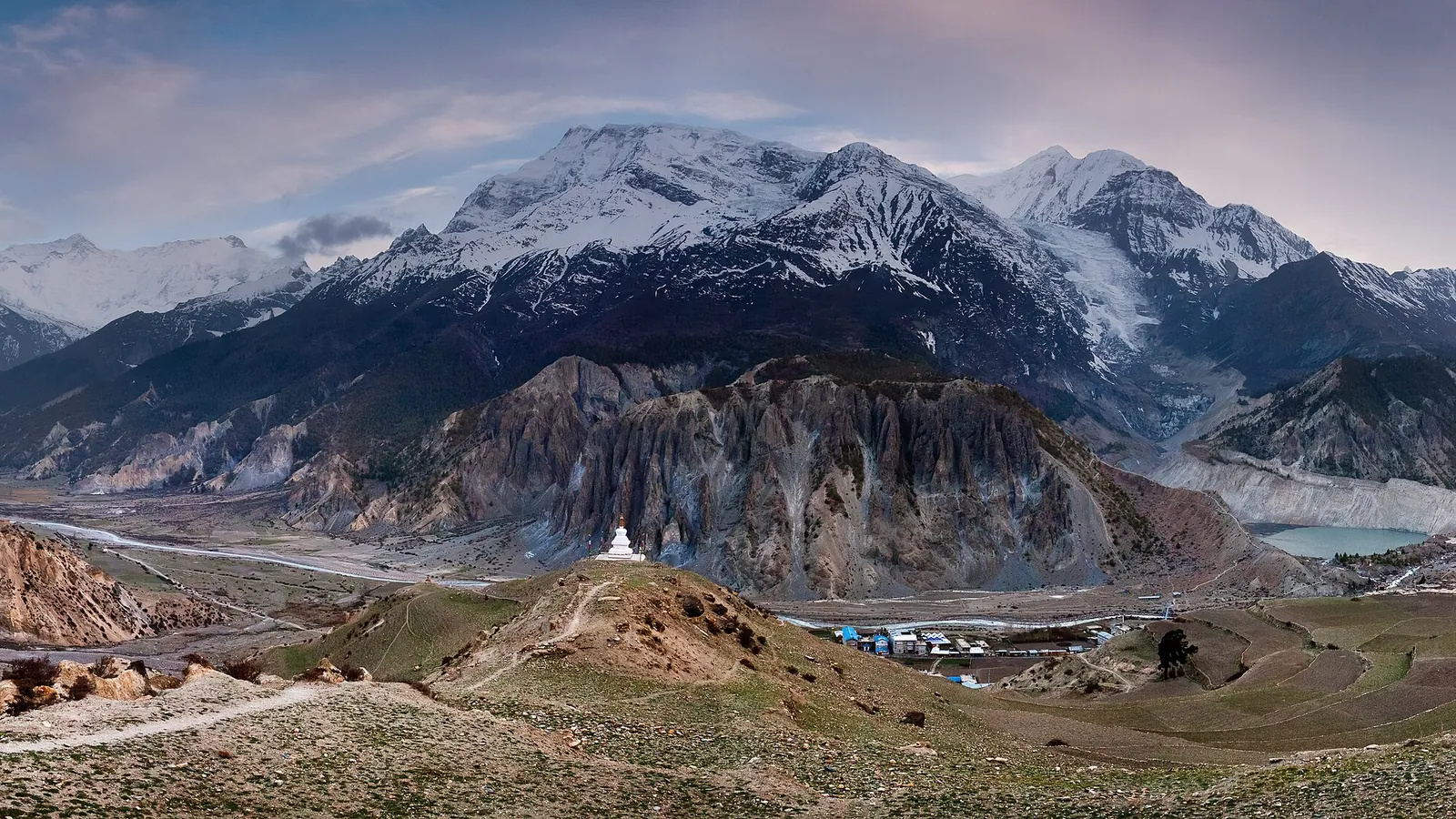
- Muktinath: a temple at about 3,710 metres in the Mustang region, sacred to both Hindus and Buddhists, with 108 water spouts. Reached by flight to Jomsom and a drive, or by road; take altitude seriously.
- Lumbini: the birthplace of Siddhartha Gautama, the Buddha, a UNESCO World Heritage Site with the Maya Devi Temple, an Ashoka pillar and monasteries built by Buddhist nations from around the world.
- Janakpur: the birthplace of Sita, with the grand Janaki Mandir.
- Manakamana: a hilltop temple reached by cable car, between Kathmandu and Pokhara.
Festivals worth planning around
- Dashain (September or October): Nepal's biggest festival, celebrating the victory of good over evil, with family gatherings, kite flying and bamboo swings.
- Tihar (October or November): Nepal's festival of lights, celebrated around the same time as Diwali, with a day each for crows, dogs, cows and brothers, when homes glow with oil lamps.
- Maha Shivaratri (February or March): tens of thousands of devotees and sadhus gather at Pashupatinath.
- Buddha Jayanti (April or May): celebrations at Lumbini, Boudhanath and Swayambhunath mark the Buddha's birth.
- Indra Jatra (September): Kathmandu's street festival, when the living goddess Kumari is carried through the old city in a chariot.
Food in Nepal
Nepali food will feel familiar and comforting. Dal bhat, lentils with rice, vegetable curry, pickles and greens, is the national meal, usually with free refills; trekkers say "dal bhat power, 24 hour". Momos, steamed dumplings with vegetable or paneer filling and spicy tomato chutney, are everywhere. Try Newari food in the Kathmandu valley, such as bara lentil pancakes, chatamari rice crêpes and juju dhau yoghurt; Tibetan thukpa noodle soup; and Thakali thalis in Pokhara. Indian food and vegetarian options are available everywhere.
How much does a Nepal trip cost?
- Return flights: typically ₹10,000 to ₹25,000 per person from Delhi; road travel is much cheaper.
- Kathmandu to Pokhara flight: roughly ₹5,000 to ₹10,000 one way; tourist buses cost far less.
- Hotels: ₹2,000 to ₹5,000 per night for good mid-range hotels; luxury lakeside and heritage hotels cost more.
- Chitwan safari package: ₹5,000 to ₹12,000 per person for a night with activities.
- Paragliding: roughly ₹6,000 to ₹10,000 per person.
- Food: ₹800 to ₹2,000 per person per day.
A comfortable 7-day Nepal trip typically costs ₹35,000 to ₹65,000 per person including flights, hotels, transport, activities and food.
Practical tips
- Currency: Indian rupees are widely accepted, and the exchange rate is fixed at roughly 1.6 Nepali rupees to one Indian rupee. Rules on larger Indian notes have changed over the years, so carry smaller notes and check before you go.
- Mobile: Indian SIMs may work on roaming at high cost; buy a local Ncell or Nepal Telecom SIM.
- Respect temples: walk clockwise around stupas, remove shoes, and ask before photographing people and rituals.
- Roads: mountain roads are winding and slow; carry motion sickness medicine.
- Altitude: for treks and Muktinath, ascend gradually and watch for headaches and nausea.
- Air pollution: Kathmandu can be dusty; a mask helps.
Mistakes to avoid
Carrying only Aadhaar. Bring a passport or voter ID.
Underestimating road times. 200 kilometres can take seven hours. Fly where time is short.
Visiting in the monsoon for mountain views. The Himalaya is often hidden by clouds from June to September.
Trekking without a guide or permits. Many regions now require licensed guides; it is also safer.
Who a Nepal trip suits
Families enjoy the boat rides, safaris and familiar food. Couples love Pokhara's lakeside and mountain resorts. Adventurers come for paragliding, rafting and trekking. Pilgrims visit Pashupatinath, Muktinath, Lumbini and Janakpur. Older parents appreciate the short flights and gentle sightseeing, with care at altitude.
Plan your Nepal trip with The Vacation Code
A Nepal trip combines mountains, temples, jungle and adventure, all just a short flight away. Our team can arrange hotels, flights, safaris, treks and pilgrimages. For more Himalayan journeys, read our Bhutan trip guide, explore our Hampta Pass trek and Leh Ladakh expedition, see our list of visa free countries for Indians, or browse all our tours.
Frequently asked questions
Do Indians need a visa or passport for a Nepal trip?
Indians do not need a visa for Nepal. Adults can travel with a valid Indian passport or voter ID card. Aadhaar is not always accepted for air travel, so carry a passport or voter ID.
How much does a 7-day Nepal trip cost?
A comfortable 7-day Nepal trip typically costs 35,000 to 65,000 rupees per person, including flights, hotels, transport, activities and food.
What is the best season for a Nepal trip?
October to November offers the clearest mountain views and best trekking weather. March to April is also good, with rhododendrons in bloom.
Is Indian currency accepted in Nepal?
Yes, Indian rupees are widely accepted at a fixed exchange rate. Rules on larger Indian notes have changed over time, so carry smaller denominations.
What is the easiest trek in Nepal for beginners?
The Poon Hill trek from Pokhara, taking three to five days, is the most popular beginner trek, with superb views of the Annapurna and Dhaulagiri ranges.
Can I travel to Nepal by road from India?
Yes. Popular crossings include Sonauli to Bhairahawa, Raxaul to Birgunj and Panitanki to Kakarbhitta. Road travel is cheaper but slow.
How far is Pokhara from Kathmandu?
Pokhara is about 200 kilometres from Kathmandu, roughly six to seven hours by road or a 25-minute flight.