📌 In this guide21 sections
- A short history of Ooty
- Best time for an Ooty trip
- How to reach Ooty
- Riding the Nilgiri toy train
- A 3-day Ooty and Coonoor itinerary
- More places around Ooty
- Food in Ooty
- The Toda people of the Nilgiris
- Ooty with children
- The Ooty Flower Show and summer festival
- Shopping in Ooty
- The drive from Mysore through the forests
- Ooty, Coonoor or Kotagiri?
- Where to stay
- Getting around
- How much does an Ooty trip cost?
- Who an Ooty trip suits
- What to pack
- Tips and mistakes to avoid
- Plan your Ooty trip with The Vacation Code
- Frequently asked questions
An Ooty trip always seems to start with a whistle. The little blue toy train sighs and hisses at the platform, steam curling from the locomotive, and then lurches forward into the Nilgiri hills. For the next few hours you climb slowly through tunnels and over bridges, past waterfalls, eucalyptus forests and tea gardens that tumble down the slopes in neat green rows, while the air grows cooler and fresher with every bend. When you finally step out at Udhagamandalam, wrapped in a light jacket in the middle of summer, you understand why the British called it the Queen of Hill Stations.
Ooty, officially Udhagamandalam, sits at about 2,240 metres in the Nilgiri hills of Tamil Nadu, where the Western and Eastern Ghats meet. It became the summer capital of the Madras Presidency in the 19th century, and today it remains one of South India's most popular hill stations, with colonial bungalows, botanical gardens, lakes, tea estates and the UNESCO-listed Nilgiri Mountain Railway. Nearby Coonoor and Kotagiri offer quieter hill-town charm and spectacular viewpoints.
This Ooty trip guide covers the best time, how to get there, the toy train, a 3-day itinerary including Coonoor, food, where to stay, costs and tips.
A short history of Ooty
The Nilgiris have long been home to indigenous communities such as the Toda, known for their distinctive barrel-roofed huts and embroidered shawls, and the Badaga and Kota peoples. In the early 19th century, John Sullivan, a British collector, developed Ooty as a hill retreat, and it grew into a summer capital with clubs, churches, schools and bungalows. Tea cultivation spread across the hills, and the Nilgiri Mountain Railway, completed in 1908, connected the plains to the hills. The railway became part of the UNESCO World Heritage Site "Mountain Railways of India" in 2005.
Best time for an Ooty trip
- March to June: the peak season, with pleasant weather around 15 to 25°C, perfect for escaping the summer heat. The famous flower show at the Botanical Garden is held in May.
- October to November: post-monsoon greenery, fewer crowds and clear skies.
- December to February: cold, with frost on some mornings and temperatures near freezing; beautiful but chilly.
- July to September: monsoon, with mist, heavy rain at times and occasional landslides, but very green and quiet.
How to reach Ooty
- By train: take a train to Mettupalayam or Coimbatore, then the Nilgiri Mountain Railway toy train to Ooty.
- By air: Coimbatore airport is about 85 to 90 kilometres away, roughly three hours by road.
- By road from Bengaluru: about 270 kilometres via Mysore, through the Bandipur and Mudumalai forests, around six to seven hours. The Kalhatty route has 36 hairpin bends; the Gudalur route is gentler.
- Forest roads: the highway through Bandipur and Mudumalai tiger reserves may close to traffic at night; plan to cross in daylight.
Riding the Nilgiri toy train
The Nilgiri Mountain Railway runs from Mettupalayam to Ooty via Coonoor, climbing about 46 kilometres. The lower section to Coonoor uses a rack-and-pinion system, the only one in India, because of the steep gradient, and it is still worked by steam locomotives. The full journey takes about five hours uphill, passing through 16 tunnels and more than 200 bridges. Seats sell out quickly, so book well in advance. If you cannot get tickets for the full route, the Coonoor to Ooty section is shorter and easier to book. Read more in our list of the world's most scenic train journeys.
A 3-day Ooty and Coonoor itinerary
Day 1: Arrive by toy train, Ooty Lake
Ride the toy train up from Mettupalayam, or drive up and ride the section from Ooty to Coonoor another day. In the afternoon, take a boat on Ooty Lake, an artificial lake created in 1824 and surrounded by eucalyptus trees, and stroll through the nearby Deer Park. In the evening, explore the market and try homemade chocolates.
Day 2: Ooty sightseeing
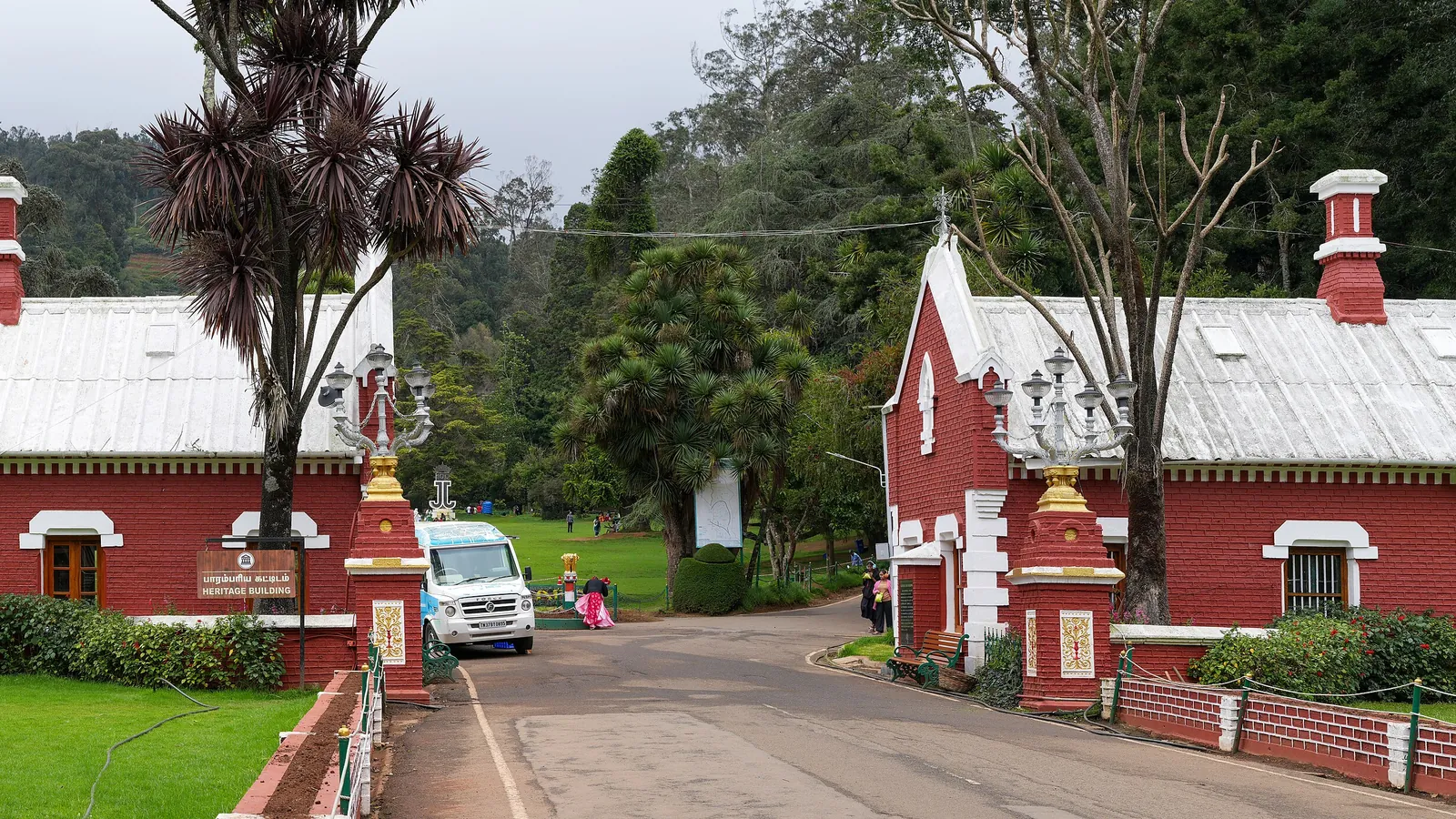
Visit the Government Botanical Garden, laid out in 1848, with terraced lawns, a fossilised tree trunk said to be millions of years old, rare plants and a Toda hut. Walk through the Rose Garden, one of the largest in India, with thousands of varieties.
Drive up to Doddabetta Peak, at about 2,637 metres the highest point in the Nilgiris, for panoramic views. Visit a tea factory and museum to see how Nilgiri tea is processed and taste fresh brews.
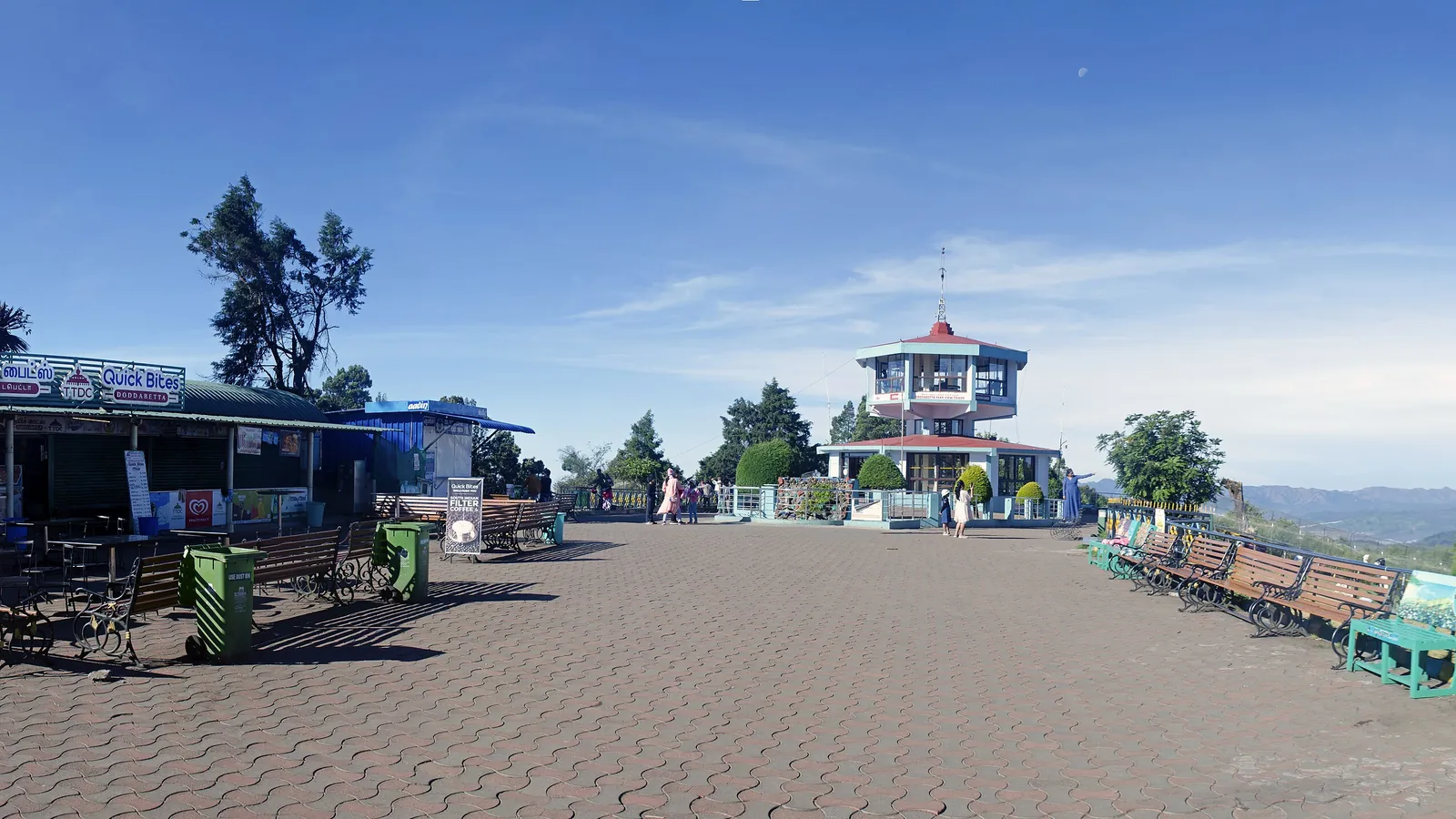
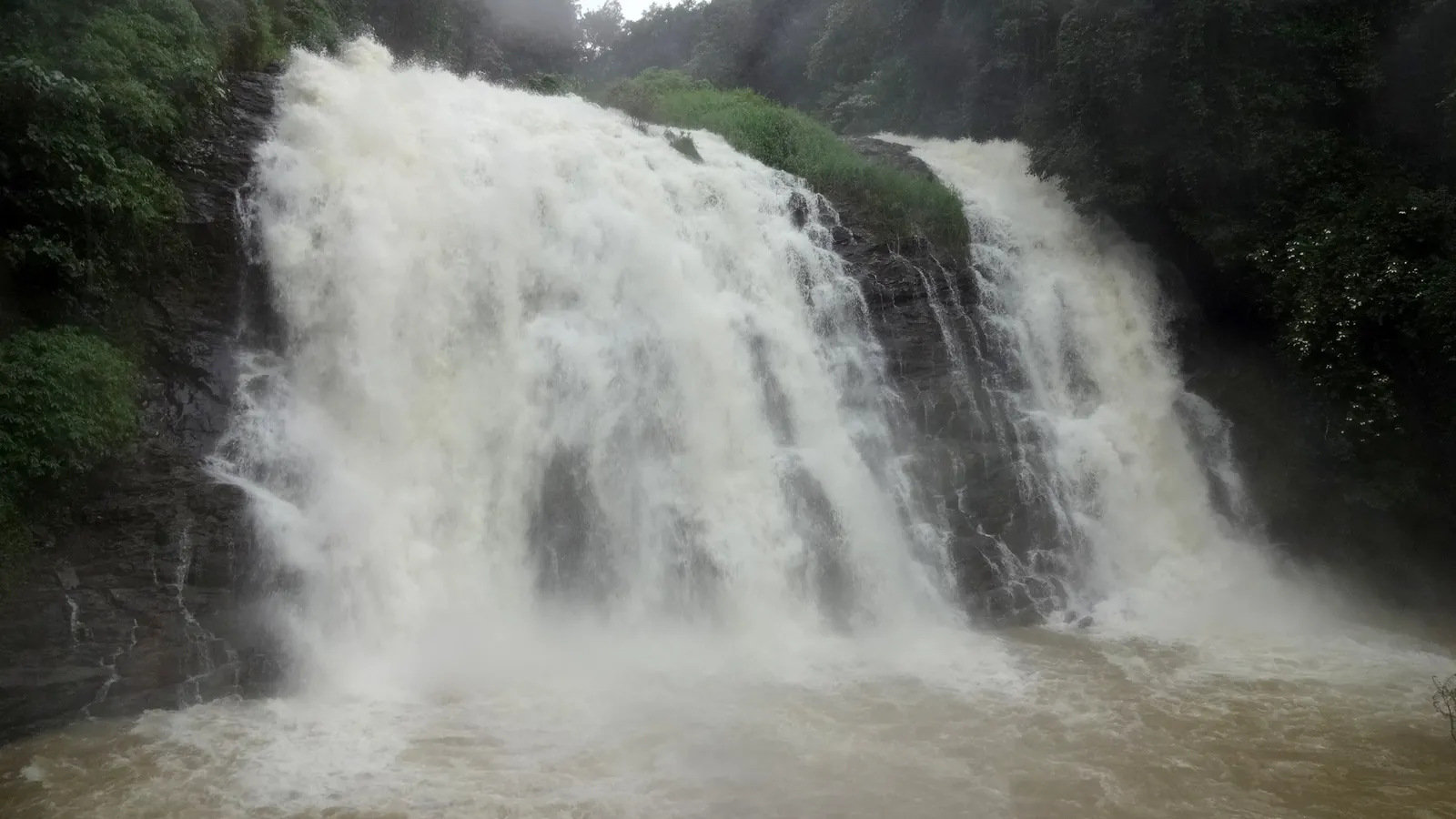
In the afternoon, head out to Pykara, about 20 kilometres away, for the Pykara Falls and a boat ride on Pykara Lake, and visit the Shooting Point meadows, where many films have been shot.
Day 3: Coonoor
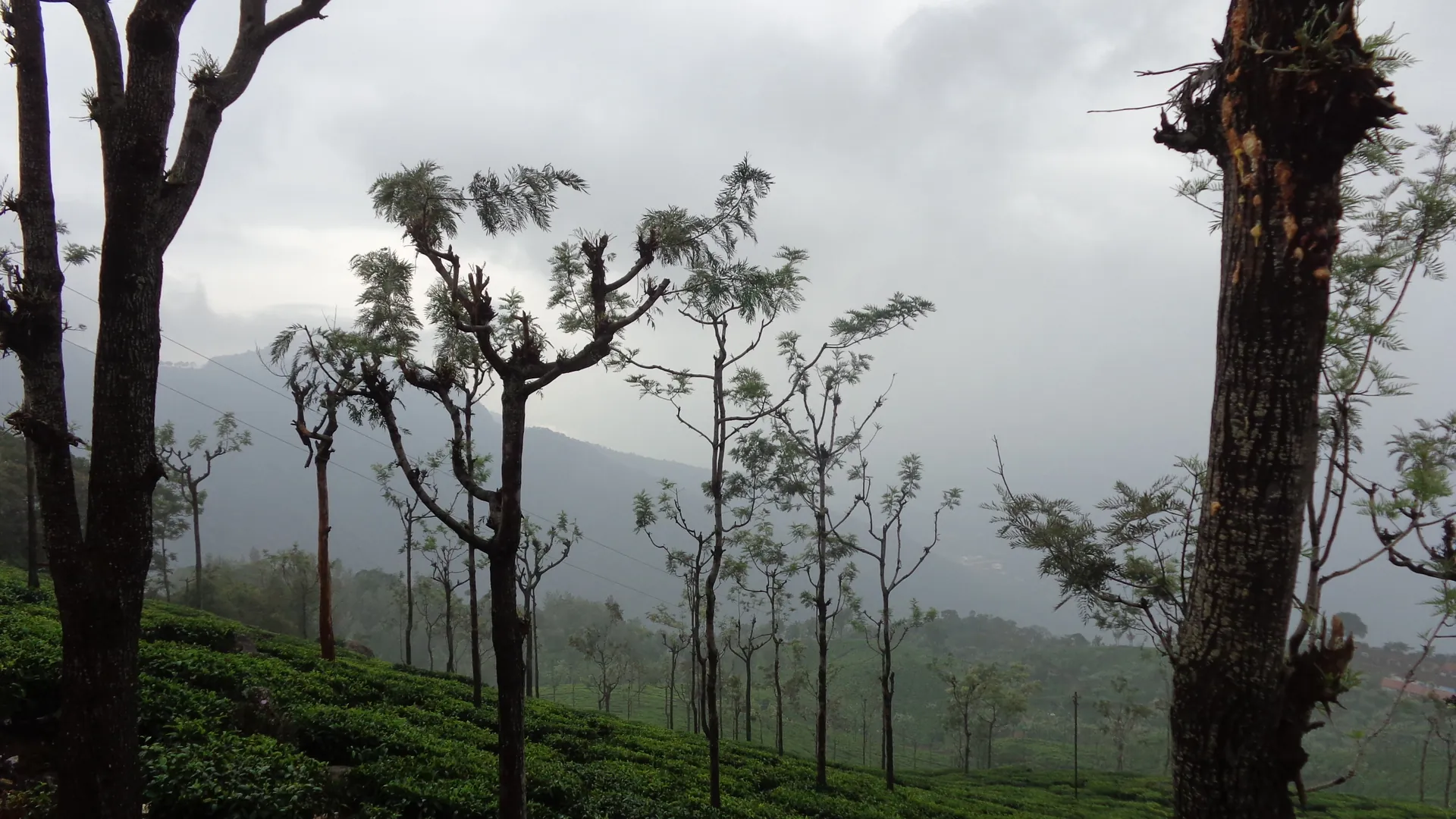
Drive about 20 kilometres to Coonoor, a quieter hill town surrounded by tea estates. Visit Sim's Park, a botanical garden in a ravine, and the viewpoints of Dolphin's Nose, overlooking the Catherine Falls, and Lamb's Rock, with views down to the plains of Coimbatore. Walk through a tea estate, and ride the toy train between Coonoor and Ooty if you have not already.
More places around Ooty
- Kotagiri: the oldest hill station in the Nilgiris, with Catherine Falls, Kodanad viewpoint and quiet tea estates.
- Avalanche and Emerald lakes: serene lakes surrounded by forests and shola grasslands.
- Mudumalai Tiger Reserve: about 60 kilometres away, for jeep safaris and wildlife.
- Masinagudi: jungle resorts near Mudumalai.
- Upper Bhavani: a remote reservoir in pristine shola forest, accessible with permits.
Food in Ooty
Ooty's cool climate suits comforting food. Try the famous homemade chocolates sold all over town, varkey (a flaky, crisp biscuit from Coonoor and Ooty), hot Nilgiri tea, fresh carrots and strawberries from local farms, and warming South Indian meals. The town has plenty of North Indian, Chinese and continental restaurants, and old bakeries with cakes and pastries. Buy tea, eucalyptus oil and chocolates as souvenirs.
The Toda people of the Nilgiris
The Toda are one of the indigenous communities of the Nilgiri hills, traditionally buffalo herders, known for their unique half-barrel-shaped huts called munds and their distinctive red, black and white embroidered shawls, called poothkuli, which have a Geographical Indication tag. The Badaga, the largest community in the Nilgiris, are known for tea farming, and the Kota for crafts and music. Buying Toda embroidery directly from cooperatives supports the community.
Ooty with children
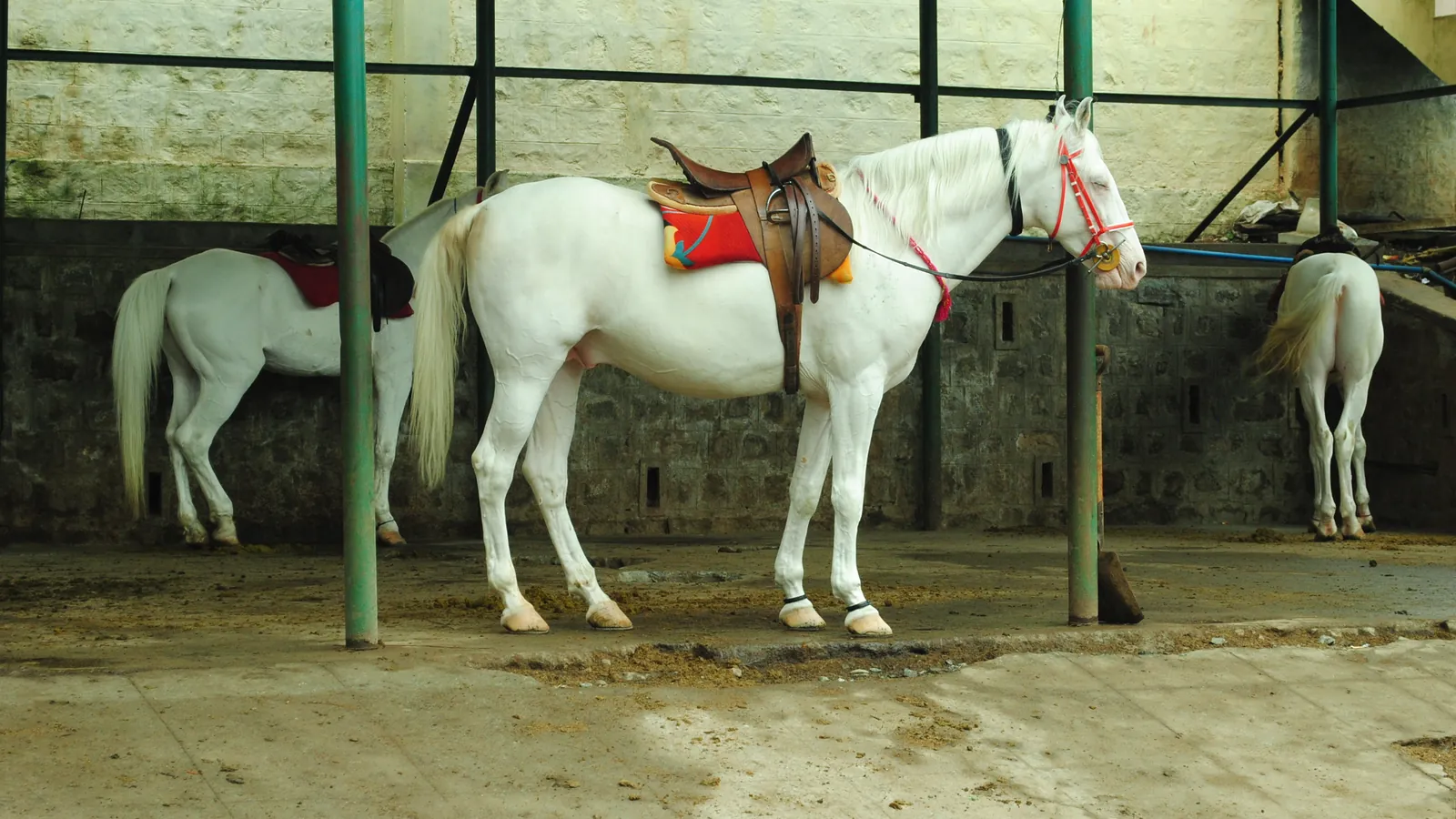
Ooty is one of South India's best family hill stations. Children love the toy train, pedal boats on Ooty Lake, pony rides, the Deer Park, the Thread Garden, and the Wax World museum. The cool weather makes long walks through the gardens pleasant, and chocolate shops are a guaranteed hit.
The Ooty Flower Show and summer festival
Every May, the Ooty Flower Show at the Government Botanical Garden displays lakhs of flowers arranged into huge sculptures and designs, as part of the summer festival, which also includes a rose show, a vegetable show in Kotagiri and a fruit show in Coonoor. It is spectacular, but also the busiest time to visit, so book early.
Shopping in Ooty
- Nilgiri tea from factories and estates.
- Homemade chocolates and varkey biscuits.
- Eucalyptus oil and aromatic oils.
- Toda embroidery and woollens.
The drive from Mysore through the forests
The road from Mysore to Ooty passes through Bandipur and Mudumalai tiger reserves, where elephants, deer, peacocks and sometimes gaur are often seen from the highway. Drive slowly, never stop to feed or disturb animals, and cross the forests in daylight, as night traffic is restricted. After Mudumalai, you can climb to Ooty via the steep Kalhatty Ghat with its 36 hairpin bends, or the longer but gentler route via Gudalur.
Ooty, Coonoor or Kotagiri?
- Ooty: the most attractions, hotels, restaurants and activities, but also the most crowds.
- Coonoor: quieter, surrounded by tea estates, with great viewpoints and colonial bungalows.
- Kotagiri: the oldest and calmest of the three, ideal for a peaceful retreat and nature walks.
Many travellers stay in Coonoor or Kotagiri and visit Ooty for sightseeing.
Tip: Ooty town can get congested on weekends and during the summer season. Start sightseeing early, park once and walk around the lake and market area, and visit Doddabetta first thing in the morning before clouds roll in and hide the views.
Where to stay
- Ooty town: hotels and heritage bungalows near the lake and market.
- Coonoor: colonial bungalows and tea estate stays with valley views.
- Kotagiri: quiet homestays and resorts.
- Masinagudi: jungle resorts for wildlife lovers.
Hotels on the outskirts, along the Coonoor or Kotagiri roads, are quieter and often have better views than those in the centre of town. They suit travellers with their own car, while those relying on taxis and the toy train may prefer to stay closer to Charing Cross or the railway station.
Getting around
- Taxis: the easiest way to cover sightseeing spots.
- Toy train: between Ooty and Coonoor.
- Buses: connect Ooty with Coonoor, Kotagiri and nearby towns.
- Walking: the lake, market and botanical garden are close to the town centre.
How much does an Ooty trip cost?
- Travel from Bengaluru or Coimbatore: ₹500 to ₹6,000 each way depending on bus, train or taxi.
- Toy train: modest fares, with first class and second class options; book early.
- Hotels: ₹2,500 to ₹6,000 per night mid-range; heritage and luxury stays ₹8,000 and up.
- Taxi for local sightseeing: ₹2,500 to ₹4,000 per day.
- Food: ₹600 to ₹1,500 per person per day.
A 3-day Ooty trip typically costs ₹10,000 to ₹25,000 per person, including travel, stay, local transport and food.
Who an Ooty trip suits
Families love the toy train, boat rides and gardens. Honeymooners enjoy the cool weather and tea estate bungalows. Older parents appreciate the gentle sightseeing. Nature lovers can add Mudumalai and the shola forests.
What to pack
- Warm layers: a sweater or jacket even in summer, and heavy woollens in winter.
- An umbrella or raincoat.
- Comfortable walking shoes.
- Motion sickness medicine for hairpin bends.
Tips and mistakes to avoid
- Book toy train tickets as soon as reservations open; they sell out fast.
- Avoid peak weekends and long holidays in May if you dislike crowds and traffic.
- Cross the forest roads in daylight; night traffic restrictions apply in the tiger reserves.
- Stay in Coonoor or Kotagiri for a quieter experience.
- Respect plastic restrictions: the Nilgiris district restricts single-use plastics.
Plan your Ooty trip with The Vacation Code
An Ooty trip offers cool air, tea gardens and a ride on one of the world's great mountain railways. Our team can plan transport, stays and toy train bookings. For more South Indian hill escapes, explore our Coorg coffee estate retreat and Kabini jungle safari, read our Kerala trip itinerary, or browse all our tours.
Frequently asked questions
What is the best time for an Ooty trip?
March to June is the peak season with pleasant weather. October and November are green and less crowded, while December to February is cold with occasional frost.
How do I reach Ooty from Bengaluru?
Ooty is about 270 kilometres from Bengaluru via Mysore and the Bandipur and Mudumalai forests, a drive of around six to seven hours.
How long is the Ooty toy train journey?
The Nilgiri Mountain Railway from Mettupalayam to Ooty takes about five hours uphill, covering about 46 kilometres through tunnels and over bridges.
How many days are enough for Ooty?
Two to three days is enough to see Ooty Lake, the Botanical Garden, Doddabetta, Pykara and Coonoor.
Is Coonoor better than Ooty?
Coonoor is quieter, less commercial and surrounded by tea estates, while Ooty has more attractions, hotels and activities. Many travellers visit both.
What is Ooty famous for?
Ooty is famous for the Nilgiri Mountain Railway toy train, tea gardens, the Botanical Garden, Ooty Lake, homemade chocolates and cool weather.
How much does an Ooty trip cost?
A 3-day Ooty trip typically costs 10,000 to 25,000 rupees per person including travel, stay, local transport and food.