📌 In this guide16 sections
- The big picture: typical costs per person
- 1. Flights from India
- 2. The Schengen visa
- 3. Hotels
- 4. Transport: is the Swiss Travel Pass worth it?
- 5. Mountain excursions
- 6. Food costs
- Sample 7-day Switzerland itinerary on a budget
- 15 ways to cut your Switzerland trip cost from India
- Is a group tour cheaper?
- Getting around smartly
- Travelling with parents
- What to pack
- Mistakes that blow the budget
- Plan your Switzerland trip with The Vacation Code
- Frequently asked questions
The Switzerland trip cost from India is the first question almost every Indian traveller asks, usually right after "can we really afford it?" The dream is easy to picture: a red train winding past waterfalls into a valley of wooden chalets, a lake so blue it looks painted, and snow peaks glowing pink at sunset. The fear is just as easy to picture: a ₹900 cup of coffee and a ₹20,000 mountain train ticket.
Here is the honest answer. Switzerland is one of the most expensive countries in the world, and it rewards careful planning more than almost anywhere else. But thousands of Indian families, couples and friends visit every year on sensible budgets, by choosing the right base, the right pass, the right mountain excursions and a few simple money-saving habits. Many find that Switzerland costs less than they feared once they understand where the money goes.
This guide breaks down every part of the Switzerland trip cost from India in 2026: flights, visa, hotels, transport passes, mountain excursions, food and daily spending, with sample budgets for a 7-day trip and 15 proven ways to save. All prices are estimates in rupees and vary with season and exchange rates.
The big picture: typical costs per person
| Expense | Budget | Mid-range |
|---|---|---|
| Return flights | ₹45,000 to ₹60,000 | ₹60,000 to ₹90,000 |
| Schengen visa and insurance | ₹11,000 to ₹16,000 | ₹11,000 to ₹16,000 |
| Hotels (6 nights, sharing) | ₹30,000 to ₹45,000 | ₹50,000 to ₹90,000 |
| Transport pass | ₹20,000 to ₹30,000 | ₹30,000 to ₹45,000 |
| Mountain excursions | ₹10,000 to ₹20,000 | ₹25,000 to ₹40,000 |
| Food (7 days) | ₹14,000 to ₹21,000 | ₹25,000 to ₹40,000 |
That adds up to roughly ₹1,30,000 to ₹1,90,000 per person on a careful budget and ₹2,00,000 to ₹3,20,000 for a comfortable mid-range trip of 7 days, excluding shopping.
1. Flights from India
Most travellers fly into Zurich or Geneva, with direct flights from Mumbai and Delhi and one-stop options via the Gulf or European hubs. Fares are lowest in April, May, September and October, and highest in late May to June and at Christmas. Booking two to four months ahead usually gives the best prices. Consider an open-jaw ticket, flying into Zurich and out of Geneva, or combining Switzerland with Paris or Italy.
2. The Schengen visa
Switzerland is part of the Schengen area. The adult visa fee is €90 plus service charges, and travel insurance with at least €30,000 of medical cover is mandatory. Apply at the embassy of the country where you spend the most nights; for a Switzerland-only trip, apply to Switzerland.
3. Hotels
Accommodation is the biggest variable in the Switzerland trip cost from India.
- Budget: hostels with private rooms, simple guesthouses and apartments cost roughly ₹8,000 to ₹14,000 per night for a double room.
- Mid-range: three and four-star hotels cost roughly ₹15,000 to ₹30,000 per night.
- Luxury: lake-view and mountain resort hotels can cost ₹40,000 to well over ₹1,00,000 per night.
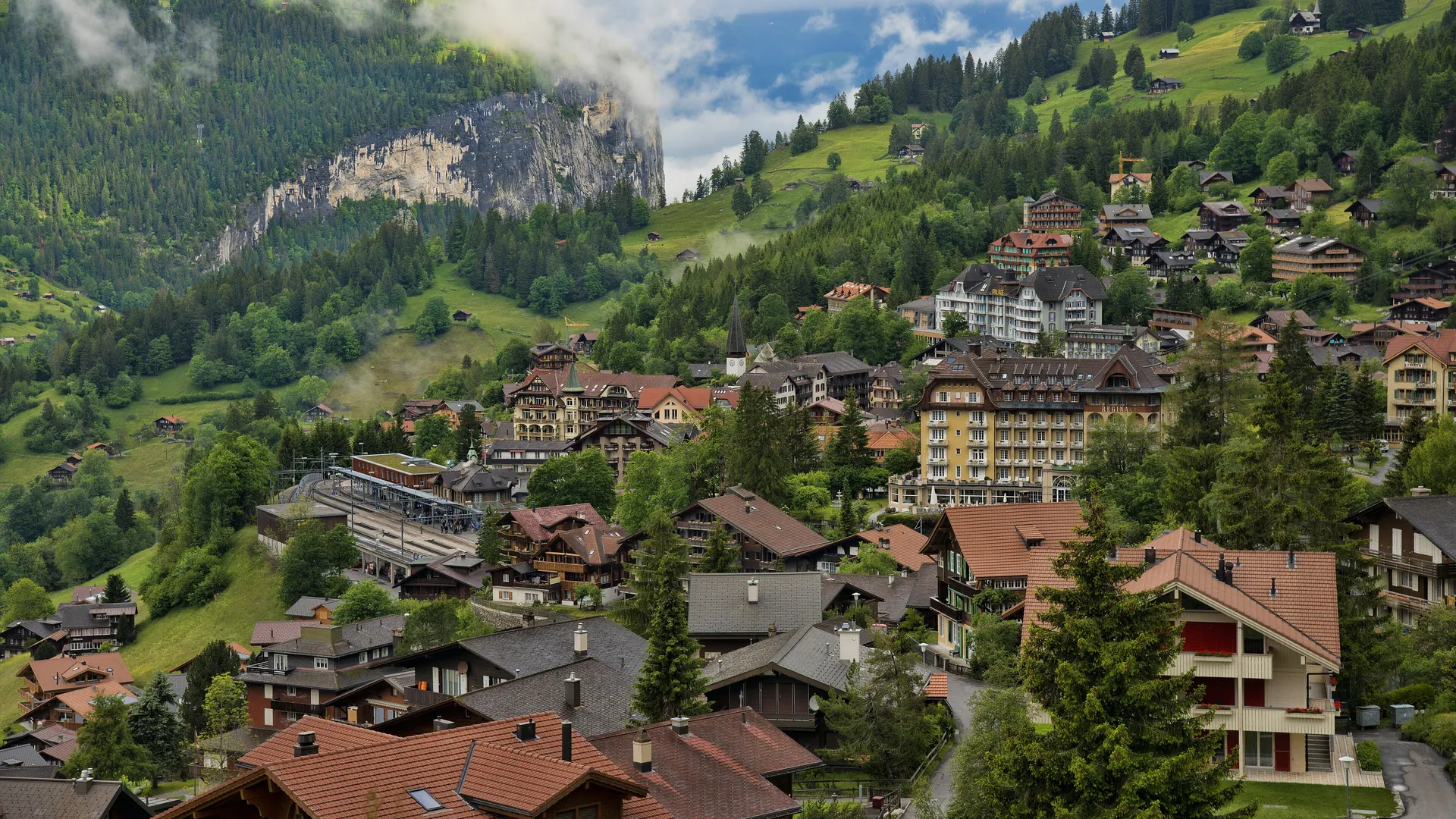
Where to stay to save: Interlaken, Lucerne and smaller towns such as Spiez, Thun or Brienz are cheaper than Zermatt, St. Moritz and Geneva. Apartments with kitchens are a great way for families to save on food.
4. Transport: is the Swiss Travel Pass worth it?
Switzerland's trains, buses and boats are superb, but point-to-point tickets are expensive. The main options are:
- Swiss Travel Pass: unlimited travel on most trains, buses and lake boats for a set number of days (3, 4, 6, 8 or 15), free entry to many museums, and discounts on many mountain railways and cable cars. It also covers many scenic trains, though panoramic trains like the Glacier Express need an extra seat reservation.
- Half Fare Card: 50 percent off most train, bus, boat and many mountain tickets for a month. Good value if you travel less or stay mostly in one area.
- Regional passes: such as the Berner Oberland Pass, which covers many mountain transport options around Interlaken, often better value if you stay in one region.
- Saver Day Passes: discounted day tickets when booked early.
Simple rule: if you move between several cities and do a lot of travelling each day, the Swiss Travel Pass usually pays off. If you stay in one or two bases and focus on mountains, a Half Fare Card or regional pass may be cheaper. Price out your actual itinerary before deciding.
5. Mountain excursions
The famous peaks are often the biggest single expenses of a Swiss trip, so choose wisely.
- Jungfraujoch, "Top of Europe" (3,454 m): the most expensive, often well over ₹20,000 per person at full price, with discounts for pass holders. Spectacular glacier views, the Ice Palace and snow year-round.
- Mount Titlis (about 3,020 m): the revolving Rotair cable car, the Cliff Walk and snow play, very popular with Indian families. Discounted with the Swiss Travel Pass.
- Schilthorn (Piz Gloria): the revolving restaurant from a James Bond film, with views of the Eiger, Mönch and Jungfrau.
- Harder Kulm and First: cheaper options near Interlaken and Grindelwald, with superb views; First has the Cliff Walk, zipline and mountain carts.
- Mount Rigi and Pilatus: near Lucerne, often combined with a lake cruise.
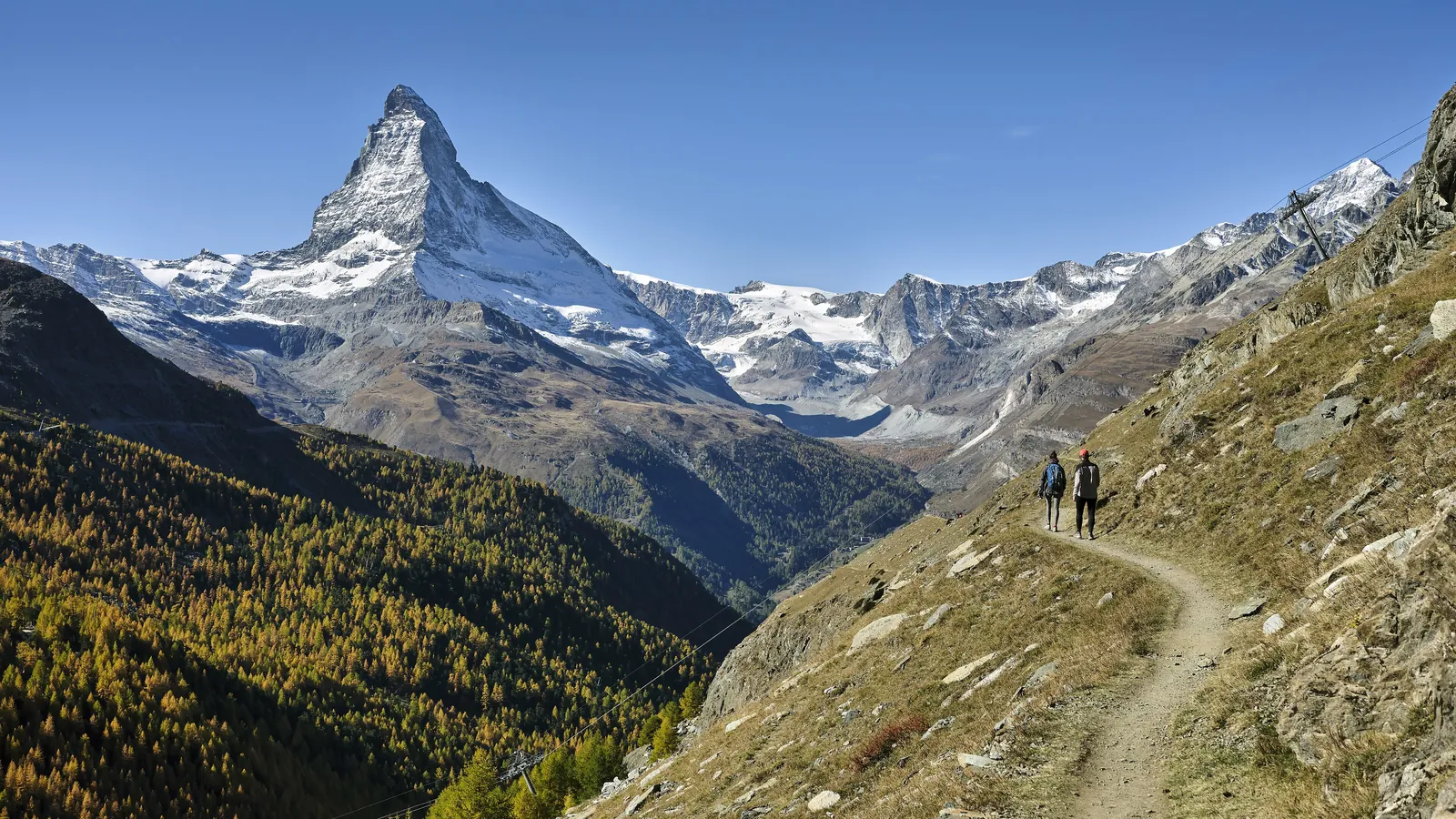
- Gornergrat: the cog railway from Zermatt with views of the Matterhorn.
Tip: choose one "big" summit (Jungfraujoch or Titlis) and one or two cheaper viewpoints. Check the weather webcams in the morning and go on the clearest day.
6. Food costs
- A coffee costs roughly ₹450 to ₹650; a restaurant main course ₹2,000 to ₹3,500; a simple sit-down lunch ₹1,800 to ₹2,500.
- Supermarkets such as Coop and Migros sell ready meals, sandwiches, salads, bread, cheese and fruit at a fraction of restaurant prices.
- Indian restaurants in Interlaken, Lucerne, Zurich and Geneva charge roughly ₹2,000 to ₹3,500 per person for a meal.
- Tap water is excellent and free; fill bottles at public fountains.
Budget travellers can eat for ₹2,000 to ₹3,000 a day by mixing supermarket meals and one restaurant meal; mid-range travellers typically spend ₹4,000 to ₹6,000.
Sample 7-day Switzerland itinerary on a budget
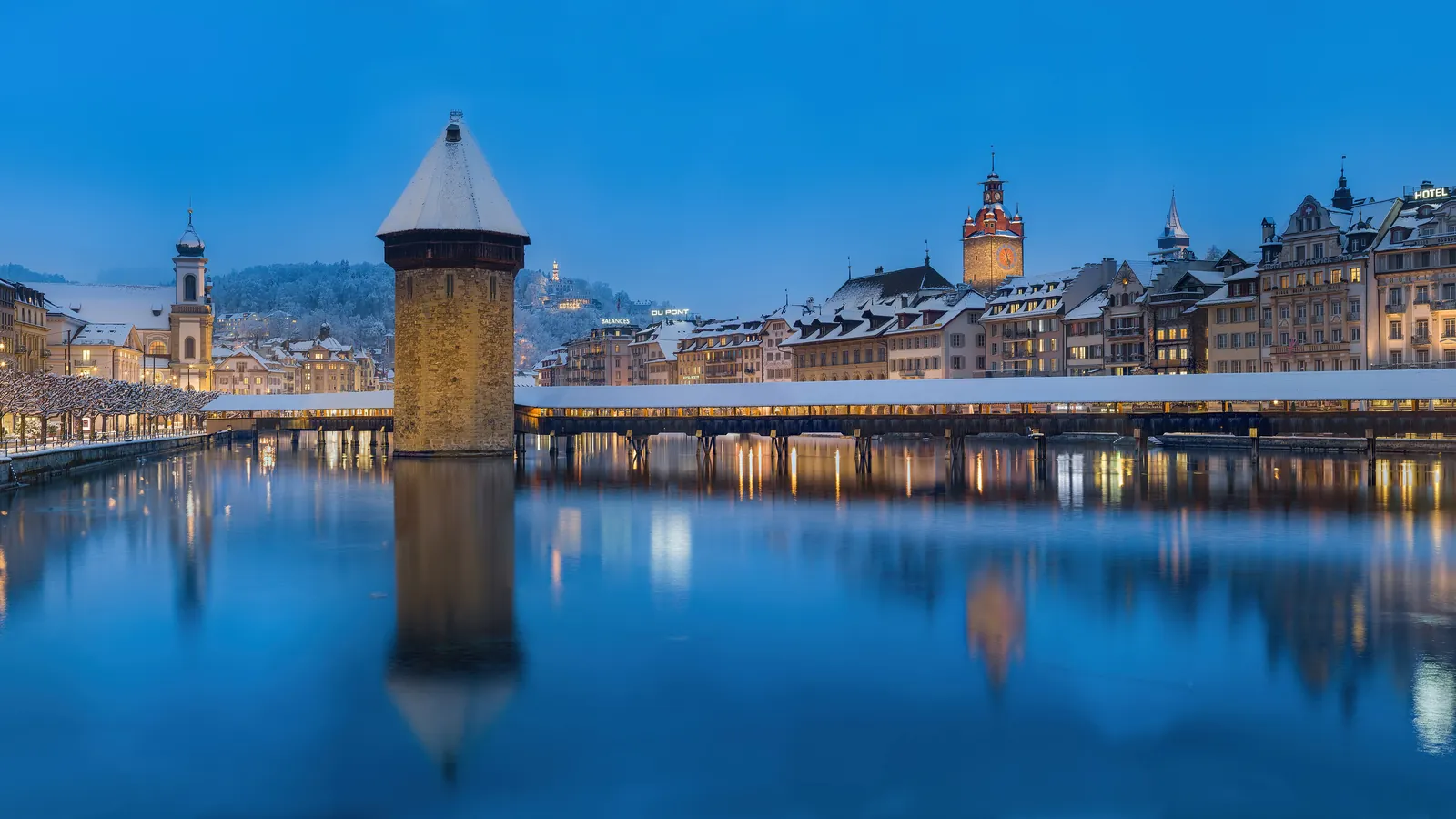
- Day 1: Arrive in Zurich, train to Lucerne. Walk the Chapel Bridge and old town.
- Day 2: Lucerne: Mount Titlis or a Rigi and lake cruise round trip.
- Day 3: Scenic train to Interlaken via the Brünig Pass. Evening at Harder Kulm.
- Day 4: Jungfraujoch, or Grindelwald First for a cheaper alternative.
- Day 5: Lauterbrunnen valley and Mürren, with its waterfalls and car-free village.
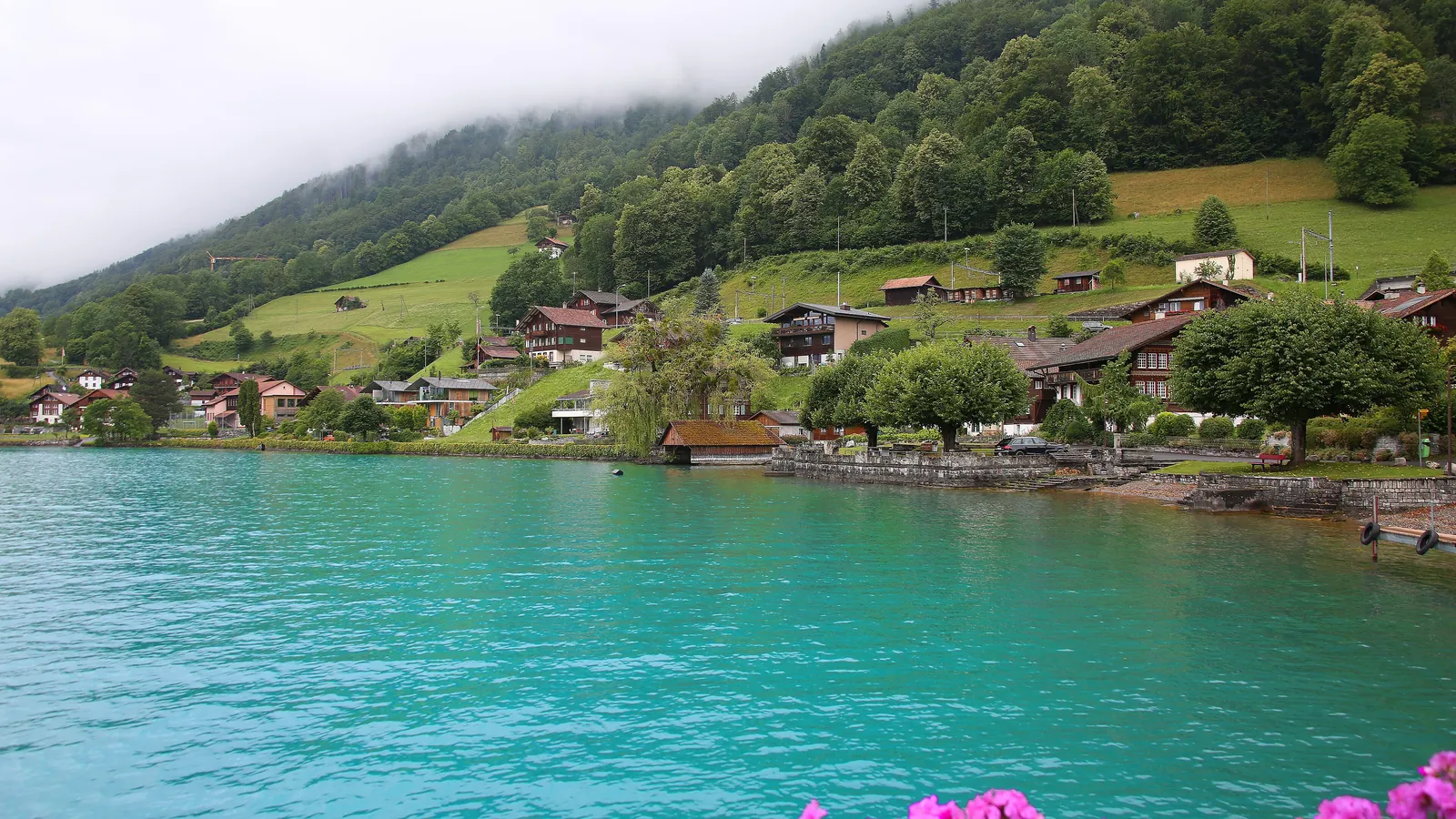
- Day 6: Lake Brienz boat and Iseltwald, or a day trip to Zermatt for the Matterhorn.
- Day 7: Train to Zurich or Geneva and fly home.
15 ways to cut your Switzerland trip cost from India
- Travel in the shoulder season (May, early June, September, October) for cheaper flights and hotels.
- Stay in Interlaken or Lucerne rather than Zermatt or Geneva.
- Book apartments with kitchens for families and groups.
- Compare the Swiss Travel Pass, Half Fare Card and regional passes for your exact itinerary.
- Book Saver Day Passes and super saver tickets early.
- Choose one big mountain, not three.
- Check webcams before paying for a summit on a cloudy day.
- Eat breakfast at the hotel and picnic lunches from Coop or Migros.
- Carry a refillable water bottle.
- Enjoy free sights: lakes, waterfalls, old towns, and viewpoints like the Rhine Falls from the riverbank.
- Use lake boats included in your pass as scenic cruises.
- Travel with children under 16 using the free Swiss Family Card with a parent's pass.
- Book flights two to four months ahead, avoiding peak Indian holidays.
- Consider an escorted group tour, which bundles hotels, transport, excursions and Indian meals at group rates.
- Use a forex card in Swiss francs for better exchange rates.
Is a group tour cheaper?
For many Indian families, yes. Group tours negotiate hotel and coach rates, include the Titlis excursion, Indian lunches and dinners, and an Indian tour manager, and remove the need to buy expensive individual train tickets. The trade-off is less flexibility. Our 10-day Europe tour includes Switzerland, Titlis with a summit lunch and much more, and our Switzerland and Paris Romance package suits couples.
Getting around smartly
- Trains run exactly on time, so plan tight connections confidently.
- Use the SBB Mobile app for timetables, tickets and platform information.
- Luggage can be sent ahead between stations for a fee, so you travel light on scenic trains.
- Sit on the right side on many mountain routes for the best views, and check which side faces the lakes.
Travelling with parents
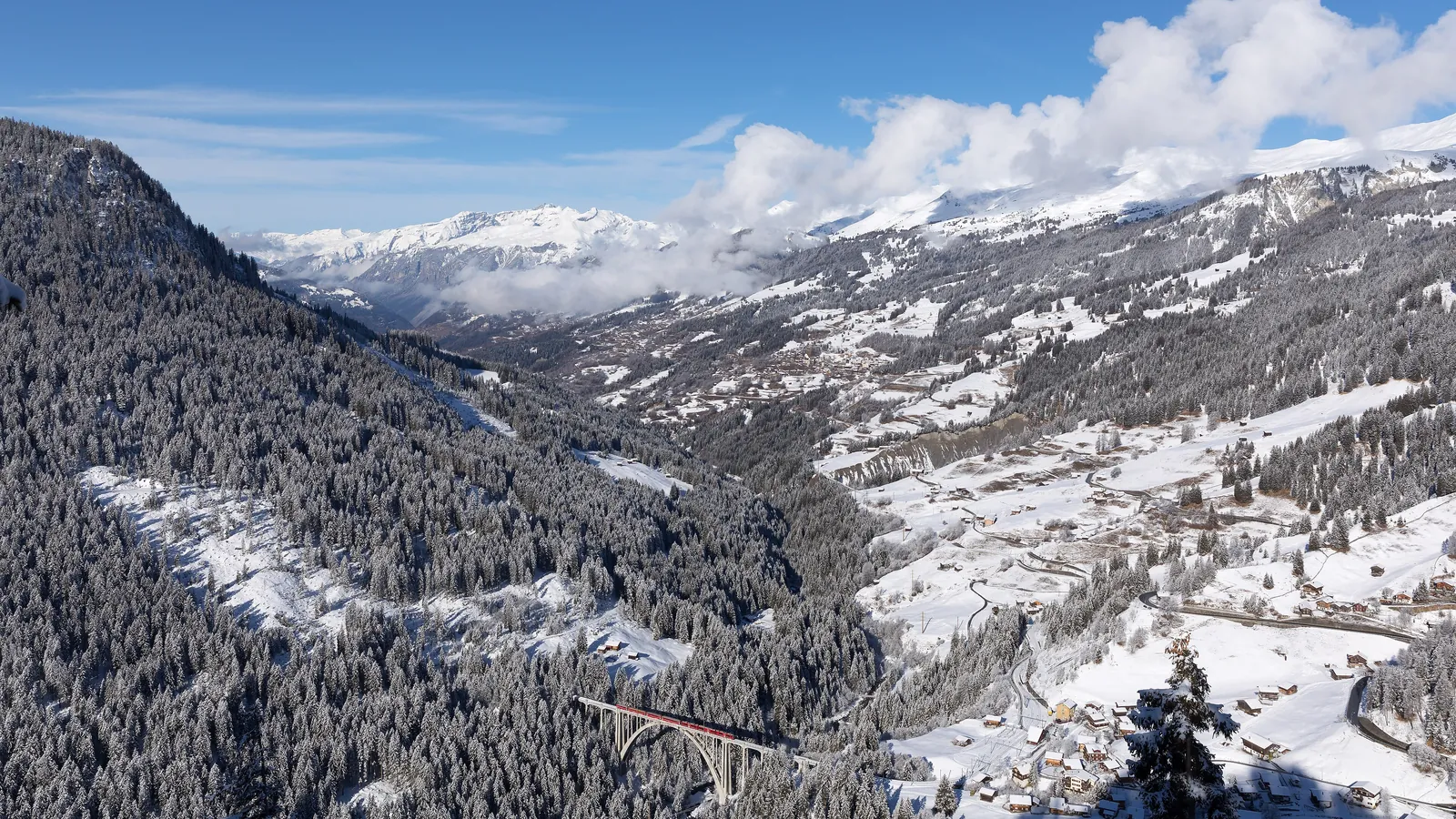
Switzerland is one of the easiest countries in Europe for older travellers. Trains have step-free access, luggage can be sent ahead, and most mountain summits are reached by cable car or railway rather than hiking. Choose hotels near railway stations, plan one excursion a day, and keep afternoons free for lake walks and rest. At high summits such as Jungfraujoch, move slowly because of the altitude.
What to pack
- Layers and a warm jacket; summits are cold and snowy even in summer.
- Sunglasses and sunscreen for glacier glare.
- Comfortable walking shoes with grip.
- A universal adapter; Swiss sockets (Type J) differ from other European plugs.
- Snacks from home for trains and hikes.
Mistakes that blow the budget
Buying point-to-point train tickets every day. Choose a pass or card.
Booking summits in advance without checking the weather. Cloudy summits waste money.
Staying in the most famous resorts. Zermatt and St. Moritz cost far more.
Eating every meal in restaurants. Mix in supermarket picnics.
Plan your Switzerland trip with The Vacation Code
Knowing the real Switzerland trip cost from India lets you plan confidently and enjoy the Alps without surprises. Our team can compare passes, find good-value hotels and build an itinerary that fits your budget. Read our Switzerland and Paris itinerary, our Paris travel guide and our guide to choosing a Europe tour package from India, or browse all our international tours.
Frequently asked questions
How much does a Switzerland trip cost from India?
A 7-day Switzerland trip typically costs about 1,30,000 to 1,90,000 rupees per person on a careful budget, and 2,00,000 to 3,20,000 rupees for a comfortable mid-range trip, including flights, visa, hotels, transport, excursions and food.
Is the Swiss Travel Pass worth it?
It is usually worth it if you travel between several cities on most days. If you stay in one or two bases and focus on mountain excursions, a Half Fare Card or regional pass may be cheaper.
Which is better, Jungfraujoch or Titlis?
Jungfraujoch is higher and more spectacular, with glacier views, but much more expensive. Titlis is cheaper, easier to reach from Lucerne and very popular with families for its revolving cable car and snow.
What is the cheapest time to visit Switzerland?
The shoulder months of May, early June, September and October usually offer lower flight and hotel prices with good weather.
How can I save on food in Switzerland?
Eat hotel breakfasts, buy picnic lunches from Coop or Migros supermarkets, carry a refillable water bottle and limit restaurant meals to once a day.
Is a group tour cheaper than travelling independently in Switzerland?
Often yes, because group tours negotiate hotel and coach rates and include excursions and meals, although independent travel offers more flexibility.
Do children travel free in Switzerland?
Children under 16 can travel free on Swiss public transport with a parent holding a valid ticket or pass, using the free Swiss Family Card.