- Why Bali works so well for Indian honeymooners
- Best time to visit Bali for a honeymoon
- Dry season: April to October
- Wet season: November to March
- Dates to check before you book
- Getting to Bali from India
- Visa, entry rules and the tourist levy
- Where to stay: choosing the right area (or two)
- Ubud: jungle, rice terraces and culture
- Seminyak: stylish, social and close to the beach
- Uluwatu and Jimbaran: cliffs and sunsets
- Nusa Dua: calm, polished and resort-focused
- The private pool villa: what to look for
- Food in Bali for vegetarian and Jain travellers
- A six-day Bali honeymoon itinerary
- Day 1: Arrival and settling in
- Day 2: Ubud's rice terraces, water temple and a swing over the jungle
- Day 3: A slow day, a couple's spa and the Ubud evening
- Day 4: Nusa Penida day trip
- Day 5: Uluwatu cliffs and the Kecak fire dance
- Day 6: Tanah Lot, last shopping and departure
- Experiences worth adding if you have more time
- How much does a Bali honeymoon cost from India?
- Money, SIM cards and getting around
- Cultural etiquette: small things that matter
- What to pack for Bali
- Mistakes Indian couples commonly make in Bali
- Planning your Bali honeymoon with The Vacation Code
- Frequently asked questions about a Bali honeymoon
- How many days are enough for a Bali honeymoon?
- Do Indians need a visa for Bali?
- What is the best month for a Bali honeymoon?
- Is Bali good for vegetarian travellers?
- How much does a Bali honeymoon cost for a couple from India?
- Is Nusa Penida worth visiting on a honeymoon?
There is a moment on almost every Bali honeymoon that couples describe in nearly the same words. It usually happens on the second or third morning. You wake up before your alarm, step out onto a private deck, and the air is already warm and faintly sweet with frangipani. Somewhere below, a woman in a sarong is placing a tiny palm-leaf tray of flowers and incense on a stone step. The pool in front of you is perfectly still. And one of you says, quietly, "We should have come here years ago."
Bali has been the favourite honeymoon destination for Indian couples for more than a decade, and it is not hard to see why. It is close enough that you do not lose two whole days to flying, affordable enough that a private pool villa does not require a second mortgage, and different enough from home that it genuinely feels like an adventure. At the same time, it is strangely familiar. Balinese culture is rooted in a form of Hinduism, so you will see Ganesha statues at villa gates, hear the Ramayana told through dance, and find temples that feel both foreign and faintly like something your grandmother would recognise.
This guide is written for Indian couples planning their first trip to Bali together. It is long, because a honeymoon deserves proper planning, but it is organised so you can jump to what you need: when to go, how to get there, where to stay, what to eat if you are vegetarian or Jain, how much it really costs in rupees, a tested six-day itinerary, and the small mistakes that quietly eat into a trip. By the end you should be able to plan the whole thing yourself, or know exactly what to ask for if you want someone to plan it for you.
Why Bali works so well for Indian honeymooners
Plenty of destinations are beautiful. What makes Bali special for couples from India is the combination of things that rarely come together in one place.
Variety in a small space. Bali is roughly the size of Goa multiplied by one and a half. In a single week you can wake up to jungle and rice terraces in Ubud, spend an afternoon on cliffs above the Indian Ocean in Uluwatu, take a boat to an island with some of the most dramatic coastline in Asia, and end with a candlelit dinner on the sand at Jimbaran. Most honeymoon destinations give you one mood. Bali gives you four or five.
Privacy at a fair price. The private pool villa is the signature Bali experience, and it is far more accessible here than in the Maldives, Mauritius or Thailand. A well-reviewed one-bedroom villa with its own plunge pool, outdoor bathtub and daily breakfast can cost less per night than a standard room in a five-star hotel in Mumbai. For newlyweds who want time alone after weeks of wedding chaos, that privacy matters.
Culture you can actually feel. Every day in Bali seems to involve a ceremony of some kind. Offerings called canang sari appear on pavements, car dashboards and shop counters each morning. Temple festivals spill onto roads with processions of women balancing towering fruit arrangements on their heads. You do not need to seek culture out here. It finds you.
An easy trip for first-time international travellers. Many Indian couples take their first international trip together on their honeymoon. Bali is forgiving. Indians are eligible for a visa on arrival, English is widely spoken in tourist areas, Indian restaurants exist in every major town, and drivers are used to guests from India.

Best time to visit Bali for a honeymoon
Bali sits just south of the equator, so it is warm all year with daytime temperatures between 27 and 32 degrees Celsius. What changes is rainfall and crowd levels, and that affects how much you will enjoy the trip.
Dry season: April to October
This is the best time for a honeymoon. Skies are clear, humidity is lower, the sea is calmer for the Nusa Penida boat crossing, and sunsets at Uluwatu and Tanah Lot are reliably spectacular. The trade-off is crowds. July and August bring European summer holidaymakers and Australian school breaks, so popular spots get busy and villa prices climb. If your wedding dates allow it, May, June and September are the sweet spot: dry weather, fewer people and better villa rates.
Wet season: November to March
The wet season scares people off more than it should. Rain in Bali usually arrives as a heavy afternoon or evening downpour lasting an hour or two, not all-day drizzle. Mornings are often bright. The island is at its greenest, the rice terraces are lush, and villa prices can drop noticeably. The real downsides are rougher seas, which occasionally cancel boat trips to the Nusa islands, and higher humidity. Many Indian couples marry between November and February, so this is a common honeymoon window, and it works well if you keep the itinerary flexible and put indoor experiences such as spa sessions and cooking classes on the rainiest afternoons.
Dates to check before you book
Nyepi, the Balinese Day of Silence, falls in March each year according to the Balinese calendar. For 24 hours the entire island shuts down. The airport closes, nobody is allowed on the streets, and hotels ask guests to stay on the property with lights low. Some couples find it magical. Others are frustrated to lose a day. Just check the date before you finalise flights. Galungan and Kuningan, a ten-day festival that comes around roughly every 210 days, decorates the island with tall bamboo poles called penjor and is a beautiful time to visit.
Getting to Bali from India
Bali's airport is Ngurah Rai International Airport (airport code DPS), just south of Denpasar and about 20 to 40 minutes by road from the main beach areas, traffic permitting.
Most couples fly via one of the major Southeast Asian hubs: Singapore, Kuala Lumpur or Bangkok. Total journey time from Delhi, Mumbai, Bengaluru or Chennai is typically 9 to 13 hours including the connection. Direct flights from some Indian cities have been introduced by Indian carriers in recent years, and where they are available they bring the trip down to around six to seven hours. Schedules change often, so compare both options when you book.
A practical tip that honeymooners appreciate later: choose a flight that lands in Bali in the afternoon or early evening. Immigration queues can be long at peak times, and arriving at 2 a.m. after a wedding and a long flight is not how you want to begin. An evening arrival lets you check in, have a swim and a light dinner, and wake up refreshed.
Visa, entry rules and the tourist levy
Indian passport holders are eligible for Indonesia's Visa on Arrival (VoA), which allows a stay of up to 30 days for tourism. You can buy it at the airport on arrival or apply online in advance as an e-VOA, which saves time at immigration and is what we recommend. The fee is 500,000 Indonesian rupiah per person, which works out to roughly ₹2,600 to ₹2,800 depending on the exchange rate.
Bali also charges a separate tourist levy of 150,000 rupiah per person (around ₹800), which can be paid online before you travel through the official Love Bali portal or app. Keep the QR code on your phone.
Other documents to keep ready:
- A passport valid for at least six months from your arrival date, with blank pages.
- A confirmed return or onward ticket.
- Hotel or villa confirmations for your stay.
- Indonesia's electronic customs declaration, which you can fill in online within a few days of travel.
Rules and fees can change, so always check the latest requirements a week before departure. When you book a package with us, our visa desk sends you an updated checklist and walks you through the e-VOA form.
Where to stay: choosing the right area (or two)
The single most important planning decision for a Bali honeymoon is where you base yourselves. Bali traffic is slow, and couples who stay in one place and try to see the whole island spend half their honeymoon in a car. The smarter approach is to split your stay between two areas with different moods.
Ubud: jungle, rice terraces and culture
Ubud is the cultural heart of Bali, set in the green hills of the island's centre. This is where you find the private pool villas that hang over river gorges, the famous rice terraces of Tegallalang, art markets, yoga studios, and some of the island's best food. Evenings are quiet and romantic rather than lively. For most honeymooners, Ubud is where the magic happens, and we recommend spending at least half your trip here.
Seminyak: stylish, social and close to the beach
Seminyak on the west coast is Bali's chic side. Think beach clubs, boutique shopping, sunset cocktails and a huge choice of restaurants, including several good Indian ones. It suits couples who want some energy and nightlife. The beach itself is wide and good for sunset walks, though the sea can be rough for swimming.
Uluwatu and Jimbaran: cliffs and sunsets
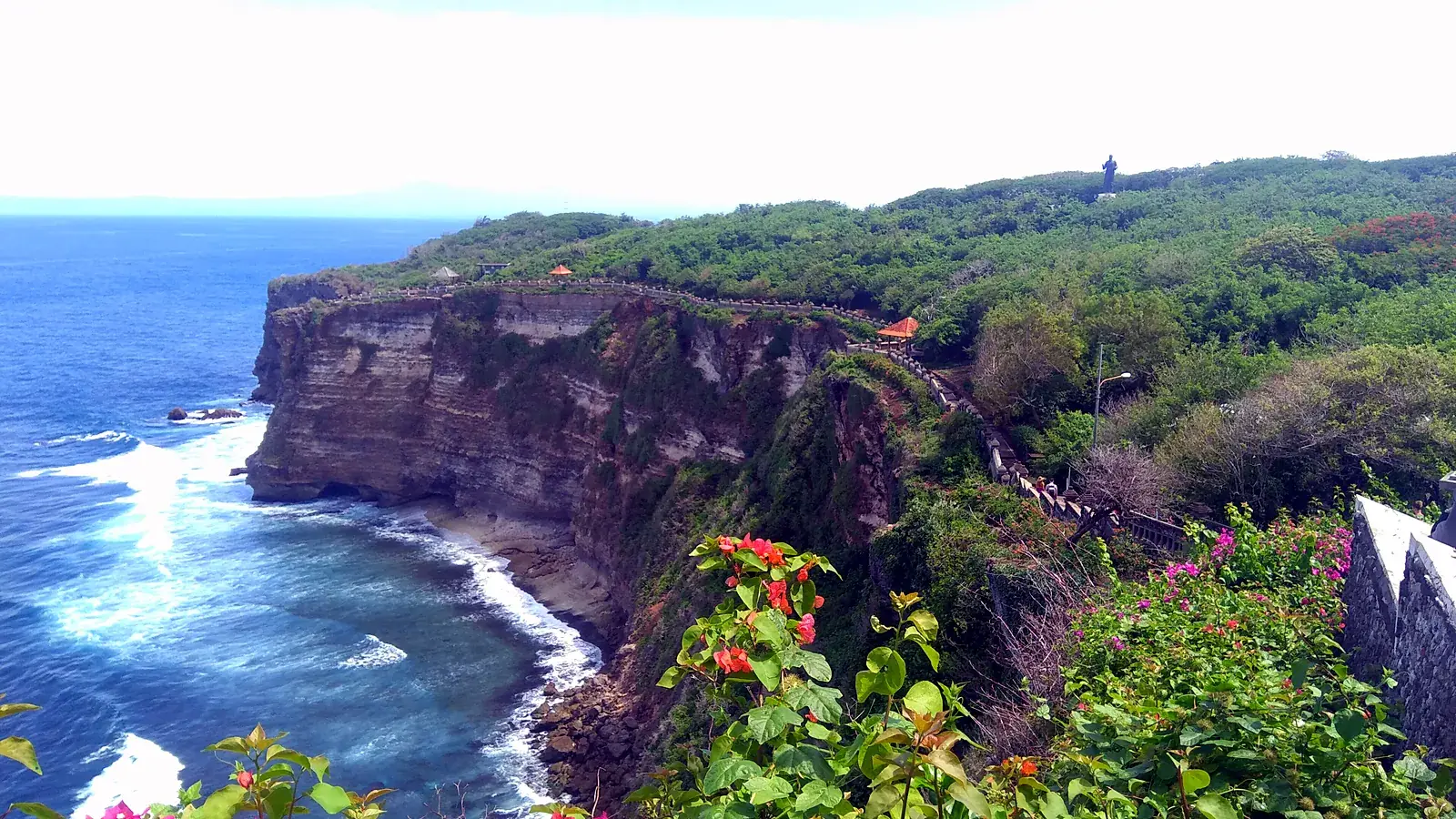
The southern Bukit peninsula has dramatic limestone cliffs, hidden beaches reached by steep staircases, and the cliff-top Uluwatu Temple. Jimbaran Bay nearby is famous for its candlelit dinners on the sand. Resorts here tend to be larger and more luxurious, many with infinity pools that seem to pour straight into the ocean.
Nusa Dua: calm, polished and resort-focused
Nusa Dua is a gated enclave of large international resorts with calm, clean beaches. It is the most manicured part of Bali. It is ideal if you want to do very little except swim and relax, though it feels less Balinese than elsewhere.
Our recommendation for a six-day honeymoon: three nights in a private pool villa in Ubud followed by two nights near the coast in Seminyak or Jimbaran. You get the jungle and the sea, and you only change hotels once.
The private pool villa: what to look for
Not all villas are equal, and the photos online can be very flattering. Here is what separates a truly romantic villa from a merely nice one.
- A genuinely private pool. Some properties advertise "pool villas" where the pool is shared among three or four units. Ask directly whether the pool is exclusive to your villa and whether neighbours can see into it.
- A walled garden. The best villas are enclosed by high walls so you can use the pool and outdoor bathtub in complete privacy.
- Location within the property. A villa at the edge overlooking the valley is far more special than one facing the reception building.
- Air conditioning in the bedroom. Many traditional villas have open-air living areas, which is lovely, but you want a properly closed, cool bedroom at night.
- Distance from town. A villa deep in the rice fields is peaceful but may mean a 20-minute ride for every meal out. That is fine if the villa has a good restaurant or in-villa dining.
- Honeymoon inclusions. Look for a flower bath, a candlelit dinner, a couple's spa treatment and the famous floating breakfast served on a tray in your pool. These add up quickly when bought separately.
Food in Bali for vegetarian and Jain travellers
This is one of the most common worries we hear from Indian couples, and the good news is that Bali is one of the easiest places in Southeast Asia to eat vegetarian.
Balinese cuisine uses plenty of meat and seafood, but vegetables, tofu and tempeh, a firm fermented soybean cake, are everywhere. Dishes worth trying include gado-gado (steamed vegetables with peanut sauce), nasi goreng sayur (vegetable fried rice), mie goreng (fried noodles), tempeh manis (sweet, sticky tempeh) and sayur urab (vegetables with spiced coconut). Always say "no meat, no fish, no shrimp paste" clearly, because terasi, a fermented shrimp paste, is used in many sambals and sauces. The phrase "saya vegetarian" helps, but being specific is better.
Ubud in particular is a paradise for plant-based food. It has dozens of vegetarian and vegan cafés with smoothie bowls, salads, raw desserts and inventive local dishes. Seminyak, Kuta and Ubud all have Indian restaurants serving dal, paneer, rotis and thalis for the days when you simply want familiar food.
For Jain travellers, the challenge is onion, garlic and root vegetables, which are part of most Balinese spice pastes. Villa kitchens are usually happy to cook to instructions if you tell them in advance. When you travel on one of our packages, we brief the villa and restaurants about Jain requirements before you arrive, and we can arrange Indian meals on any day you want them.
A six-day Bali honeymoon itinerary
This itinerary is built around the idea that a honeymoon should feel unhurried. It has one big day out, a few half days, and plenty of time in the villa. Adjust it to your energy levels, and do not feel guilty about skipping something to lie by the pool.
Day 1: Arrival and settling in
Land at Ngurah Rai, clear immigration and meet your driver. The drive to Ubud takes about 75 to 90 minutes, and you will pass stone-carving villages and roadside temples on the way. Check in, take a long swim and have dinner at the villa. Many villas welcome honeymooners with a flower-strewn bed and a bath filled with petals. Go to bed early. You have earned it.
Day 2: Ubud's rice terraces, water temple and a swing over the jungle
Start with the floating breakfast in your pool, which is exactly as photogenic as it looks online. Then head to the Tegallalang Rice Terraces north of Ubud. Go before 9 a.m. to avoid crowds and heat. Walk down into the terraces rather than just photographing them from the road; the paths are steep but manageable in good sandals. Nearby are several jungle swing parks where you can swing out over the valley, a popular photo stop for couples.
After lunch, visit Tirta Empul, a water temple built around a sacred spring where Balinese Hindus bathe for purification. Visitors can join the ritual in a respectful way. You will be given a sarong, and a local guide can explain the order in which to move between the fountains. Many couples say this is the moment that made Bali feel spiritual rather than just scenic. Return to Ubud for a relaxed evening walk through the town.

Day 3: A slow day, a couple's spa and the Ubud evening
Keep this day deliberately light. Sleep in, then take a morning walk along the Campuhan Ridge, a paved path along a grassy ridge between two river valleys. It takes about an hour and is lovely at sunrise. Spend the afternoon on a couple's Balinese massage, which blends long strokes with acupressure and aromatic oils. Ubud has some of the island's best spas, and prices are a fraction of what you would pay at home. In the evening, watch a traditional Legong or Barong dance performance at the Ubud Palace, followed by dinner at one of the town's excellent restaurants.
If you are energetic and early risers, you could instead climb Mount Batur for sunrise. Pick-ups are around 2 a.m., the climb takes about two hours in the dark with a guide, and the view as the sun rises over the caldera and lake is unforgettable. It is a real hike, though, so only do it if you are reasonably fit.
Day 4: Nusa Penida day trip
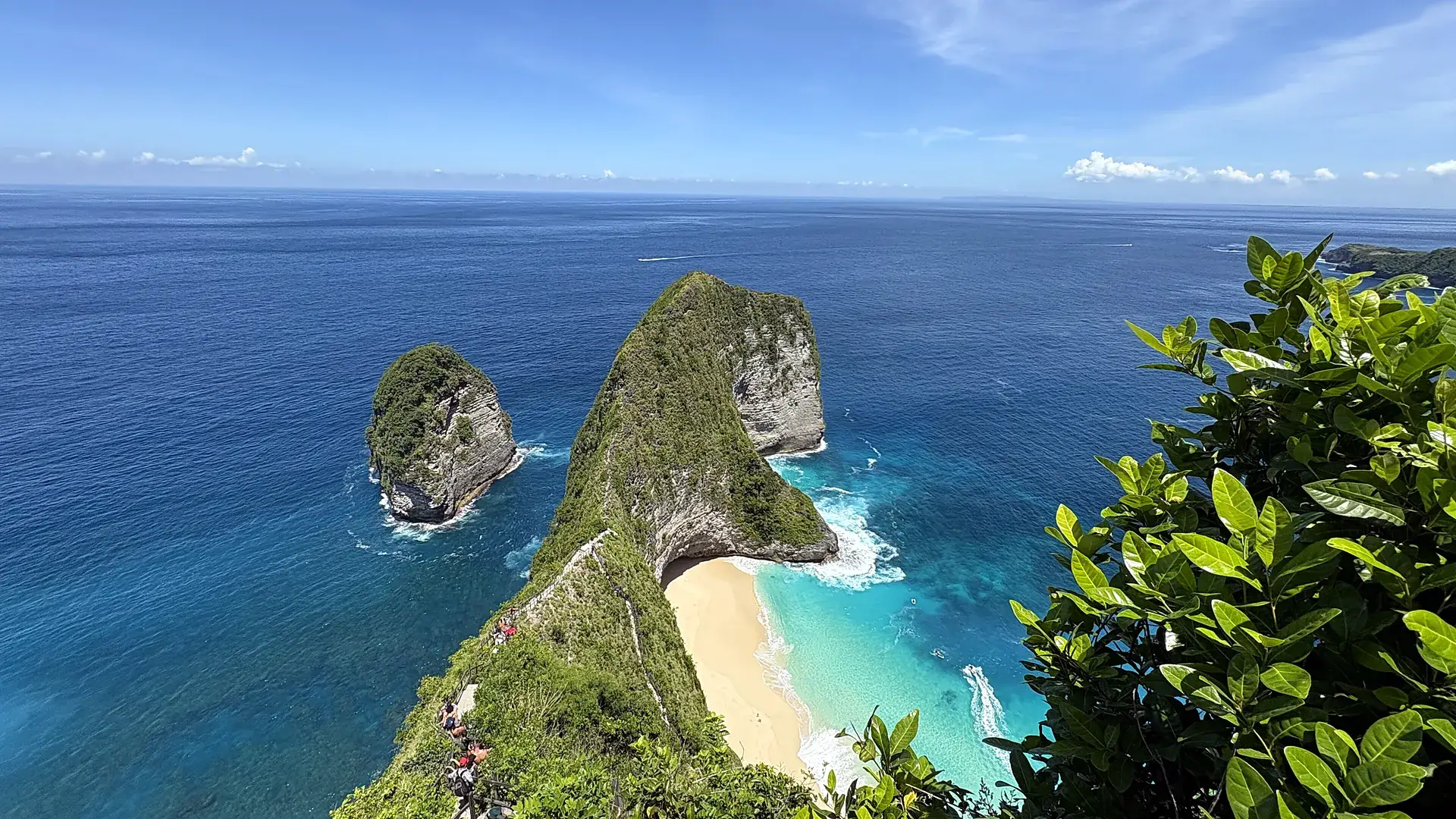
This is the big adventure day. Transfer to Sanur early in the morning and take a fast boat across to Nusa Penida, an island about 40 minutes away. Nusa Penida is wilder and more rugged than Bali, and it is home to Kelingking Beach, the cliff shaped like a T-rex's head that you have probably seen on every Bali advertisement. The viewpoint at the top is breathtaking. The path down to the beach is extremely steep and not recommended unless you are fit and wearing proper shoes.
Other stops usually include Broken Beach, a natural arch around a turquoise pool, and Angel's Billabong, a rock pool at the edge of the ocean. Many tours include snorkelling at spots where you may see manta rays. Roads on Nusa Penida are rough, so expect a bumpy ride, and carry motion-sickness tablets for the boat if either of you is sensitive. Return to Bali by late afternoon and transfer to your beach hotel.
Day 5: Uluwatu cliffs and the Kecak fire dance
Spend the morning by the pool or on the beach. After lunch, drive to the southern cliffs. Visit one of the hidden beaches such as Padang Padang or Suluban, then go to Uluwatu Temple, perched on a cliff about 70 metres above the sea. Watch your sunglasses and phones here, because the resident monkeys are expert thieves.
At sunset, take your seat for the Kecak dance in the open-air amphitheatre next to the temple. Around 70 men sit in circles chanting "cak-cak-cak" in hypnotic rhythm while dancers act out scenes from the Ramayana, including Hanuman setting Lanka on fire, with the ocean turning gold behind them. Indian travellers often find it deeply moving to see an epic they grew up with told in a completely different form. Afterwards, drive down to Jimbaran Bay for a candlelit dinner on the sand. Seafood is the speciality, but every restaurant can prepare vegetarian dishes.
Day 6: Tanah Lot, last shopping and departure
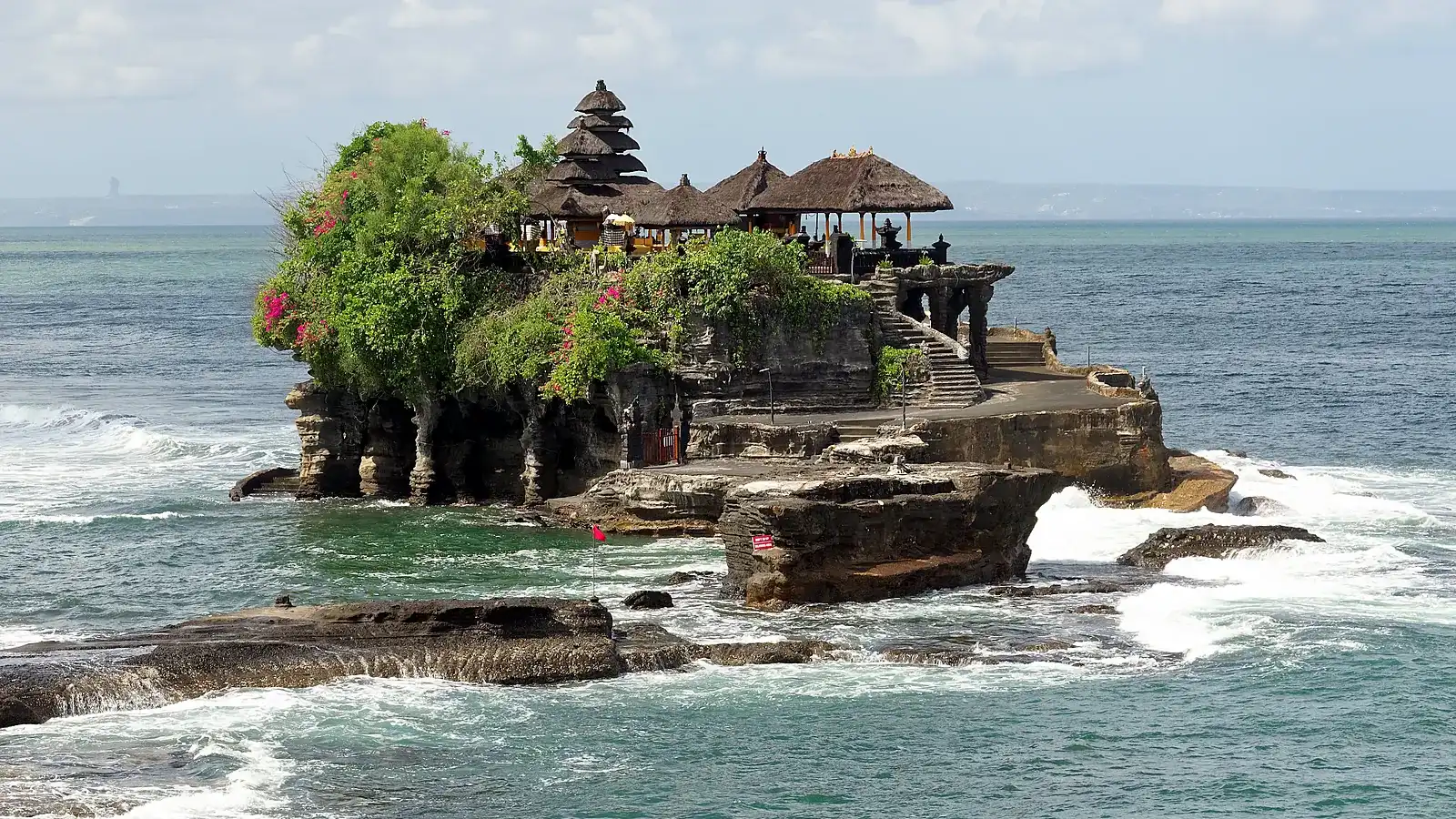
Depending on your flight time, visit Tanah Lot, a temple on a rock formation in the sea that becomes an island at high tide. It is most beautiful in the late afternoon, so if you have an evening flight, time your visit accordingly. Pick up souvenirs such as Balinese coffee, handmade soaps, batik sarongs and silver jewellery from Celuk. Then head to the airport, ideally with a few hours to spare.
Experiences worth adding if you have more time
With seven or eight nights, you can slow down further or add a new region.
- A Balinese cooking class in Ubud, usually starting with a visit to a local market. Most schools offer vegetarian menus.
- A white-water rafting trip on the Ayung River, gentle enough for beginners and surrounded by jungle and waterfalls.
- Waterfall hopping at Tegenungan, Tibumana or the spectacular Sekumpul in the north.
- The Gili Islands or Nusa Lembongan for a couple of nights of car-free island life.
- A sunset cruise from Benoa harbour with dinner on board.
- A professional photo shoot. Bali has many photographers who specialise in honeymoon shoots at rice terraces, beaches and temples.
How much does a Bali honeymoon cost from India?
Costs vary widely, but here is a realistic breakdown for a six-day, five-night honeymoon for two people in mid-range comfort. All figures are approximate and based on typical prices.
| Item | Approximate cost for two |
|---|---|
| Return flights from a major Indian city | ₹45,000 to ₹80,000 |
| Visa on arrival and tourist levy | ₹7,000 to ₹7,500 |
| 3 nights private pool villa in Ubud | ₹25,000 to ₹60,000 |
| 2 nights beach hotel | ₹15,000 to ₹40,000 |
| Private car and driver, transfers | ₹12,000 to ₹18,000 |
| Nusa Penida day trip | ₹8,000 to ₹14,000 |
| Meals, spa, entry fees, shopping | ₹25,000 to ₹50,000 |
That puts a comfortable Bali honeymoon at roughly ₹1.4 lakh to ₹2.7 lakh for a couple, including flights. You can go cheaper by choosing guesthouses and scooters, or much more expensive at the island's ultra-luxury resorts. Packages generally work out better value than booking everything separately, because villas and tour operators give better rates on combined bookings. Our Bali Honeymoon Bliss package starts at ₹42,500 per person for six days and five nights, excluding flights, and includes the private pool villa, floating breakfast, a Nusa Penida trip and private transfers.
Money, SIM cards and getting around
Currency. The Indonesian rupiah (IDR) has a lot of zeros, which confuses everyone at first. A rough rule is that 10,000 rupiah is a little over ₹50. Carry some US dollars in clean, newer notes to exchange on arrival, and use authorised money changers with proper signage rather than street stalls offering suspiciously good rates. International debit and credit cards work in hotels, larger restaurants and shops, and ATMs are common. Tell your bank you are travelling.
Mobile data. An eSIM bought before you leave, or a local SIM from a proper provider's counter at the airport, is cheap and gives you fast data for maps, ride apps and messaging. Indian international roaming packs are convenient but usually cost more.
Transport. The most comfortable way to get around is a private car with a driver, booked by the day. Drivers typically work 8 to 10 hours, know the island well and double as informal guides. Ride-hailing apps such as Grab and Gojek work in many areas and are good for short hops, though some villages restrict app pick-ups. Renting a scooter is popular but risky if you are not an experienced rider, and your travel insurance may not cover accidents without a valid licence.
Cultural etiquette: small things that matter
- Dress modestly at temples. Shoulders and knees should be covered, and a sarong and sash are required. Most temples lend them at the entrance.
- Do not step on offerings. The small palm trays on the ground are sacred. Walk around them.
- Use your right hand for giving and receiving things, and avoid pointing with your index finger.
- Women who are menstruating are traditionally asked not to enter temples. It is a local custom and visitors are expected to respect it.
- Public displays of affection are tolerated in tourist areas but keep it respectful in villages and temples.
- Bargain politely in markets, with a smile. Starting at about half the asking price is normal. Fixed-price shops do not bargain.
What to pack for Bali
- Light cotton and linen clothes, plus one smarter outfit for a special dinner.
- A light shawl or long skirt for temple visits.
- Comfortable walking sandals and one pair of closed shoes if you plan the Nusa Penida viewpoints or Mount Batur.
- Reef-safe sunscreen, sunglasses and a hat. The equatorial sun is strong.
- Insect repellent, especially for Ubud evenings.
- A universal adapter. Indonesia uses the two-round-pin Type C and F plugs, and Indian plugs often do not fit snugly.
- Basic medicines: something for an upset stomach, motion sickness tablets, antihistamines and any prescription medication.
- A waterproof phone pouch for the boat trip and waterfalls.
Mistakes Indian couples commonly make in Bali
Trying to see everything. The most common mistake is changing hotels every night to "cover" Bali. You spend your honeymoon packing and in traffic. Two bases is the ideal for a week.
Underestimating travel times. Google Maps says Seminyak to Ubud is 30 kilometres. It can take two hours in evening traffic. Plan one region per day.
Skipping travel insurance. Scooter accidents, stomach bugs and cancelled flights happen. A good policy costs a small fraction of the trip.
Drinking tap water. Stick to bottled or filtered water, including when brushing your teeth if you have a sensitive stomach, and be careful with ice at roadside stalls.
Ignoring the sea. Many Bali beaches have strong currents. Swim only where there are lifeguards and flags, and follow their instructions.
Leaving no free time. The best honeymoon memories are often unplanned: a long lunch that turns into an afternoon, or a lazy evening in the villa. Build that time into the plan.
Planning your Bali honeymoon with The Vacation Code
You can plan a Bali honeymoon entirely on your own, and this guide gives you everything you need to do that. But if you would rather spend the weeks before your wedding on the wedding, a well-designed package takes the work away. Our Bali Honeymoon Bliss itinerary is built around exactly the plan above: a private pool villa, the floating breakfast, a Nusa Penida cruise, the Uluwatu sunset and private transfers throughout, with vegetarian and Jain meals arranged in advance and visa guidance included.
If you are still weighing destinations, read our Maldives overwater villa guide for a more secluded alternative, or our Kashmir honeymoon guide if you would rather stay in India. And if you want to browse everything we offer, our full list of tours has options for every budget.
Frequently asked questions about a Bali honeymoon
How many days are enough for a Bali honeymoon?
Six days and five nights is the ideal minimum, enough for three nights in Ubud, two by the coast and one big day trip to Nusa Penida. With eight to ten days you can add the Gili Islands or Nusa Lembongan and travel at a slower pace.
Do Indians need a visa for Bali?
Indian passport holders can get a Visa on Arrival for Indonesia, valid for 30 days, either at the airport or online in advance as an e-VOA. The fee is 500,000 rupiah per person, and Bali also charges a separate tourist levy of 150,000 rupiah per person.
What is the best month for a Bali honeymoon?
May, June and September offer the best balance of dry weather, calm seas and fewer crowds. July and August are also dry but busier and more expensive. November to March is the wet season, with short heavy showers and lush green scenery.
Is Bali good for vegetarian travellers?
Yes. Bali, and Ubud in particular, has a huge range of vegetarian and vegan food, and Indian restaurants operate in all the main tourist areas. Ask for dishes without shrimp paste, and give villas advance notice of Jain requirements.
How much does a Bali honeymoon cost for a couple from India?
A comfortable six-day honeymoon typically costs around ₹1.4 lakh to ₹2.7 lakh for two people, including flights, a private pool villa, a driver, a Nusa Penida trip, meals and activities. Packages usually offer better value than booking each part separately.
Is Nusa Penida worth visiting on a honeymoon?
Yes, if you are comfortable with a boat ride and bumpy roads. Kelingking Beach, Broken Beach and Angel's Billabong are among the most dramatic sights in Indonesia. If either of you gets badly seasick, consider Nusa Lembongan, which is calmer and closer.