- How the Maldives works: one island, one resort
- When to visit the Maldives
- Dry season (northeast monsoon): December to April
- Wet season (southwest monsoon): May to November
- Getting there from India
- Visa and entry for Indians
- Seaplane, speedboat or domestic flight: the transfer question
- Water villa or beach villa?
- Overwater villas
- Beach villas
- Meal plans: the decision that changes your final bill
- Vegetarian and Indian food in the Maldives
- What does a Maldives trip cost from India?
- Things to do in the Maldives (beyond lying in a hammock)
- Snorkelling the house reef
- Swimming with manta rays and whale sharks
- Sunset dolphin cruises
- Sandbank picnics
- Diving
- Spa, underwater dining and bioluminescence
- A five-day Maldives itinerary
- Day 1: Arrival and first swim
- Day 2: House reef and spa
- Day 3: Big ocean day
- Day 4: Sandbank and a special dinner
- Day 5: Departure
- Which atoll should you choose?
- The Maldives with family or parents
- A glimpse of Maldivian culture
- Choosing the right resort: questions to ask
- Packing list for the Maldives
- Mistakes to avoid in the Maldives
- Maldives or Bali: which is better for your honeymoon?
- Plan your Maldives escape with The Vacation Code
- Frequently asked questions about the Maldives
- Do Indians need a visa for the Maldives?
- How much does a Maldives trip cost for a couple from India?
- What is the best time to visit the Maldives?
- Is an overwater villa worth the extra cost?
- Can vegetarians eat well in the Maldives?
- How many days are ideal in the Maldives?
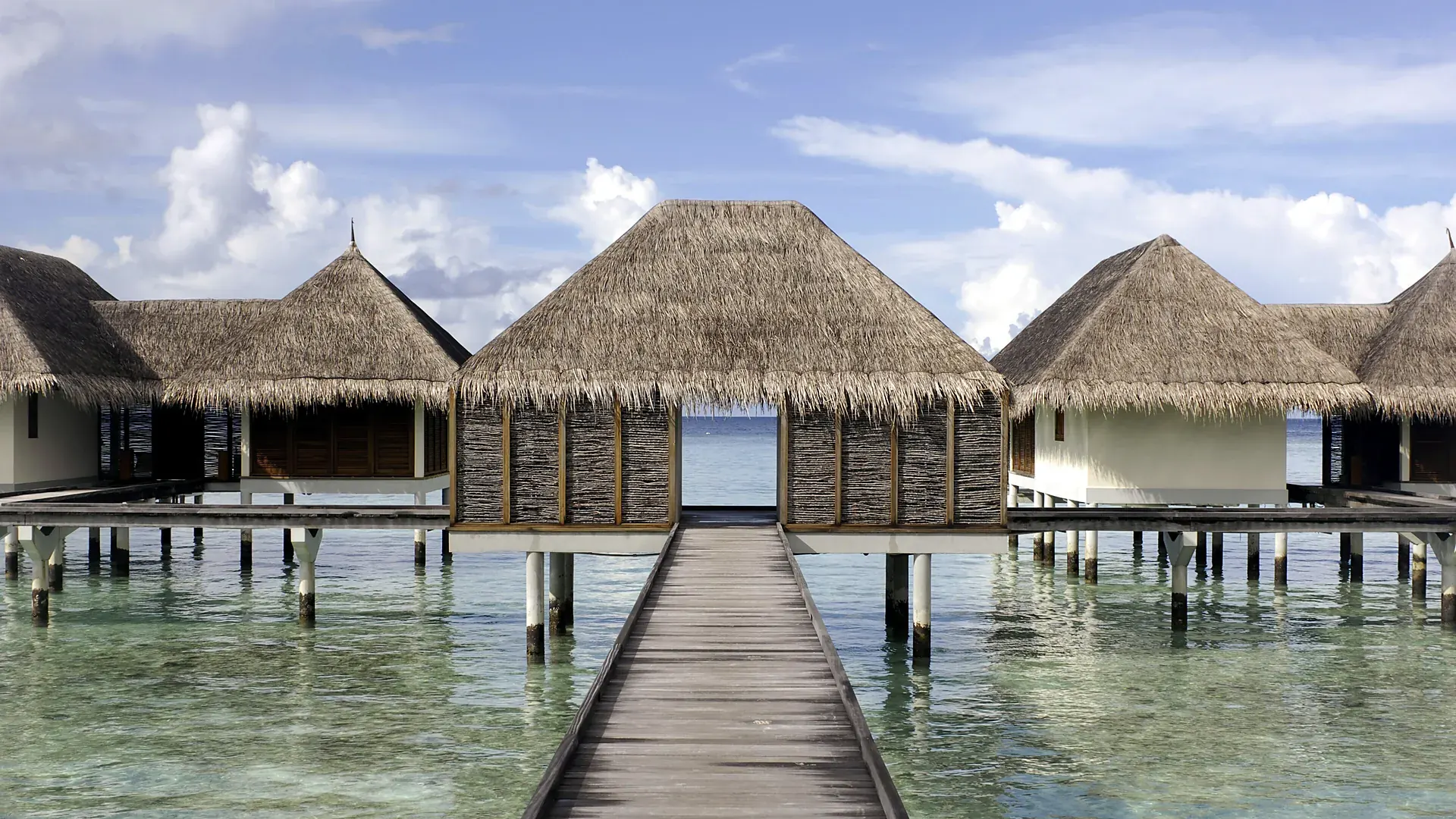
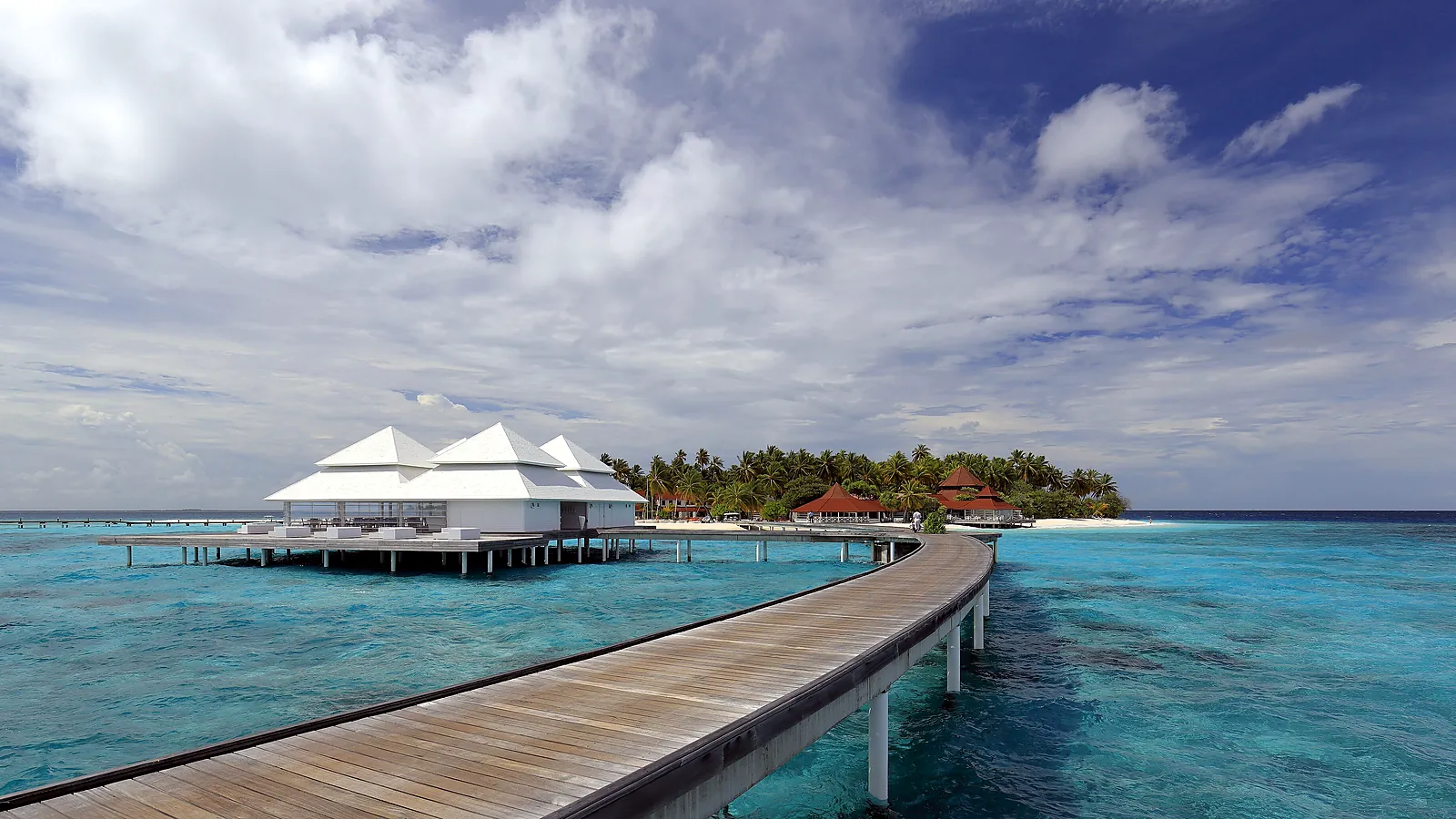
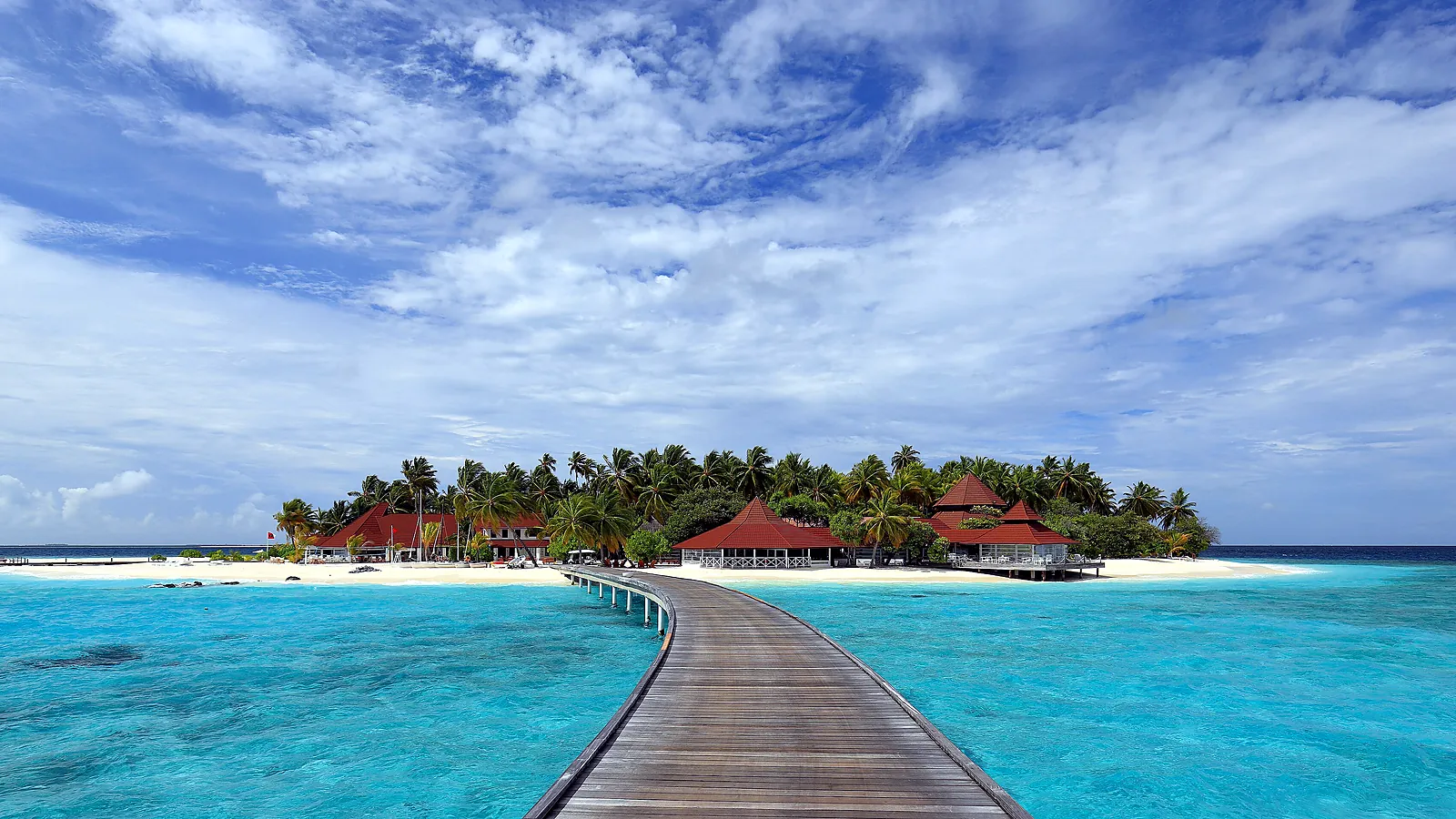
The first time you see the Maldives from the air, it does not look real. The ocean below is a deep sapphire, and then suddenly, scattered across it like someone dropped a necklace, there are rings of impossible turquoise with tiny green islands at their centre. Some of them have a thin line of wooden walkways reaching out over the lagoon, ending in little thatched roofs. Those are the water villas. In a couple of hours, one of them will be yours.
For many Indian couples and families, the Maldives is the dream trip, the one saved for a honeymoon, a milestone anniversary or a big birthday. It is also one of the easiest international trips from India. Flights are short, Indians get a free visa on arrival, and you can leave Bengaluru or Kochi after breakfast and be floating in a lagoon by lunchtime.
But the Maldives is also a destination where it is easy to spend a lot of money on the wrong things. Resorts vary enormously, prices on booking sites rarely include the taxes and transfers, and a poor choice of meal plan can add lakhs to the final bill. This guide explains how the Maldives actually works, so you can choose the right resort, avoid expensive surprises and plan a trip that lives up to the photographs.
How the Maldives works: one island, one resort
The Maldives is a chain of around 1,190 coral islands grouped into 26 natural atolls, stretched across roughly 800 kilometres of the Indian Ocean southwest of Sri Lanka. Only about 200 islands are inhabited by Maldivians, and more than 150 are private resort islands.
The key concept to understand is "one island, one resort". Most resorts occupy an entire island on their own. Once you arrive, you generally stay there for your whole trip. There is no town to wander into, no street of restaurants to choose from, and no taxi to hail. Everything you eat, drink and do will be provided by the resort. That is what makes the Maldives so peaceful and private, and also why choosing the right resort is the single most important decision you will make.
The alternative is to stay on a local inhabited island such as Maafushi, Thulusdhoo or Dhigurah, in a guesthouse. This is much cheaper and gives you a glimpse of real Maldivian life, but you will not get overwater villas, and local islands follow local laws, which means no alcohol and modest dress codes away from designated "bikini beaches". For a honeymoon or a special occasion, most travellers choose a resort.
When to visit the Maldives
The Maldives is tropical and warm all year, with temperatures around 28 to 31 degrees Celsius and sea temperatures that are perfect for swimming in every month. The seasons are defined by the monsoon winds.
Dry season (northeast monsoon): December to April
This is the classic high season. Skies are clear, the sea is calm and visibility underwater is excellent. It is the best time for snorkelling, diving and those postcard-blue photographs. It is also when prices are highest, particularly over Christmas, New Year and the Chinese New Year period. Indian wedding season overlaps with the early part of this window, so resorts fill up fast from December to February.
Wet season (southwest monsoon): May to November
The wet season brings more cloud, higher humidity and occasional heavy showers or windy days, particularly between June and August. That said, it rarely rains all day, and many days are sunny with a short afternoon storm. Resort prices can drop significantly, sometimes by 30 to 40 percent, and many resorts throw in upgrades or free nights. This season also brings the best encounters with manta rays and whale sharks on the western side of the atolls, and between roughly June and November, Hanifaru Bay in Baa Atoll hosts some of the largest gatherings of manta rays in the world.
Our advice: if your dates are fixed by a wedding, go when you can and do not worry about the season. If you are flexible, April and November are excellent value months, sitting at the edges of the dry season with good weather and lower prices.
Getting there from India
The Maldives' main gateway is Velana International Airport (MLE), built on the island of Hulhulé next to the capital, Malé. Direct flights operate from several Indian cities. Kochi and Thiruvananthapuram are about an hour away, Bengaluru and Chennai around one and a half to two hours, Mumbai roughly three hours, and Delhi around four. The short distance is one of the Maldives' biggest advantages for Indian travellers: you lose almost no time to travel.
Visa and entry for Indians
Indian passport holders receive a free 30-day tourist visa on arrival. You need a passport valid for at least six months, a confirmed return ticket, a confirmed hotel booking and proof of sufficient funds, though officials rarely ask for the last one. All travellers must also complete the IMUGA traveller declaration online within 96 hours before arrival. It takes about ten minutes and generates a QR code you show at immigration. Do not forget it; it is the one step that catches people out.
Seaplane, speedboat or domestic flight: the transfer question
Once you land at Velana, your resort arranges the transfer to its island. This is the part of a Maldives trip most people do not think about until they see the bill.
Speedboat. Resorts in North and South Malé Atolls are usually 20 to 60 minutes away by speedboat. Speedboats run day and night, so they work with any flight time. They are also the cheapest option, typically a few hundred US dollars per person return, and sometimes included in packages.
Seaplane. Resorts in further atolls such as Baa, Ari, Lhaviyani or Raa are reached by seaplane. The 30 to 60 minute flight over the atolls is unforgettable and one of the highlights of the trip. However, seaplanes only fly in daylight, roughly between 6 a.m. and 4 p.m., so if your international flight lands in the evening, you will need to spend a night near the airport. Seaplane transfers are expensive, often US$700 to US$1,000 or more per person return.
Domestic flight plus speedboat. Some remote resorts are reached by a short domestic flight followed by a speedboat. This is cheaper than a seaplane and works later into the evening.
When comparing resorts, always add the transfer cost for two people to the room rate. A resort that seems ₹15,000 cheaper per night can end up costing more once a seaplane is added.
Water villa or beach villa?
This is the question every Maldives traveller asks. Both are wonderful. They are simply different experiences.
Overwater villas
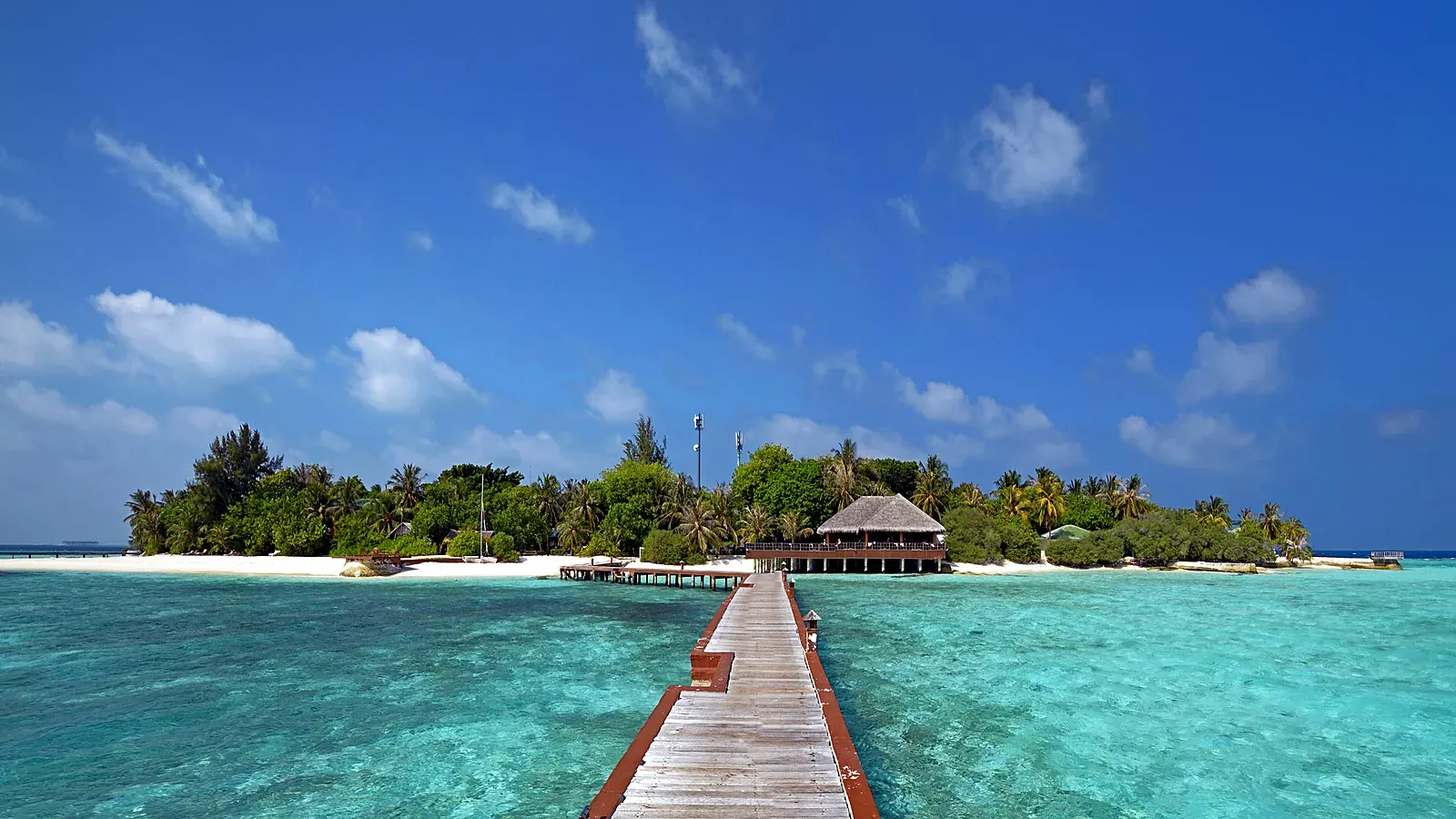
Overwater villas sit on stilts above the lagoon, reached by a wooden jetty. The best have a private deck with steps straight down into the water, a sun lounger or hammock net suspended above the sea, glass floor panels, and outdoor showers. Waking up and stepping from your bed into the ocean is the quintessential Maldives experience, and for a honeymoon it is hard to beat.
What to know before you book one:
- Check the water depth. Some villas sit over very shallow water, especially at low tide, so the "swim from your deck" promise may only work at certain times. Villas facing the outer reef usually have deeper water and better snorkelling.
- Sunset or sunrise side. Sunset-facing villas cost more and are worth it if you love an evening drink on the deck.
- Distance from the main island. Villas at the end of a long jetty are the most private but mean a longer walk or buggy ride to restaurants.
- Private pool. Higher categories add a plunge pool, which is lovely but not essential when the entire ocean is your pool.
Beach villas
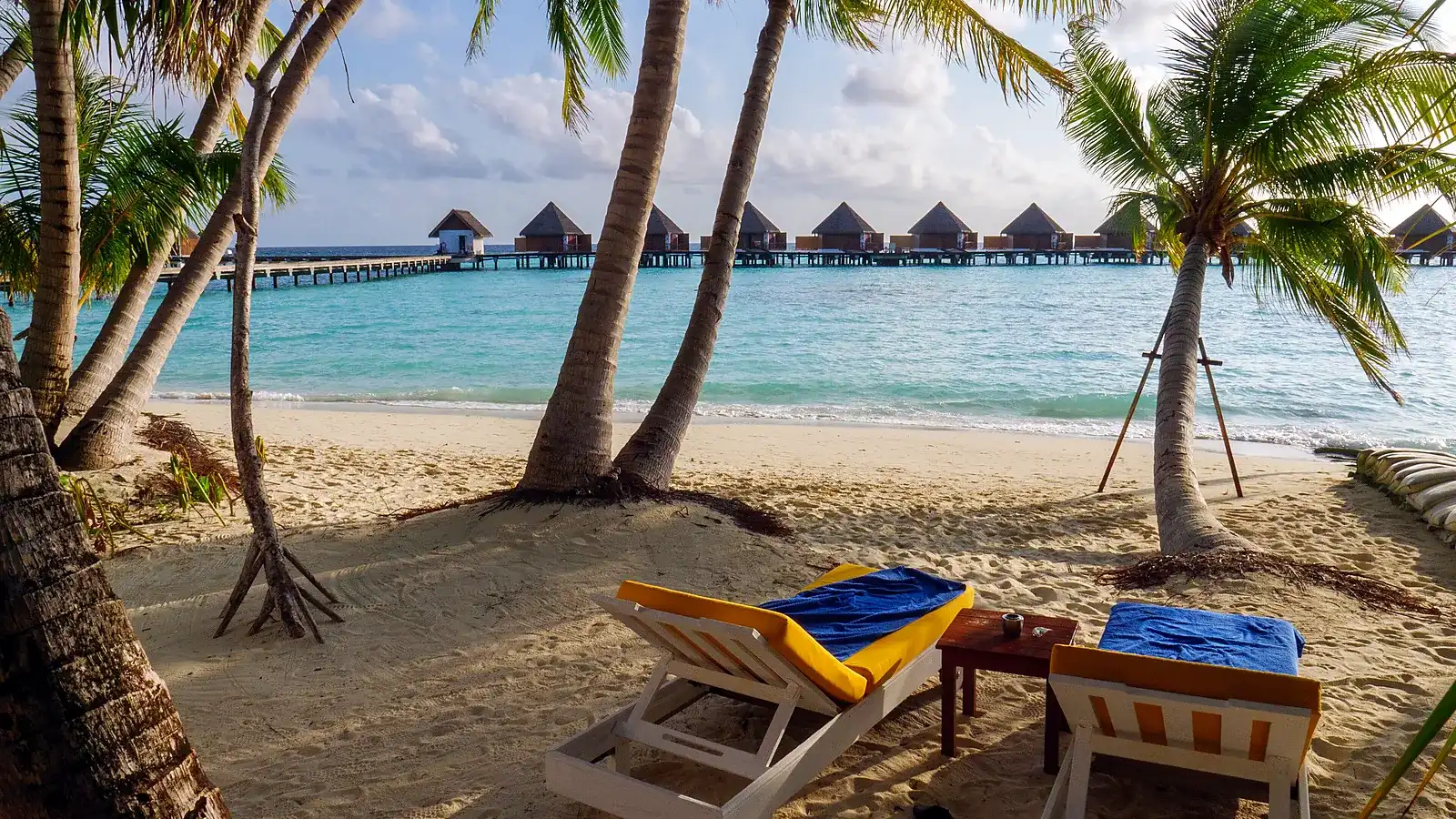
Beach villas open onto the sand, often with a small garden, outdoor bathroom and direct beach access. They can be more private than water villas because of surrounding vegetation, they are usually cheaper, and they are more practical for families with young children, since there is no open water directly outside the door.
The smart combination: many couples split their stay, spending two nights in a beach villa and two or three nights in a water villa. You experience both, and the total cost is lower than staying overwater the whole time. Resorts are happy to arrange this.
Meal plans: the decision that changes your final bill
Because there is nowhere else to eat, your meal plan matters enormously. Maldives resorts usually offer four options.
- Bed and breakfast (BB): breakfast only. Lunch and dinner are paid separately, and resort à la carte prices are high.
- Half board (HB): breakfast and dinner. A popular choice if you are happy with a light lunch.
- Full board (FB): breakfast, lunch and dinner, usually without drinks.
- All inclusive (AI): all meals plus selected drinks, snacks and sometimes excursions.
For most Indian couples, half board or full board is the best value, particularly for vegetarians who may not drink much alcohol. All inclusive makes sense if you want cocktails, wine and a few activities without thinking about the bill. Whatever you choose, read exactly what is included. "All inclusive" at one resort may exclude premium restaurants, fresh juices or excursions that are included elsewhere.
Vegetarian and Indian food in the Maldives
Vegetarian travellers do well in the Maldives because resorts cater to guests from all over the world, and India is one of the Maldives' largest source markets. Almost every resort has Indian dishes on the buffet, and many employ Indian chefs. Buffet restaurants usually include dal, paneer curries, rice and rotis alongside international food. Tell the resort about vegetarian, Jain or other dietary needs when you book and again at check-in, and the chef will often come to your table to plan meals with you.
Traditional Maldivian cuisine is fish-based, built around tuna and coconut, so if you want to try local flavours ask for the vegetarian versions of mas huni made with coconut and onion, or roshi, the Maldivian flatbread, with vegetable curry.
What does a Maldives trip cost from India?
The Maldives has a reputation for being very expensive, and it can be, but it is also more accessible than most people think. The biggest variables are the resort category, the transfer, the villa type and the meal plan.
Be aware that prices at resorts are usually quoted before taxes. On top of the base rate, expect a service charge of 10 percent, Tourism Goods and Services Tax, and a per-person nightly Green Tax set by the government. Together these typically add around 25 to 30 percent to the room and food cost. Always ask for an "all-in" quote.
| Style | Typical 4-night cost for two, excluding flights |
|---|---|
| Local island guesthouse | ₹60,000 to ₹1 lakh |
| Mid-range resort, beach villa, half board, speedboat | ₹1.6 lakh to ₹2.5 lakh |
| Upscale resort, water villa, full board | ₹2.5 lakh to ₹4.5 lakh |
| Luxury resort, pool water villa, seaplane, all inclusive | ₹5 lakh and above |
Return flights from India typically add ₹25,000 to ₹60,000 for two people depending on the city and season. Our Maldives Overwater Luxury package starts at ₹88,000 per person for five days and four nights, with a water villa, transfers and a sunset dolphin cruise included, which is significantly less than booking the same resort directly.
Things to do in the Maldives (beyond lying in a hammock)
Doing nothing is a perfectly valid Maldives plan. But if you want a little more, the ocean offers some of the best experiences on Earth.
Snorkelling the house reef
Many resorts have a "house reef", a coral reef right off the beach that you can snorkel straight from the shore. On a good house reef you will see parrotfish, clownfish, moray eels, turtles and even reef sharks, which are harmless to people. If snorkelling matters to you, ask specifically about the house reef when choosing a resort. It varies enormously between islands. Non-swimmers can still enjoy it with a life jacket and a guided snorkel trip.
Swimming with manta rays and whale sharks
The Maldives is one of the best places in the world to see manta rays, which glide through the water with wingspans of three to four metres. South Ari Atoll is famous for year-round sightings of whale sharks, the largest fish in the ocean, which are gentle filter feeders. Resorts run excursions with marine biologists who brief you on how to swim with them responsibly.
Sunset dolphin cruises
Spinner dolphins are common in Maldivian waters, and a sunset cruise on a traditional wooden dhoni boat often brings pods of them leaping around the bow. It is one of the most magical and gentle excursions available, and suitable for everyone.
Sandbank picnics
Resorts can take you to a tiny uninhabited sandbank, a strip of white sand in the middle of the sea, for a private picnic or breakfast. With just the two of you and the ocean in every direction, it is an unforgettable honeymoon moment.
Diving
The Maldives is a world-class diving destination. If you have never dived, most resorts offer a "discover scuba" session that starts in the pool and ends with a shallow dive on the reef, no certification needed.
Spa, underwater dining and bioluminescence
Maldivian spas are often built over the water with glass floors so you can watch fish during your massage. A handful of resorts have underwater restaurants and bars. And on some islands, on certain nights, the waves at the shoreline glow electric blue with bioluminescent plankton. Ask the resort staff if it has been seen recently.
A five-day Maldives itinerary
This plan assumes a resort within seaplane or speedboat distance of Malé, four nights, and a mix of relaxation and ocean adventures.
Day 1: Arrival and first swim
Fly into Malé in the morning, complete immigration using your IMUGA QR code, and transfer to your resort. You will usually be met with a cold towel and a coconut. Check in, settle into your villa and spend the afternoon discovering the lagoon. Watch your first Maldivian sunset from the deck and enjoy a relaxed dinner.
Day 2: House reef and spa
Start early with snorkelling on the house reef, when the water is calmest and marine life most active. After lunch, book a couple's spa treatment. In the evening, enjoy dinner at the resort's beach restaurant with your feet in the sand.
Day 3: Big ocean day
Join a morning excursion to snorkel with manta rays, turtles or whale sharks, depending on your atoll and the season. Return for lunch and a lazy afternoon. At sunset, take a dolphin cruise on a traditional dhoni.
Day 4: Sandbank and a special dinner
Take a morning trip to a private sandbank for a picnic or breakfast. The afternoon is free for kayaking, paddleboarding or simply the hammock. For your last night, book a private candlelit dinner on the beach or on your deck, one of the most romantic experiences in the Maldives.
Day 5: Departure
Enjoy a final swim and a slow breakfast. Transfer back to Malé in time for your flight, remembering that seaplane transfers need to be timed well in advance of international departures.
Which atoll should you choose?
Atolls matter more than most people realise, because they decide your transfer type, your transfer time and what you are likely to see underwater. Here is a quick guide to the most popular ones.
North Malé Atoll is closest to the airport. Most resorts are 20 to 50 minutes away by speedboat, which means you can arrive on a late flight and still sleep in your villa that night. It has a huge range of resorts at every price point and is the most practical choice for a short trip. The trade-off is that you will occasionally see other islands and passing boats on the horizon.
South Malé Atoll is similar: speedboat access, lots of choice, and some excellent dive sites along its channels, where sharks, turtles and eagle rays are common.
Ari Atoll (North and South) lies to the west and is usually reached by seaplane. It is one of the best atolls for marine life. South Ari is famous for whale sharks throughout the year, and the manta cleaning stations here are world-renowned. If swimming with big ocean animals is on your list, look here first.
Baa Atoll is a UNESCO Biosphere Reserve, home to Hanifaru Bay, where dozens and sometimes hundreds of manta rays gather to feed between roughly June and November. Resorts here tend to be upmarket and are reached by seaplane or a domestic flight and speedboat.
Lhaviyani and Raa Atolls in the north are quieter, more remote and full of turtles. They suit couples who want a real sense of being far away from everything.
Addu Atoll, in the far south just below the equator, is reached by domestic flight. It is less developed, has a different character with islands connected by a causeway, and has some of the healthiest reefs in the country.
If this is your first visit and you have four or five nights, North or South Malé keeps the transfer simple. If you have a week and love the sea, a seaplane resort in Ari or Baa is worth the extra cost.
The Maldives with family or parents
The Maldives is often seen as a honeymoon-only destination, but it works beautifully for families too, including trips with parents and grandparents. Many resorts have kids' clubs with activities such as crab hunts, treasure trails and cookery sessions, and some have shallow lagoons that are safe for young children to paddle in. Family villas and two-bedroom beach residences are available at larger resorts.
For older parents, the Maldives is easier than it looks. There is no sightseeing to rush between, no long drives, and everything is within walking or buggy distance on the island. Speedboat resorts avoid the steps and weight limits of seaplanes, and choosing a beach villa rather than a water villa removes the long jetty walk. If anyone in the group does not swim, a glass-bottom boat trip or a semi-submarine excursion lets them see the reef without getting wet. And with good Indian vegetarian food on most buffets, mealtimes are rarely a problem.
A few practical points for families: book connecting or adjacent villas early, check whether children under a certain age are allowed in water villas (some resorts restrict this for safety), and ask about babysitting services if parents want an evening to themselves.
A glimpse of Maldivian culture
Because resort life is so self-contained, many visitors leave the Maldives without learning anything about the country itself. That is a shame, because it has a fascinating history as a trading nation at the crossroads of the Indian Ocean, with influences from South India, Sri Lanka, Arabia and East Africa. The national language, Dhivehi, is written in a unique script called Thaana, which reads from right to left.
If you have a few hours before your flight, consider a half-day tour of Malé, one of the most densely populated capitals in the world. Visit the Old Friday Mosque, built from carved coral stone, the colourful local fish market where tuna is landed each afternoon, and the fruit and vegetable market, where you can taste local specialities like bondi (a sweet coconut roll). Some resorts also offer excursions to nearby inhabited islands, where you can see a traditional village, a school and local craftwork. The Maldives is a Muslim country, so dress modestly when visiting Malé or local islands, with shoulders and knees covered.
Choosing the right resort: questions to ask
With more than 150 resorts to choose from, the choice can be overwhelming. These questions will narrow it down quickly.
- What is the all-in price including taxes, transfers and my meal plan? This is the only price that matters.
- How is the transfer done, and how long does it take? Does it match my flight times?
- Is there a good house reef? Essential if you love snorkelling.
- Is it adults-only or family-friendly? Honeymooners often prefer a quieter, adults-focused atmosphere.
- How big is the island? Tiny islands feel intimate; larger ones have more restaurants and facilities.
- What vegetarian and Indian food options are available? Ask for sample menus.
- What honeymoon or celebration benefits are offered? Many resorts give couples a cake, a bottle of wine, a spa credit or a special dinner. You usually need to show your marriage certificate or wedding invitation dated within the past few months.
Packing list for the Maldives
- Swimwear, several sets, because they take time to dry in the humidity.
- Lightweight, breathable clothes and a smart-casual outfit for dinner.
- Reef-safe sunscreen with high SPF and a rash guard for long snorkelling sessions.
- Your own snorkel mask, if you have one that fits well. Resorts lend equipment but a good fit makes a big difference.
- Sunglasses, a hat and after-sun lotion.
- A waterproof phone pouch or action camera.
- Motion sickness tablets for boat and seaplane transfers.
- Modest clothing if you plan to visit Malé or a local island.
- US dollars in small notes for tips. Resorts charge everything to your room, but a small tip for your villa host or boat crew is appreciated.
Mistakes to avoid in the Maldives
Comparing prices without taxes and transfers. Two resorts can look ₹20,000 apart per night and end up the same price once a seaplane and taxes are added. Always compare total cost.
Booking a seaplane resort with an evening arrival. Seaplanes do not fly after dark. You will pay for an unplanned night near the airport. Check timings first.
Choosing bed and breakfast to save money. Resort à la carte prices are high, and dinner for two can cost more than the difference to a half-board plan.
Forgetting the IMUGA declaration. It is mandatory and must be submitted within 96 hours before arrival.
Touching coral or feeding fish. It damages fragile reefs, and resorts take conservation seriously. Look, do not touch.
Staying too short. Transfers take time at both ends. Three nights feels rushed. Four or five is ideal.
Maldives or Bali: which is better for your honeymoon?
This is the most common comparison we get asked about. The Maldives is about seclusion, ocean and pure relaxation. You stay on one island, the days are slow, and the sea is the star. Bali is about variety, culture and exploration. You move around, visit temples and rice terraces, and have far more choice in food and activities. Bali is generally cheaper for the same level of comfort.
If your idea of a honeymoon is to disappear together and do almost nothing in extraordinary surroundings, choose the Maldives. If you want adventures, culture and variety, choose Bali. And if you cannot decide, read our complete Bali honeymoon guide and compare. Some couples even combine the two, with a few days in each.
Plan your Maldives escape with The Vacation Code
Choosing a Maldives resort is one of those decisions where local knowledge saves real money. We work directly with resorts, compare all-in prices including taxes and transfers, match the resort to your flight times, and brief the kitchen on vegetarian and Jain requirements before you arrive. Our Maldives Overwater Luxury package includes a water villa with a private deck, transfers and a sunset dolphin safari, and we can tailor it for honeymoons, anniversaries or family trips.
If you would rather stay closer to home, our Kashmir honeymoon guide and Udaipur romantic weekend guide are excellent Indian alternatives. You can also explore all our holiday packages.
Frequently asked questions about the Maldives
Do Indians need a visa for the Maldives?
No advance visa is needed. Indian passport holders get a free 30-day tourist visa on arrival, provided they have a passport valid for six months, a return ticket and a confirmed hotel booking. You must also complete the online IMUGA traveller declaration within 96 hours before arrival.
How much does a Maldives trip cost for a couple from India?
A mid-range four-night resort stay with half board and speedboat transfers typically costs ₹1.6 lakh to ₹2.5 lakh for two, plus flights. A water villa at an upscale resort usually costs ₹2.5 lakh to ₹4.5 lakh, and luxury resorts with seaplanes go well beyond that.
What is the best time to visit the Maldives?
December to April is the dry season with the calmest seas and clearest skies. May to November is the wet season, with lower prices and the best manta ray season in Baa Atoll. April and November offer good value with generally pleasant weather.
Is an overwater villa worth the extra cost?
For a honeymoon or special occasion, most travellers say yes. Stepping from your deck into the lagoon is the defining Maldives experience. To manage cost, split your stay between a beach villa and a water villa.
Can vegetarians eat well in the Maldives?
Yes. Resorts cater to many Indian guests and almost all serve Indian vegetarian dishes. Inform the resort of vegetarian or Jain needs in advance and the chefs will plan meals with you.
How many days are ideal in the Maldives?
Four to five nights is ideal. It gives you time to relax after the transfer, enjoy one or two ocean excursions and still have slow days. Three nights tends to feel rushed.