📌 In this guide13 sections
- Visa for Iceland
- Best time for an Iceland trip from India
- How to reach Iceland from India
- An 8-day Iceland itinerary
- Driving in Iceland
- Vegetarian food in Iceland
- Northern lights photography tips
- Iceland in summer
- How much does an Iceland trip from India cost?
- What to pack
- Mistakes to avoid
- Plan your Iceland trip with The Vacation Code
- Frequently asked questions
An Iceland trip from India is the stuff of bucket lists. It is 11 p.m. on a freezing February night, and you are standing in a dark field on the Snæfellsnes peninsula, breath misting, eyes on the sky above a cone-shaped mountain. At first there is only a faint grey smudge. Then it brightens to green, stretches across the sky, and suddenly curtains of light are rippling and dancing overhead, green edged with pink, reflected in the water below. Nobody around you says a word. You have just seen the northern lights, and you will never forget it.
Iceland is a volcanic island just below the Arctic Circle, a land of fire and ice where glaciers sit beside active volcanoes, geysers erupt from the ground and hundreds of waterfalls pour off black cliffs. Its landscapes appear in countless films and shows, and it is one of the world's most accessible places to see the aurora borealis. For Indian travellers, it is a Schengen country, so the same visa that takes you to Paris or Switzerland takes you here, and while it is expensive, careful planning makes it achievable.
This guide covers the visa, the best time for the northern lights and midnight sun, an 8-day itinerary, driving tips, food, costs and practical advice for your Iceland trip from India.
Visa for Iceland
Iceland is part of the Schengen area, so Indians need a Schengen visa. If Iceland is your main destination, apply through the embassy or visa centre that handles Icelandic visas in India; if you are combining it with another Schengen country where you will spend more nights, apply to that country instead. The fee is €90 for adults, and you will need travel insurance with at least €30,000 of medical cover, bank statements, income tax returns, a detailed itinerary and hotel bookings. Apply two to three months ahead in peak seasons.
Best time for an Iceland trip from India
- September to March: northern lights season. You need long, dark nights, clear skies and solar activity. The aurora is often seen from late September to mid-March, with ice caves open from about November to March. Days are very short around December.
- June to August: midnight sun. Near-endless daylight, green landscapes, puffins, open highland roads and the easiest driving. No northern lights.
- September and March: a sweet spot, with a real chance of the aurora, milder weather than midwinter and more daylight for sightseeing.
No one can guarantee the northern lights. Stay at least four to five nights outside Reykjavík, check the aurora forecast and cloud cover each evening, and be patient.
How to reach Iceland from India
There are no direct flights. Most travellers connect through a European hub such as London, Frankfurt, Amsterdam, Copenhagen or Helsinki, or via the Gulf, with total journey times of about 15 to 20 hours. Flights land at Keflavík International Airport, about 45 minutes from Reykjavík.
An 8-day Iceland itinerary
Day 1: Arrive in Reykjavík
Land at Keflavík and visit the Blue Lagoon on the way to the city, a geothermal spa of milky blue water surrounded by black lava fields; book tickets in advance. Check into your Reykjavík hotel and rest.
Day 2: Reykjavík
Explore the world's northernmost capital: the rocket-shaped Hallgrímskirkja church with its city views, the glass-walled Harpa concert hall, the colourful harbour and the Sun Voyager sculpture. Take a whale-watching trip from the harbour, and in winter, join a northern lights tour after dark.
Day 3: The Golden Circle
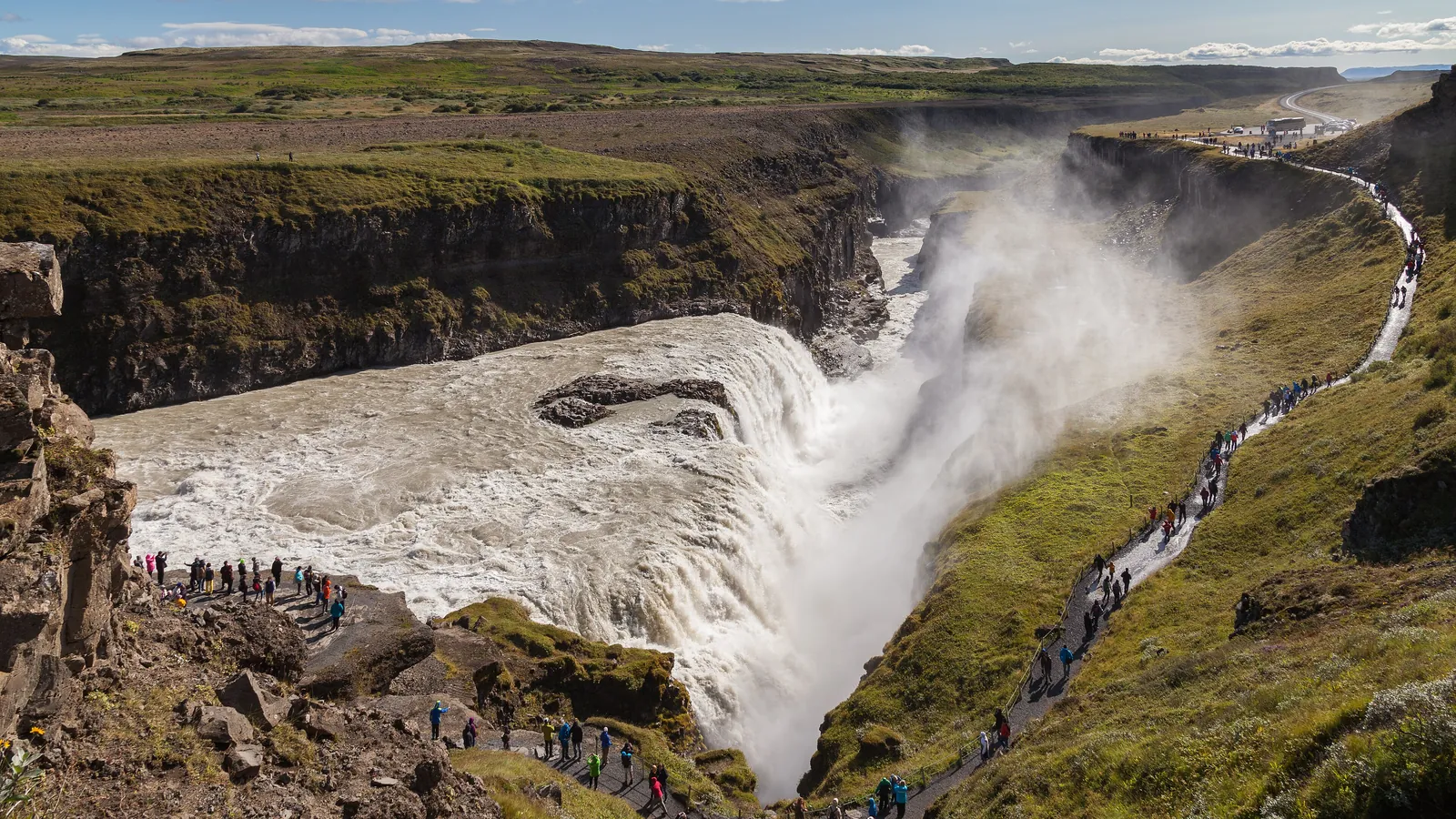
Drive the famous Golden Circle. At Þingvellir National Park, a UNESCO World Heritage Site, walk through a rift valley where the North American and Eurasian tectonic plates are slowly pulling apart; it was also the site of one of the world's oldest parliaments. At Geysir, watch Strokkur erupt a column of boiling water up to 20 metres high every few minutes. Then stand beside Gullfoss, a thundering two-tiered waterfall plunging into a canyon.
Day 4: The South Coast waterfalls
Head east along the South Coast. At Seljalandsfoss, walk behind the waterfall along a path through the spray. At Skógafoss, a 60-metre curtain of water, rainbows often form on sunny days, and legend says a Viking hid a chest of gold behind it. Stay near Vík, far from city lights, for northern lights hunting.
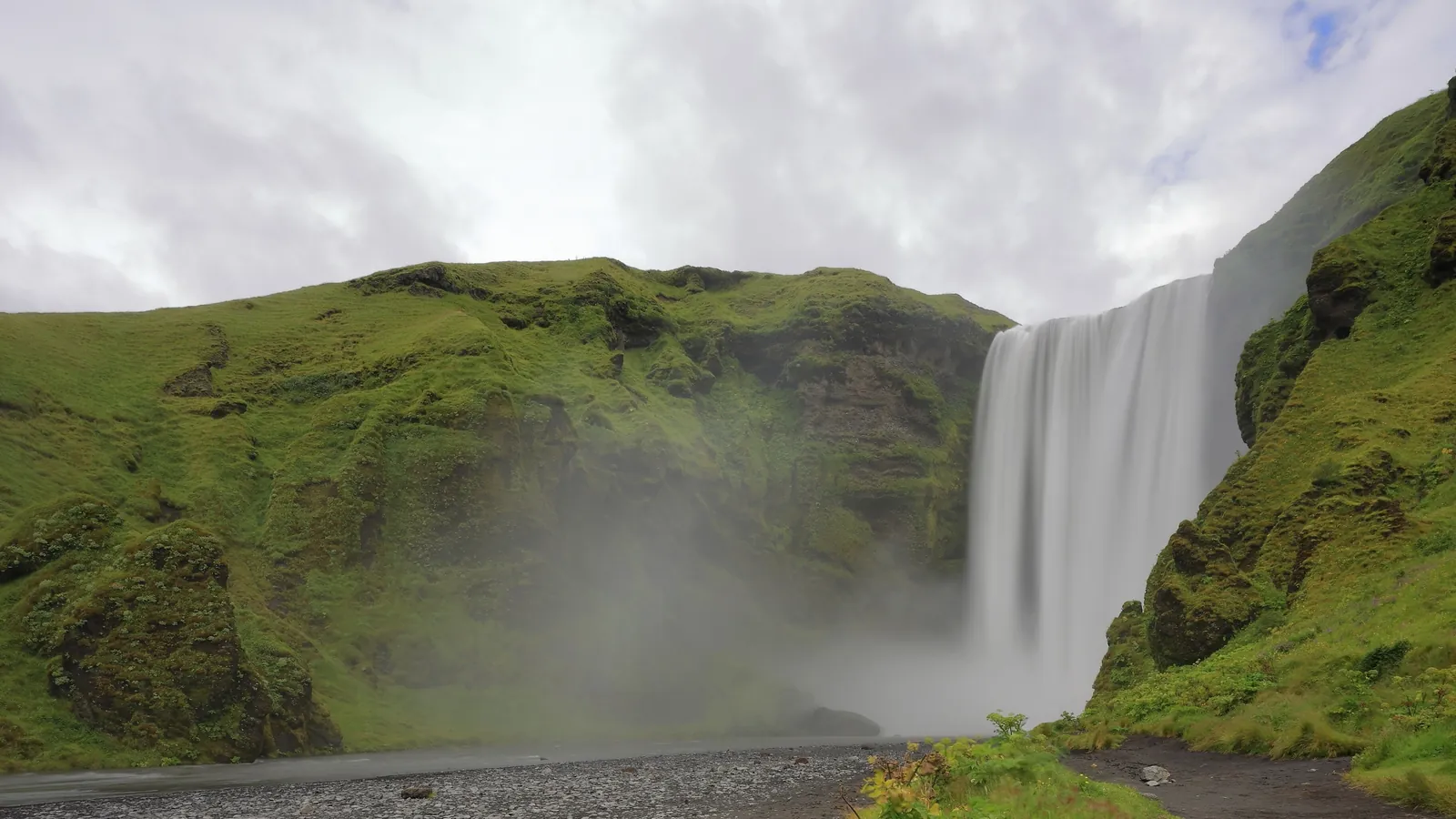
Day 5: Black sand beaches and glaciers
Visit Reynisfjara, a dramatic black sand beach with basalt columns and sea stacks. Be extremely careful here: powerful "sneaker waves" can sweep people off the beach without warning, so stay well back from the water. Continue east past lava fields covered in moss to Skaftafell, where guided glacier hikes on the Vatnajökull ice cap, Europe's largest glacier by volume, are available.
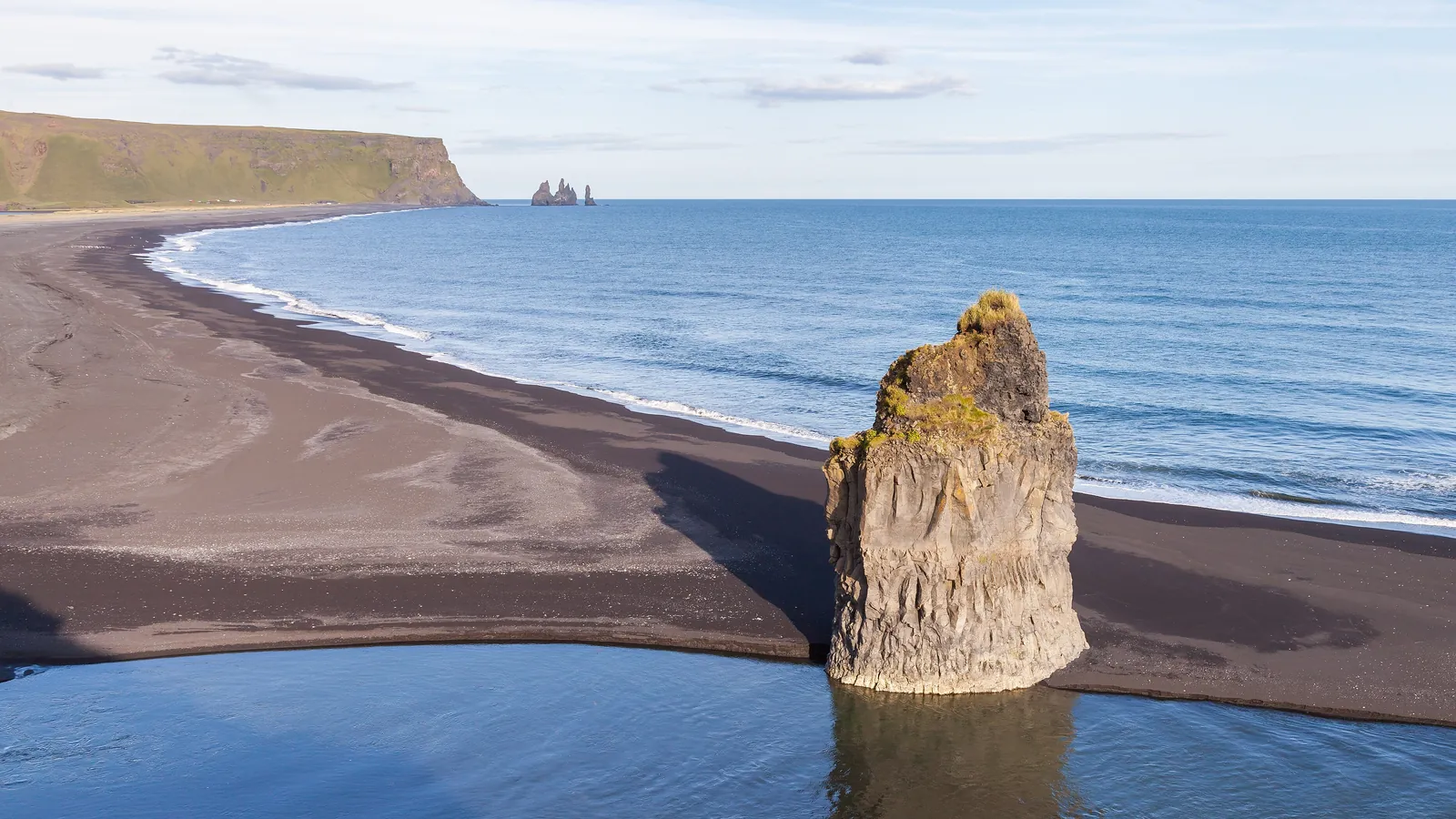
Day 6: Jökulsárlón glacier lagoon
Arrive at Jökulsárlón, a lagoon where huge blue and white icebergs break off a glacier and drift towards the sea. Take a boat tour among the icebergs, watch seals, and walk across the road to Diamond Beach, where chunks of ice glitter on the black sand like jewels. From November to March, join a guided tour into a natural ice cave beneath the glacier, glowing an intense blue.
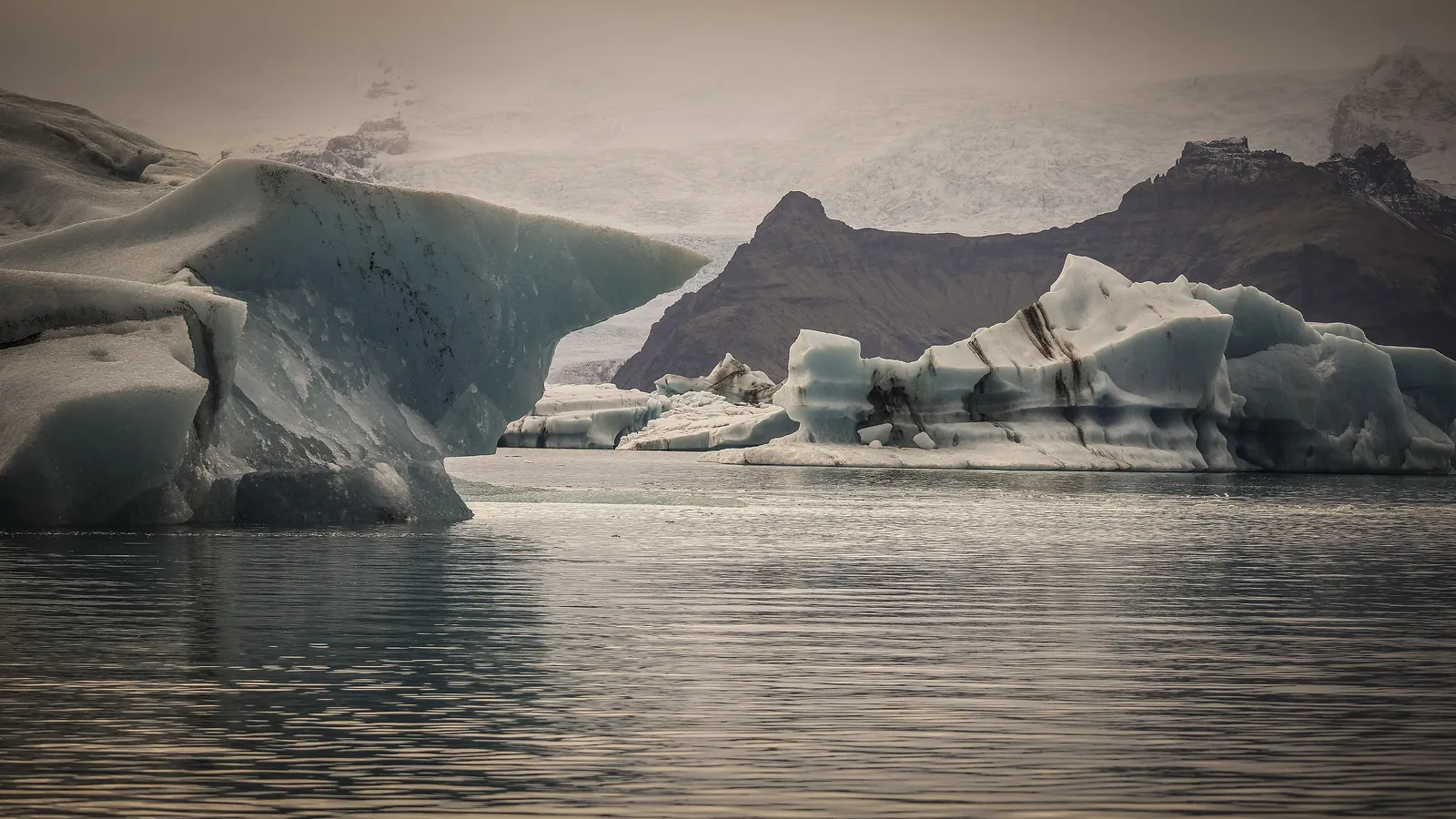
Day 7: Drive back and Snæfellsnes, or rest
Drive back west towards Reykjavík, stopping at waterfalls you missed. If you have an extra day, visit the Snæfellsnes peninsula, known as "Iceland in miniature", with the iconic Kirkjufell mountain and its waterfall, fishing villages and black churches.
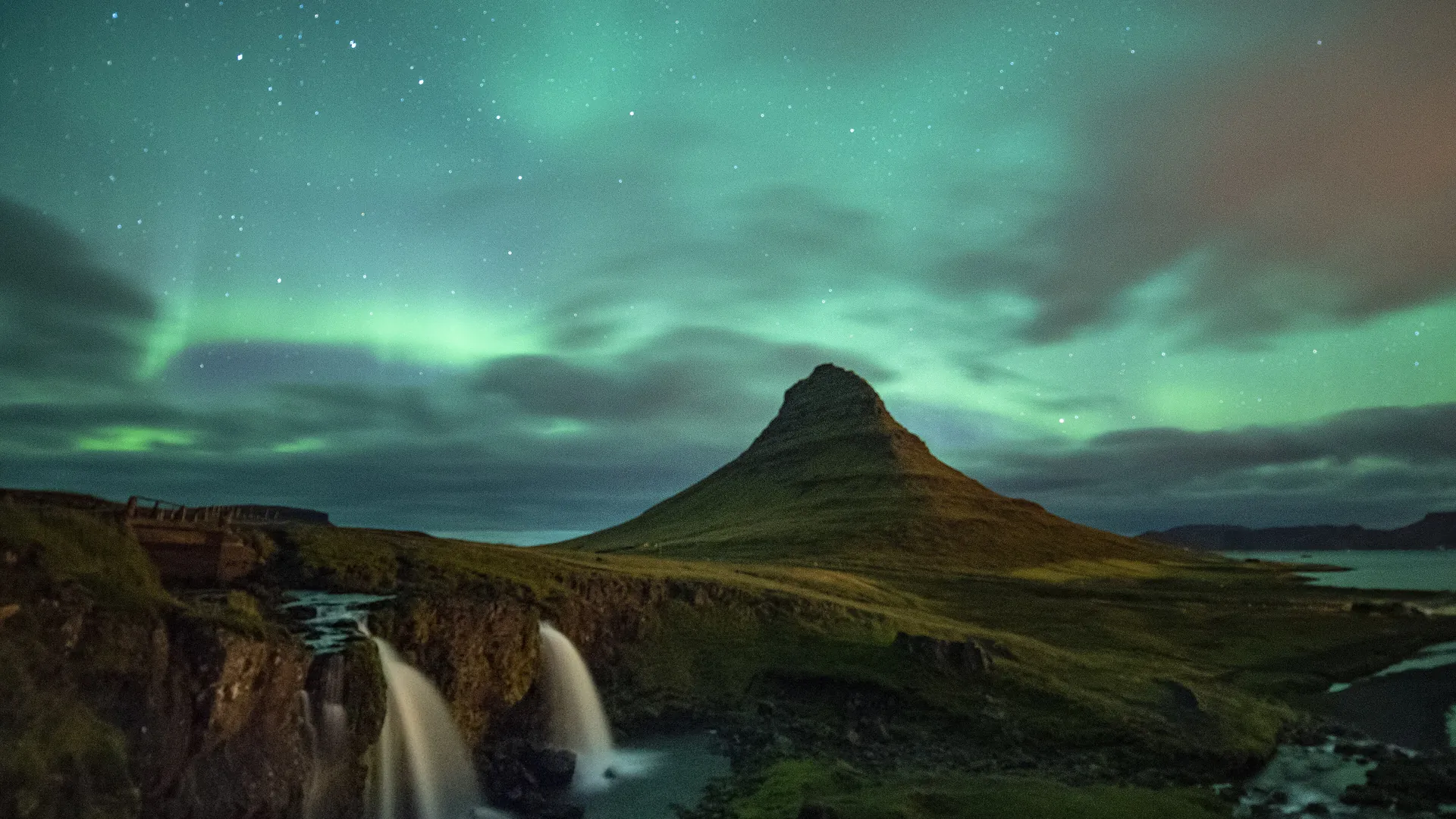
Day 8: Departure
Enjoy a final soak in a geothermal pool, such as the Sky Lagoon near Reykjavík, before your flight home.
Driving in Iceland
- Iceland drives on the right. Indian licence holders should carry an International Driving Permit.
- Book a 4x4 in winter, and consider gravel and sand protection insurance.
- Check road conditions and weather alerts every day; roads can close suddenly in winter storms.
- Never stop on the road for photos; use designated parking areas.
- If you are not confident driving in snow and ice, join guided tours instead.
Choosing a tour vs self-drive: self-driving gives freedom to stop anywhere and chase clear skies at night, but winter roads can be icy and closures common. Small-group tours handle driving and aurora hunting for you, and multi-day tours along the South Coast are a good middle ground for first-time visitors who want both comfort and flexibility.
Staying safe: Iceland's weather changes fast. Check the official road and weather websites each morning, register your travel plans with the national safety app if venturing off the main routes, and never ignore closure signs at beaches, glaciers or volcanic areas.
Book the most popular tours, such as ice caves and glacier hikes, well in advance in winter, as group sizes are limited.
Vegetarian food in Iceland
Traditional Icelandic food features lamb and fish, but Reykjavík is very vegetarian and vegan friendly, with many cafes and restaurants offering plant-based dishes. Try skyr, a thick, protein-rich cultured dairy product similar to yoghurt, rye bread baked in hot springs, and famous Icelandic hot dogs (veggie versions exist). Supermarkets such as Bónus and Krónan are the best way to save money; stock up on snacks, bread, cheese and fruit for road trips. There are also a few Indian restaurants in Reykjavík.
Northern lights photography tips
- Use a tripod. Long exposures are essential; even a small travel tripod helps.
- Manual settings: start with a wide aperture (f/2.8 to f/4), ISO 1600 to 3200 and exposures of 5 to 15 seconds, then adjust.
- Focus to infinity in manual focus mode, using a bright star or distant light.
- Phones: modern phones with night mode can capture the aurora surprisingly well if kept very still.
- Include a foreground: mountains, churches, waterfalls or lakes make pictures more striking.
- Keep batteries warm in an inside pocket; cold drains them quickly.
- Put the camera down sometimes. The movement of the lights is best seen with your own eyes.
Iceland in summer
If you cannot travel in winter, summer in Iceland has its own magic. Under the midnight sun, you can hike at 11 p.m. in daylight, watch puffins nesting on sea cliffs from about May to August, explore the colourful highlands of Landmannalaugar, and drive the full Ring Road with ease. Waterfalls are at their fullest, and the green landscapes are spectacular. It is also the easiest time for first-time drivers.
How much does an Iceland trip from India cost?
- Return flights: typically ₹70,000 to ₹1,20,000 per person.
- Schengen visa and insurance: roughly ₹11,000 to ₹16,000 per person.
- Hotels and guesthouses: ₹12,000 to ₹25,000 per night for a double room, more in peak season.
- Car rental: ₹8,000 to ₹15,000 per day for a 4x4 in winter, plus fuel.
- Tours: northern lights tours, glacier hikes and ice caves each cost roughly ₹8,000 to ₹20,000 per person.
- Food: ₹3,000 to ₹5,000 per person per day in restaurants; much less using supermarkets.
An 8-day Iceland trip typically costs ₹2,50,000 to ₹4,00,000 per person, depending on season, accommodation and tours.
What to pack
- Thermal base layers, a fleece and a waterproof, windproof outer jacket.
- Waterproof trousers for waterfalls and rain.
- Warm hat, gloves, scarf and wool socks.
- Waterproof hiking boots with good grip, and microspikes in winter.
- Swimwear for geothermal pools.
- A camera with manual settings and a tripod for the northern lights.
Mistakes to avoid
Staying only in Reykjavík for the aurora. City lights reduce your chances; head to the countryside.
Getting too close to the waves at Reynisfjara. Sneaker waves are deadly; stay well back.
Walking on glaciers without a guide. Crevasses are invisible and dangerous.
Underestimating costs. Iceland is one of the most expensive countries in the world; budget carefully.
Plan your Iceland trip with The Vacation Code
An Iceland trip from India is a journey to the edge of the Arctic, and a chance to see the sky come alive. Our team can help with your Schengen visa file, hotels, car rental and tours. For more northern adventures, read our guide on where to see the northern lights, explore our Scandinavia tour and read our Scandinavia tour guide, or browse all our international tours.
Frequently asked questions
Do Indians need a visa for Iceland?
Yes. Iceland is in the Schengen area, so Indians need a Schengen visa, with a fee of 90 euros for adults and mandatory travel insurance with at least 30,000 euros of medical cover.
When is the best time to see the northern lights in Iceland?
The northern lights are usually visible from late September to mid-March, when nights are long and dark. Clear skies and good solar activity are needed, so sightings are never guaranteed.
How much does an Iceland trip from India cost?
An 8-day Iceland trip typically costs 2,50,000 to 4,00,000 rupees per person, depending on season, accommodation, car rental and tours.
Are there direct flights from India to Iceland?
No. Travellers connect through a European or Gulf hub, with total journey times of about 15 to 20 hours.
Is it safe to drive in Iceland in winter?
It can be done with a 4x4, careful planning and daily checks of road and weather conditions, but storms can close roads. Travellers without snow-driving experience should consider guided tours.
Is vegetarian food available in Iceland?
Yes. Reykjavík has many vegetarian and vegan options and a few Indian restaurants, and supermarkets are a good way to save money on the road.
How many days are enough for Iceland?
Seven to eight days covers Reykjavík, the Golden Circle, the South Coast and Jökulsárlón. A full Ring Road trip needs 10 to 14 days.