- A little history
- When to visit
- How to reach Mahabaleshwar and Panchgani
- Two routes up, two different journeys
- Panchgani: what to see
- Table Land
- Sydney Point and Parsi Point
- The town
- Mahabaleshwar: the famous points
- Venna Lake
- Strawberries: farms, season and what to try
- Visiting a farm
- What to try
- How Mahabaleshwar strawberries are grown
- Bhilar: India's first book village
- Forest walks, honey and old Mahabaleshwar charm
- Pratapgad Fort
- Old Mahabaleshwar and the temples
- Waterfalls around Mahabaleshwar
- Day trips from Mahabaleshwar
- Tapola
- Kaas Plateau
- Wai
- Food in Mahabaleshwar
- Shopping: what to take home
- Where to stay
- Mahabaleshwar in the monsoon
- Mahabaleshwar for families, couples and seniors
- A two-day Mahabaleshwar and Panchgani itinerary
- Day 1: Panchgani and strawberry farms
- Day 2: Sunrise, points, Pratapgad and home
- How much does a weekend cost?
- Practical tips
- Travelling responsibly
- Mistakes to avoid
- Plan your strawberry escape with The Vacation Code
- Frequently asked questions about Mahabaleshwar and Panchgani
- When is strawberry season in Mahabaleshwar?
- How many days are enough for Mahabaleshwar and Panchgani?
- How far is Mahabaleshwar from Pune and Mumbai?
- What is the best time to visit Mahabaleshwar?
- Which is better, Mahabaleshwar or Panchgani?
- Is Mahabaleshwar good for families?
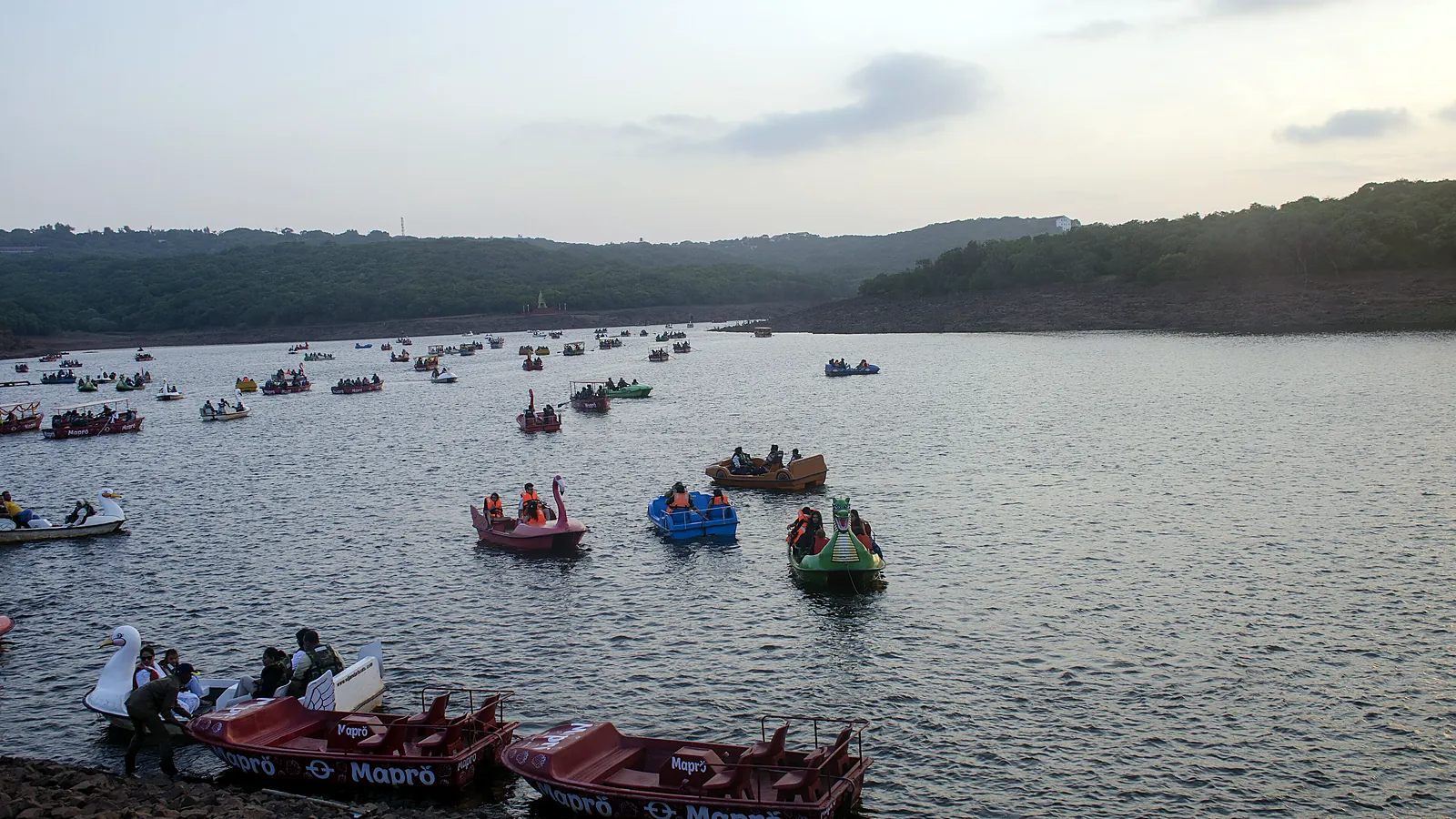
Ask anyone who grew up in Mumbai or Pune about Mahabaleshwar and you will get the same memories. A winding drive up through the Western Ghats with the windows down. A boat ride on Venna Lake with a paddle that never went in quite the right direction. Horses at the lakeside. Sunset at one of the famous "points", with half the city seemingly standing beside you. And strawberries: bright red, sweet and fragrant, eaten straight from the farm, piled on cream, blended into milkshakes and taken home in cardboard punnets that were never quite full by the time you reached the car.
Mahabaleshwar and its neighbour Panchgani are Maharashtra's most beloved hill stations, and they have been for nearly two centuries. The British made Mahabaleshwar the summer capital of the Bombay Presidency, and it still carries the charm of that era in its old bungalows, forested walks and colonial-named viewpoints. Panchgani, a little lower, is a quieter town of boarding schools, old Parsi homes and dramatic plateaus.
This guide will help you plan a trip that goes beyond the crowded weekend clichés: when to visit for strawberries and for clear views, which points are genuinely worth it, how to see Venna Lake and Table Land without the crowds, the forts and waterfalls nearby, a day trip to the Kaas flower plateau, what to eat and where to stay, and a relaxed two-day itinerary.
A little history
Mahabaleshwar takes its name from the ancient Mahabaleshwar Temple, dedicated to Lord Shiva, in the old village that predates the hill station by centuries. Its religious significance is tied to water: the plateau is the source of five rivers, the Krishna, Koyna, Venna, Savitri and Gayatri, which begin at the Panchganga Temple in Old Mahabaleshwar. The Krishna, in particular, is one of the great rivers of peninsular India, flowing all the way to the Bay of Bengal.
In the 17th century, the region became part of the Maratha kingdom, and Chhatrapati Shivaji Maharaj built the fort of Pratapgad nearby. In the 19th century, the British discovered the cool, forested plateau and established Mahabaleshwar as a sanatorium and summer retreat for Bombay's officials. They laid out walking paths and named viewpoints after governors and officials, which is why so many points carry English names today. They also introduced strawberries, which thrived in the cool climate and red laterite soil and are now the region's most famous product.
Panchgani, meaning "five villages" or, some say, "five hills", developed at the same time as a quieter retreat and became known for its boarding schools and healthy climate.
When to visit
October to February is the best time for most visitors. The monsoon has passed, the hills are green, the air is cool and the views from the points are clear. From November onwards, strawberries start appearing, and the season runs through winter.
Strawberry season usually runs from around November to March, with the best harvest and farm visits in January and February. If strawberries are the point of your trip, aim for these months.
March to May is the peak summer season, when families from Mumbai and Pune escape the heat. The weather is pleasant compared to the plains, but the points and lake are crowded, and strawberries end by around April.
June to September is the monsoon, and Mahabaleshwar receives some of the heaviest rainfall in India. The plateau is shrouded in cloud, the forests drip, and waterfalls pour down every cliff. Many viewpoints are covered in fog, some attractions close, and a lot of hotels shut or scale down. It is atmospheric for travellers who love rain and solitude, but not the best time for sightseeing. Late September and October, when the rain eases, offer lush landscapes and full waterfalls with clearing skies.
How to reach Mahabaleshwar and Panchgani
- From Pune: about 120 kilometres to Mahabaleshwar, roughly three hours via Wai and the Pasarni Ghat. Panchgani is on the way, about 18 kilometres before Mahabaleshwar.
- From Mumbai: about 260 kilometres, five to six hours, either via Pune and Wai or via the coastal route through Mahad and the Ambenali Ghat, which is scenic but steep and winding.
- By bus: state transport and private buses run regularly from Mumbai and Pune.
- By train: the nearest convenient railway stations are Pune and Satara, followed by a drive of two to three hours.
- By air: Pune is the nearest airport.
Tip: on summer weekends and long holidays, the ghat roads and the town centre get jammed. Travel on a weekday or arrive early in the morning.
Two routes up, two different journeys
If you are driving from Mumbai, it is worth choosing your route with care, because the two options feel very different.
Via Pune and Wai is the more popular and comfortable route. You take the Mumbai–Pune Expressway, bypass Pune on the Bengaluru highway towards Satara, and turn off at Surur for Wai. From Wai, the Pasarni Ghat climbs steadily to Panchgani with views back over the Krishna valley. The roads are generally good, it passes through Panchgani on the way, and it is the better choice with children, older parents or anyone prone to motion sickness.
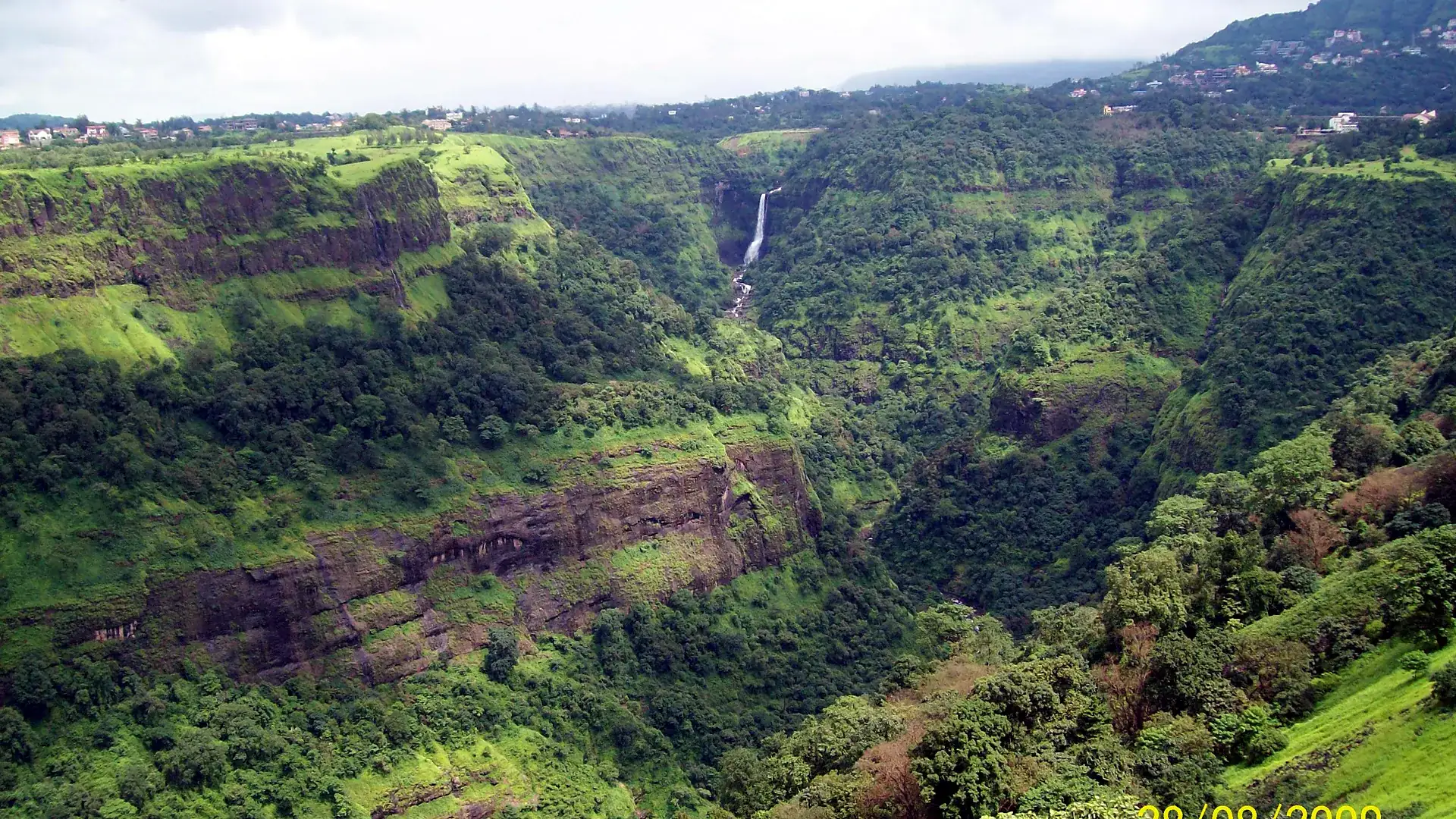
Via the coast, through Mahad and Poladpur, you follow the Mumbai–Goa highway south before climbing the Ambenali Ghat straight up the steep western face of the Sahyadris to Mahabaleshwar. It is shorter in distance and wildly scenic, passing close to Pratapgad, with valleys falling away beside the road and waterfalls in and after the monsoon. It is also narrow, steep and full of hairpin bends, and can be affected by landslides in heavy rain. Many travellers go up one way and come back the other, so they see both.
Panchgani: what to see
Table Land
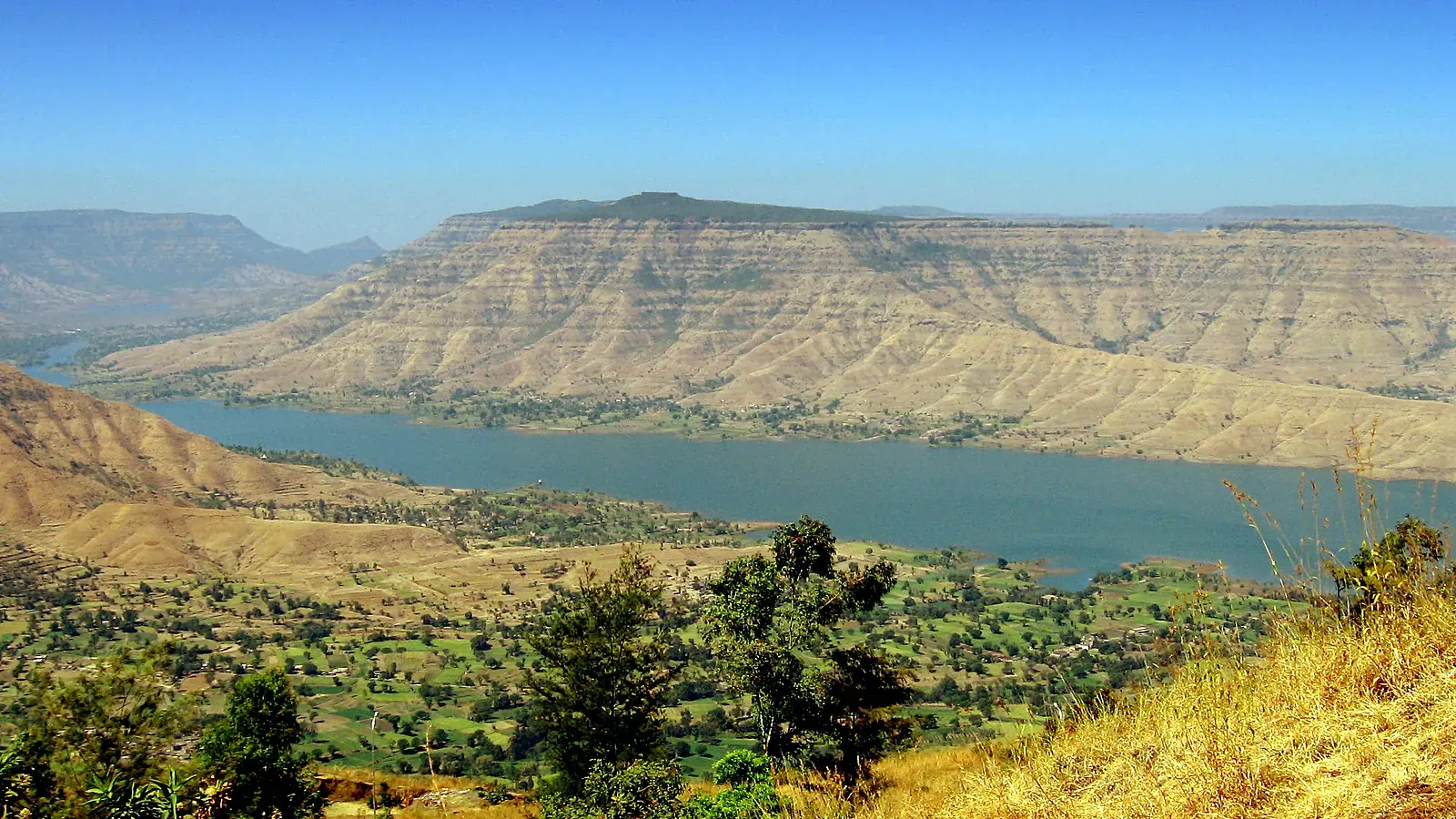
Table Land is a vast, flat volcanic plateau on top of a hill above Panchgani, said to be one of the largest mountain plateaus in Asia. From its edges, you look down over the Krishna valley, the Dhom Dam backwaters and the surrounding hills. It is best in the early morning or late afternoon. Horse rides and pony carts are available on the plateau, and small caves on its edge include one known as the Devil's Kitchen, associated in local legend with the Pandavas of the Mahabharata. After the monsoon, the plateau is carpeted with grass and small wildflowers.
Sydney Point and Parsi Point
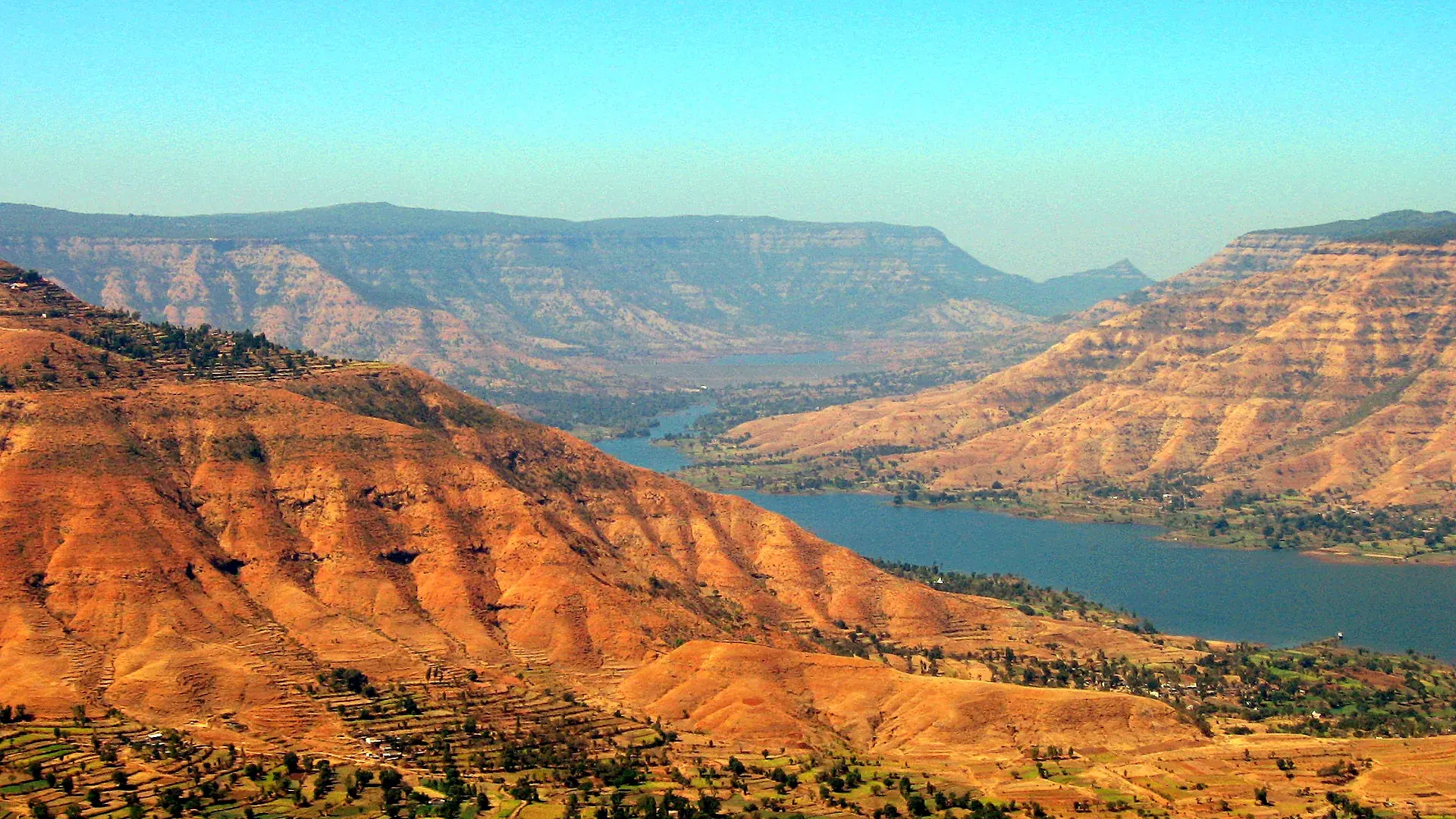
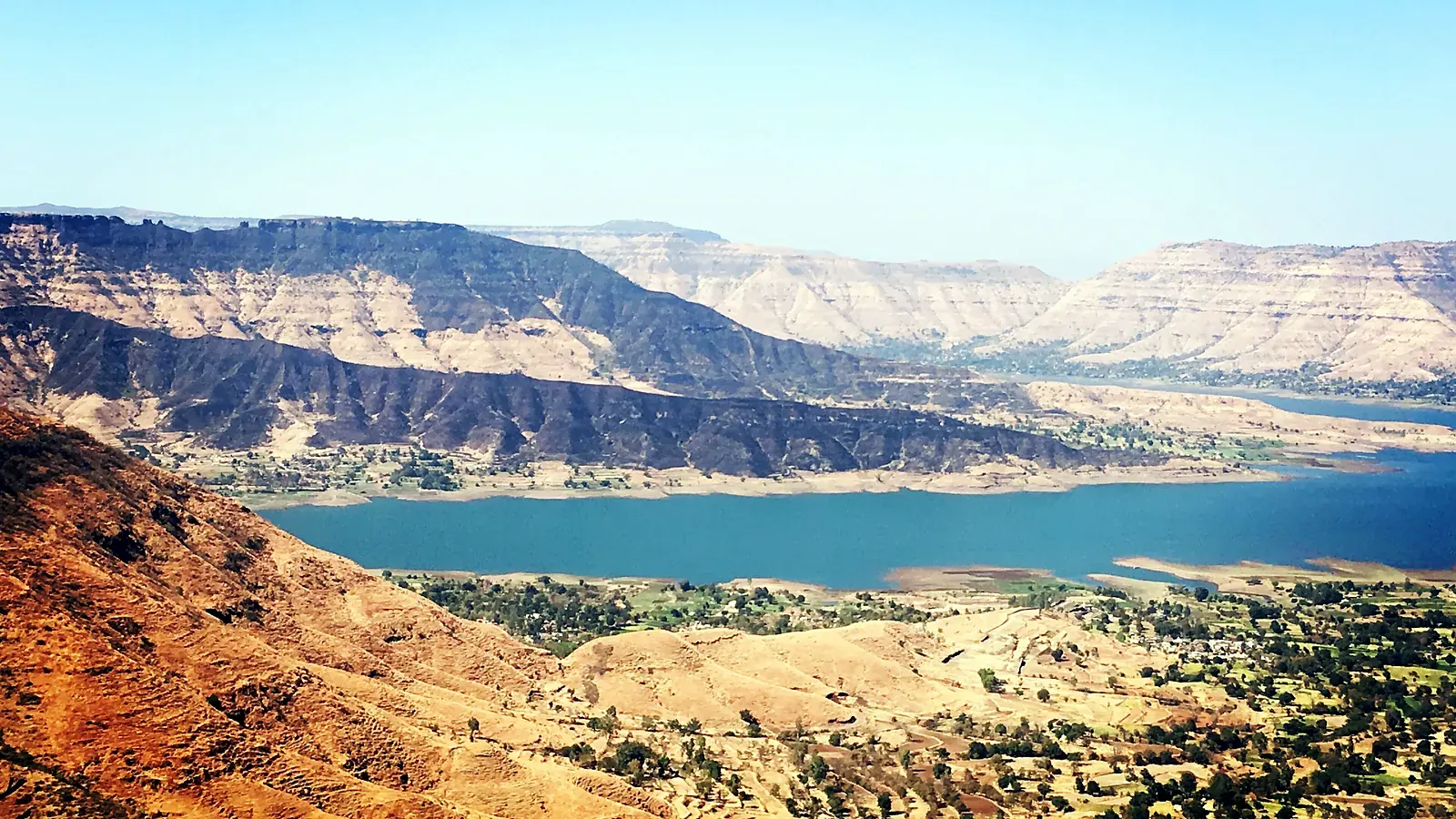
Sydney Point offers views over the Krishna valley and the town of Wai. Parsi Point, on the road towards Mahabaleshwar, has one of the loveliest views in the area: the blue waters of the Dhom reservoir spread out in the valley below, framed by hills. Both are beautiful at sunset.
The town
Panchgani's old bazaar, colonial-era bungalows and heritage boarding schools give it a gentle, old-world charm. It is quieter than Mahabaleshwar and a pleasant place to stay if you prefer calm.
Mahabaleshwar: the famous points
Mahabaleshwar's "points" are viewpoints on the edges of the plateau, most with sweeping views over the valleys of the Konkan and the Deccan. There are dozens of them, and you do not need to see them all. These are the best.
- Arthur's Seat is often called the "Queen of the Points". It stands at the edge of a deep gorge, with the Savitri river valley far below on one side and the Jor valley on the other. The contrast between the dry, barren Konkan side and the green hills is striking. Nearby, Tiger Spring and Window Point are worth a short stop.
- Wilson Point, also known as Sunrise Point, is the highest point in Mahabaleshwar, and the best place to watch the sunrise.
- Kate's Point and Needle Hole Point (also called Elephant's Head Point) offer views over the Krishna valley and the Dhom and Balkawadi dams, and a natural rock formation that looks like an elephant's head and trunk.
- Elphinstone Point looks out over the Savitri and Koyna valleys and dense forest.
- Lodwick Point offers views of Pratapgad Fort, and has a memorial to General Lodwick, one of the first British officers to reach the plateau.
- Bombay Point, or Sunset Point, is the most popular place for sunset, so expect crowds.
Many points are reached by road followed by a short walk, and some by pleasant forest paths. Go early in the morning for clear views and fewer people.
Venna Lake
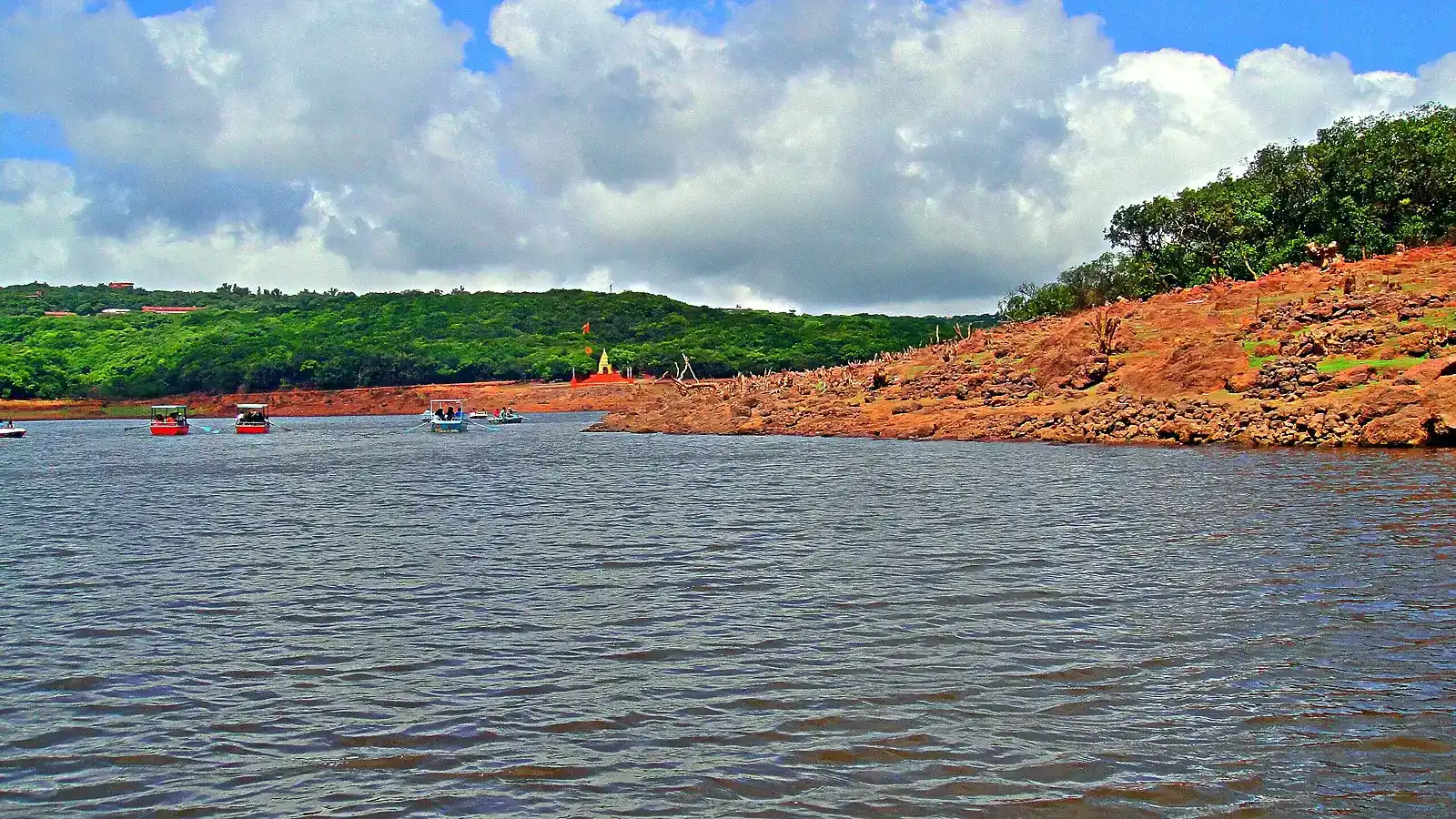
Venna Lake is Mahabaleshwar's social centre. Created in the 1840s, it is surrounded by trees and offers rowing boats and pedal boats, horse rides along the shore, and stalls selling corn, strawberries with cream, chana and other snacks. It is busy and lively, particularly in the evening, and a boat ride is part of the classic Mahabaleshwar experience. Go early in the morning for a quieter, misty lake.
Strawberries: farms, season and what to try
Mahabaleshwar is India's strawberry capital, and the region produces a very large share of the country's strawberries. The Mahabaleshwar strawberry has even received a Geographical Indication tag in recognition of its origin and quality. The cool climate and red soil give the berries a distinctive sweetness and fragrance.
Visiting a farm
From around November to March, many farms around Mahabaleshwar, Panchgani and the village of Bhilar (which has styled itself a "book village", with small libraries in homes) welcome visitors. You can walk through the rows of plants, learn how strawberries are grown under plastic mulch, and in many farms, pick your own strawberries and pay by weight. Children in particular love it. Go in the morning, when the berries are cool and firm.
What to try
- Strawberries with cream, the classic Mahabaleshwar treat, sold at farms, stalls and cafés.
- Strawberry milkshakes, ice cream and sundaes.
- Jams, crushes, syrups and chocolates made from local strawberries, raspberries and mulberries.
- Fresh mulberries and raspberries in season, which are harder to find elsewhere.
Large food-processing brands in the area have popular visitor outlets and gardens with cafés, which are especially busy on weekends.
How Mahabaleshwar strawberries are grown
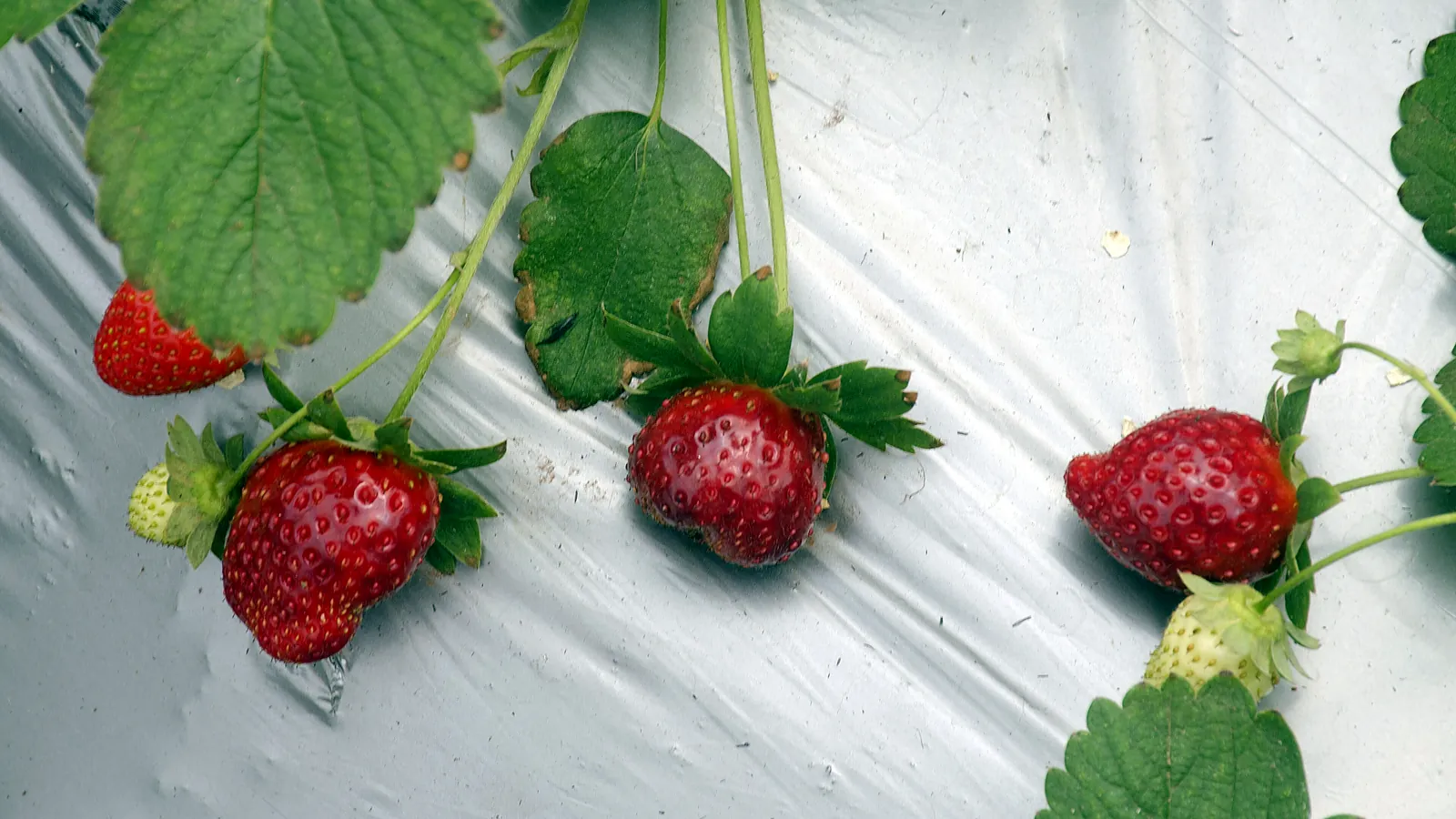
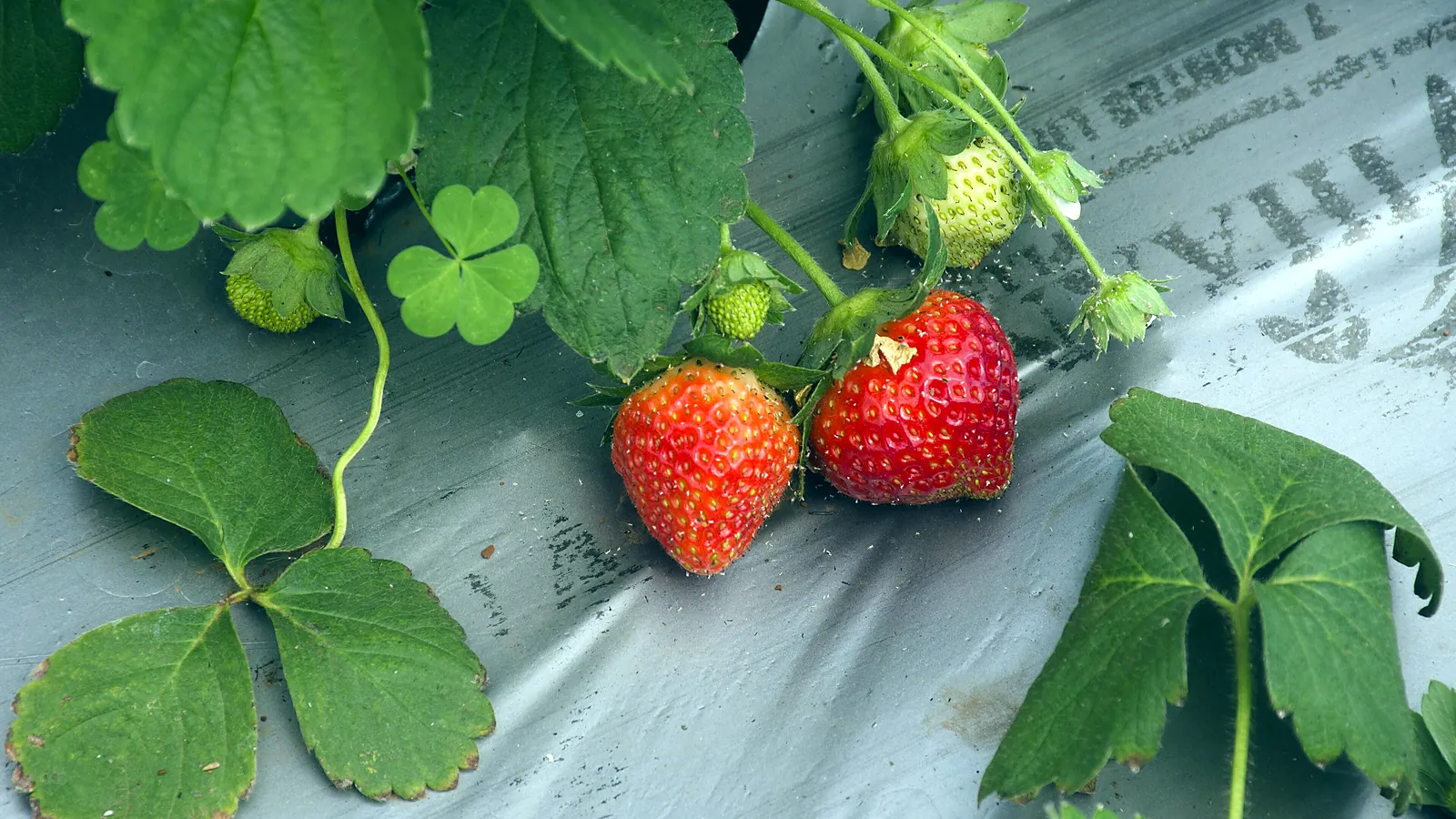
A strawberry farm visit is more interesting when you know what is going on. Strawberry plants in Mahabaleshwar are usually planted after the monsoon, around September and October, when the heavy rains end. Farmers grow them on raised beds covered with plastic mulch, which keeps the soil moist, controls weeds and stops the fruit from touching the wet earth. Many farms use drip irrigation to deliver water directly to the roots.
The first flowers appear within weeks, followed by the green fruit, which turns red as it ripens in the cool winter sun. Picking starts in November or December and continues until the heat of April ends the season. Because ripe strawberries are delicate and do not travel well, a lot of the harvest goes into jams, crushes, syrups and other products made in the region. Strawberries picked and eaten on the same day, still slightly cool from the morning, taste completely different from the ones in city supermarkets. That difference is the whole reason to visit a farm.
When you pick, hold the stem just above the fruit and snap it off gently rather than pulling the berry, choose fully red fruit, and avoid stepping on the beds. Ask the farmer before you start; most are happy to explain their work.
Bhilar: India's first book village
Between Panchgani and Mahabaleshwar lies Bhilar, a strawberry-growing village that has become known as India's first "book village", inspired by book towns in Europe. Dozens of homes, temples and public spaces in the village have been turned into small reading rooms, each stocked with Marathi books on a particular theme, from poetry and history to children's literature and biographies, and decorated with murals. Visitors are welcome to walk in, sit and read for free. It is a delightful, quiet stop, particularly for families and book lovers, and many of the homes also sell fresh strawberries from their own fields.
Forest walks, honey and old Mahabaleshwar charm
Beyond the crowded points, Mahabaleshwar still has quiet forest paths laid out in the British era, winding under tall trees between the viewpoints. Walking between Arthur's Seat and Elphinstone Point, or around the edges of the plateau in the early morning, you will hear more birdsong than traffic. The forests here are part of the Western Ghats, and birdwatchers can spot species such as the Malabar whistling thrush, paradise flycatchers and several kinds of bulbuls.
Mahabaleshwar is also known for its honey. Beekeeping has long been encouraged in the region, and local honey made from the nectar of forest flowers is sold in shops across town. Look for honey from local cooperatives and certified producers. Old colonial churches, heritage bungalows and the stone buildings in the main town give Mahabaleshwar a gentle old-world character that is easy to miss if you only visit the points.
Pratapgad Fort
About 24 kilometres from Mahabaleshwar, Pratapgad Fort is one of the most important forts in Maratha history. Built by Chhatrapati Shivaji Maharaj in 1656, it was the site of the famous encounter in 1659 between Shivaji and Afzal Khan, the general sent by the Adil Shahi Sultanate of Bijapur, which ended in Afzal Khan's death and a decisive Maratha victory in the battle that followed. The fort has an upper and lower section, a temple to the goddess Bhavani, a bronze equestrian statue of Shivaji Maharaj and sweeping views over the Konkan. The climb involves a few hundred steps, and the drive through the forested ghat is beautiful.
Old Mahabaleshwar and the temples
About six kilometres from the main town, Old Mahabaleshwar is the original village, with a group of ancient stone temples. The Mahabaleshwar Temple contains a self-manifested (swayambhu) lingam of Lord Shiva. The Panchganga Temple is built over the spring said to be the source of the five rivers, which flow from a carved stone cow's mouth. Nearby, the Krishnabai Temple, a small, old stone temple on a hill overlooking the Krishna valley, is peaceful and atmospheric, with carvings and a lingam bathed by a spring. Dress modestly.
Waterfalls around Mahabaleshwar
- Lingmala Falls is the most famous waterfall in Mahabaleshwar, plunging from a height into a valley. It is at its best after the monsoon, from late September to November, and is reached by a short walk from the road.
- Chinaman's Falls and Dhobi Waterfall are smaller falls closer to town, lovely just after the rains.
In the peak monsoon, access to some falls may be restricted for safety.
Day trips from Mahabaleshwar
Tapola
About 25 kilometres from Mahabaleshwar, Tapola sits on the backwaters of the Shivsagar Lake, formed by the Koyna Dam. Often called the "mini Kashmir of Maharashtra", it offers boating, kayaking and water sports on a vast reservoir surrounded by forested hills. It is a lovely, quiet half-day trip, and there are campsites and homestays for those who want to stay overnight.
Kaas Plateau
The Kaas Plateau, near Satara, about 60 kilometres from Mahabaleshwar, becomes a carpet of wildflowers after the monsoon, usually from late August to early October. It is part of the Western Ghats UNESCO World Heritage Site and hosts hundreds of species of flowering plants, many of them found only here. Visits are regulated, with online booking and fixed time slots during the flowering season, to protect the fragile plateau. Check the official booking site before you go.
Wai
The small temple town of Wai, on the banks of the Krishna river at the foot of the Pasarni Ghat, has beautiful ghats and old temples, including the Dholya Ganpati Temple. It is a pleasant stop on the drive between Pune and Mahabaleshwar and has been a favourite location for Hindi film shoots.
Food in Mahabaleshwar
Apart from strawberries, Mahabaleshwar is famous for its street food, particularly around the main market and Venna Lake. Try corn pattice, a Mahabaleshwar speciality of spiced corn wrapped in potato and fried; chana and roasted corn; hot vada pav; and fudge, chikki and homemade jams. For proper meals, the town has Maharashtrian, Gujarati, Punjabi and multicuisine restaurants, as well as resort dining. Vegetarian food is widely available, and Jain options are easy to find, given the many Gujarati visitors.
Shopping: what to take home
The main market in Mahabaleshwar is lined with shops selling the region's specialities. Take home fresh strawberries in season, along with jams, crushes and syrups made from strawberries, mulberries, figs and other fruits; local honey; chikki and fudge; and handmade leather chappals and bags, for which the market is also known. Many shops let you taste before you buy. For the freshest strawberries, buy directly from farms on the Panchgani road rather than in the busy market.
Where to stay
Mahabaleshwar town is convenient for the market, Venna Lake and the points, but can be noisy and crowded in peak season.
Resorts on the outskirts of Mahabaleshwar offer forest views, pools and a quieter atmosphere. Some heritage bungalows from the British era have been converted into boutique hotels.
Panchgani is calmer, with lovely valley views, and makes a good base if you prefer peace to convenience.
Tapola offers lakeside camps and homestays for a completely different experience.
Book early for strawberry season weekends, Christmas, New Year and the summer holidays.
Mahabaleshwar in the monsoon
Most tourist guides tell you to avoid the monsoon, and for classic sightseeing that is fair advice. Mahabaleshwar receives extraordinary amounts of rain, often among the highest in India, and between June and September, the plateau is frequently lost in thick cloud. Many points offer nothing but a white wall of fog, boating on Venna Lake may be suspended, and some hotels close for the season.
But for a certain kind of traveller, the monsoon is the most beautiful time of all. The forests are deep green and dripping, hundreds of waterfalls pour off the cliffs, the drive up through the ghats is spectacular, and the town is almost empty. If you visit in the rains, stay somewhere cosy with good food and a view, plan for slow days, drive only in daylight, and be flexible. The weeks at the end of the monsoon, in late September and October, are the real sweet spot: waterfalls are full, the hills are green and the skies clear to reveal the views again. It is also when the Kaas Plateau is in bloom.
Mahabaleshwar for families, couples and seniors
Families with children will find Mahabaleshwar one of the easiest and most enjoyable hill stations in Maharashtra. Boating on Venna Lake, horse rides, strawberry picking, the book village at Bhilar, the pony carts at Table Land and the fort at Pratapgad keep children busy, and short distances mean nobody spends too long in the car. Choose a resort with a play area or pool.
Couples should avoid the busy weekends and choose a resort or heritage bungalow with a view. Watch sunrise at Wilson Point, take a quiet morning boat on Venna Lake, walk the forest paths between the points, and have dinner somewhere warm on a winter evening. Panchgani's Parsi Point at sunset, with the Dhom backwaters glowing below, is especially romantic.
Older parents will enjoy the temples of Old Mahabaleshwar, the easily accessible viewpoints like Kate's Point and Arthur's Seat, and relaxed drives around the plateau. Pratapgad involves a climb of several hundred steps, so it may be better seen from Lodwick Point. The cool climate is a relief from the heat of the plains, but carry warm layers for the evenings.
Groups of friends can add adventure with kayaking and water sports at Tapola, a trek to one of the nearby forts, or camping by the Shivsagar lake.
A two-day Mahabaleshwar and Panchgani itinerary
Day 1: Panchgani and strawberry farms
Leave Pune or Mumbai early and drive via Wai. Stop at Parsi Point and Table Land in Panchgani. After lunch, visit a strawberry farm to pick your own berries, then continue to Mahabaleshwar and check in. In the evening, take a boat on Venna Lake and walk through the market, trying corn pattice and strawberries with cream.
Day 2: Sunrise, points, Pratapgad and home
Wake early for sunrise at Wilson Point. After breakfast, visit Arthur's Seat, Kate's Point and Old Mahabaleshwar. Then drive to Pratapgad Fort. After lunch, head home, stopping at Lingmala Falls in season. Buy strawberries, jams and fudge before you leave.
With a third day, add Tapola, or in the flowering season, Kaas Plateau.
How much does a weekend cost?
- Hotels and resorts: ₹3,000 to ₹15,000 per night for a double room, higher in peak season.
- Car and driver from Pune or Mumbai: ₹6,000 to ₹10,000 for a two-day trip.
- Boating, horse rides and entry fees: ₹1,000 to ₹2,500 for two.
- Strawberry farm visit and picking: usually priced by weight picked.
- Food: ₹1,500 to ₹3,000 per day for two.
Our Mahabaleshwar & Panchgani Strawberry Valley Escape starts at ₹4,499 per person for two days and one night, including a resort stay, meals, a strawberry farm visit and sightseeing of the main points.
Practical tips
- Go early. Points, the lake and the market are far more pleasant before 10 a.m.
- Carry cash for farm stalls, boating and horse rides.
- Negotiate horse rides clearly on price and duration before starting.
- Drive carefully on ghat roads, especially in fog and at night.
- Carry a light jacket; winter mornings and evenings can be cold.
- Buy strawberries from farms for the freshest fruit and to support growers directly.
Travelling responsibly
Mahabaleshwar's forests and plateaus are part of the Western Ghats, one of the most biologically diverse regions on Earth, and they are under pressure from crowds, traffic and construction. You can help by visiting on weekdays when possible, avoiding single-use plastic at the lake and viewpoints, not feeding the monkeys, sticking to paths on Table Land and the Kaas Plateau, and buying directly from local farmers and small producers. Choose horse-ride operators who treat their animals well, and do not hesitate to walk away from any who do not.
Mistakes to avoid
Visiting on a long weekend without booking. Hotels fill up and traffic is intense.
Trying to see every point. Many look similar. Pick the best four or five and enjoy them properly.
Expecting strawberries in summer or the monsoon. The season is roughly November to March.
Going in the peak monsoon for sightseeing. Heavy rain and fog hide the views, and many places close.
Skipping Panchgani. Table Land and Parsi Point are among the best views in the region.
Plan your strawberry escape with The Vacation Code
Mahabaleshwar and Panchgani are at their best with a little planning: the right season for strawberries, early starts for the points, a comfortable resort away from the crowds and a driver who knows the ghats. Our Mahabaleshwar & Panchgani Strawberry Valley Escape takes care of it all.
Looking for more weekend escapes from Mumbai and Pune? Read our Lonavala and Khandala monsoon guide or our Alibaug weekend guide, or browse all our weekend getaways.
Frequently asked questions about Mahabaleshwar and Panchgani
When is strawberry season in Mahabaleshwar?
Strawberry season usually runs from around November to March, with the best harvest and farm visits in January and February.
How many days are enough for Mahabaleshwar and Panchgani?
Two days are enough to see the main points, Venna Lake, Table Land, a strawberry farm and Pratapgad Fort. Add a day for Tapola or Kaas Plateau.
How far is Mahabaleshwar from Pune and Mumbai?
Mahabaleshwar is about 120 kilometres from Pune, roughly three hours by road, and about 260 kilometres from Mumbai, around five to six hours.
What is the best time to visit Mahabaleshwar?
October to February offers clear views, pleasant weather and strawberry season. March to May is busy but pleasant. The monsoon, June to September, is very wet and foggy.
Which is better, Mahabaleshwar or Panchgani?
Mahabaleshwar has more viewpoints, Venna Lake, the temples and Pratapgad nearby, while Panchgani is quieter, with Table Land and beautiful valley views. They are close enough to see both on one trip.
Is Mahabaleshwar good for families?
Yes. Boating, horse rides, strawberry picking, viewpoints and the fort make it one of the best family weekend destinations near Mumbai and Pune.